Altered Landscapes: Capturing Change Throughout San Pablo Avenue
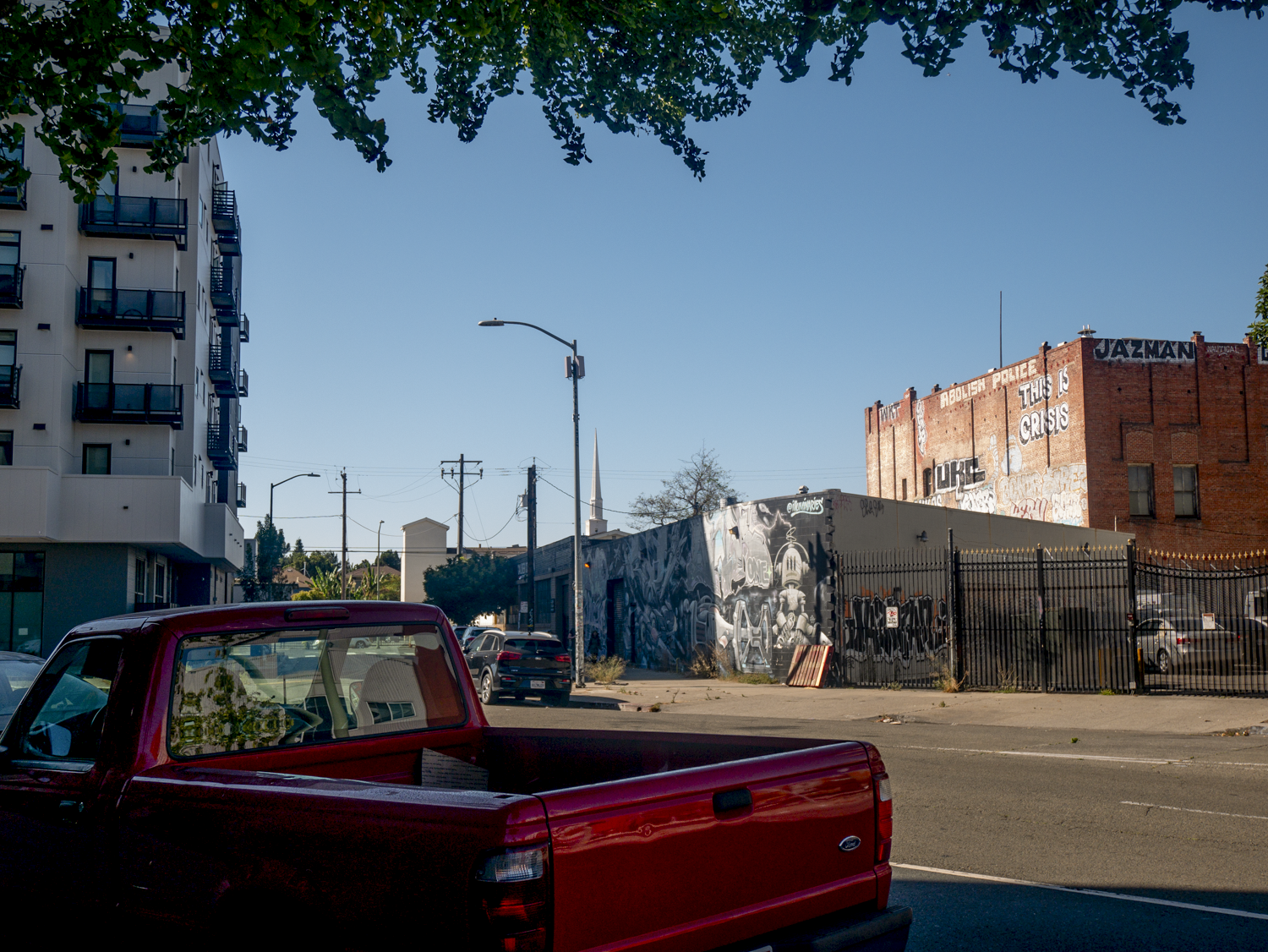
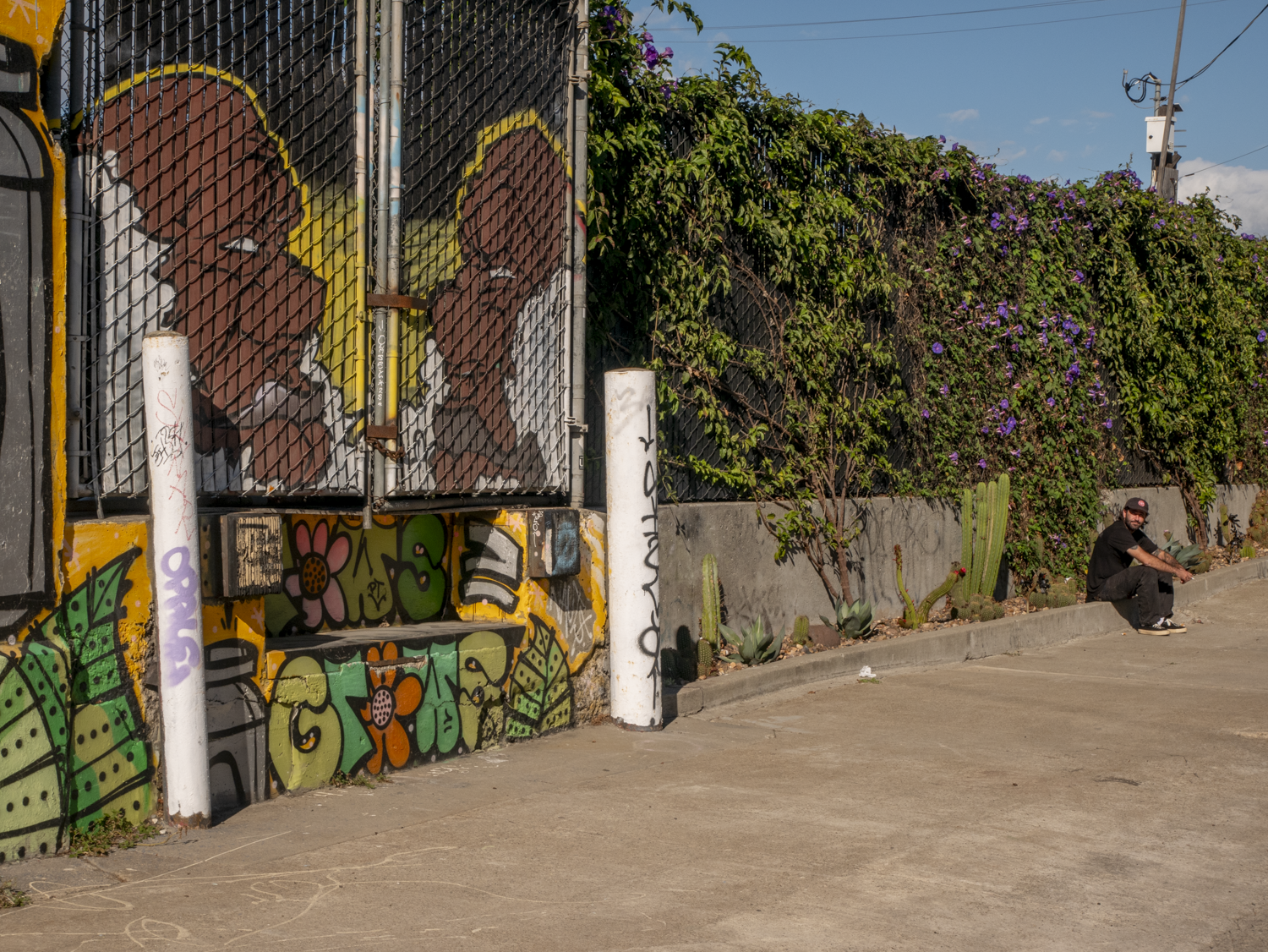
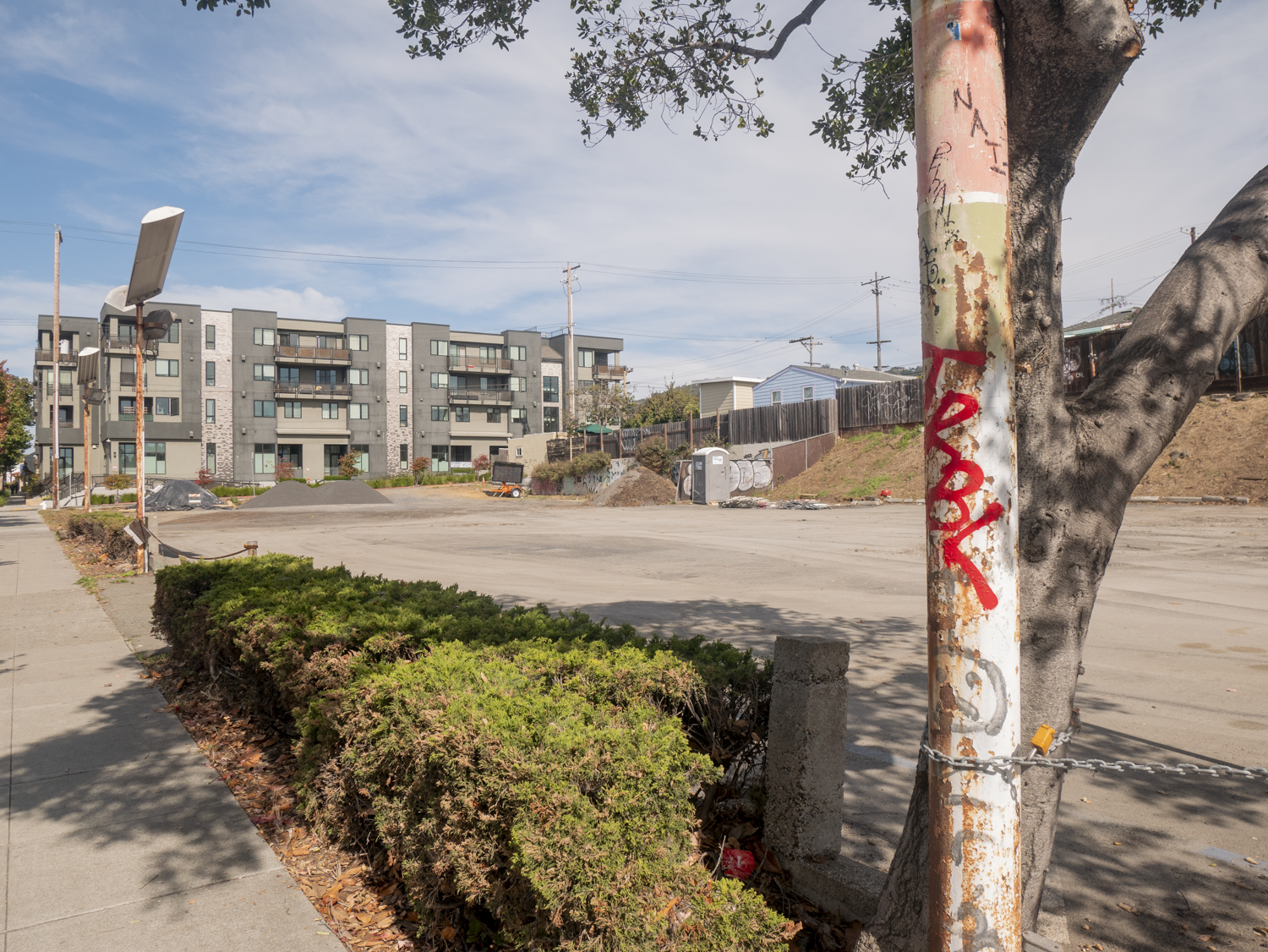
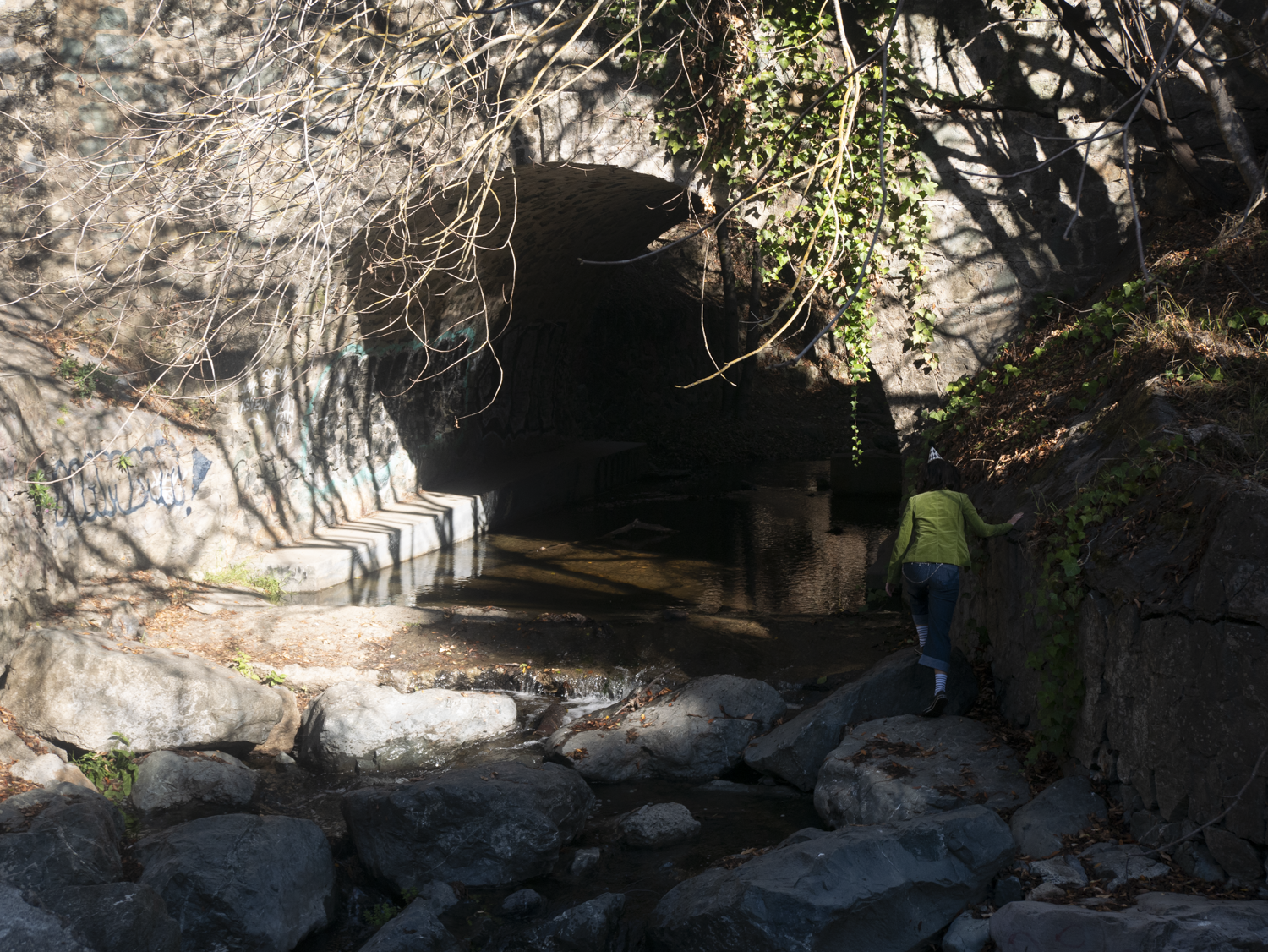
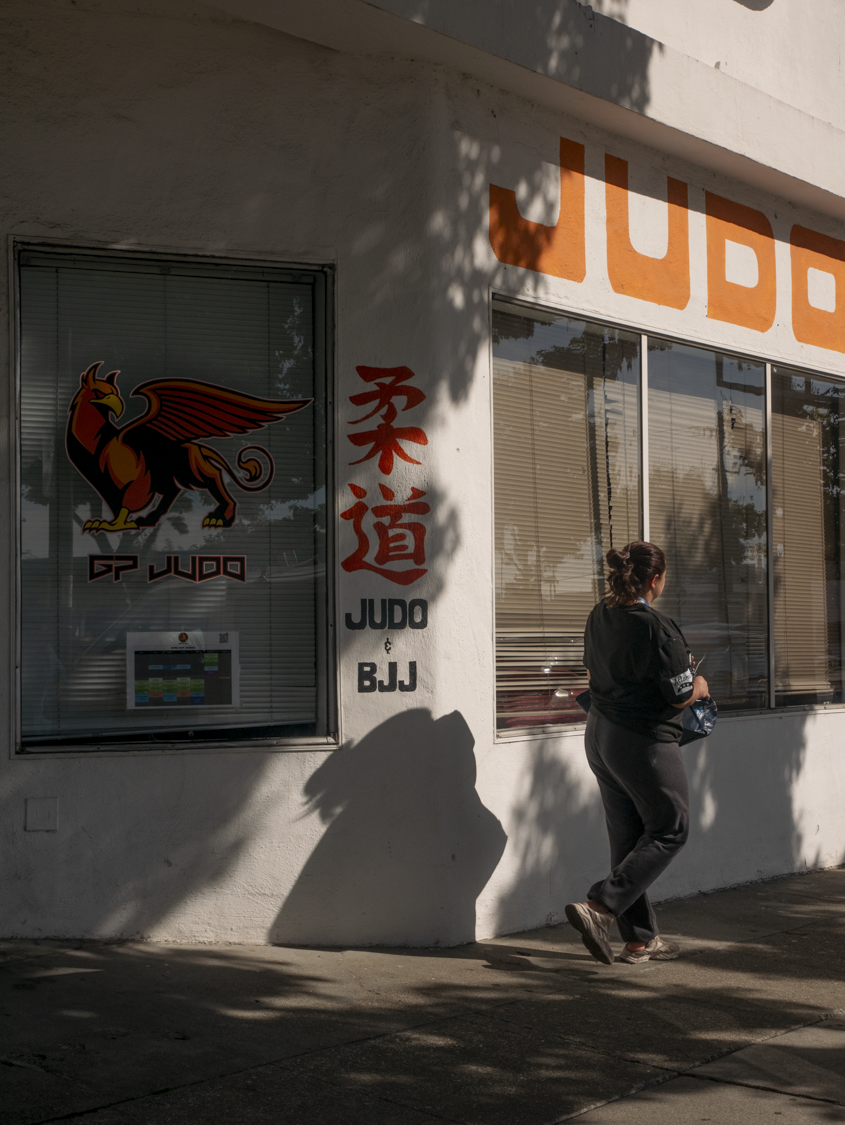
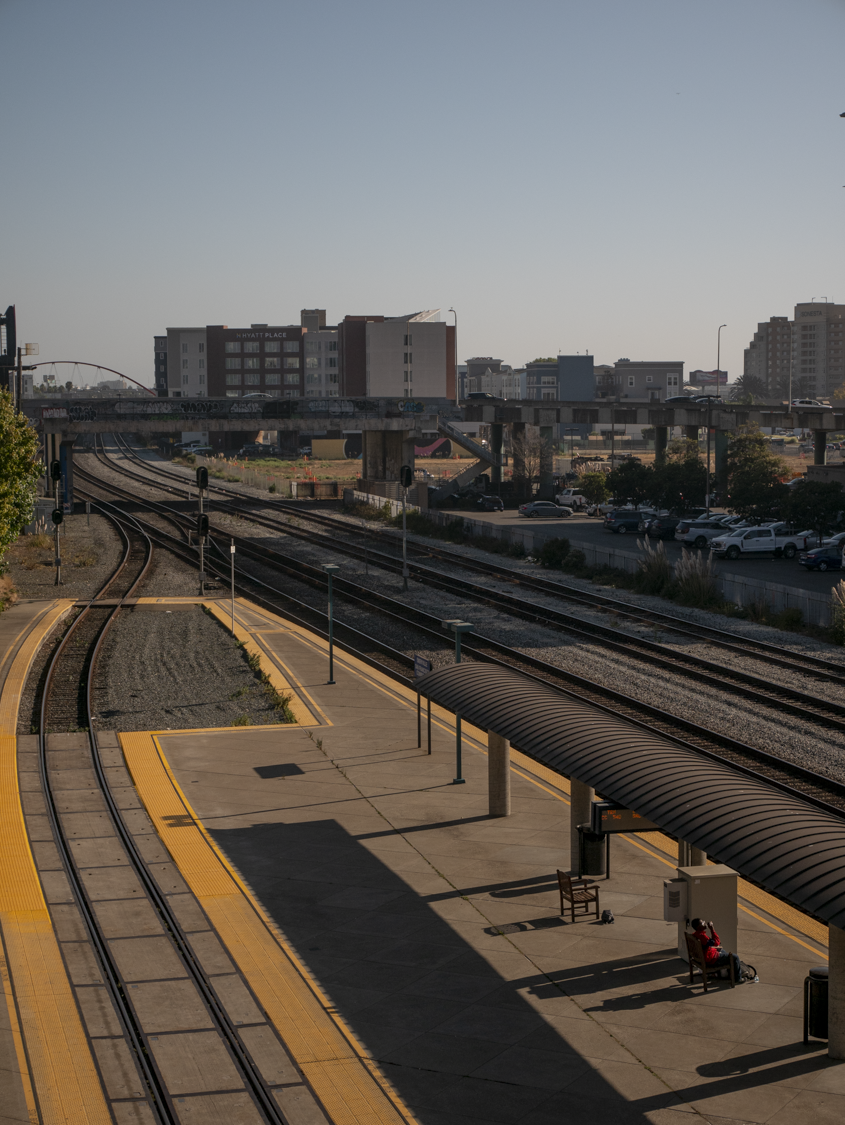
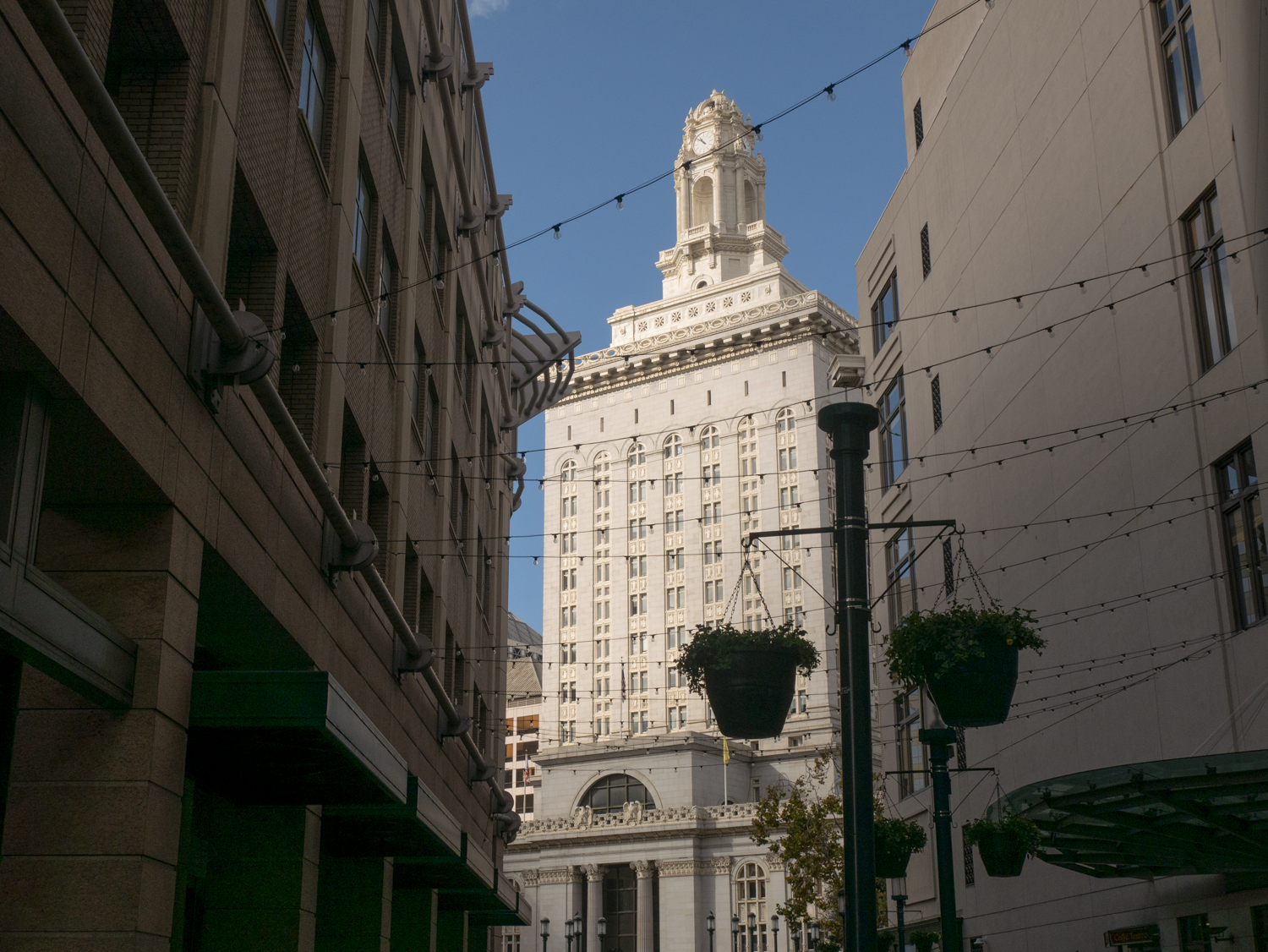
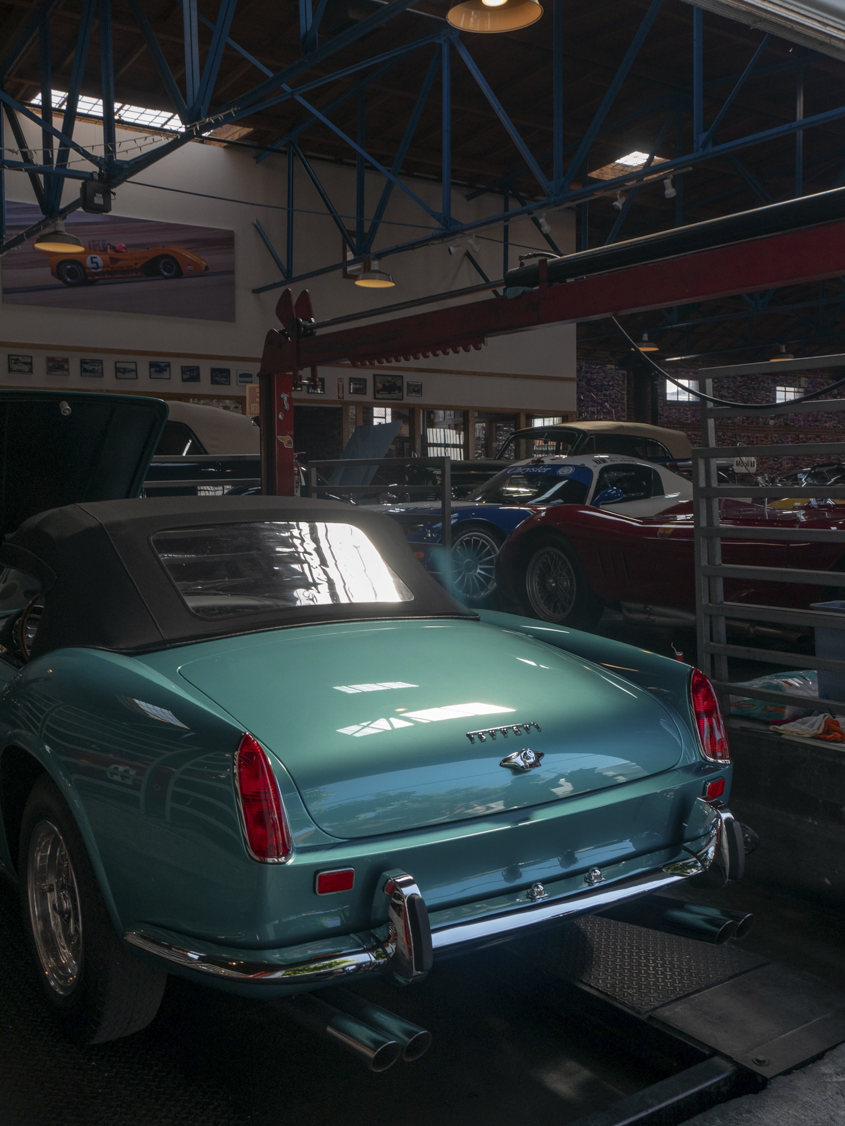
San Pablo Avenue extends a length of 22 total miles, encompassing a number of cities and towns, from Oakland to Rodeo. Although only 7 of these 22 miles made-up the historic State Route 123, San Pablo Avenue is a distinct, car centric road. Parallel to I-80, San Pablo Avenue is a key congestion reliever street, meaning it is well traveled. Making our way up the street, we watched the way San Pablo transformed, from dense and urban to more spread out and suburban. It even became almost rural as we reached Pinole and Rodeo. My photographs aim to capture this ever changing landscape.
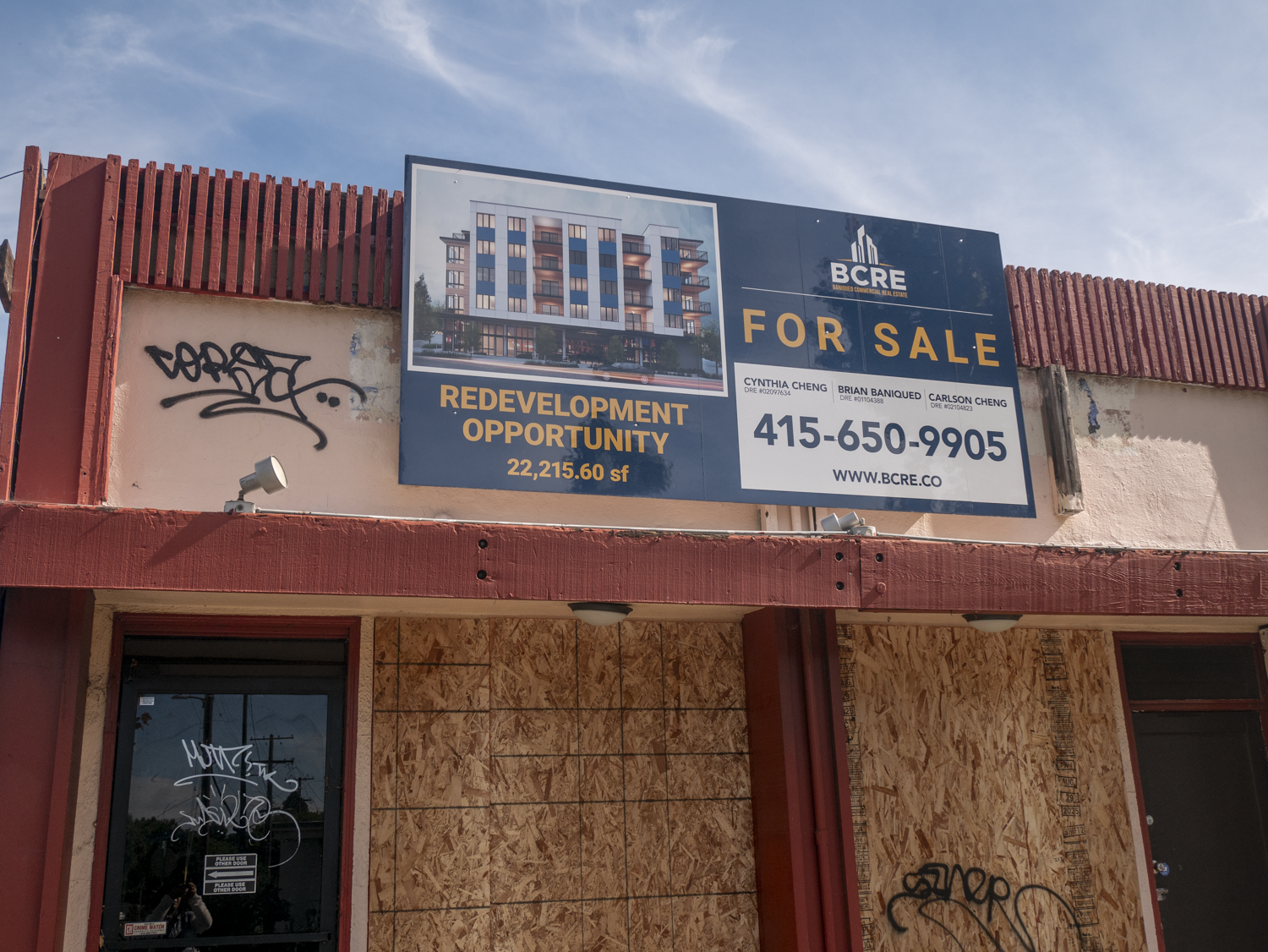
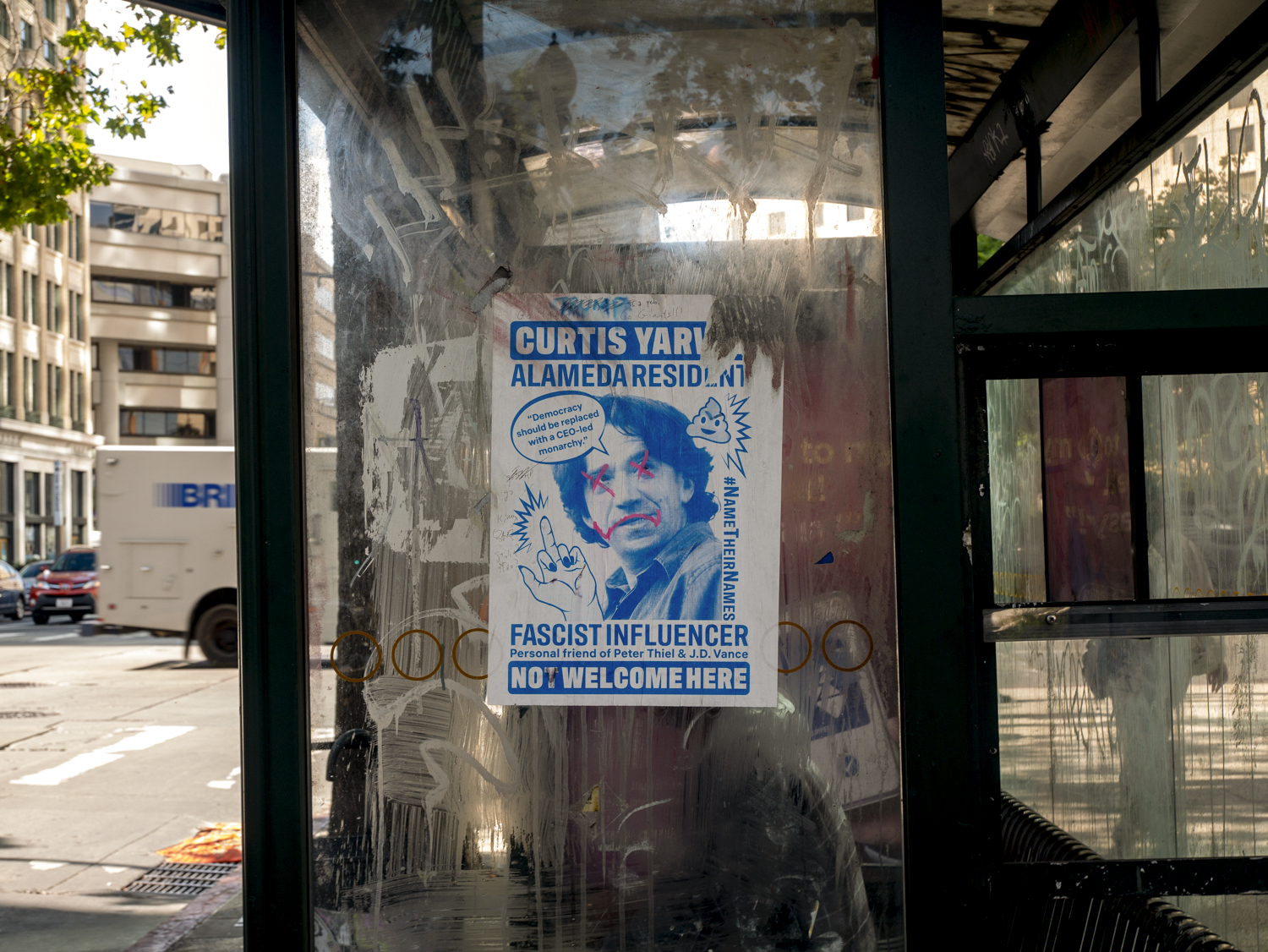
When walking through San Pablo and seeing how much it changed, I was hoping to capture the impacts of gentrification on the street and its people. Gentrification and displacement are topics I am heavily interested in, and I have conducted research on it in the past. During my senior year of high school I began exploring the impacts of gentrification caused by the “Dot Com Boom” in Silicon Valley. I looked specifically at gentrification’s impact in Oakland and the Bay Area, focusing on the displacement of Black Americans further inland into Bay Area suburbs and the Central Valley. This interest has continued at Berkeley, manifesting itself in multiple research reports on displacement, urban renewal, and gentrification in Stockton, California. I wanted to continue focusing on this topic in this class, taking a more creative approach to breach the subject.
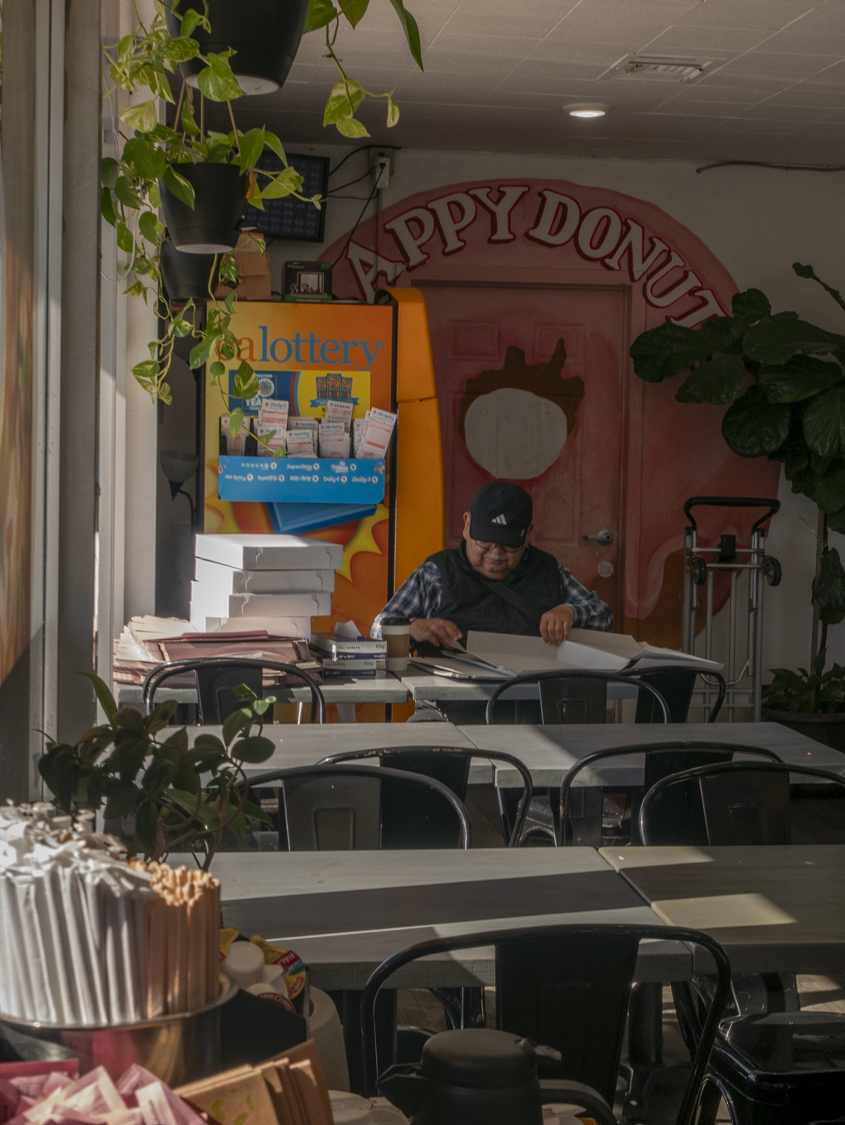
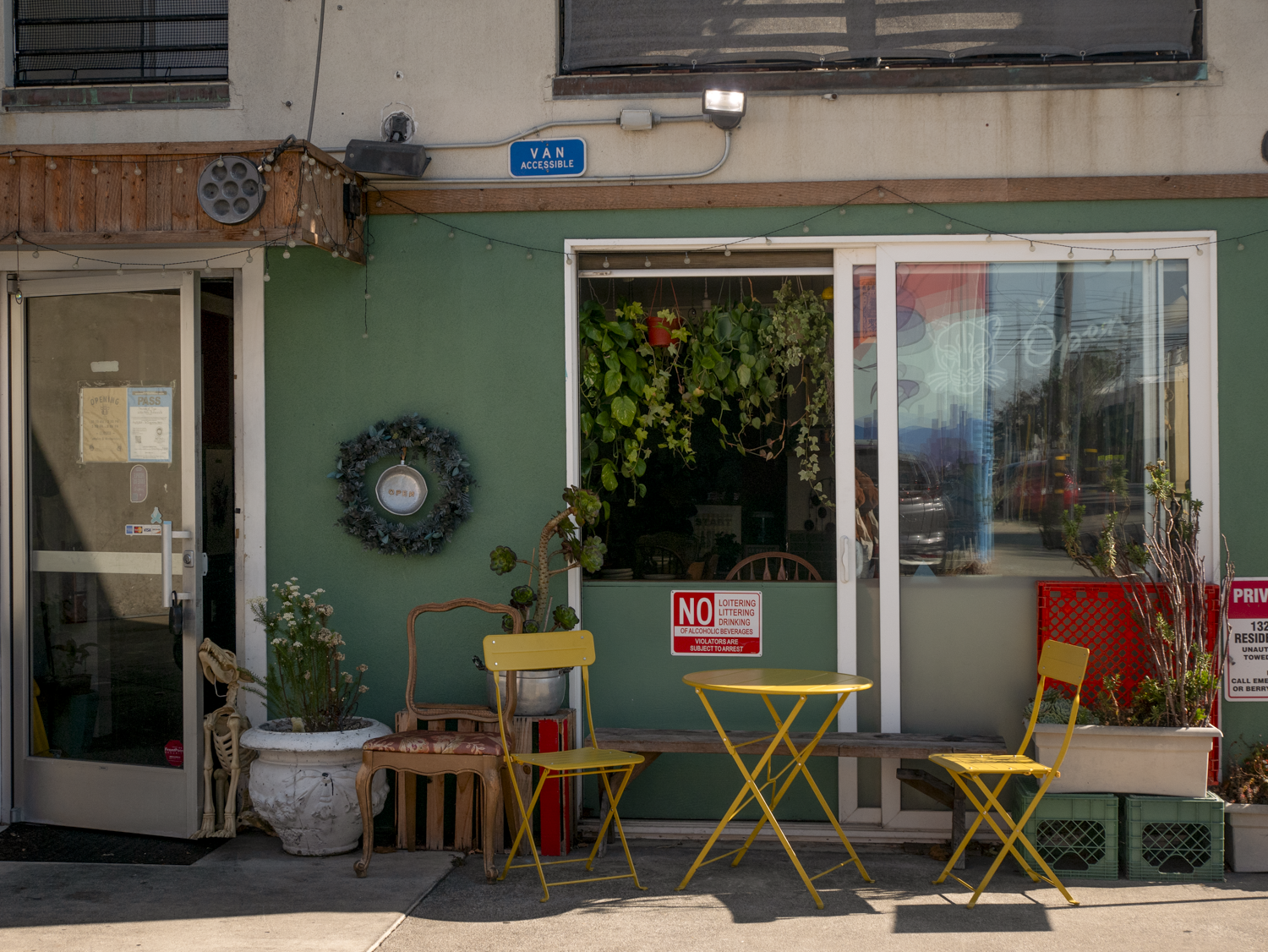
The stories Professor Wanek told us about businesses that had disappeared throughout the years and new buildings that sprouted up, as well as the experiences of people we met along San Pablo Avenue, inspired me to pay attention to the small, local businesses of San Pablo. I was also inspired to focus on the working class people that made each city. I took note of how each town may have changed or was in the process of changing. Noah Bustin’s “Life Along Berkeley's San Pablo Avenue, Through the Lens of 6 Small Businesses,” which was an assigned listening article before our Berkeley trip, also pointed me in this direction. Bustin’s interviews with different business owners to try to understand their backgrounds stuck with me. During the trip following this reading, we tried to visit some of these locations and had conversations about those that had closed or moved locations, reflecting on how San Pablo continues to change and the reasons why. From rising rents and being priced out, not being able to compete with big box stores and online shopping (like Amazon), or giving up on dreams of going to medical school, it was bittersweet to see.
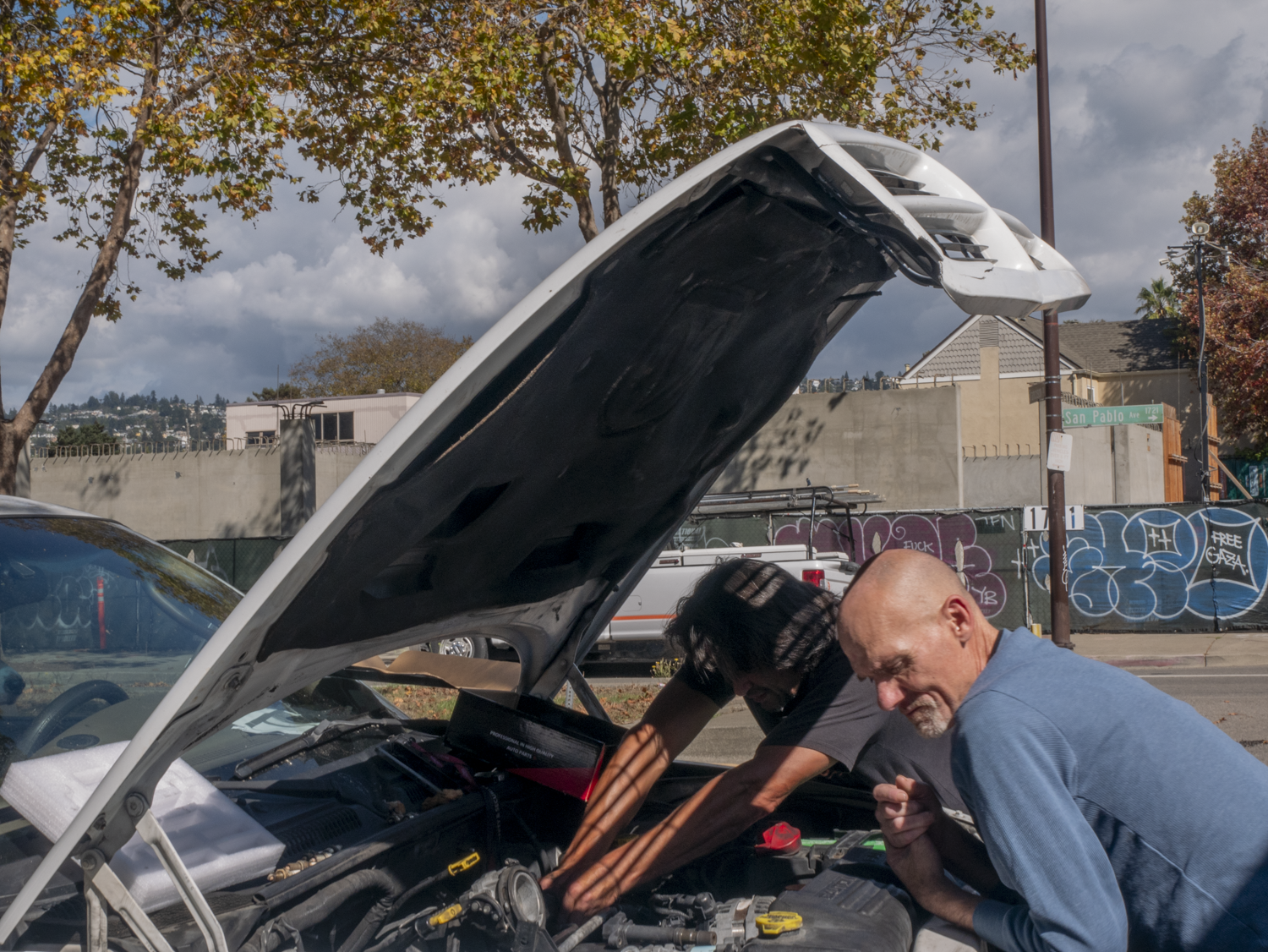
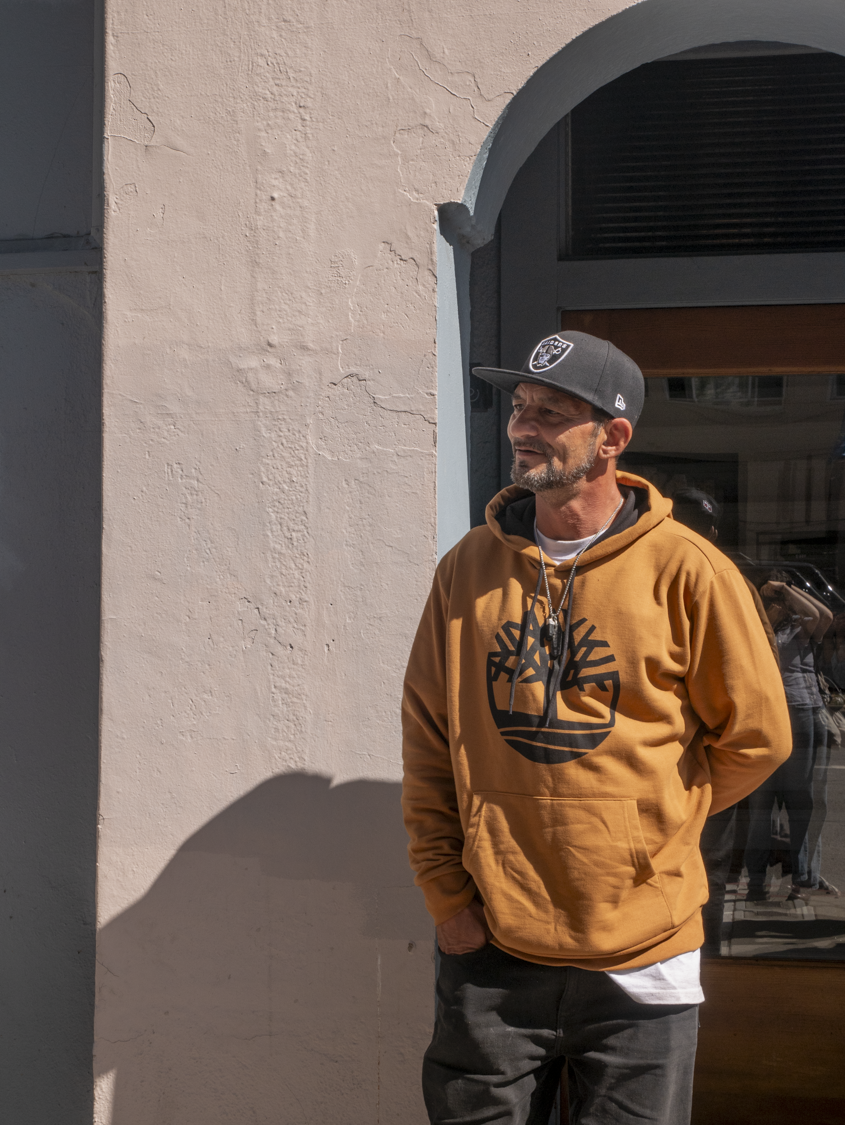
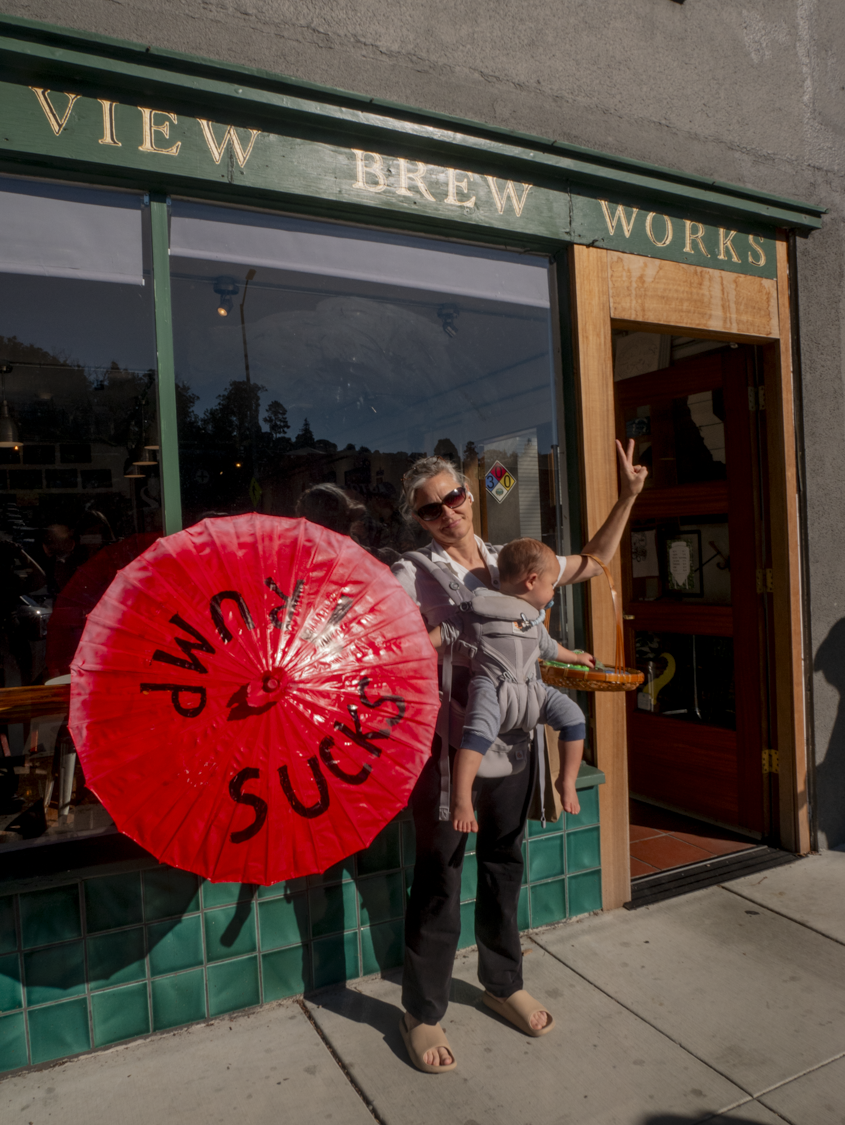
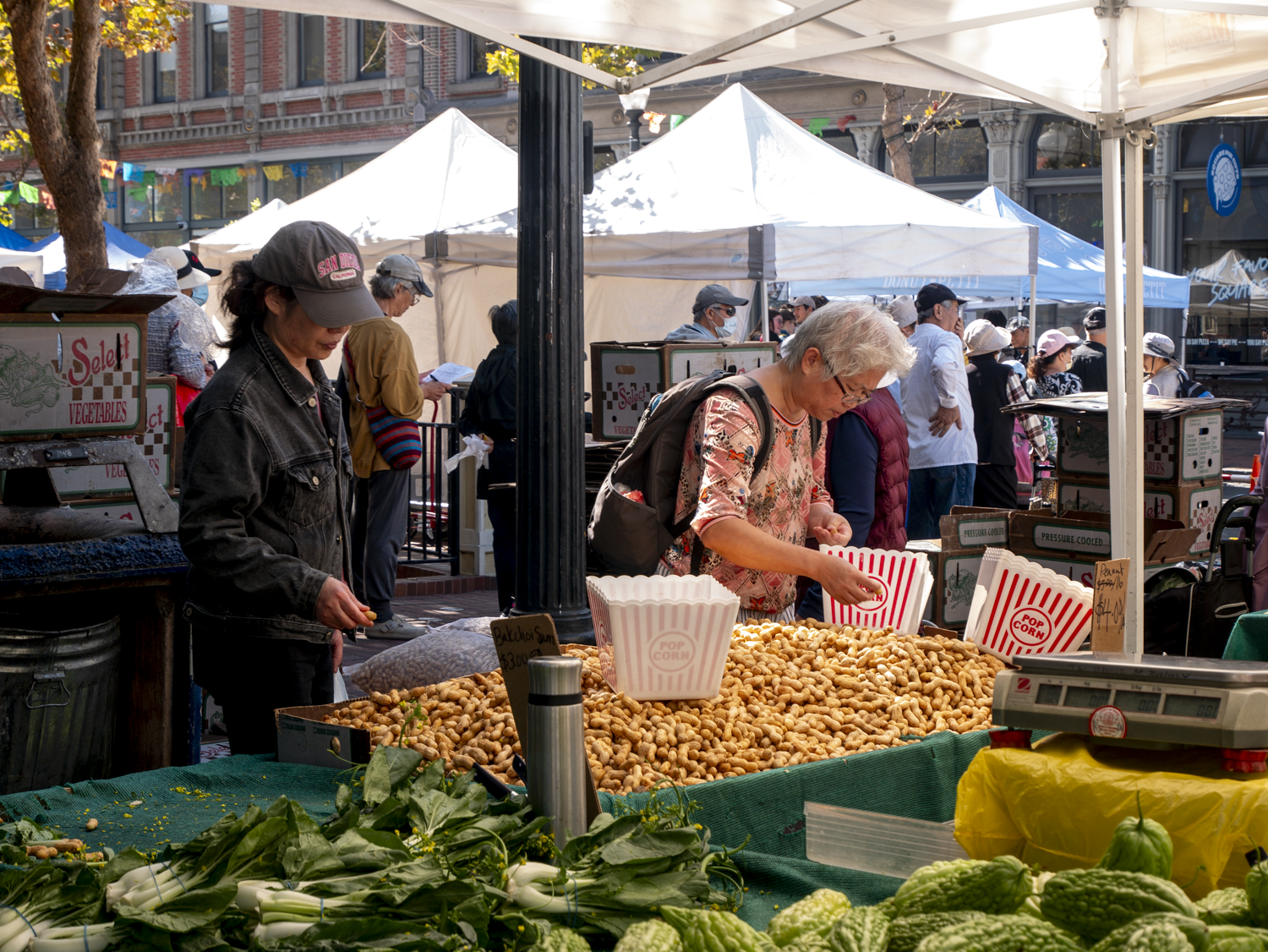
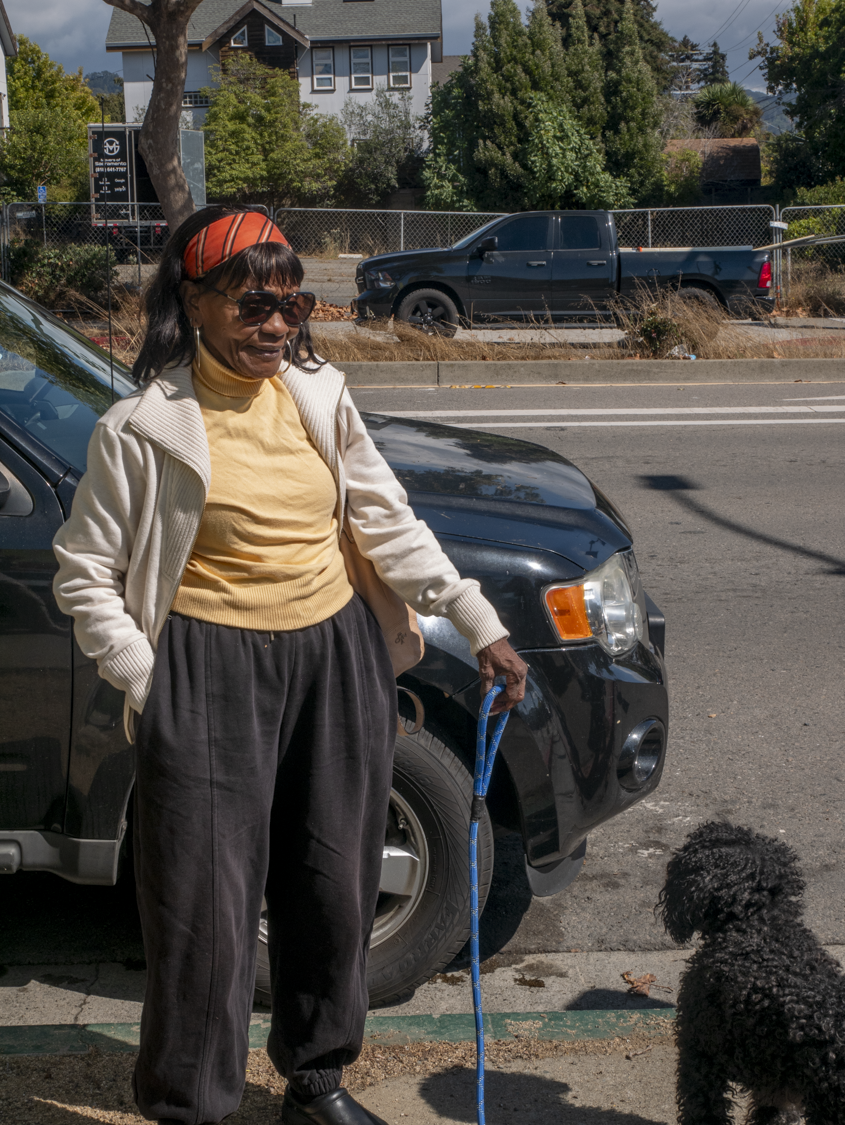
Traveling San Pablo Avenue, I felt especially connected to members of the Latine community, whether that be people we talked to or the community institutions we walked past. Small ethnic grocery stores, which we saw more of in places like Richmond and El Cerrito, reminded me of going to similar shops as a kid with my family. We lived in an East Bay rural suburb and would travel an hour to places like Oakland and Richmond to go shopping for cultural items, such as loose yerba mate leaves and alfajores. The farmers market in Oakland, as well as the many street vendors we came across, made me think of the Latine community I grew up around and the struggles minority, especially immigrant, populations go through to survive. Being the daughter of immigrants and low-income, I thought of all the other low-income immigrants that did “side hustles" to make ends meet. However, new experiences on San Pablo also made me feel connected to the people and the street. I felt the most connected to San Pablo when we interacted with people along the stretch, such as the girls I took a photo of in Albany, who posed with peace signs waiting for one of us to snap a shot of them, or when we stopped to talk to the brothers in Emeryville who shared their story of moving from the East Coast to the West Coast when they were younger. I took a photo of one of them next to their truck, although it’s not in my final forty images. Many of the images I took of people we stopped and talked to, or that we had a moment with, are not some of my best images. Sometimes, I did not even get a photo of them. However, these were still the most enriching moments, revealing more about San Pablo than photographs ever could.
I gained a lot of skills while taking this class, both technical and soft skills. I have noticed that I have gotten more comfortable with the camera during my time in this course. It took me a long time to get used to the settings and understand how to use it. Even something as simple as focusing was difficult for me, however, I noticed on our last trip that I was finally able to focus on what I wanted. This demonstrates the growth I made throughout the year and how much more used to the camera I got. In addition, I am glad that I was able to learn Lightroom Classic. I remember the first day we learned to edit, I had to ask Avery for help when darkening the blacks and upping the shadows because I was unsure on how it should look. Now, as I got more comfortable with the program, my editing got more consistent and intuitive.
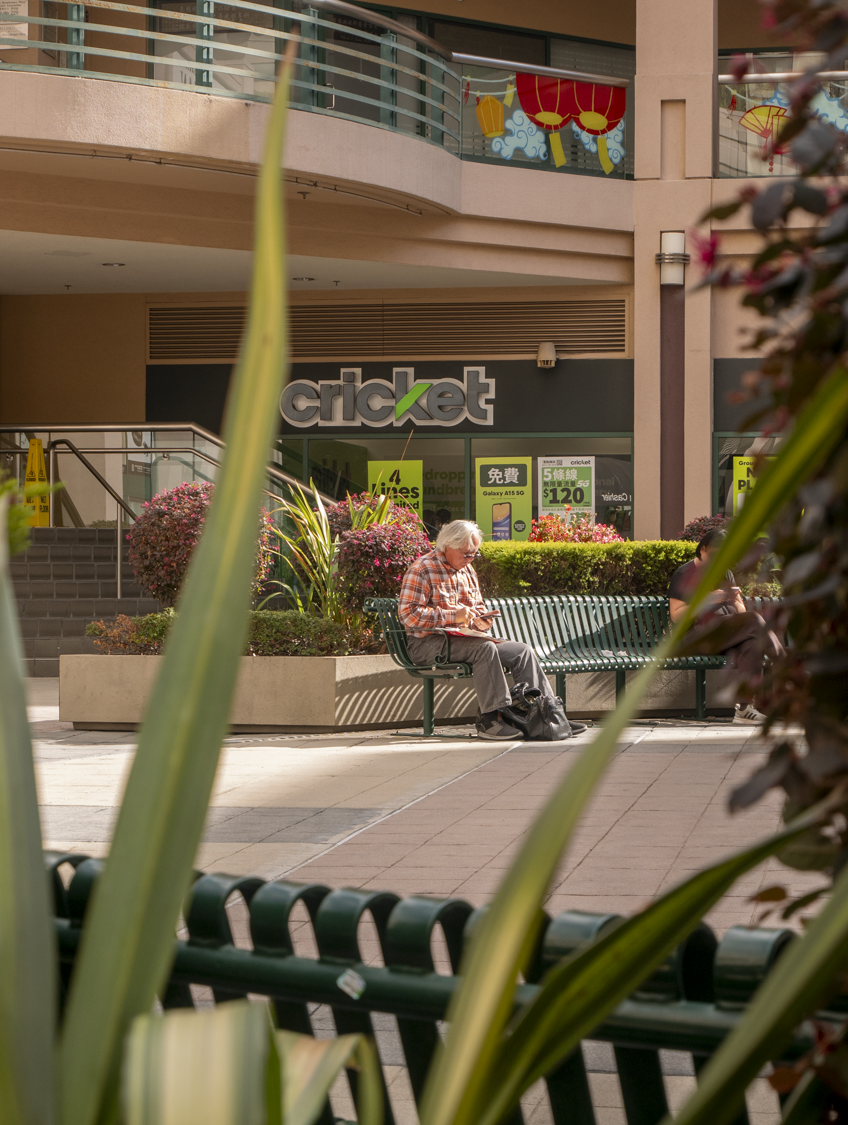
My knowledge also expanded throughout the course. I was visiting places I was familiar with as an East Bay native, but viewing these towns through a different, more analytical lens. Working class communities and spaces are the most important parts of San Pablo. Although as students we usually only think about San Pablo Avenue as the parts of Oakland, Berkeley, and Albany, this class has highlighted the street outside of these cities and this perspective. It also made apparent the distinctions between classes that exist along the route. Brandi Summers described Oakland, which is along San Pablo, as "two co-constitutive publics – a segregated, decaying city mostly inhabited by poor and working-class Black and Latinx residents and laborers, and a modern, prosperous, neoliberal city that caters to a privileged class of white residents and tourists – especially as the city grappled with the management and regulation of public space in the midst of a global pandemic. This was present through most of the road all along the bay, with higher income houses looming from the hillsides onto poor, minority communities. Going through San Pablo with the goal of wanting to capture the working classes communities that inhabit it, as well as the gentrification of the environments and the contrasts between high and low-income neighborhoods, I saw the street as more dynamic than I would have previously. This has continued as I go through my day-to-day life, even outside San Pablo. In a way, the course has given me “people watching” skills, noticing the things in between and the quiet moments, like someone sitting and smoking during a lunch break, or having a quick chat with a classmate.