Precarity Meets Placemaking by Ethan Radley Bungay
My body of work foregrounds the dialectical nature of space and the geographies of encounter, intervening in discourse around questions of reflexivity and environmental justice. In doing so, this sequence of photographs has several goals. The first is to depict San Pablo Avenue not within a paradigm of conflict, but rather through the lens of radical placemaking and place-based community action. The second is to engage in debates concerning traditional research. What are its limitations? How might a creative non-fiction project like “On San Pablo Avenue” address the fundamental issues, both theoretical and applied, of the way in which geographical research is conducted, and what ways might it fall short? The final goal is to then propose a new and counter-hegemonic framework for understanding environmental justice, one that reinforces collective stewardship and agency.
It is widely understood that San Pablo Avenue has tremendous historical and contemporary significance to the eastern region of the San Francisco Bay Area. It is a major thoroughfare spanning two counties–Alameda and Contra Costa–across a twenty-three mile stretch. Among its most interesting and defining characteristics is the variation in land use, population, and scale that is present both within the interiors of the cities it passes through and across the seven municipalities along the corridor. Notably, an ongoing issue that has been particularly pervasive for the entirety of San Pablo Avenue is the safety of pedestrians and bicyclists, who have been vulnerable to dangerous conditions as a result of the street’s traffic design. Between 2008 and 2013, approximately 150 bike collisions occurred, as well as dozens of pedestrian and cyclist injuries, and several fatalities (The Oaklandside, 2022). Subsequent research indicated that low-income households, communities of color, and people over the age of 75 disproportionately live adjacent to the corridor (The Oaklandside, 2022).
This empirical information brings to the forefront the issues of equity on San Pablo Avenue, which my work interprets as environmental justice issues within the built urban landscape. In the cities of Oakland and Berkeley, for instance, uneven development in relation to systematic gentrification and displacement is visible. Post-war deindustrialization, freeway construction, neoliberal policy shifts, among other events destabilized the working-class and laid the groundwork for the emergence of modern-day gentrification in Berkeley and Oakland. It is important to note that more generally, gentrification and neighborhood revitalization are often racialized processes insofar as communities of color have been most prone to their impacts. Environmental justice issues have been prevalent in other cities of San Pablo Avenue, including industrial suburbs like Richmond, where a Chevron refinery is sited. Chevron’s operations have produced significant health burdens due to environmental pollution and contamination, emanated by a number of documented regulatory violations and noncompliant operational practices at the refinery. These events concerning environmental public health also embody a racialized dimension, as the population of Richmond is predominantly people of color.
In her analysis of Oakland, Brandi T. Summers argues that the city is shaped by two interwoven publics: a neoliberal and sanitized city that serves white residents, and another that is decayed and perpetuates the oppression of working-class Black and Latinx communities (Summers, 2022). Her interpretation articulates the dialectic of space and the geographies of encounter, underscoring that although space is often contested, paradoxical, and unequal, all residents inhabit the same physical environment. The objective of my work is to foreground this idea and extend it to the broader San Pablo Avenue and East Bay Area. While I have referenced several environmental justice struggles along the corridor, my intention is not to characterize San Pablo Avenue through the lens of such conflict, but to visually showcase the way in which individuals have maintained a robust sense of place amid an era of growing precarity.
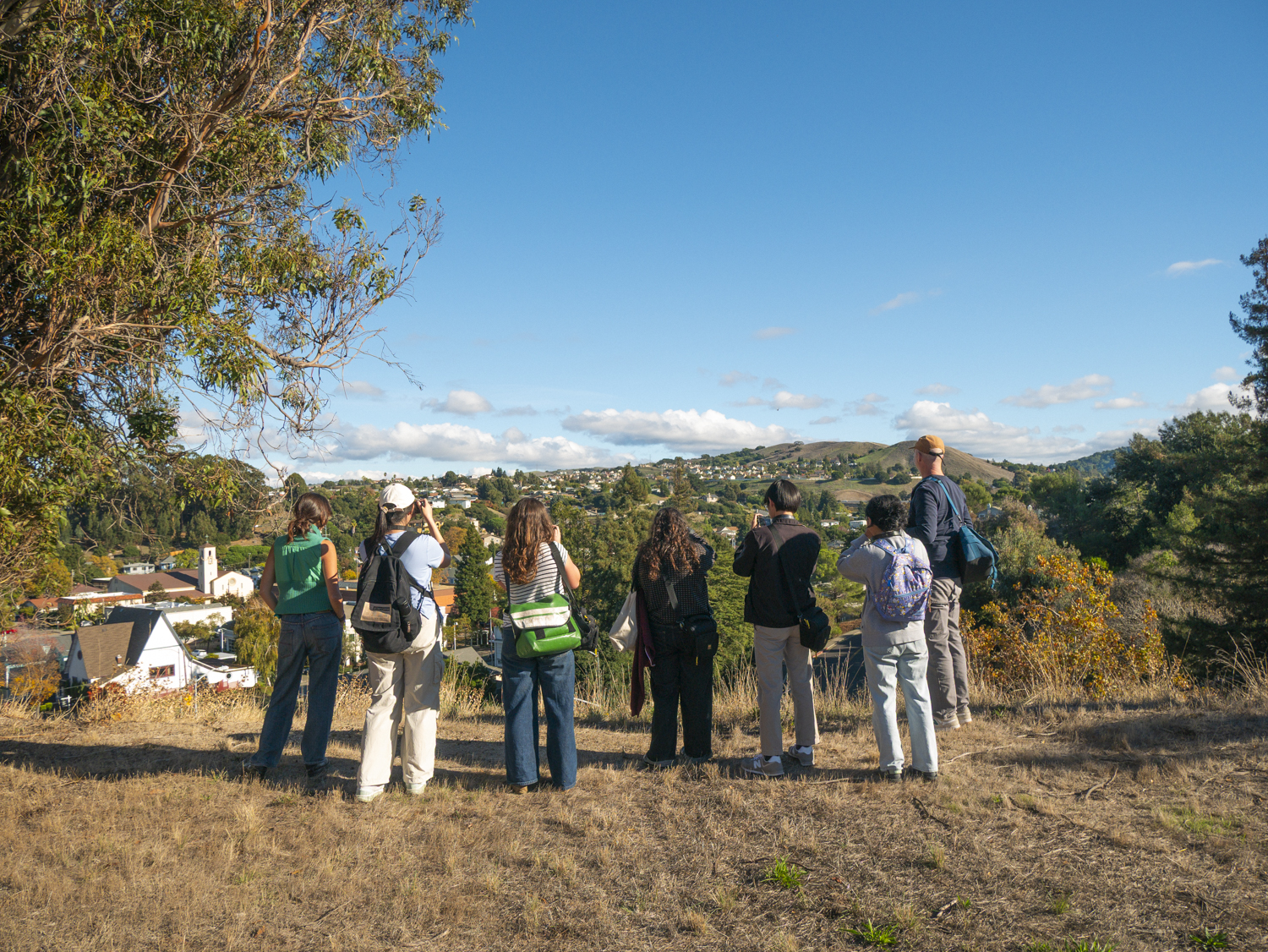
The first part of my photographic process largely involved recognizing my positionality. Although community-based scholarship seeks to mitigate the separation between the researcher and those being researched, it often retains an extractive logic and inadvertently reproduces a dynamic of power asymmetry. In an effort to resolve these intrinsic issues, my priority became to engage meaningfully with the people of the built environment, rejecting developing the practice of blindly photographing with limited context. In the field, I humbly positioned myself as a visitor who sought to not only observe but to actively participate in the landscape, always remaining critical about when and where it is appropriate to press the shutter. I was also intentional about composition, ensuring that all corners of my image reflect the way I wish to depict life on San Pablo Avenue. And in several instances, I paused photographing, instead taking several minutes to observe, both visually and sonically, and converse with my peers and the individuals who live and work on San Pablo Avenue. In this sense, I was a geographer first and a photographer second. Additionally, throughout the course I captured several photographs which featured my peers in the process of actively taking photographs. The purpose of this practice was to visually represent our positionality and instill reflexivity throughout the semester. The final image in my sequence adheres to this objective. It firmly emplaces the class against the backdrop of Pinole’s built environment.
In many ways, our class is, in fact, part of the landscape. Our imposition renders questions like “Why is San Pablo Avenue a site worth studying?” and “How can we use the camera to create a narrative that portrays life on the corridor in a new light?” By this logic, the insertion of a UC Berkeley course into the landscape is a living embodiment of the geographies of encounter and dialectic of space: we are interacting materially with the built environment and its inhabitants.
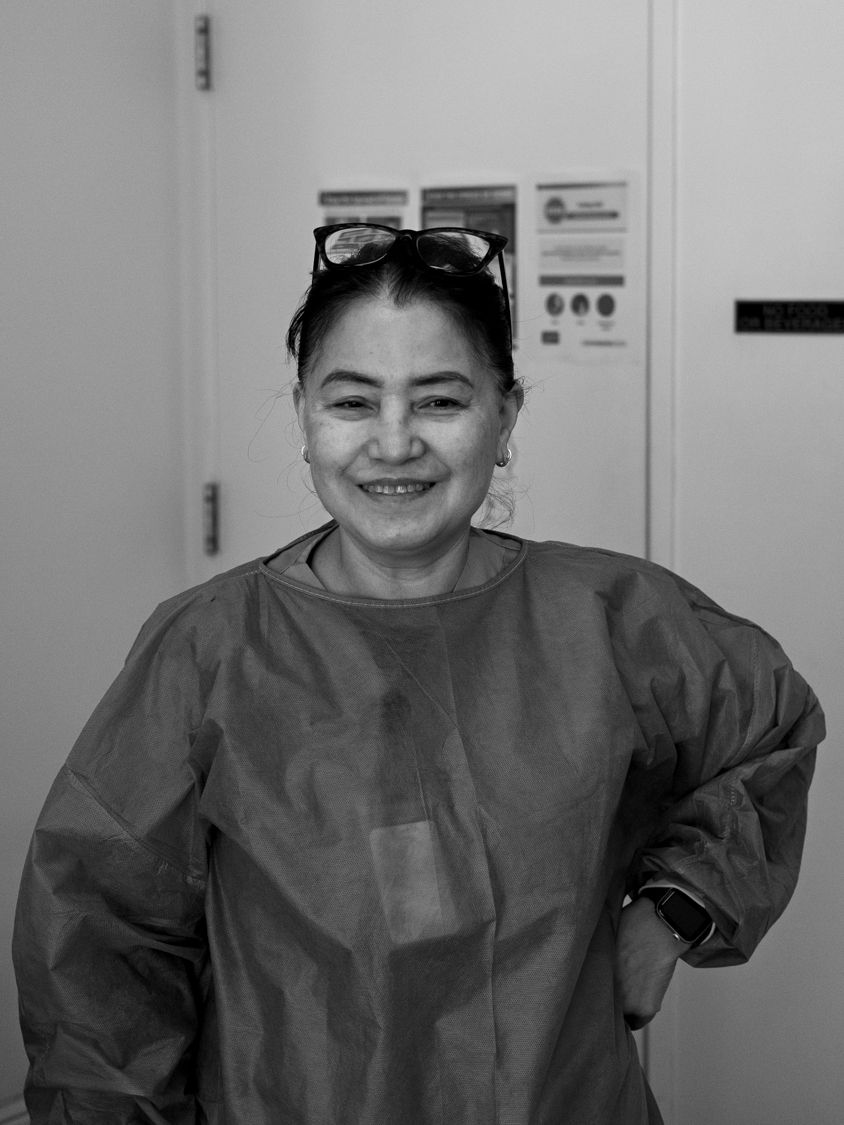
On San Pablo Avenue in El Cerrito, I greeted Lorna, the Filipino dental assistant I have been a patient of for nearly two decades who has become a cornerstone of my own Filipino community in the Bay Area. Prior to moving to Berkeley, I did not maintain residency in any of the municipalities along San Pablo Avenue, yet Lorna and I have consistently remained connected as members of the Filipino diaspora in the East Bay. The very nature of my connection to her is a testament to the way in which San Pablo Avenue connects people both physically and ontologically. In conversation with her, she explained why San Pablo Avenue remains important to her: it is where she has lived and worked for as long as she can remember. She vocalized that Dr. Yu, the owner of the clinic, has been her partner for decades, and that she will retire alongside him. Her story signals to the way in which notions of community are fostered on San Pablo Avenue, and how an individual’s daily acts, in this case work, can be heavily valued. El Cerrito Dental Care is immigrant-run, and both Dr. Yu and Lorna continue to speak proudly of their Burmese and Filipino descent. It will soon be passed along to Andrew, the son of Dr. Yu. In this respect, the longstanding community and sense of place cultivated on San Pablo Avenue are intergenerational and enduring. And the constraints of temporality have been transcended.
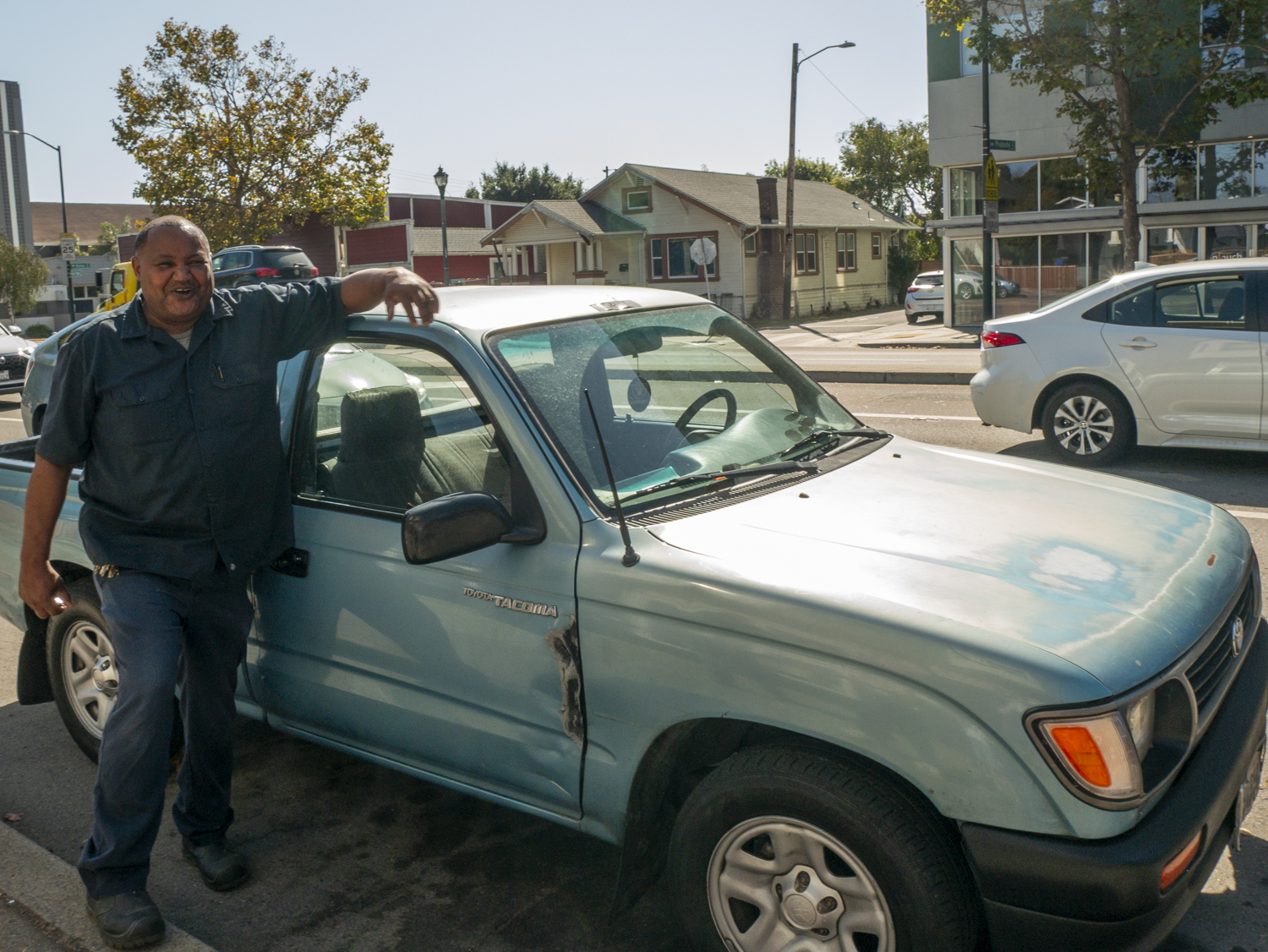
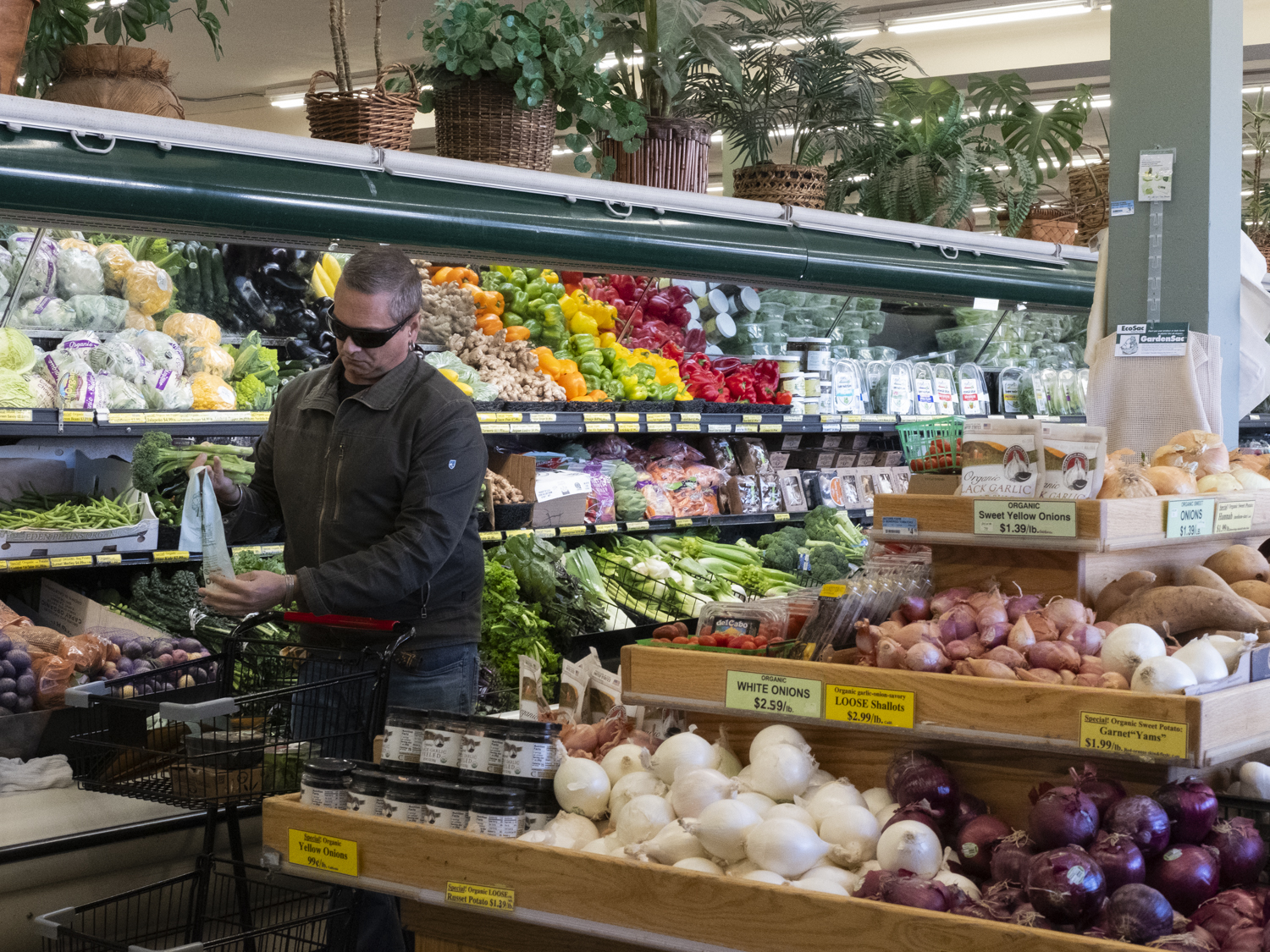
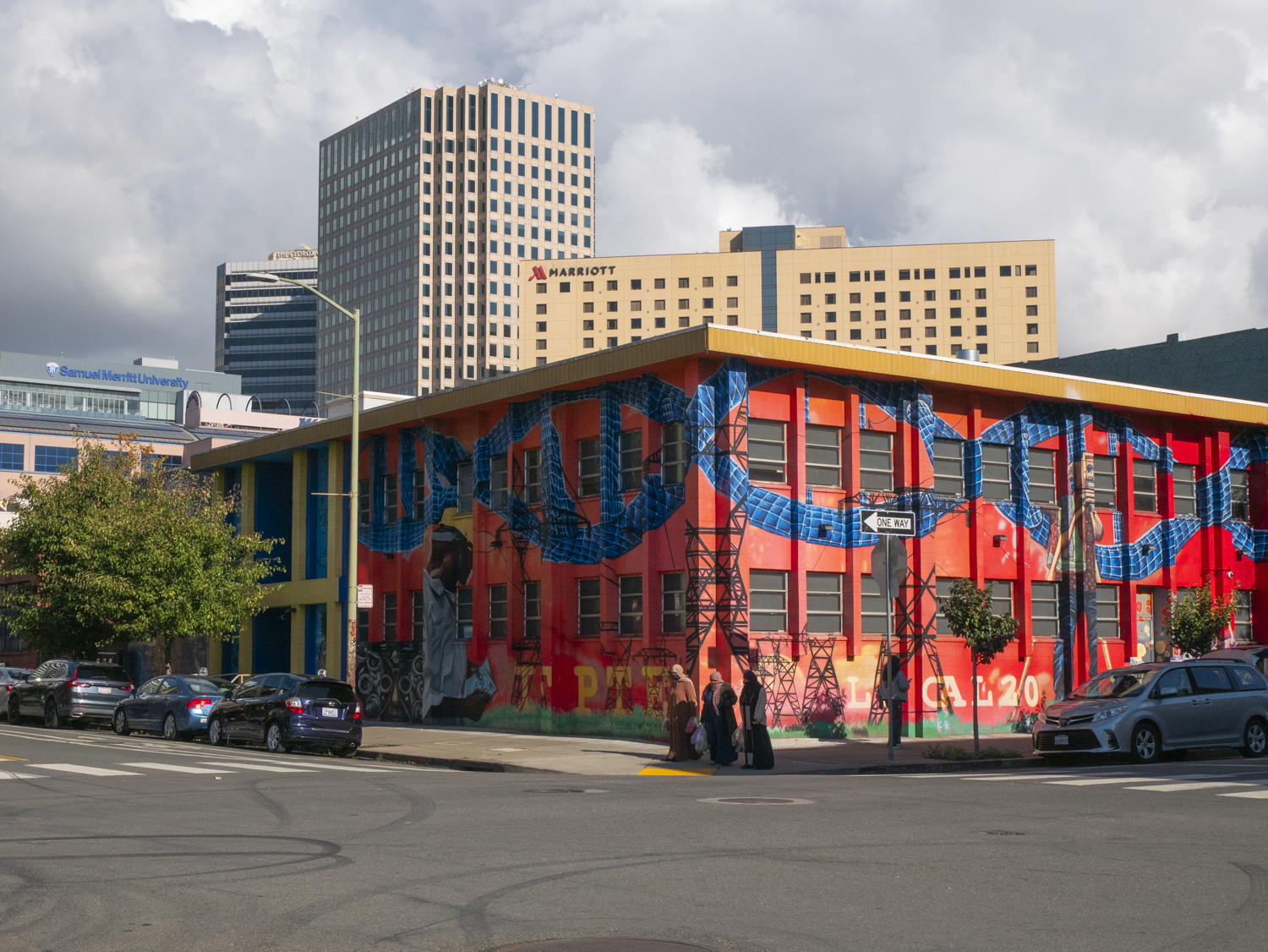
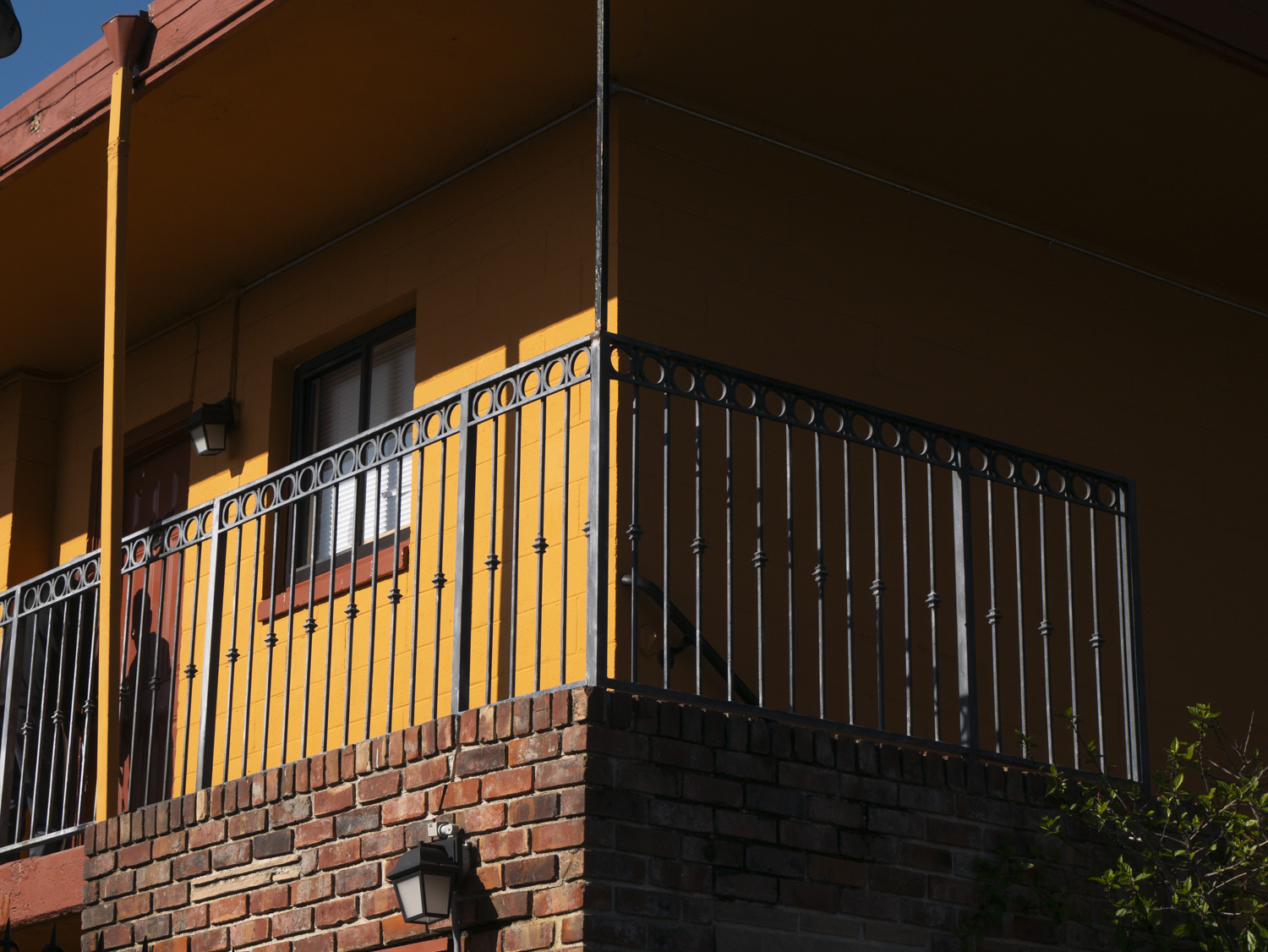
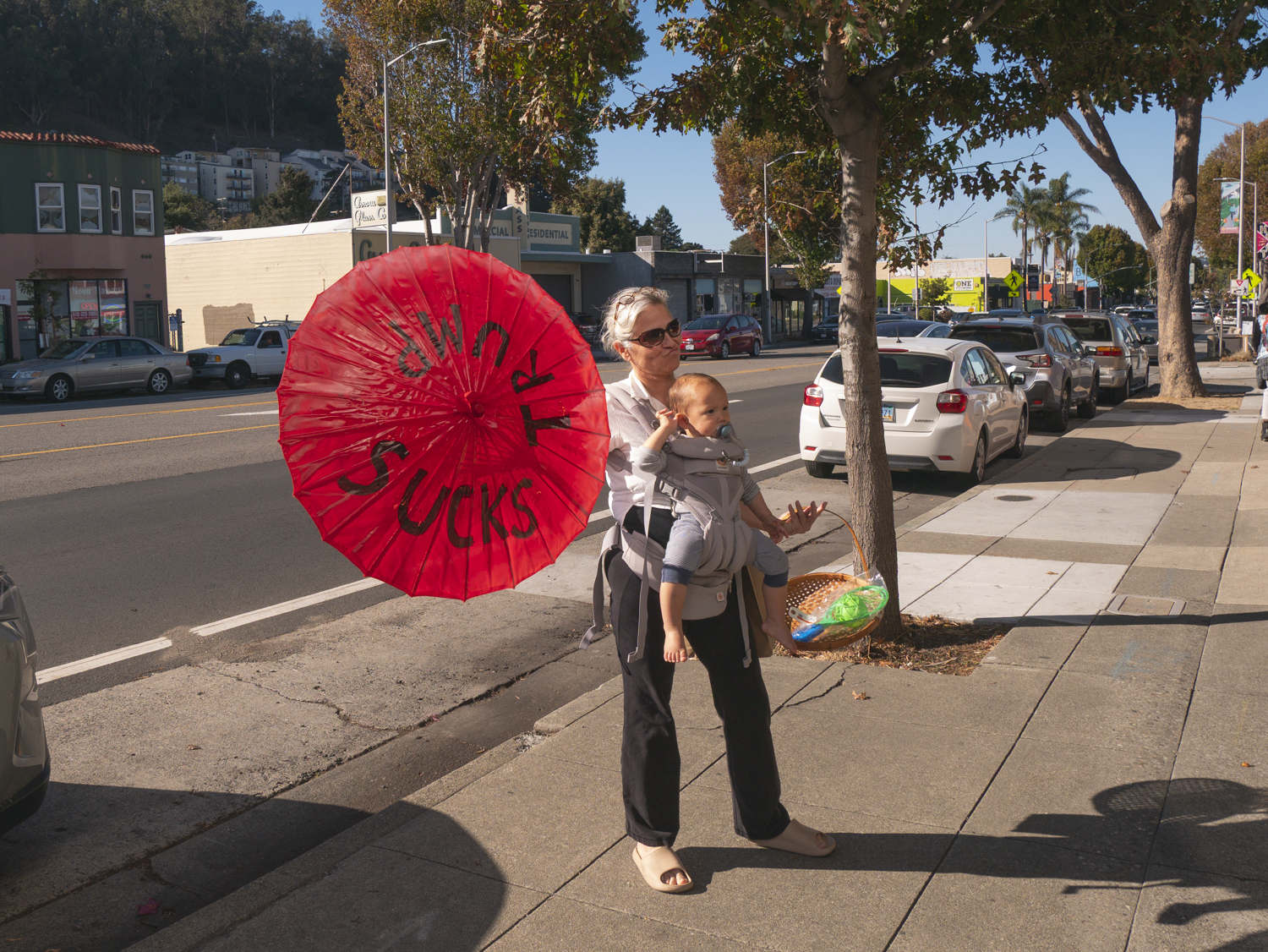
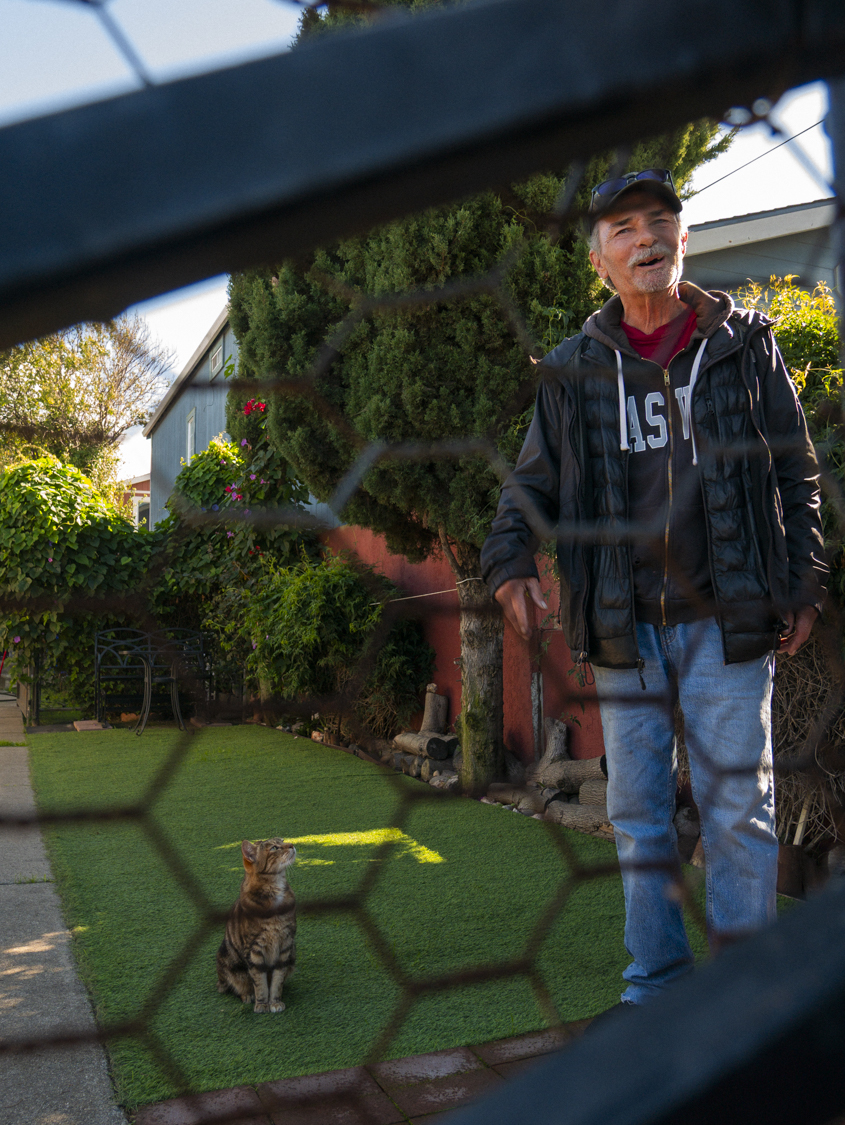
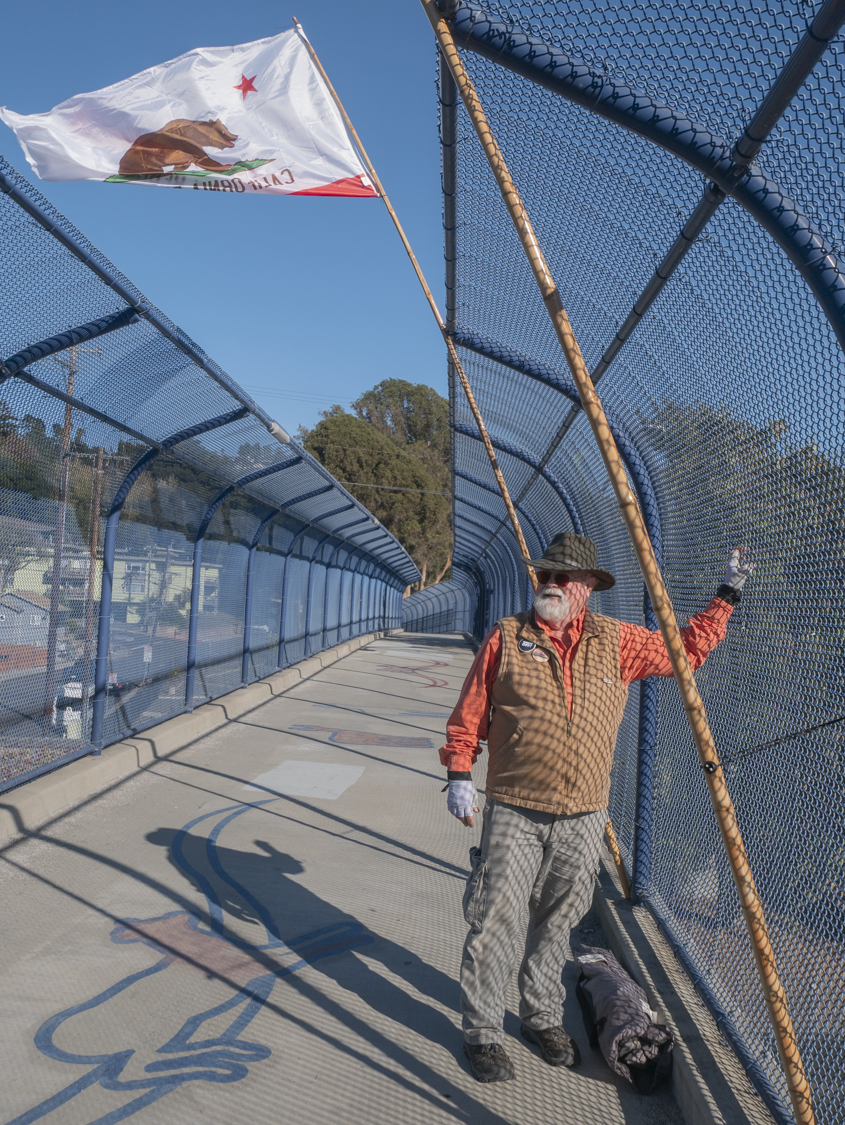
The openness of the diverse communities on San Pablo Avenue to willingly engage in conversation with the class is memorable. Individuals frequently exhibited genuine curiosity and eagerness to share their biography, followed by deep appreciation for the general objective of the project “On San Pablo Avenue” which is to legitimize the qualitative experiences of members in the geographical region. The sequence of photographs I have produced and curated seek to fortify these lived experiences. I was particularly drawn to capturing the daily activity and movement that is ostensibly routinization, yet carries profound significance. From a photograph of a woman protesting the Trump administration in Albany, to a portrait of a working-class man who has resisted efforts to displace him from Oakland, to images that highlight how individuals of different identities regularly encounter one another in the streets, these works collectively capture the complex character of daily life on San Pablo Avenue. This photographic sequence reveals how seemingly mundane scenes possess a unique capacity to reveal the conditions of the enacted environment and the way in which communities along the avenue consolidate their presence through activism, local business ownership, resource exchange, street art, and other practices.
My own experience in participating in the “On San Pablo Avenue” project has led me to rethink and challenge the hegemonic logics and epistemological foundations of academic research, in particular geographical scholarship. My body of work frames San Pablo Avenue and the lived experience of individuals through a new and non-traditional environmental justice framework. It is not one that constricts environmental justice research to merely understanding the past and current issues within the natural and built environment, but one that brings notions of placemaking, mutual aid, and visions for formal futures to the fore.
Acknowledgements
I would like to thank Joel Wanek for his invaluable guidance throughout this course, and I extend my gratitude to my peers for their intellectual insight and unadulterated support. I dedicate this project to the East Bay.




Absence as Presence
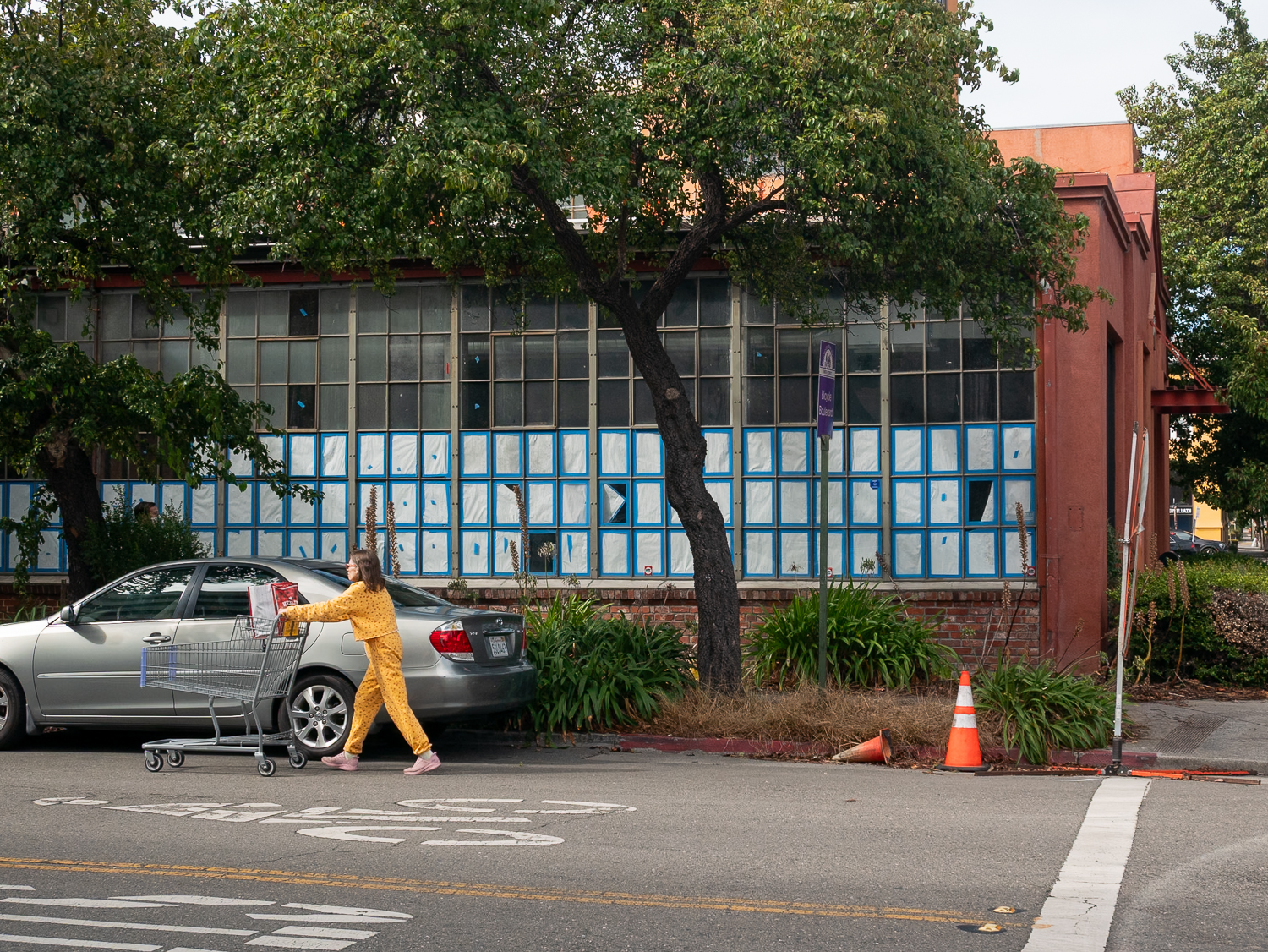
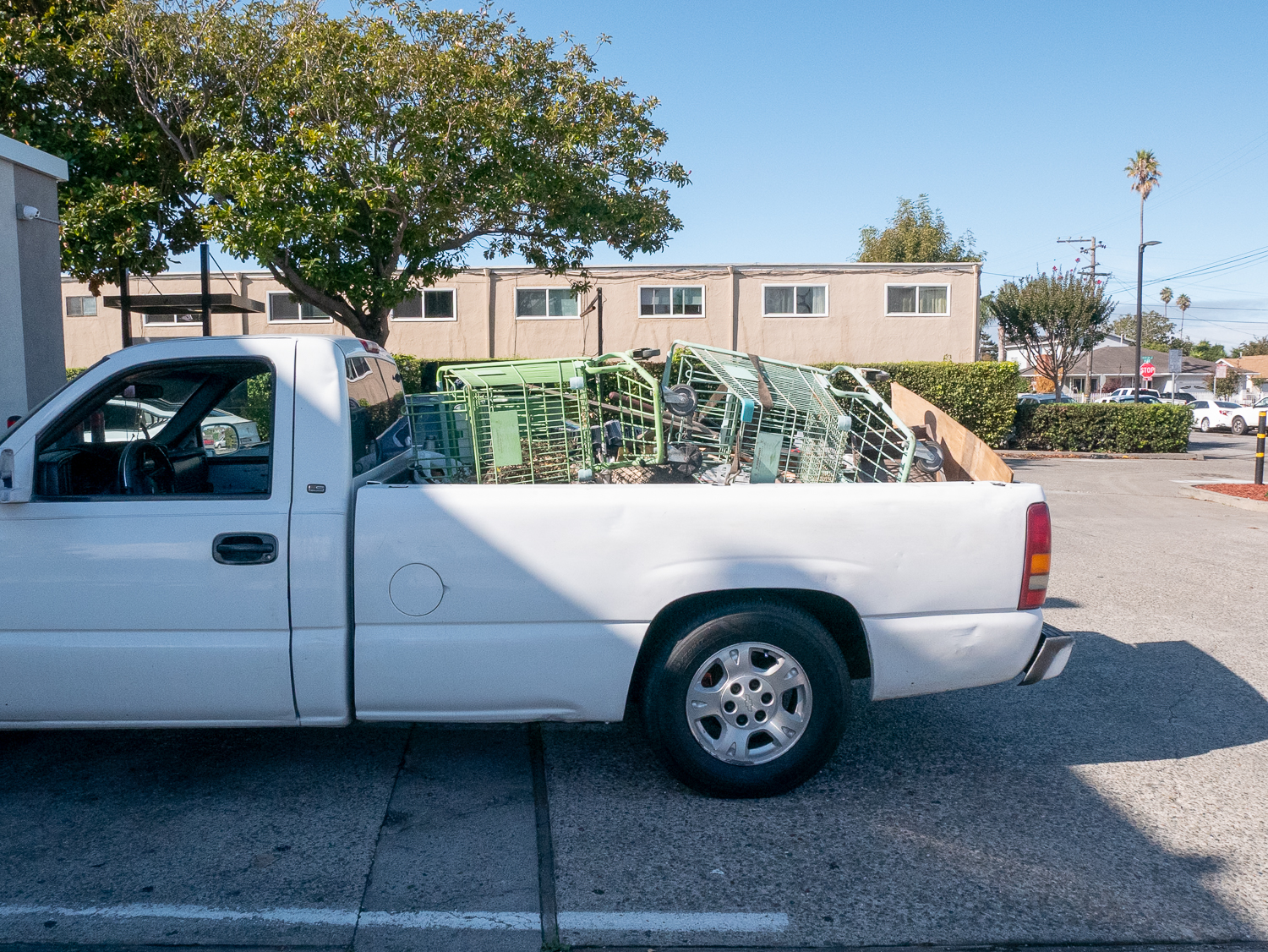
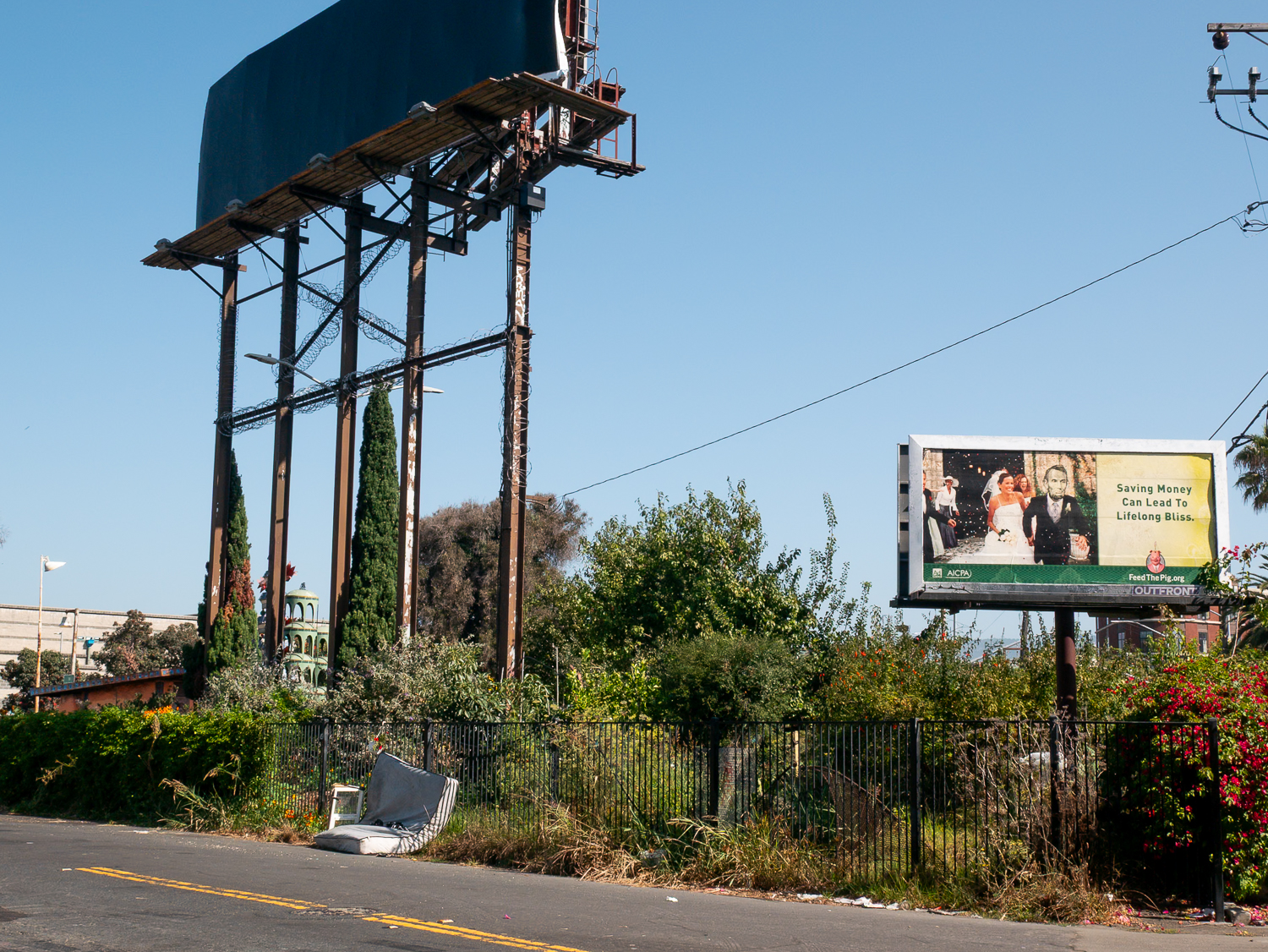
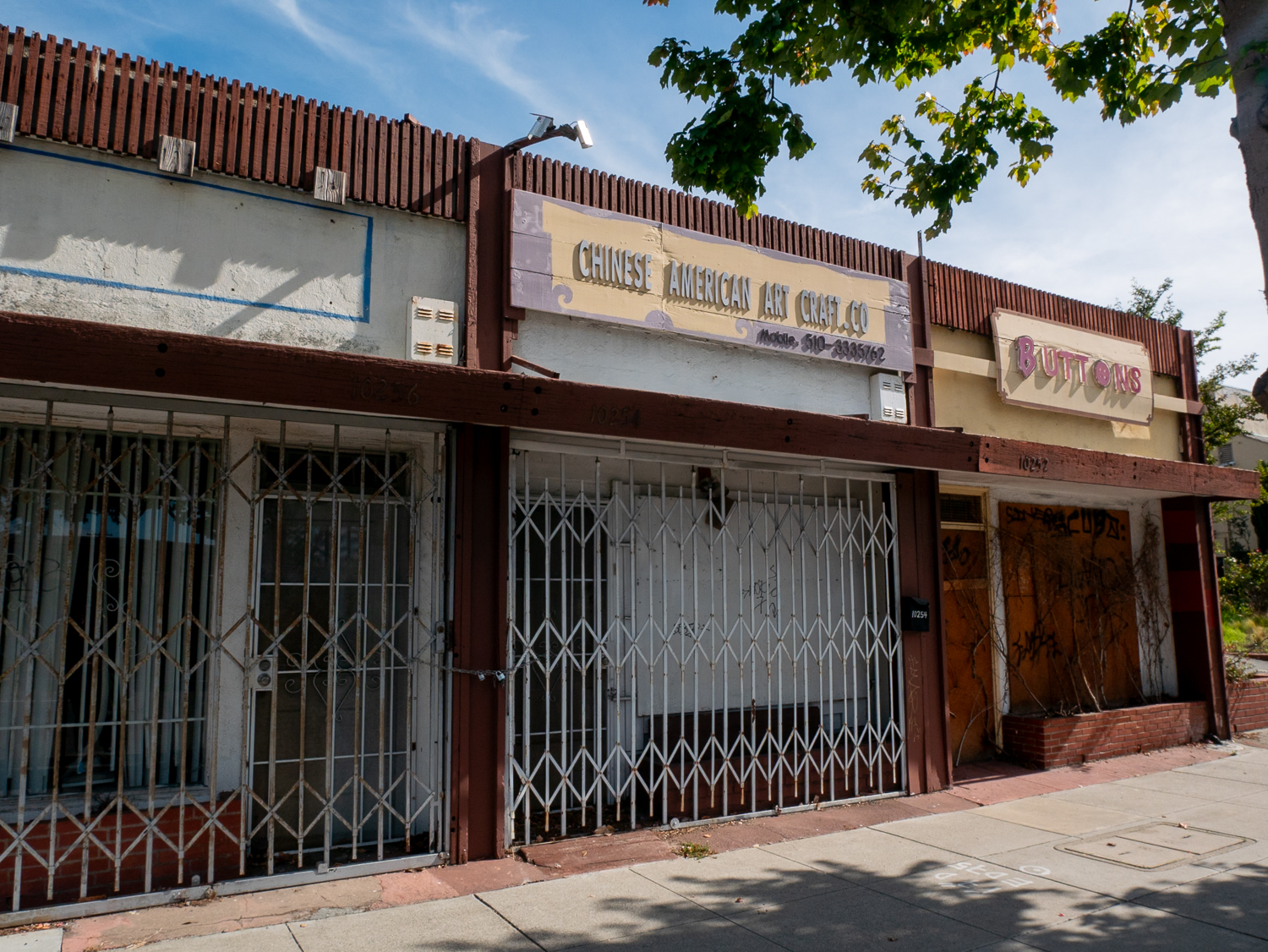
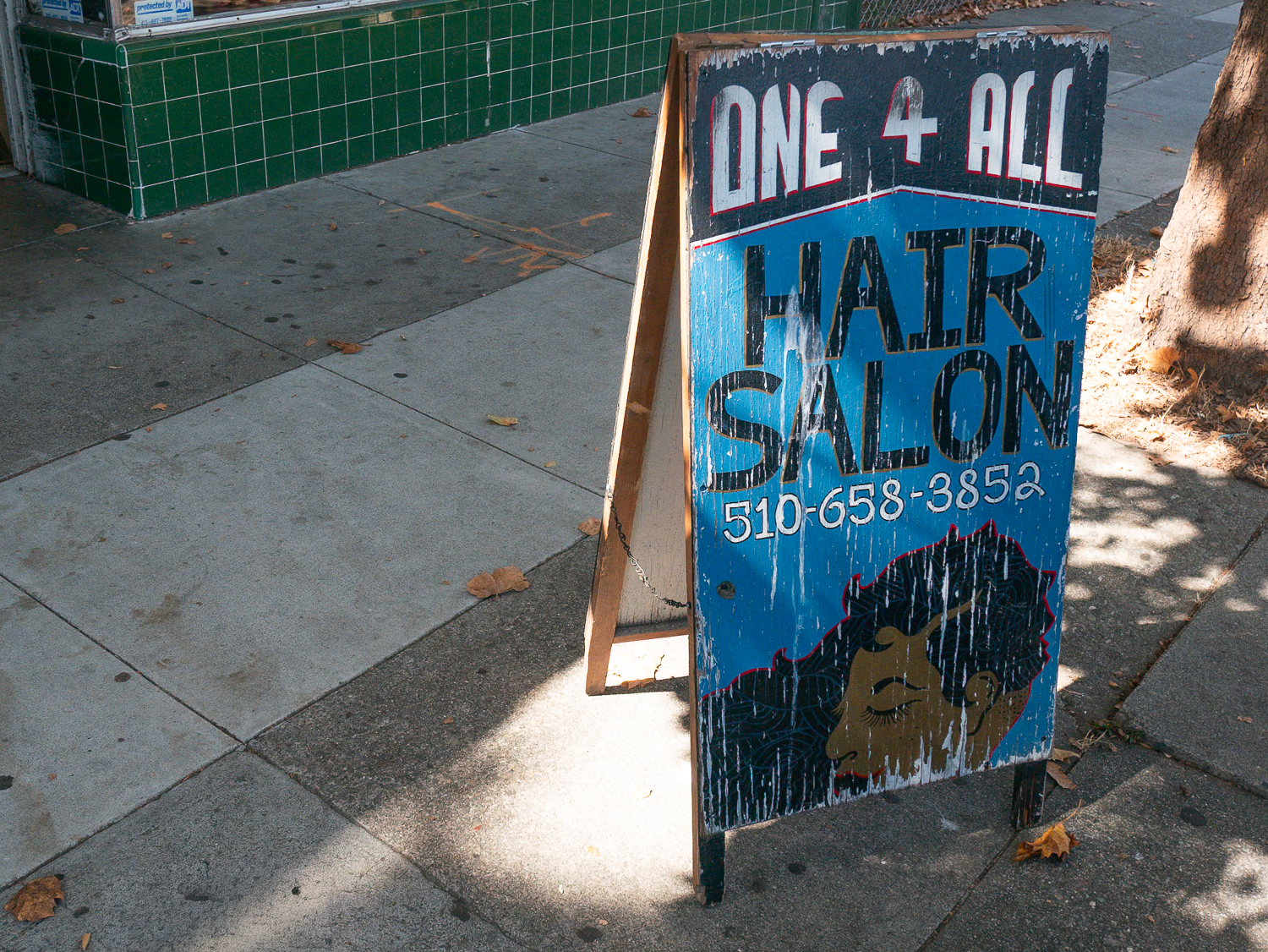
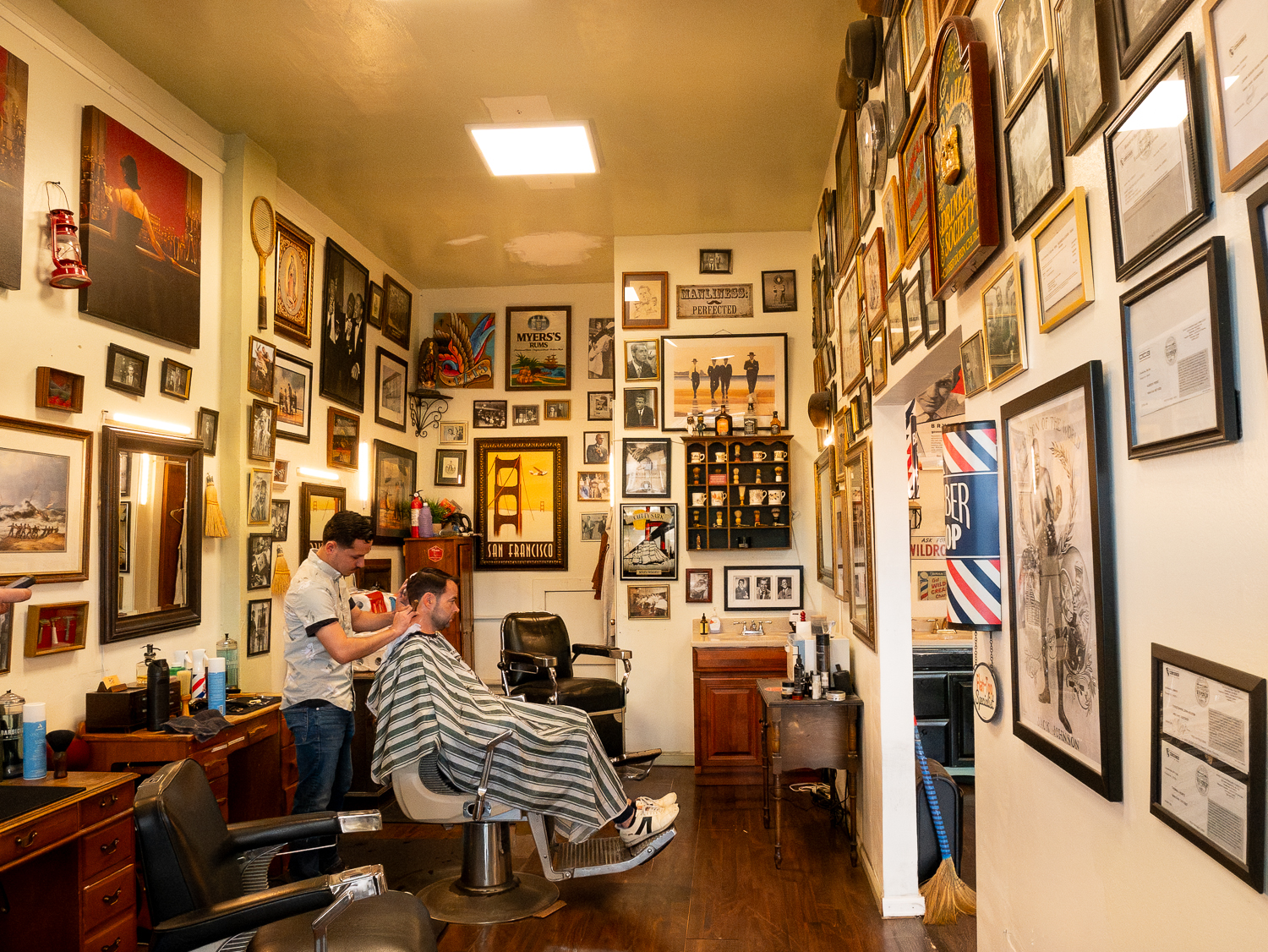
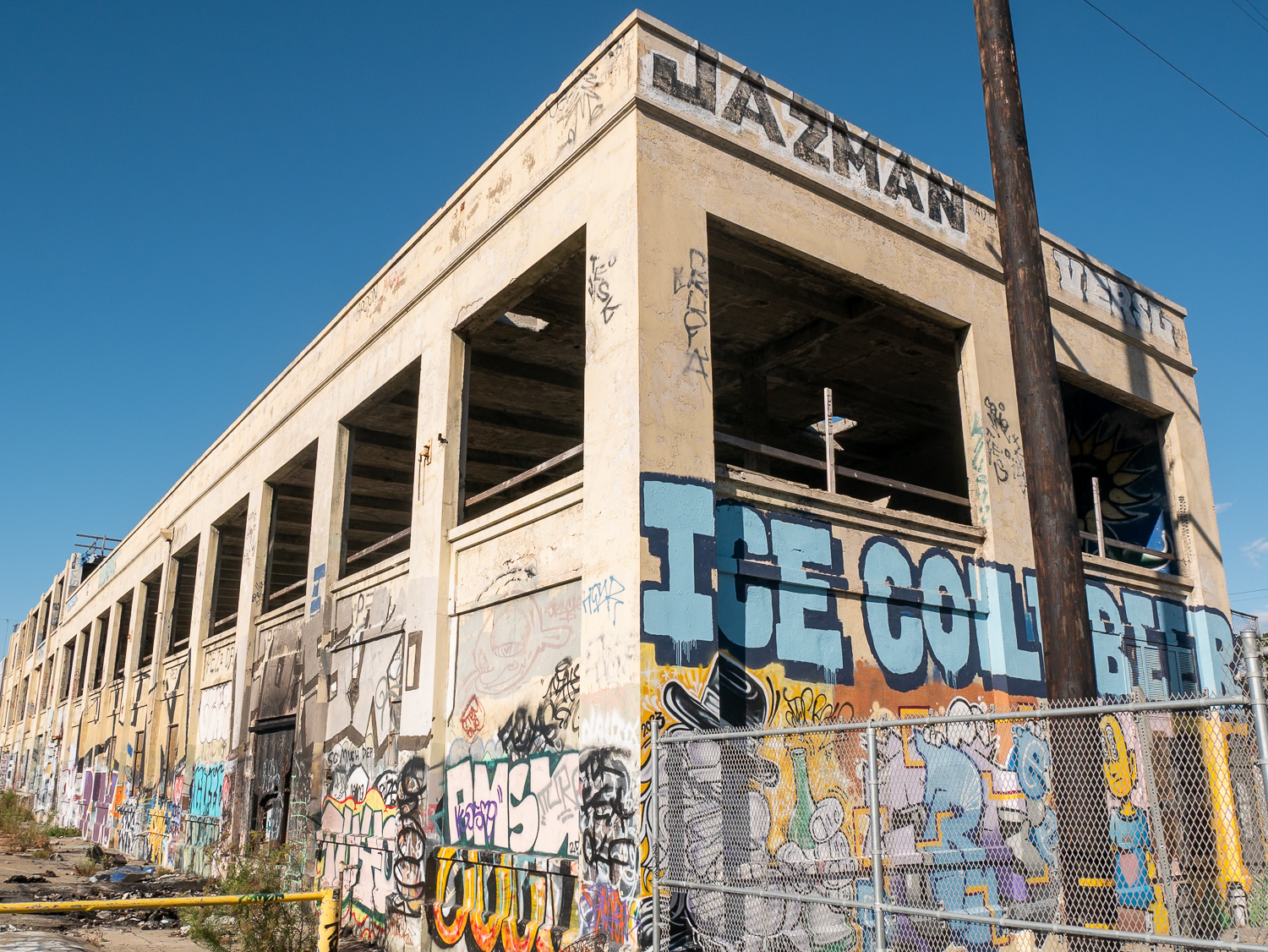
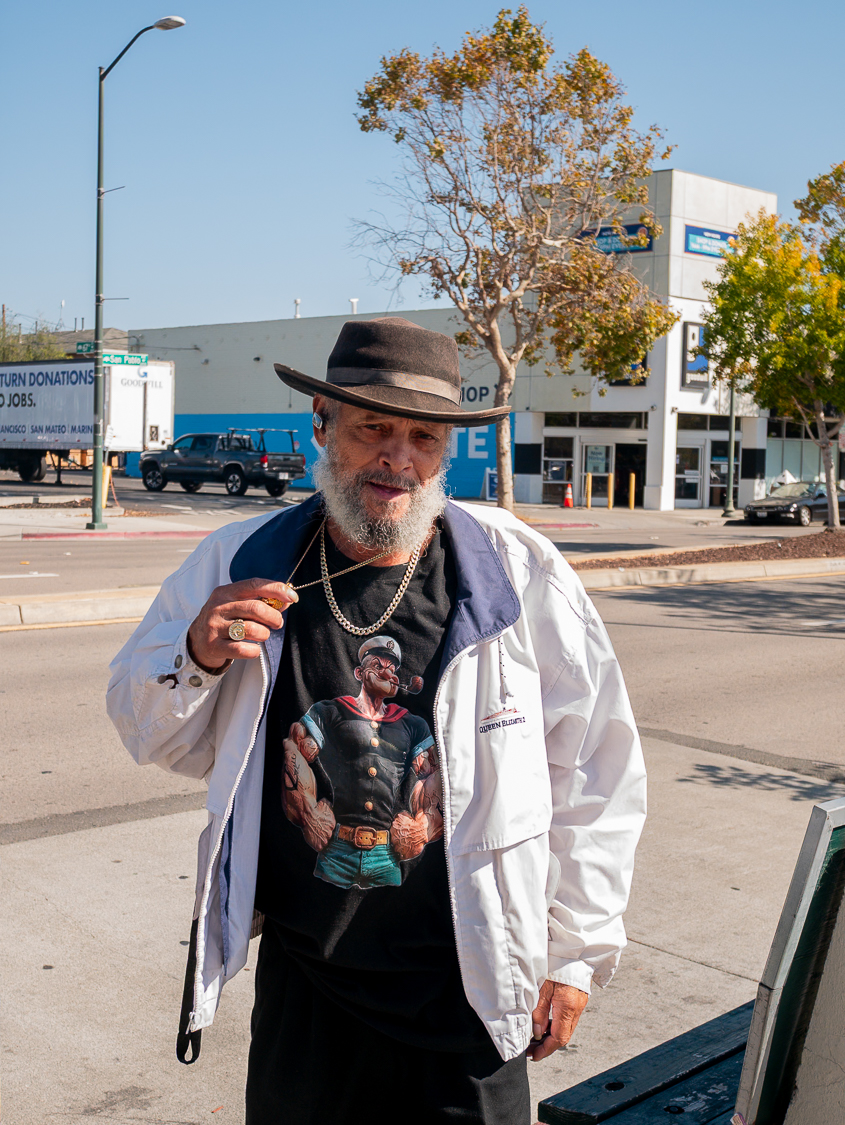
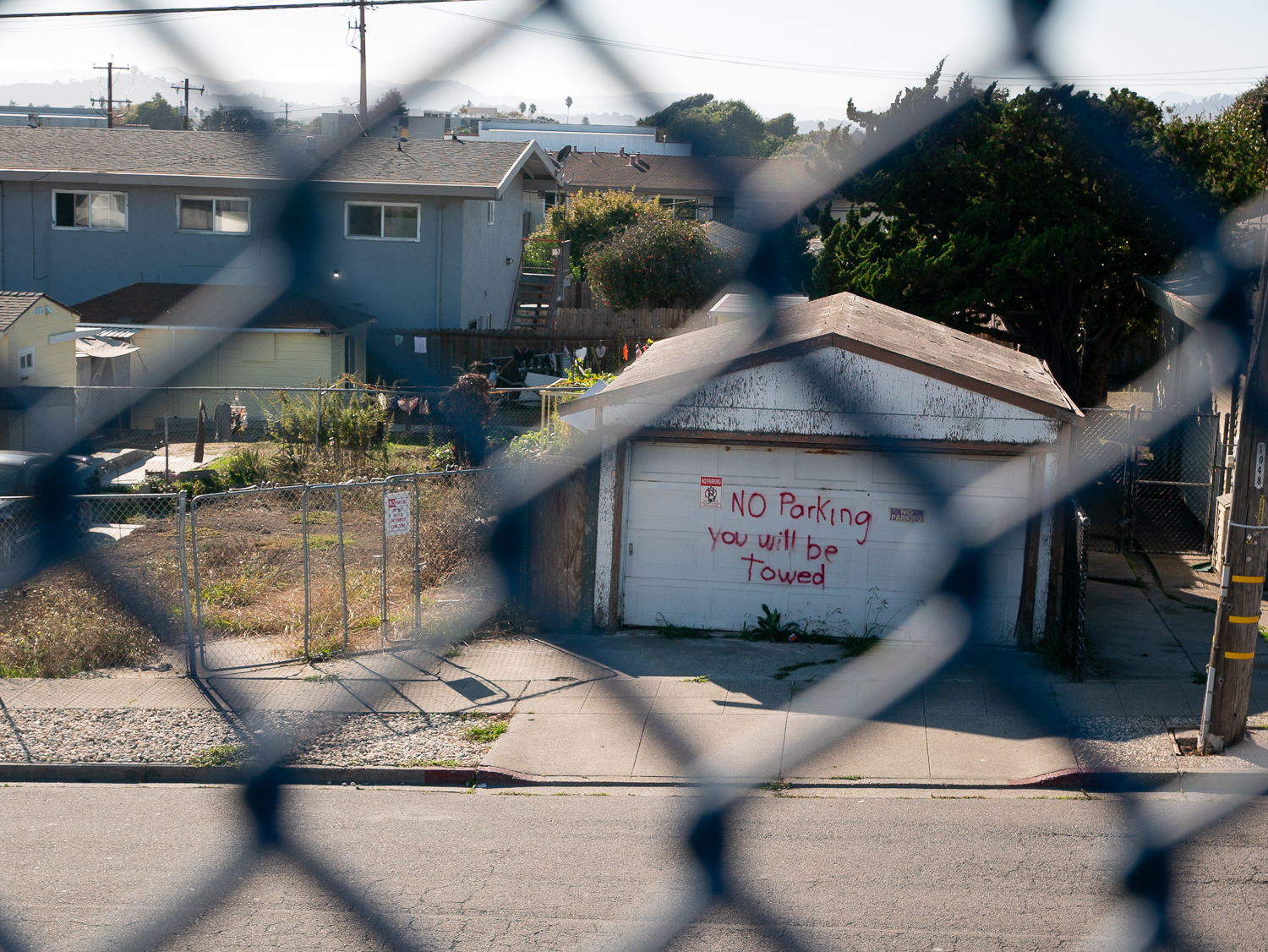
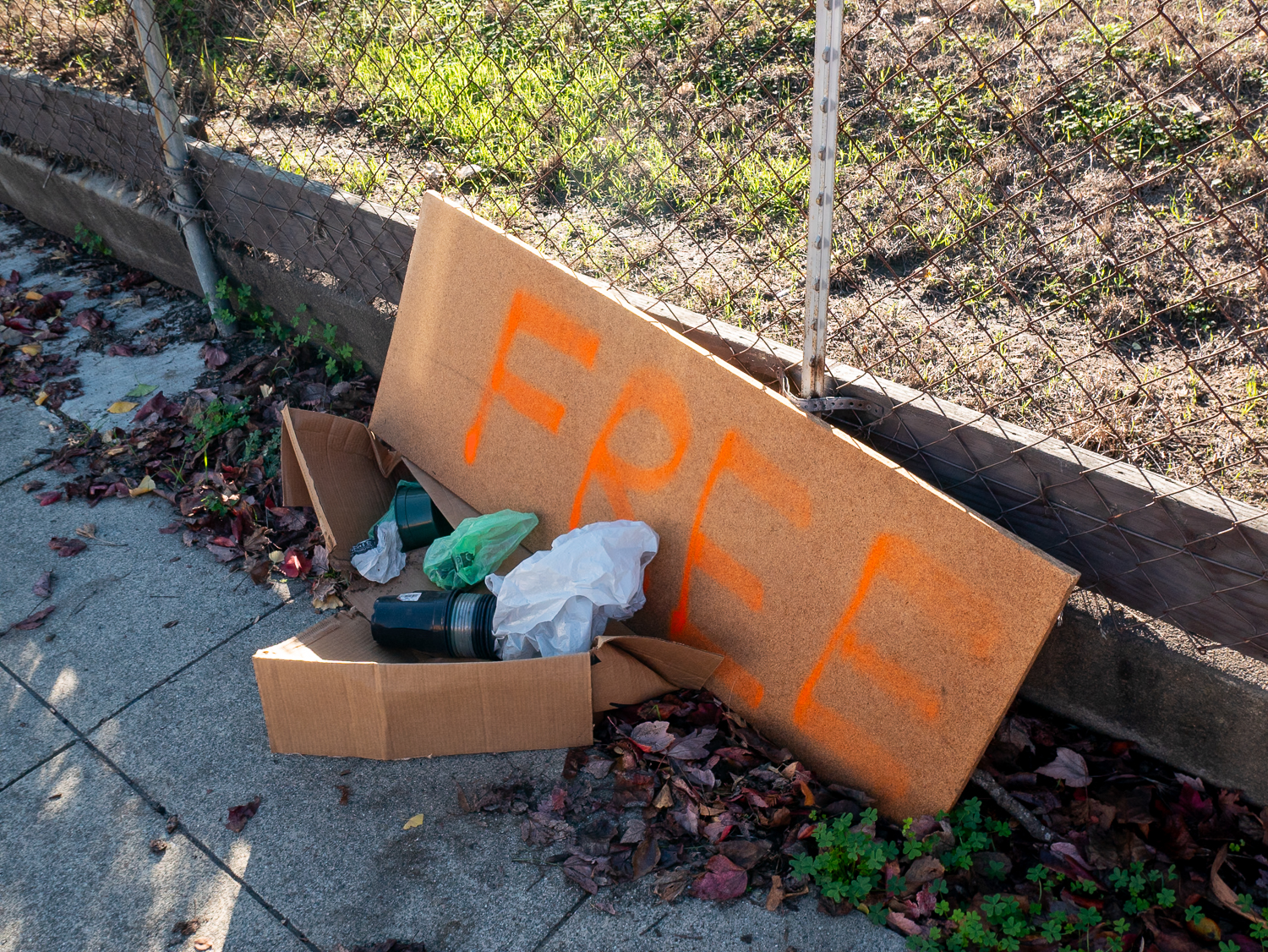
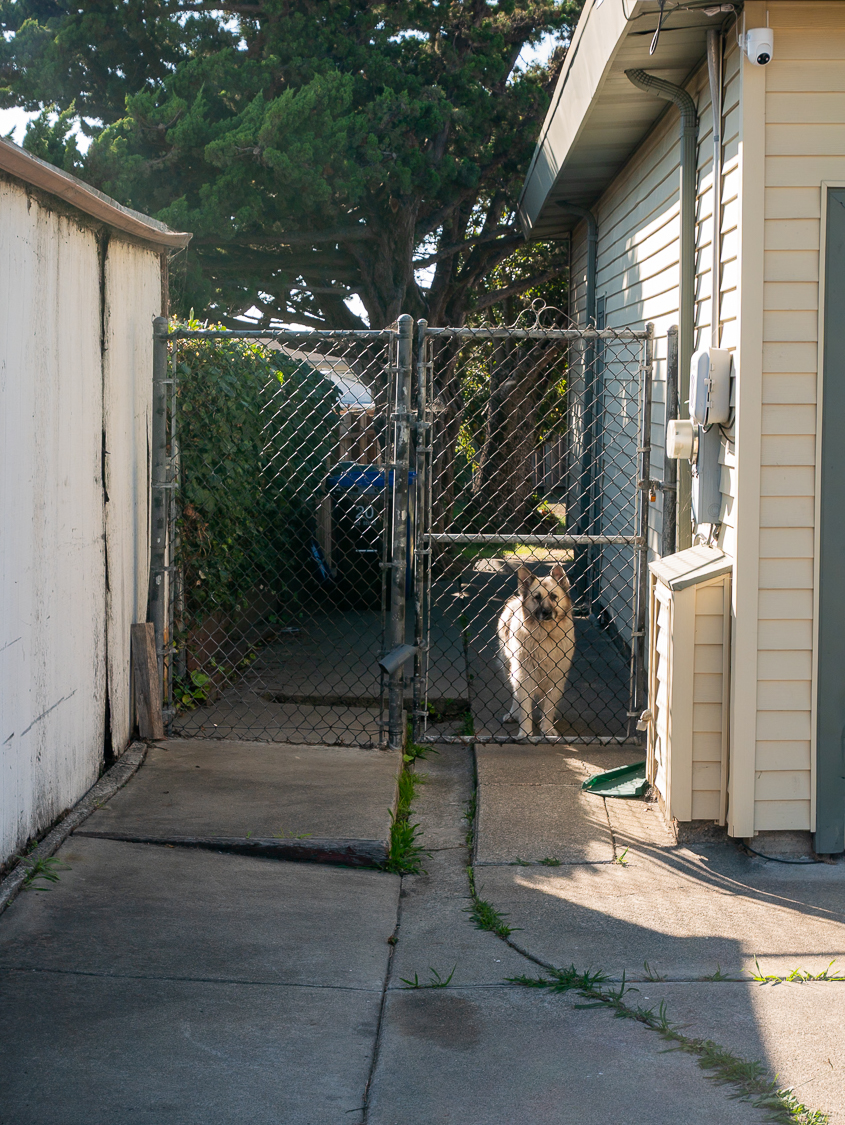
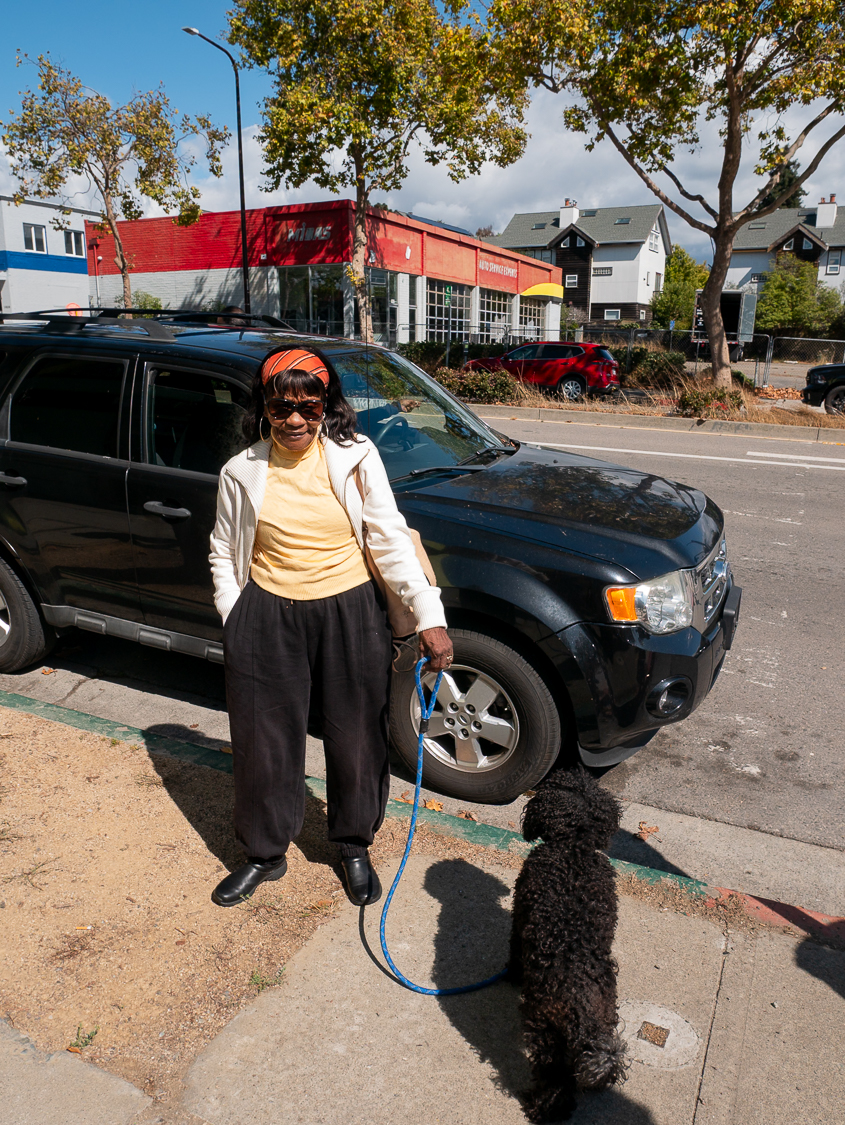
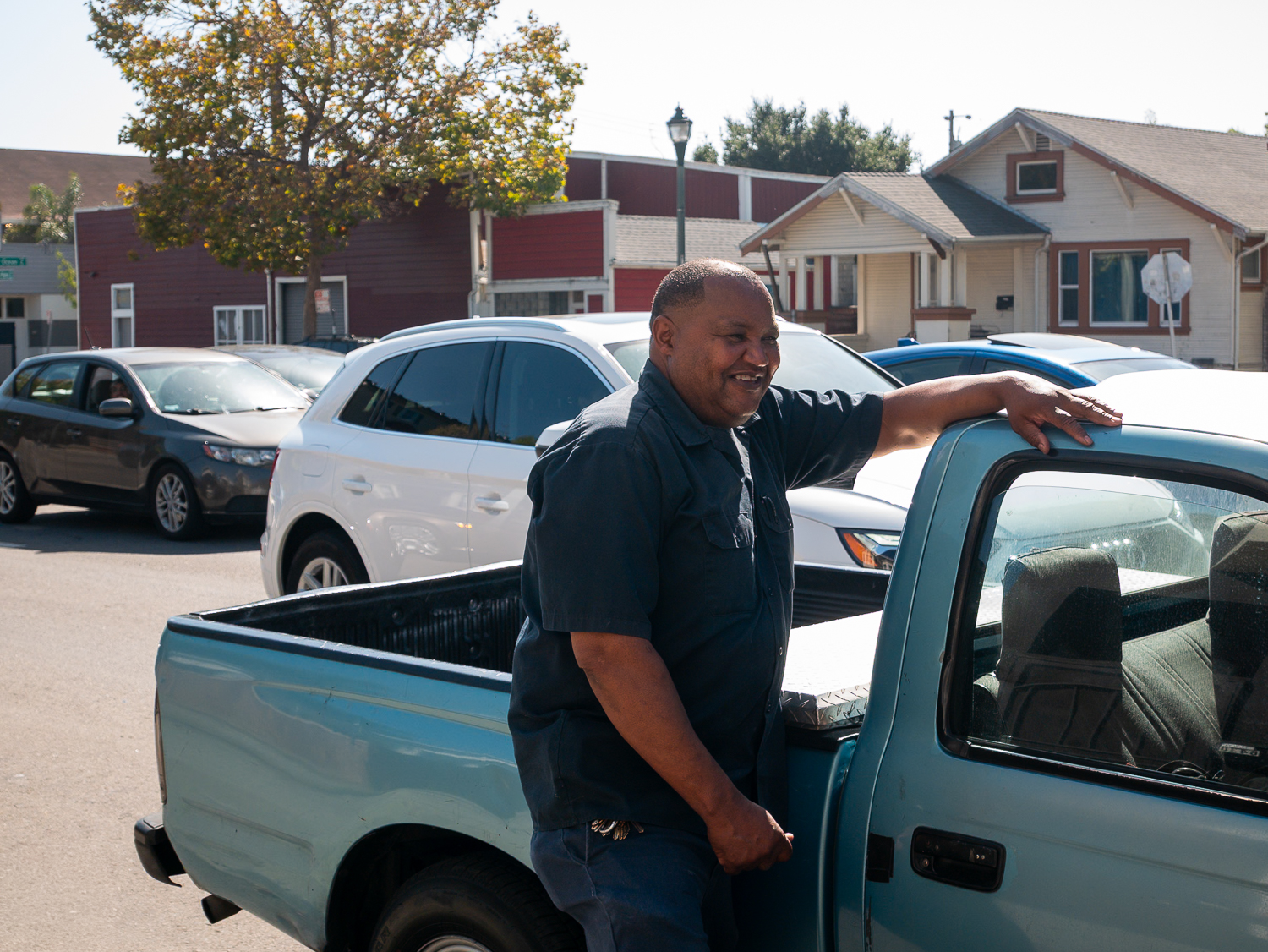
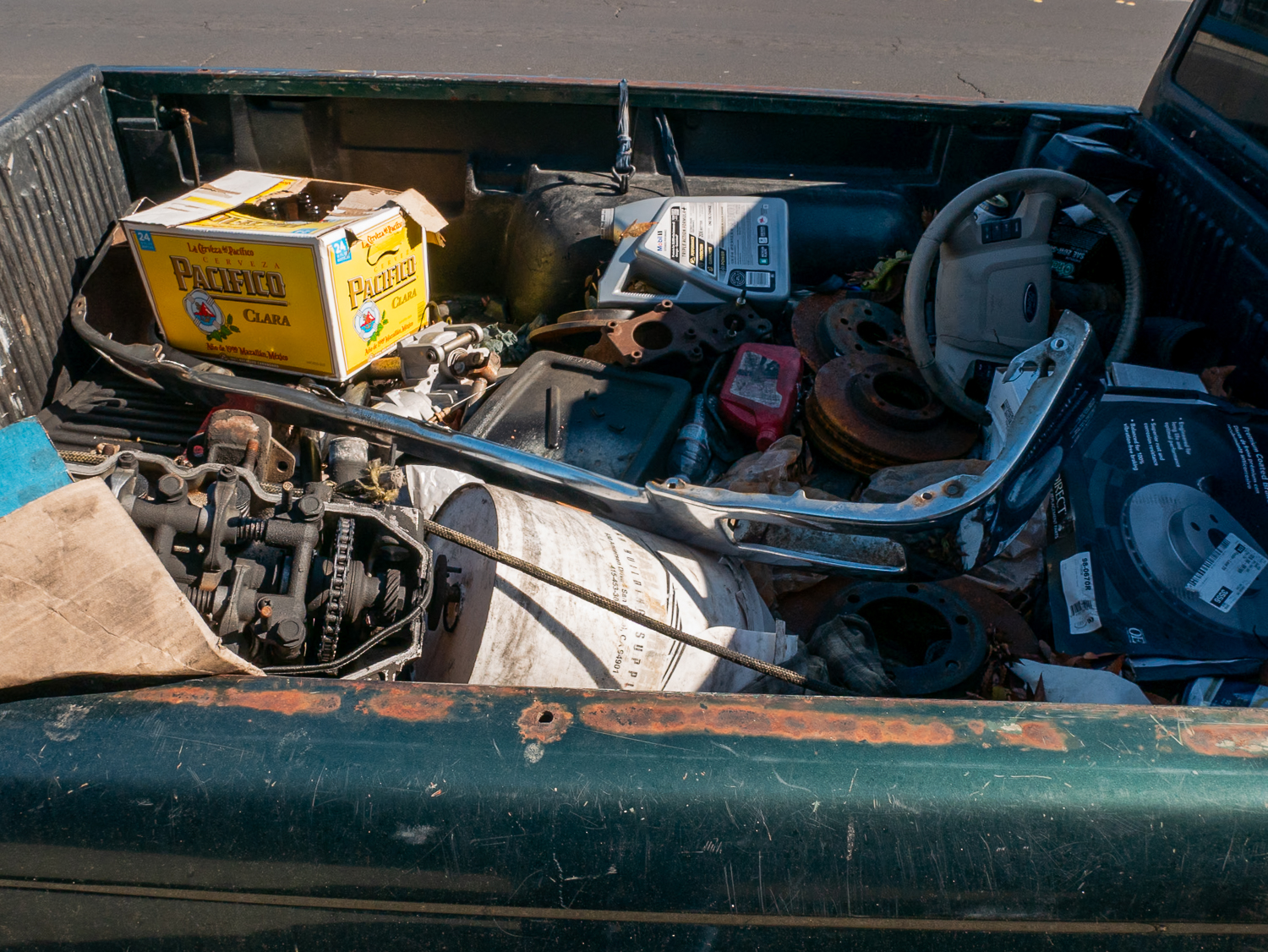
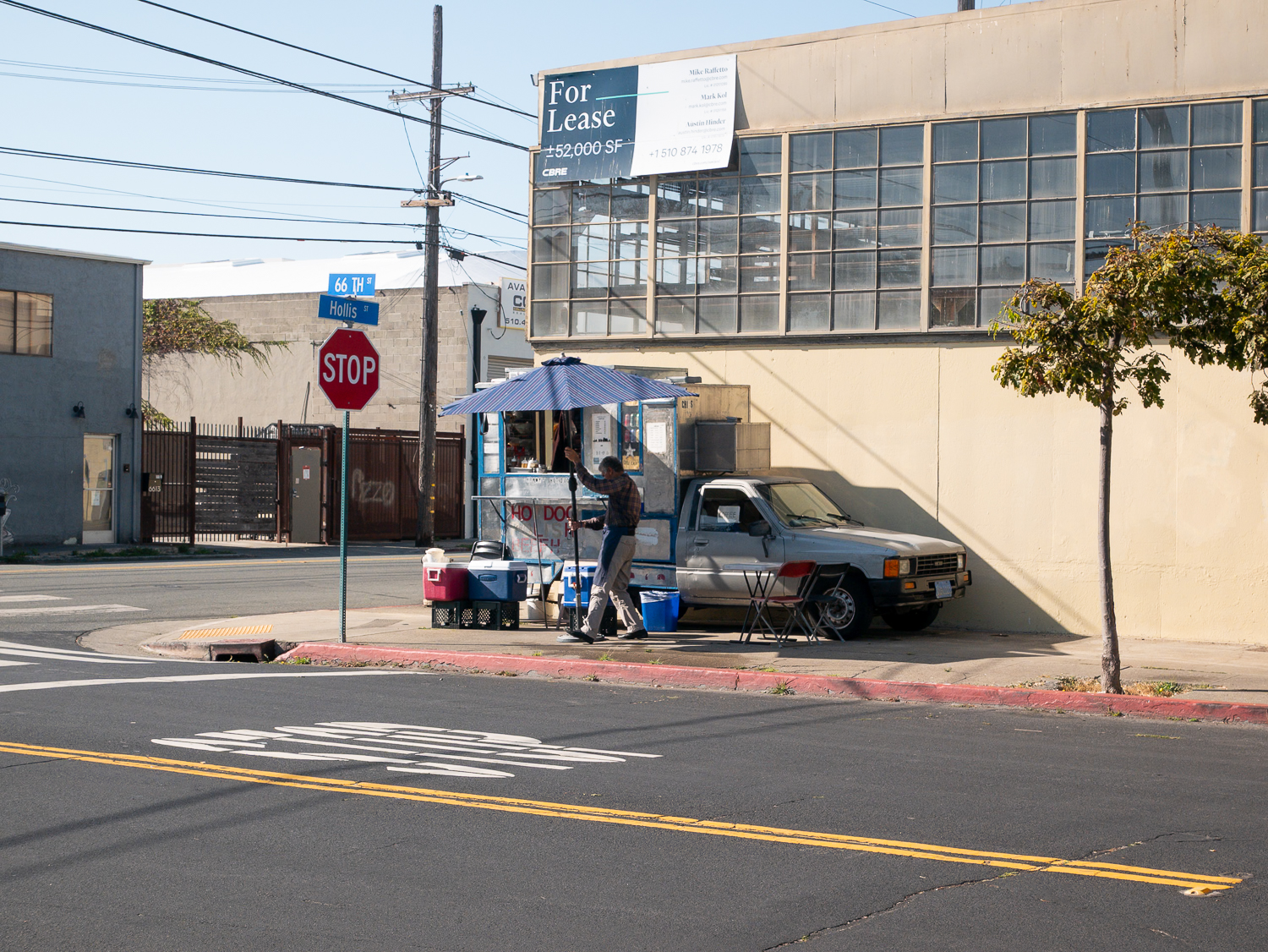
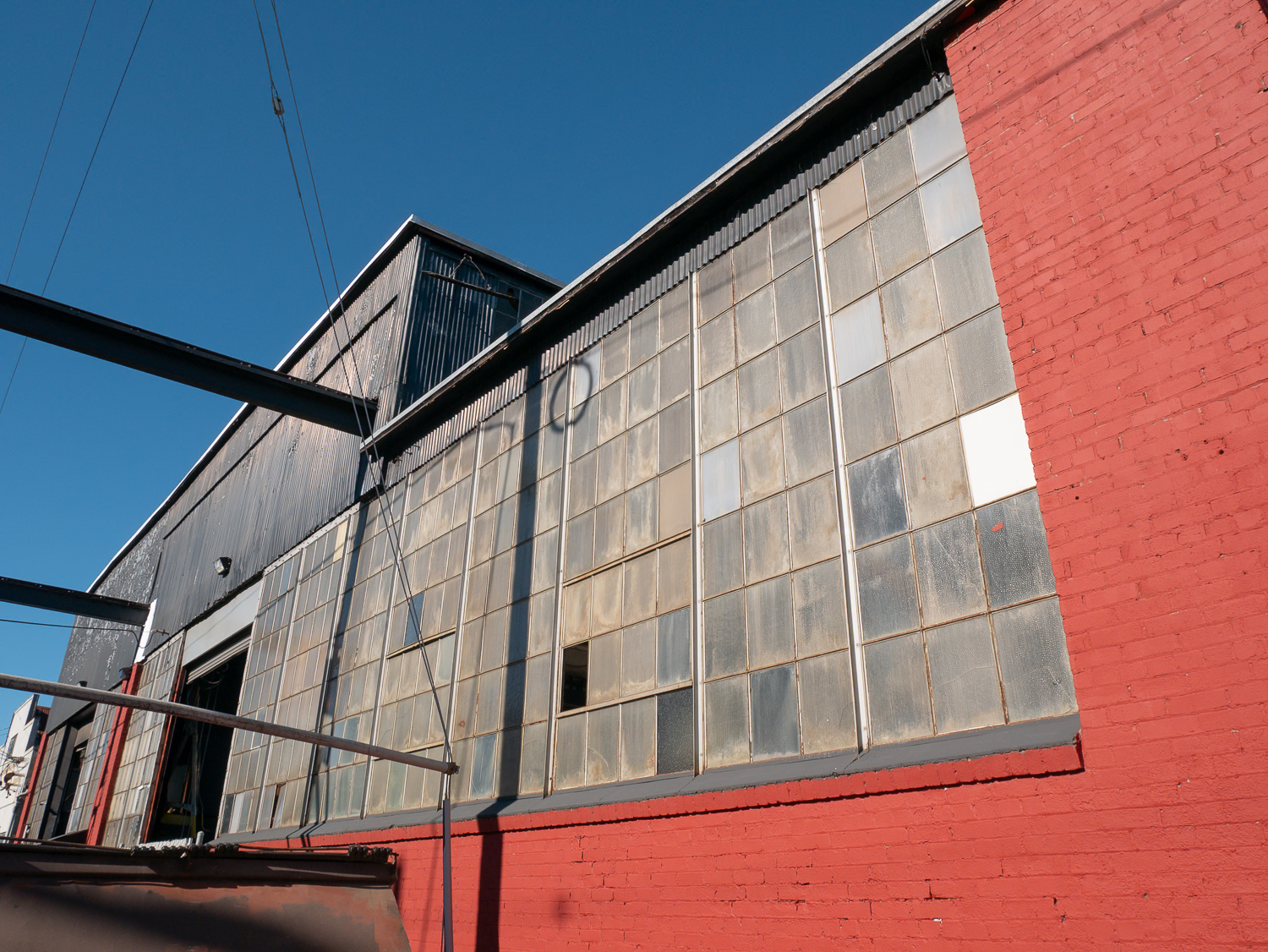
by Avery DavisThe city landscape is complex, often revealing misconceptions and hidden truths if one looks closely. New to the built environment of San Pablo Avenue, I set out to discover how my photographs could speak as a narrative to these urban geographies. These spaces shape the lives of thousands of people, where streets act as borders to witness microcosms of change. A stretch of land that shifts across many cultural backgrounds, my hope for this project was to create a photographic exploration of the accumulated traces of activity, and what lingers after movement, departure, and attention fade or drift elsewhere. My work strives to document these stories as such, focusing on the juxtaposition between community and the remnants of life along San Pablo Avenue. In times of transition, communities face threats to their own livelihood, being displaced or priced out of neighborhoods. This is their home; urban enclaves where they have seen generations of milestones, hardships, and celebrations. Even if not physically here, every piece of their story becomes a thread woven into the city’s collective fabric. As San Pablo faces rapid change and redevelopment, how might these images serve as a form of living memory, preserving what is disappearing even as the city transforms? Even as things appear absent or abandoned, people are still very much present. These spaces carry the weight of what is no longer there, yet hint at the human stories that persist around the edges.
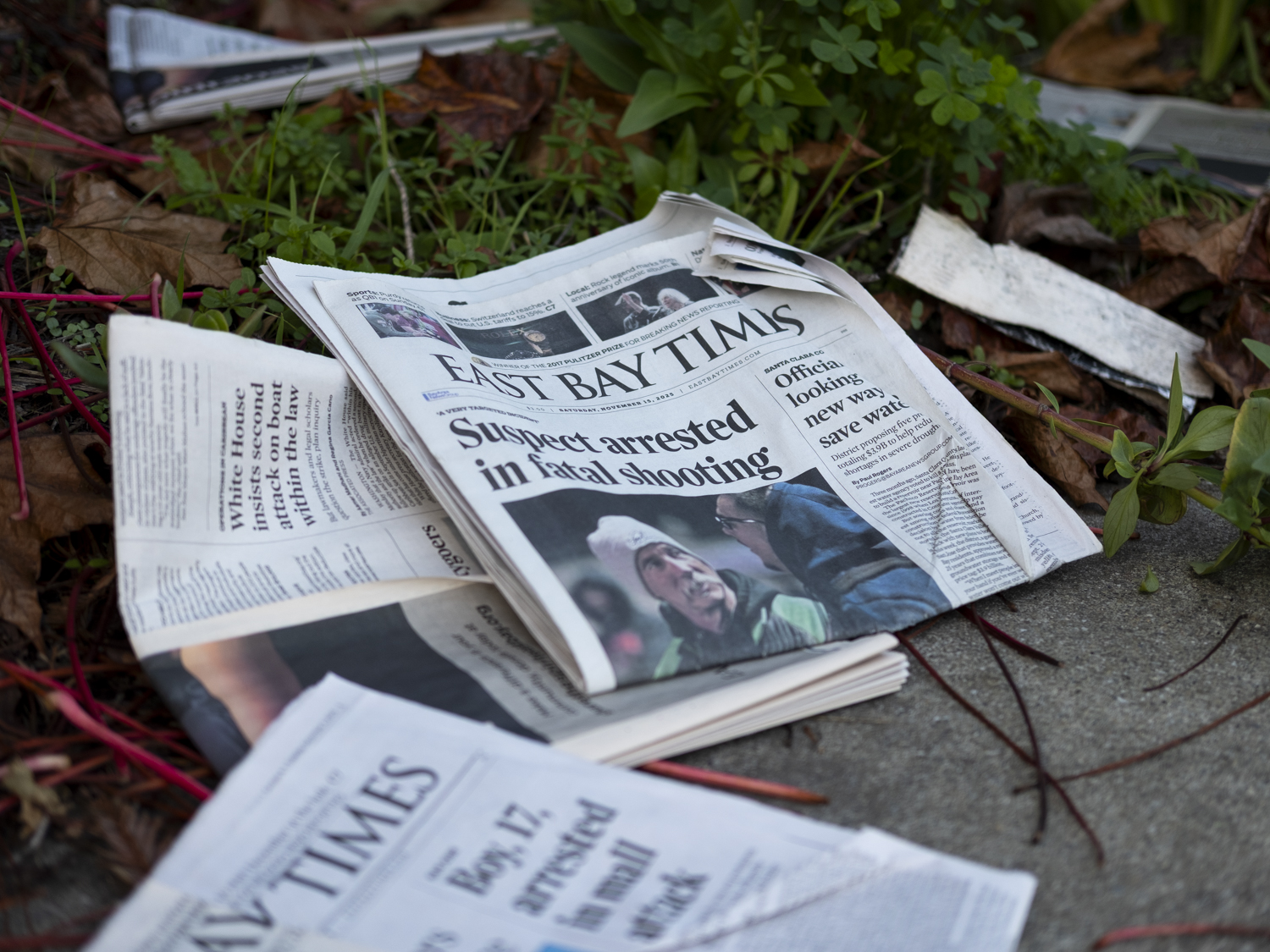
The many discoveries along San Pablo Avenue that drew my attention were not their emptiness, but their residual presence. How can absence become a quiet invitation to imagine beyond what's at face value? This contrast encourages us to look closer instead of just being passive observers. A storefront, boarded and tagged, speaks not only of closure but of the community that helped build it and begs the question of what relationships have endured since. The belongings we carry in our cars or items we leave on the sidewalk speak to what we value and cherish. By grounding this collection in images of the people we pass on our walks, I hope to capture this continuity and remind viewers that these cities remain alive—a vibrant, ongoing tapestry of experience. Things overlooked actually reveal the beauty of people and places we call home. Each person and object transcends these liminal spaces as part of our community, and we must pay attention to them. Collectively, I hope these images highlight the intimate and vivid textures of San Pablo Avenue.
I found myself drawn to the corners of the cities we explored, and photography became an essential component of understanding San Pablo Avenue. Using photography as a vessel for uplifting rather than subjugating others was of the utmost importance to me, considering the nature of photography, as in some cases, "...the camera resembles a gun, something to shoot with; in other instances, it is nothing short of extractive, a piece of equipment that takes or grabs from its surroundings. Photographers often refer to the people in front of the camera as subjects, a term that carries connotations of subjugation, of oppressive powerlessness. Even exposure—a photographic term that refers to the amount of light that reaches the camera's sensor—suggests vulnerability and risk" (Van‘t Hull).
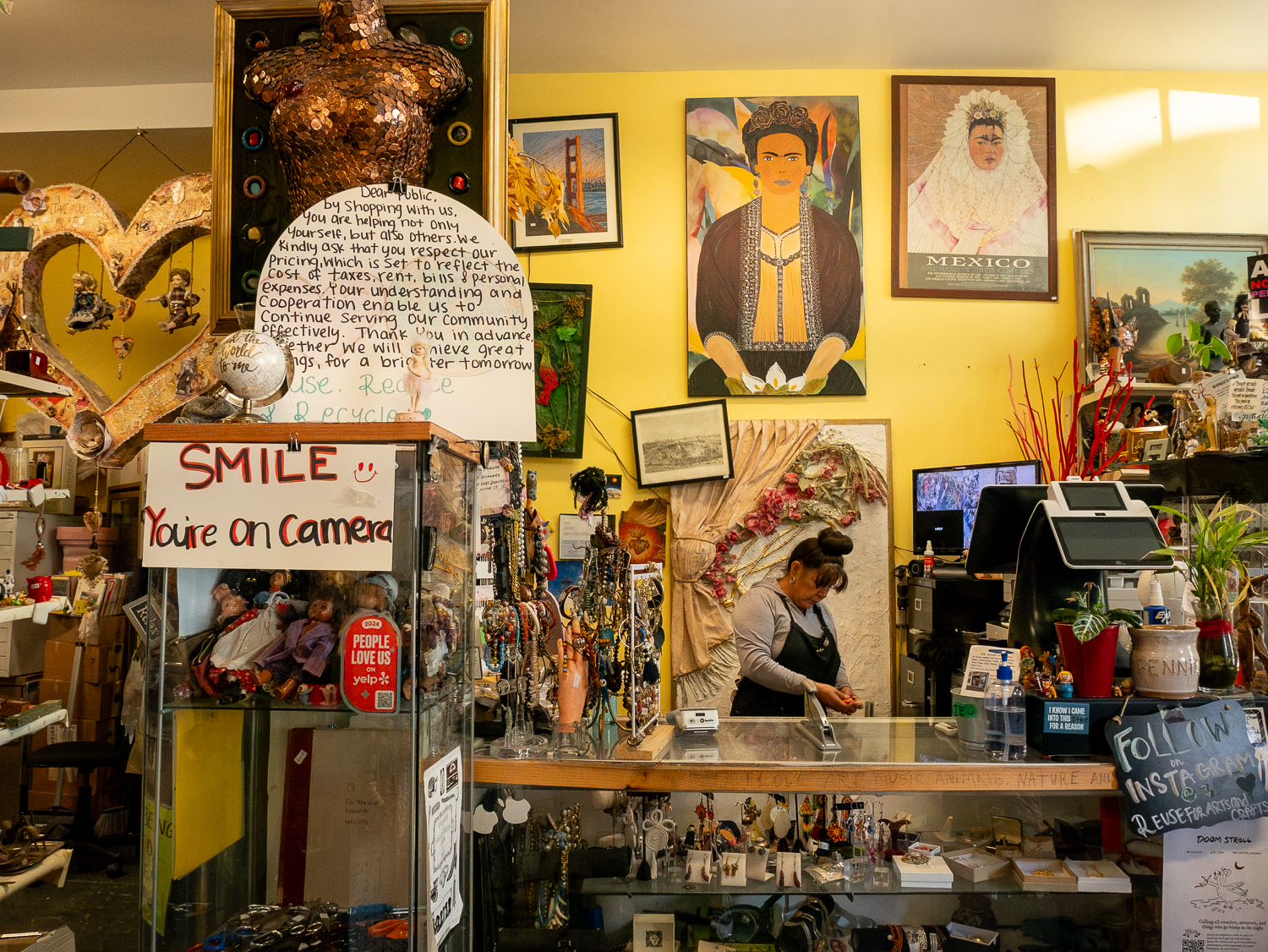
Connecting to individuals on a human level is a small step in counteracting this history, and I found my camera bridged this gap when I approached others with honesty. I strayed away from orienting and guiding people to meet my agenda, as authenticity can not be forced. Although these conversations cannot translate through an image, I hope many of these photos "speak" for themselves. Without looking inward, I never would have met owners like Frida of Reuse for Arts & Crafts in Berkeley, (inspired by the vibrant and salient Frida Kahlo), who aspires to share her love of art and reused materials for a world that is centered around consumerism and that demands we always buy the shiniest new thing. Her ability to share the difficulties of her own experience, not only as a creative but as a business owner during the economic turmoil of COVID-19, touched me. Driving by in our cars, which are external barriers to the street, one would never know her background and what hurdles she faced to remain open and emotionally grounded in times of such uncertainty. I wanted to include these images to represent the faces behind the physical walls of the built environment. Some people did not want to be photographed along our journey; I took these as chances to listen to their stories and the legacies of shops, many of them being around for decades. Walking is a way of knowing, feeling, and experiencing our senses together at once; although I will never know San Pablo in the way of people like Frida, I carry this intimate knowledge learned from her and many others with me.
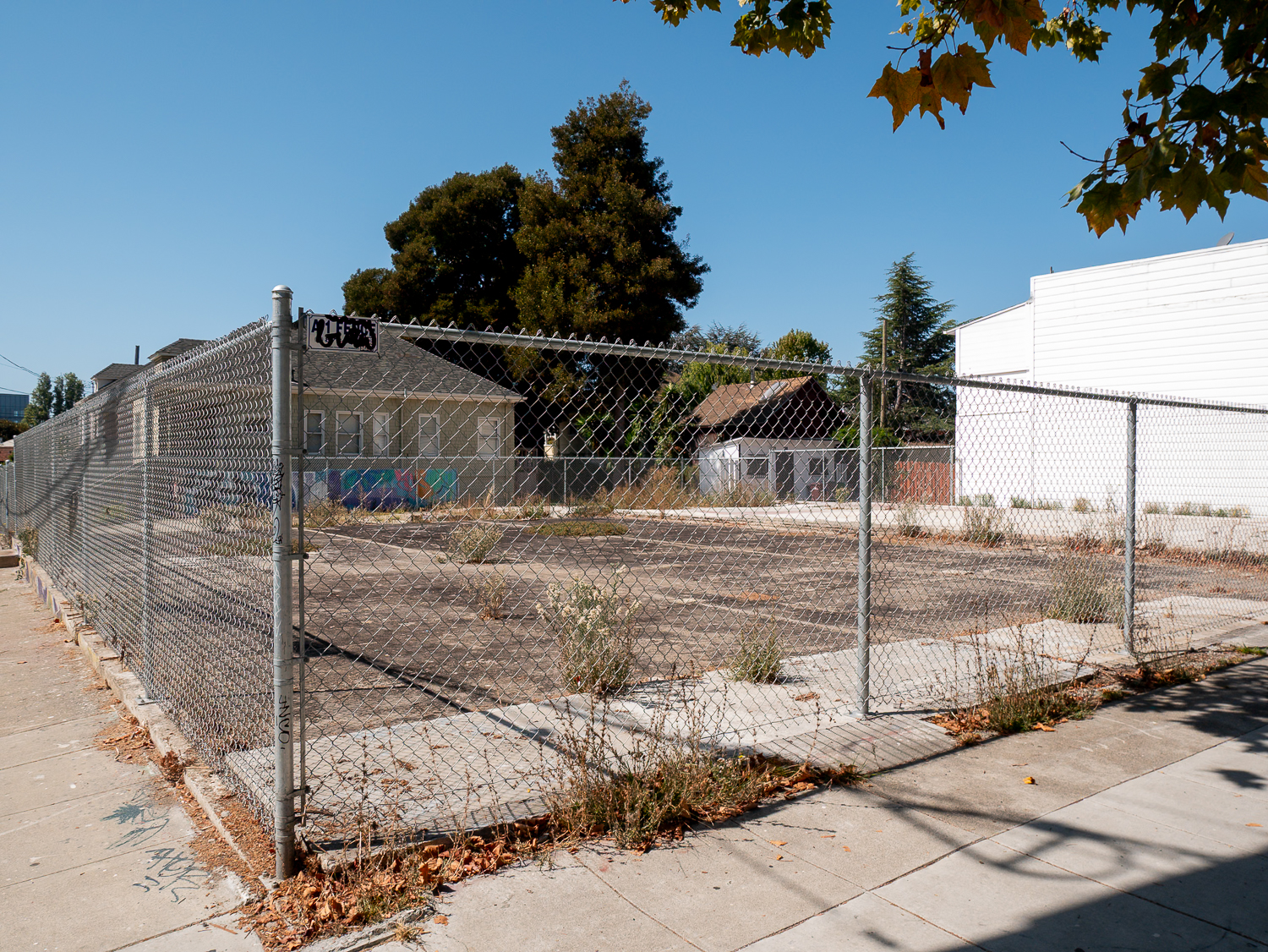
Especially over the last few years, the visual aesthetics of San Pablo Avenue have changed, with the closure of many businesses. This is present with the abundance of empty lots and for lease signs across the landscape. Now faced with propositions to expand and create new routes for transportation, building infrastructure is shifting towards this goal. The glimmers of billboard advertisements akin to "Get Money Quick" scams juxtaposed with signs of flashy new car shopping online in areas with many low-income residents point to the fact that capitalist interests are pushing aside public interests. As we walked, I saw many highlights of the bold gentrification grey and bright yellow new property development signs as we approached cities like Emeryville. However, through all of this, I noticed the signs of life in shoes perched over a balcony, graffiti, a hanging clothesline, and the like. These served as visual cues, reminding me of the tension between people and profit, and of a persistent presence that refuses to be silenced. Reviewing and collectively examining my work over the semester, all I can hope for is that I brought some justice to showing the richness of San Pablo Avenue, a living atlas, so to speak.
These photographs serve as visual footnotes to San Pablo’s complexity. Both growth and decline, and beauty and decay can exist in unison. They remind us of the hardships endured and of the absence of transition and time in our memory, even though their effects are undeniably real. It’s much easier to look away and try to fill the void than to allow ourselves to feel or grieve the loss of what once was. Community is at the center of cities, and San Pablo gives us a glimpse of how this is impacted by development and where people come and go, albeit letting their presence be known. However, we must recognize the reality of the relationship between place and space, as Doreen Massey puts it, to be this "time-space compression" that hangs over our heads in a heavily globalized world. That's exactly what this class attempts to address, as places are not static and homogeneous, but conglomerates of history, colonization, oppression, and, of course, capital relations. Boundaries have historically allowed us to neatly pick and choose what we want to care about, but to truly understand a sense of place, we must look beyond. I hope that my work carries the message to search for what might be ignored and to appreciate the rawness of everyday urban stories in a rapidly changing world.
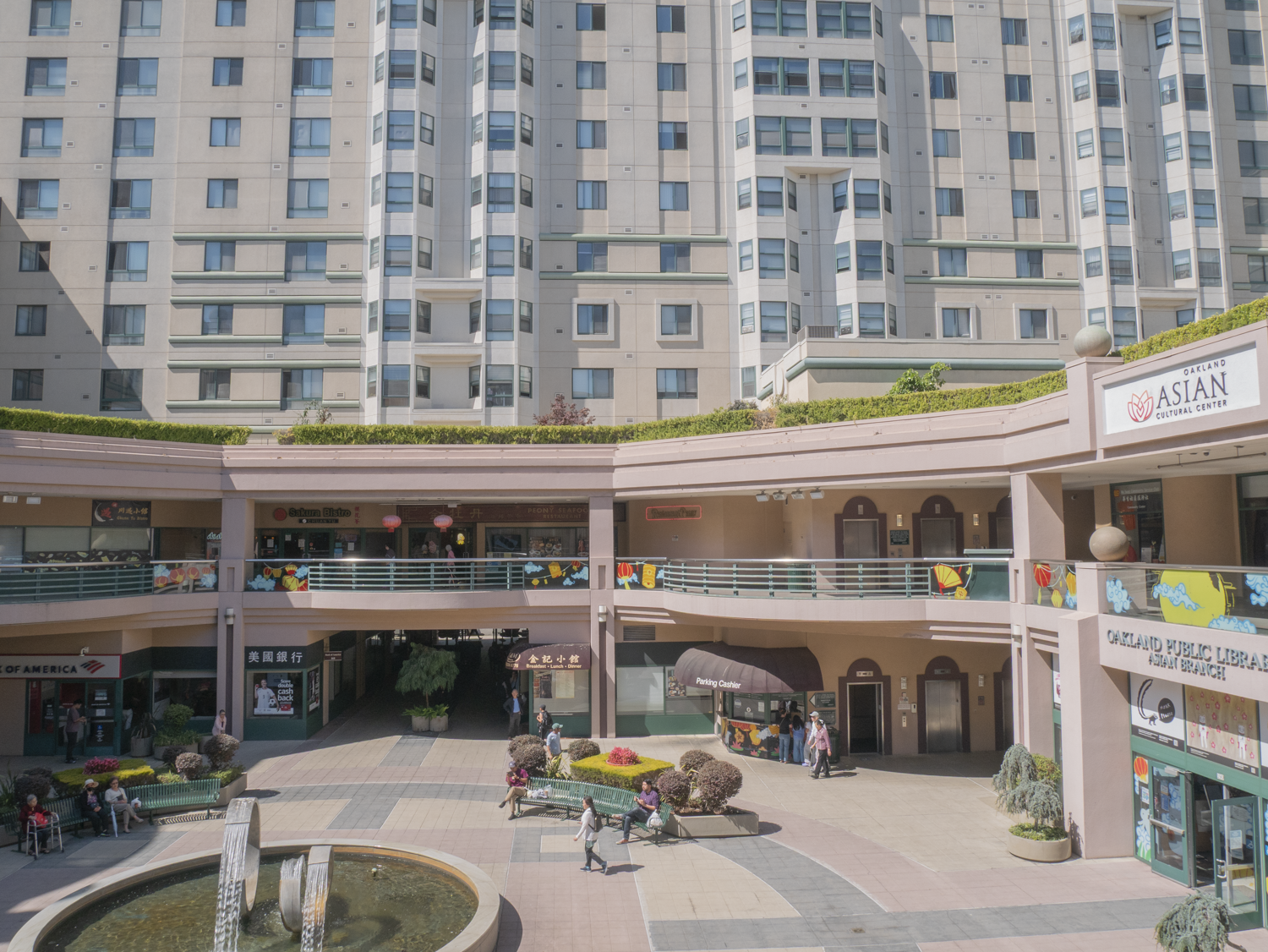
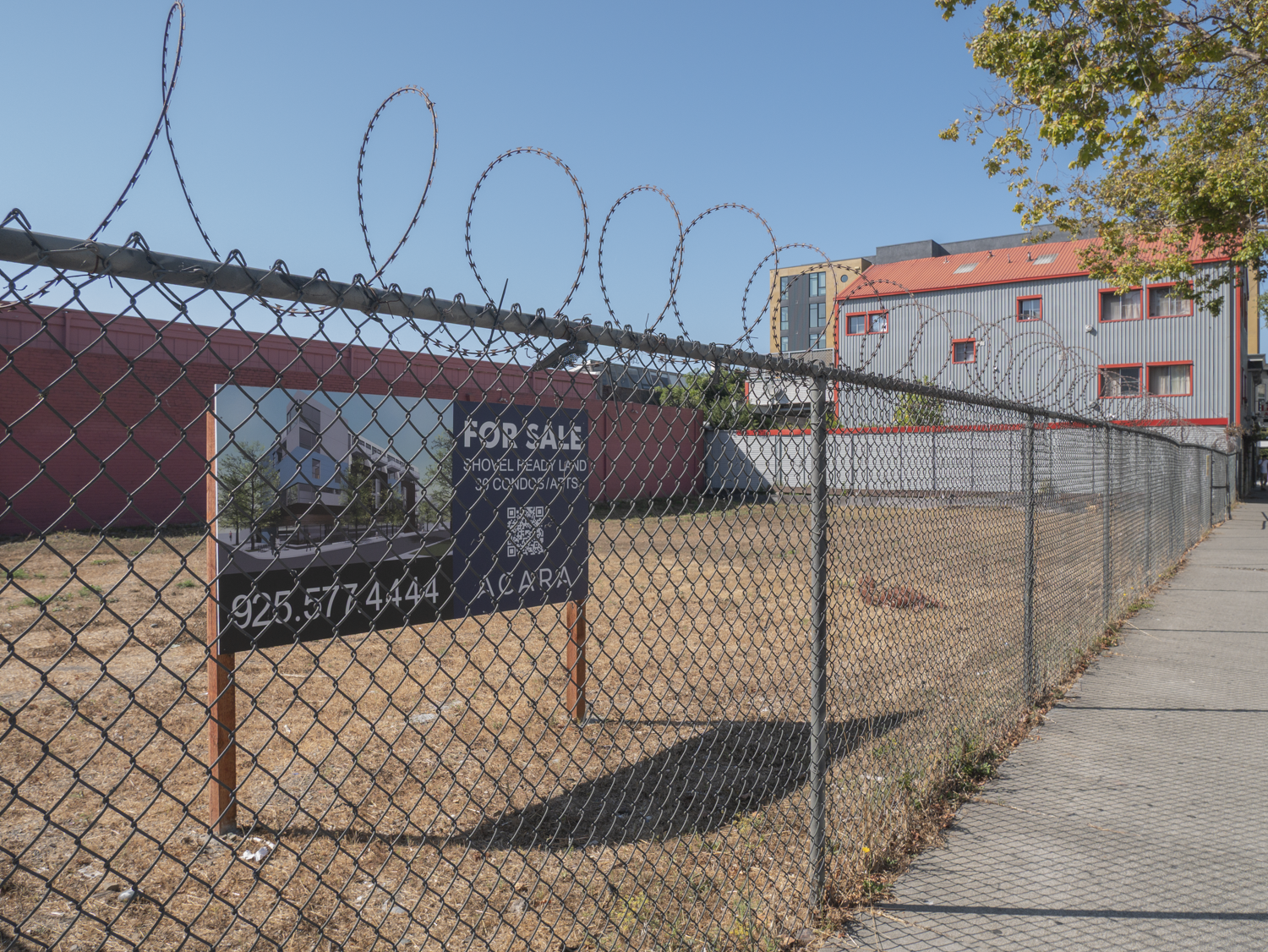
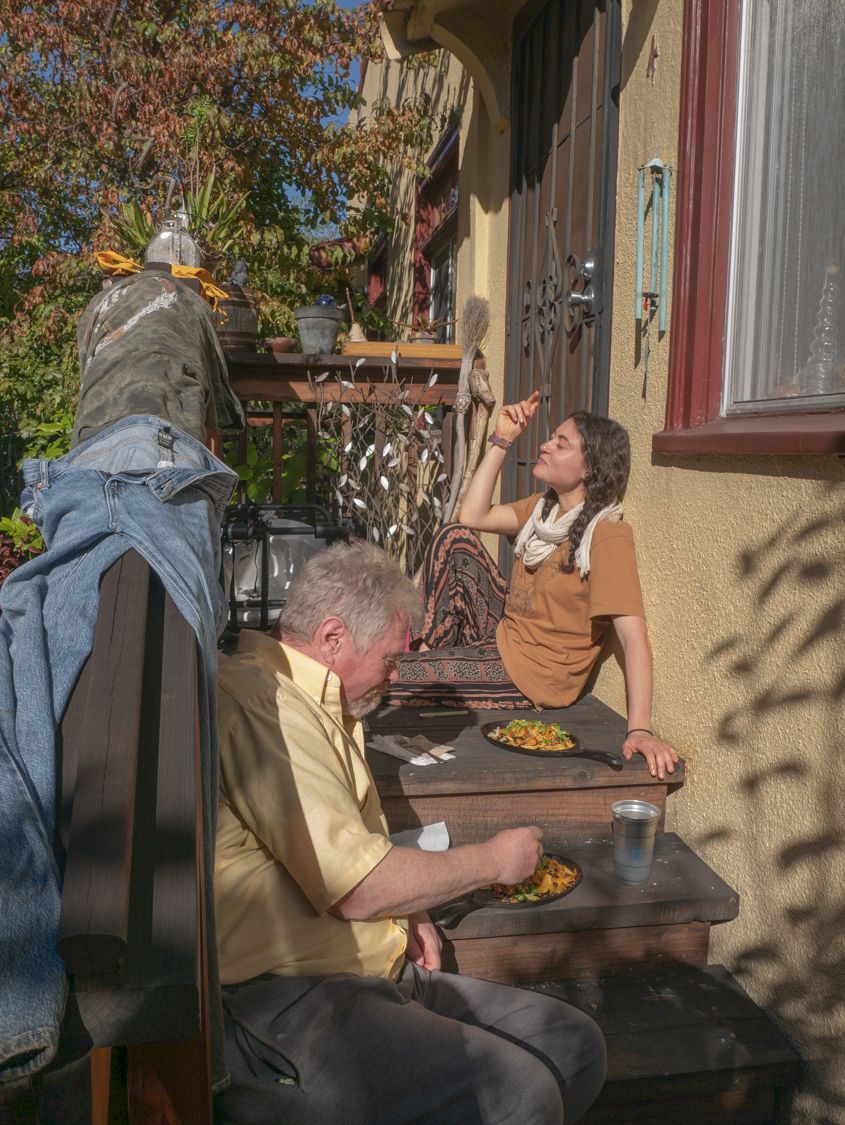
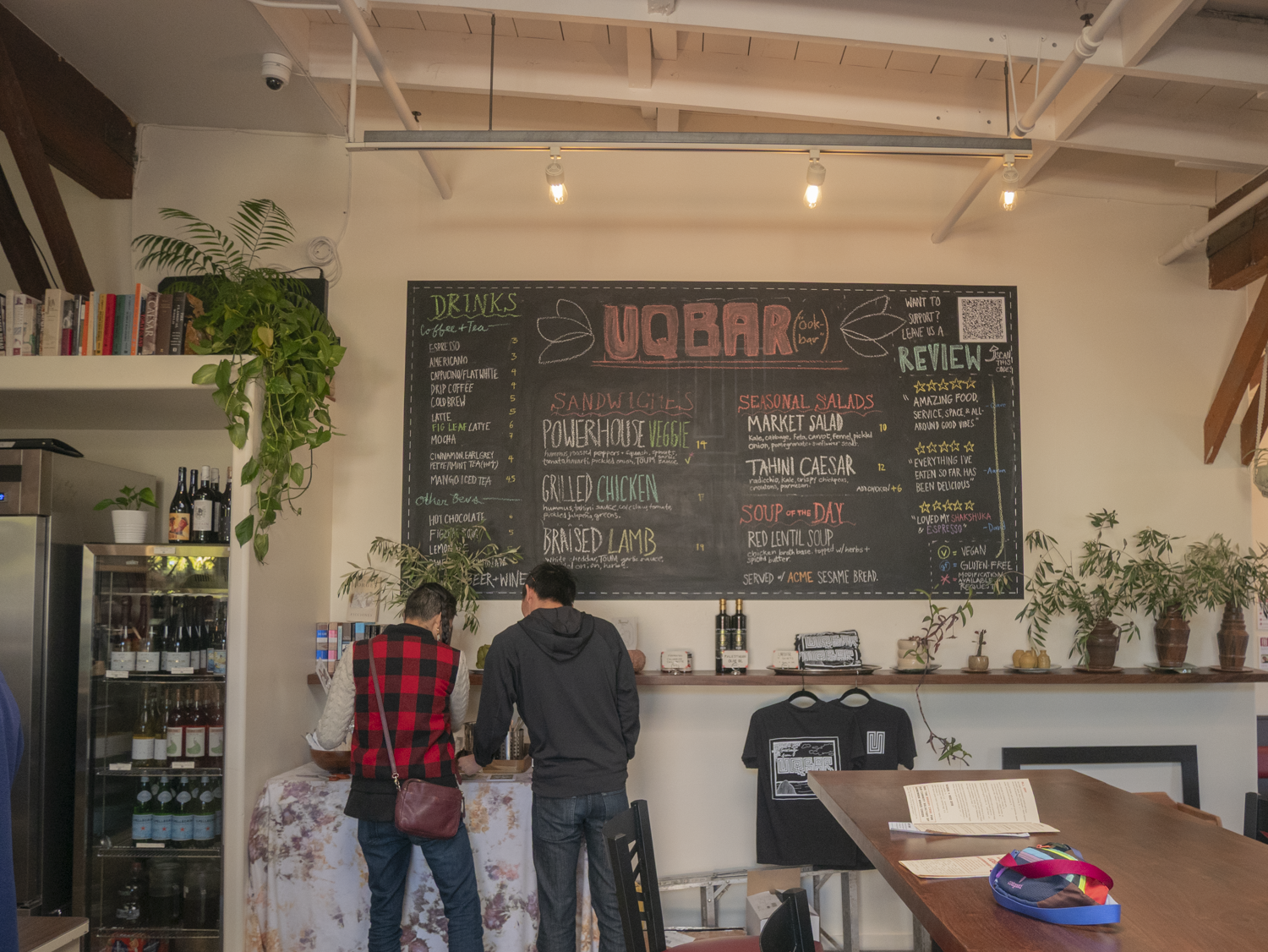
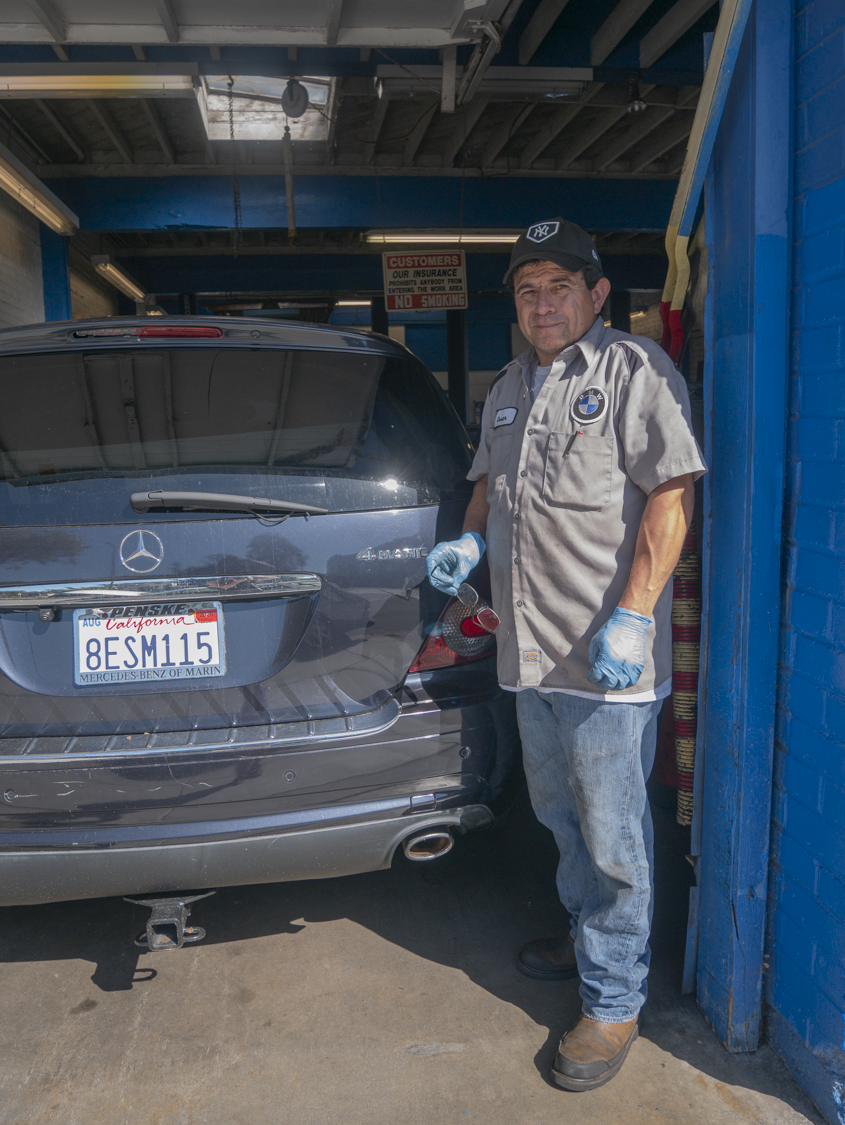
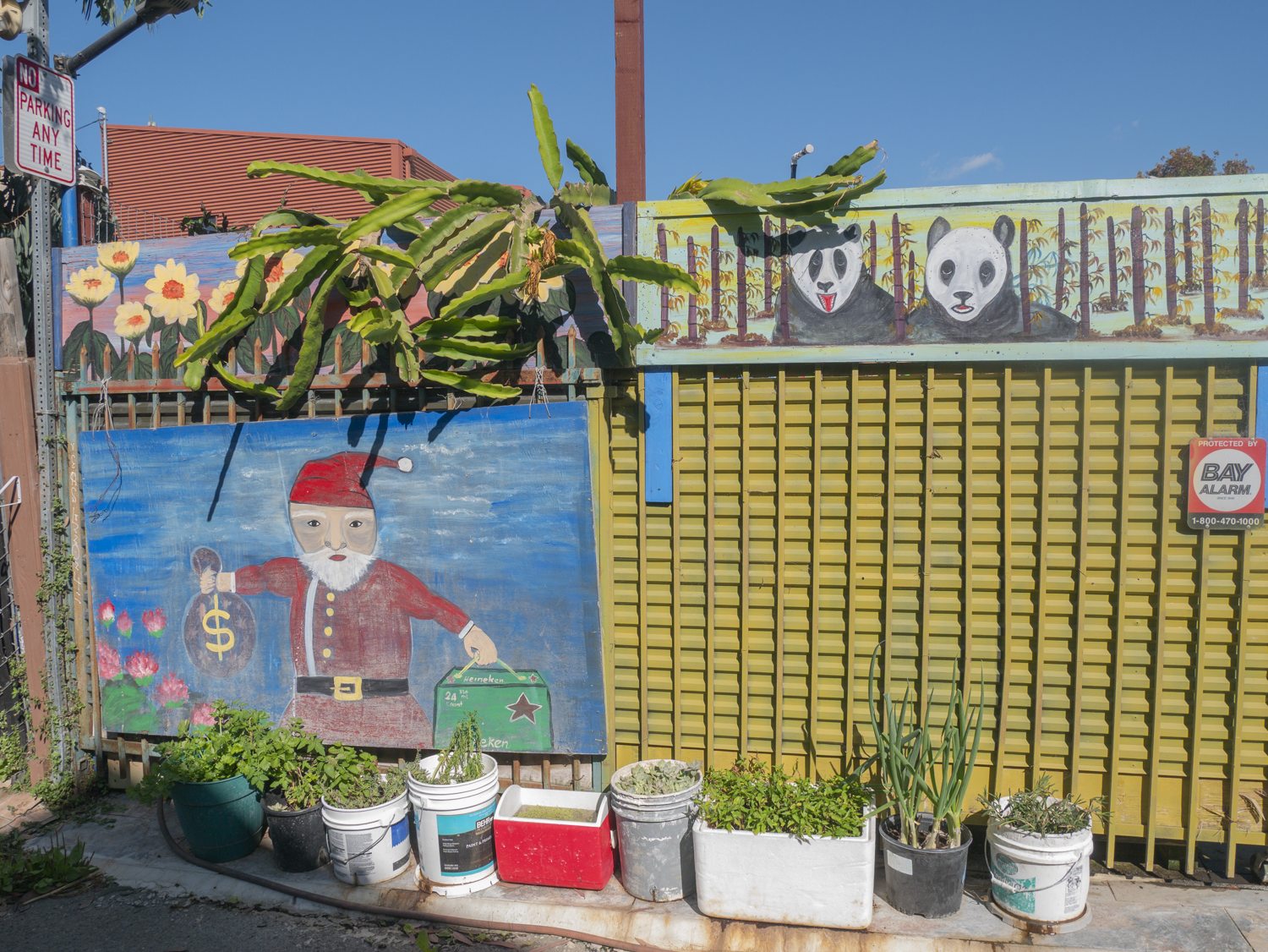
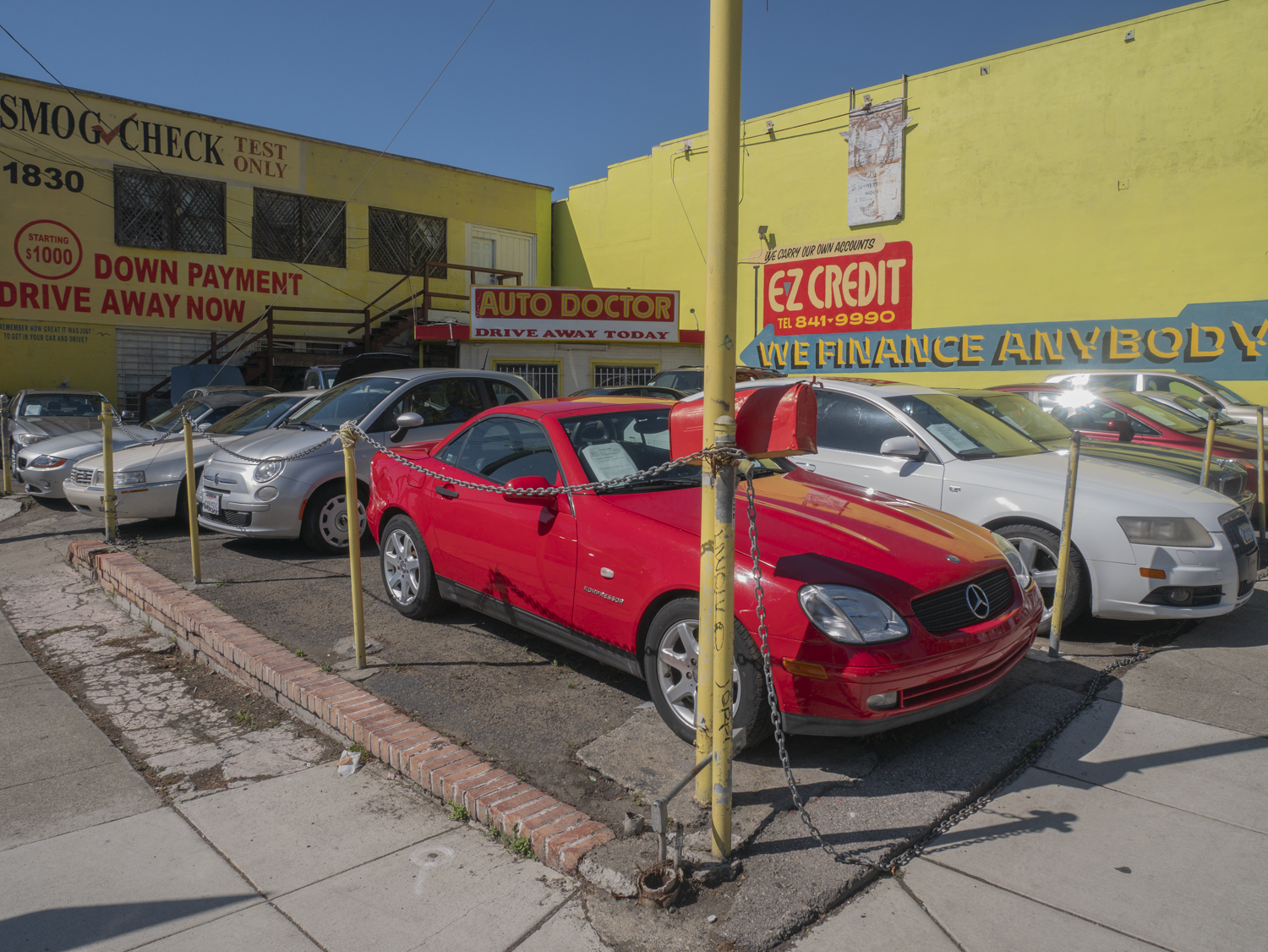
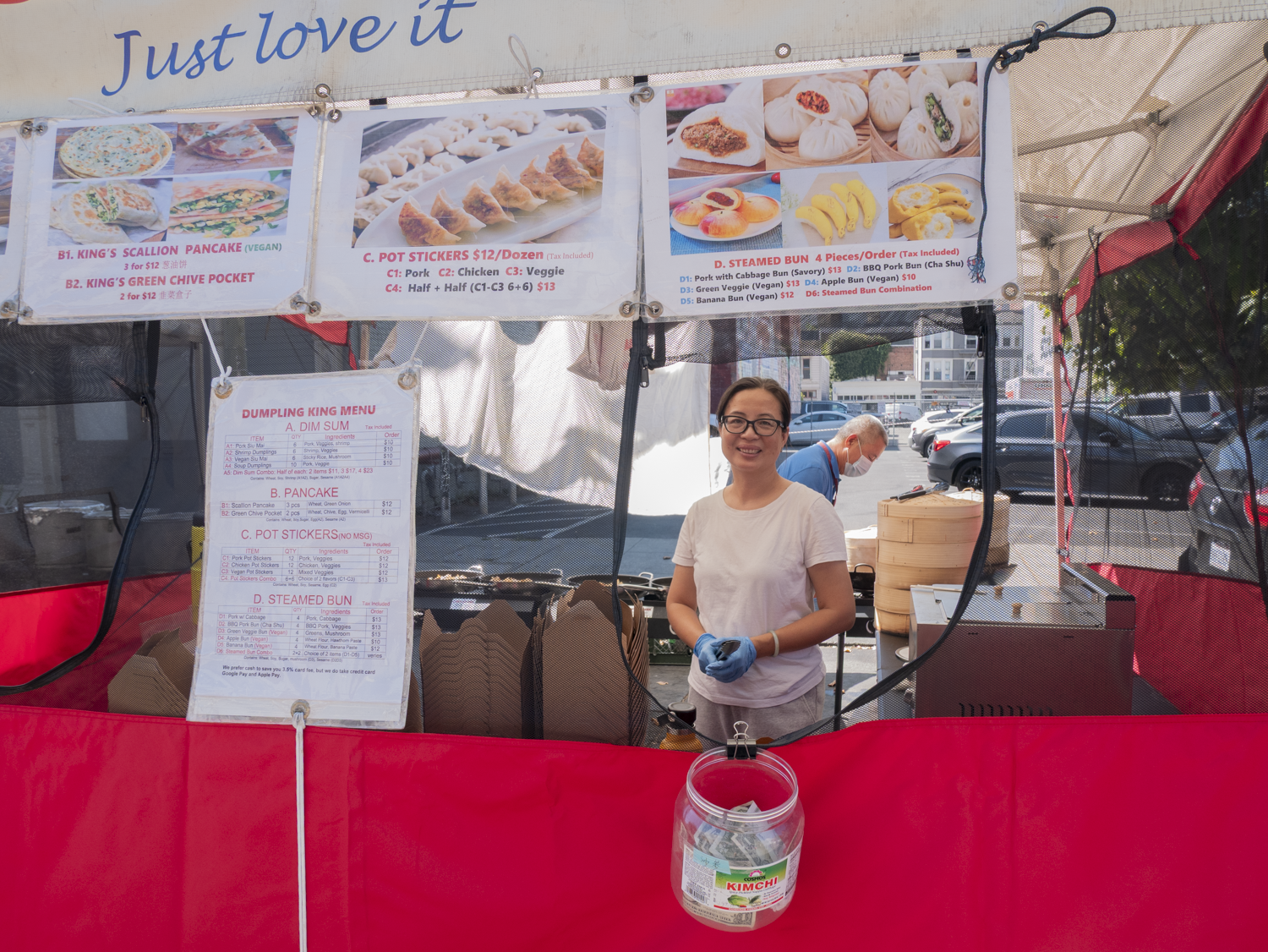
‘Shovel Ready Land’
How do we value urban space in the era of gentrification and redevelopment?
Walking along San Pablo felt like living life at a different pace. At a moment in my life that has been so go-go-go, putting on the camera and moving block-by-block around the Bay forced me to be present. At times this act of slowing down felt at odds with the landscape. San Pablo is a state highway, built to be a liminal corridor for people driving up and down the East Bay. While some stretches of San Pablo (University Ave in Berkeley, Solano Ave in Albany, McBride Ave in Richmond) have a lived-in energy as people walk between work, shops, and restaurants, other sections (all of Emeryville, most of El Cerrito into Richmond) feel like they stretch on forever at a scale too large to be comfortable to a person traveling on foot. While these sparse sections could be exhausting to walk along, it felt especially important to find and highlight the small details that you would miss driving by in a car.
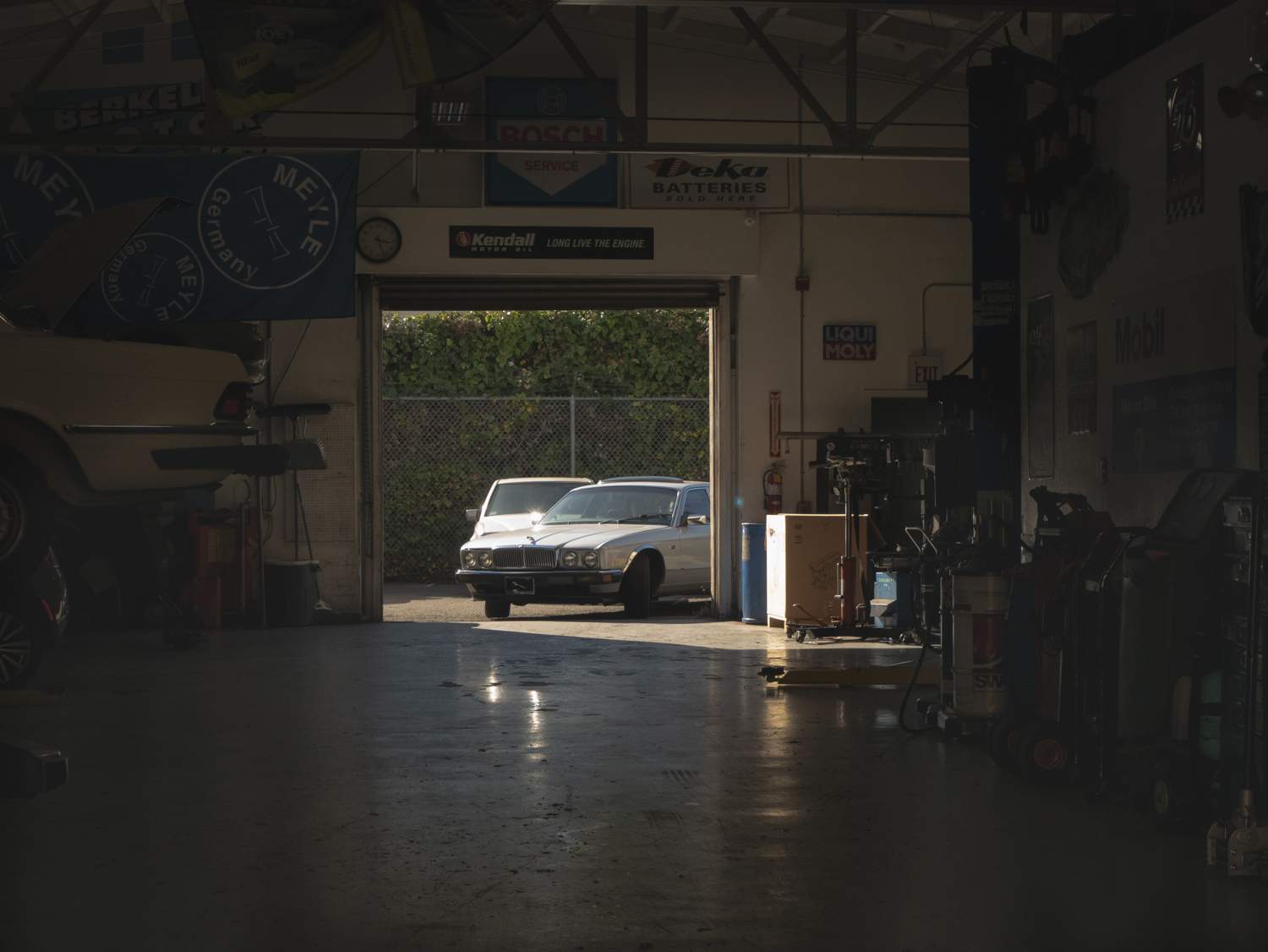
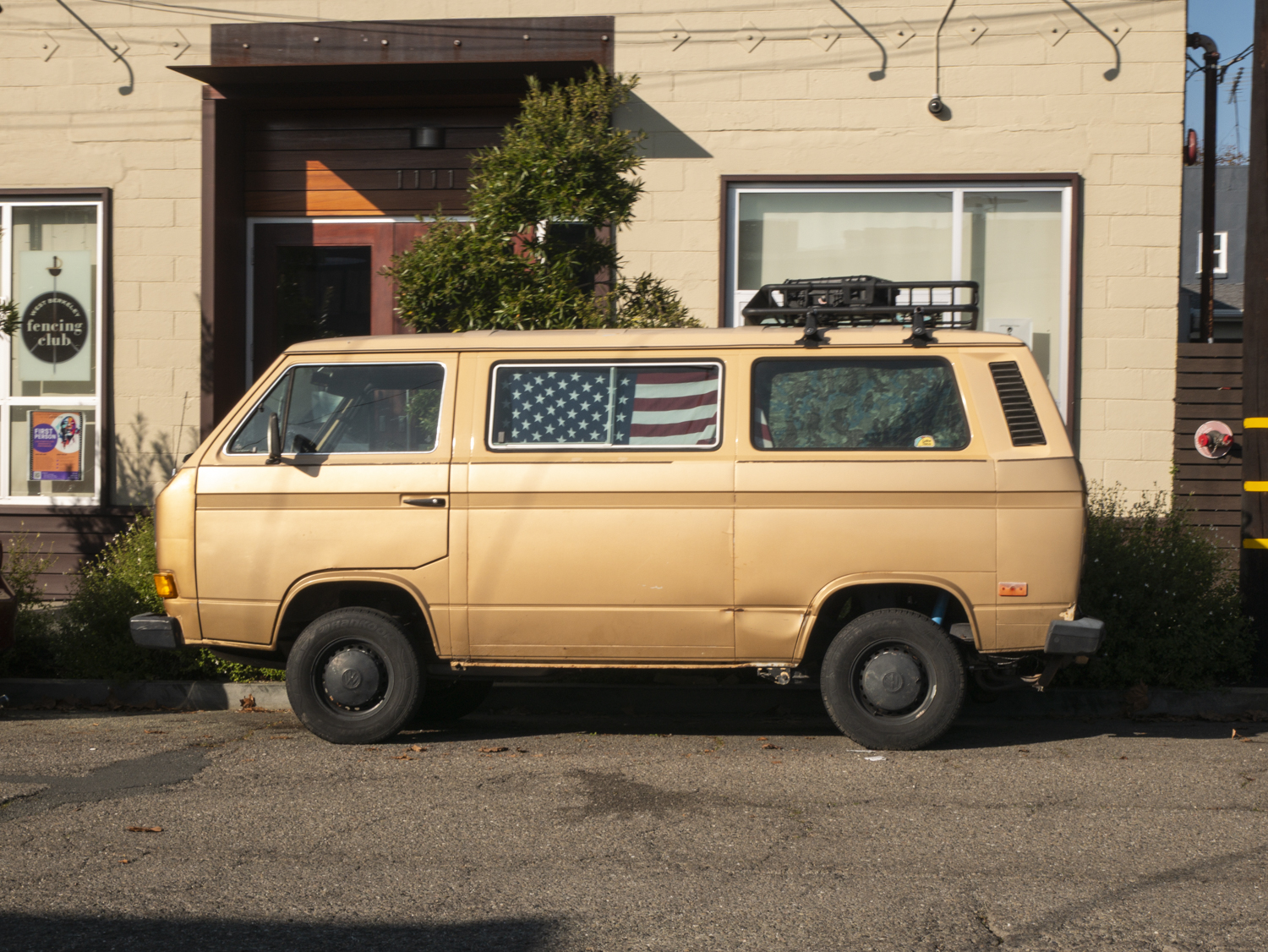
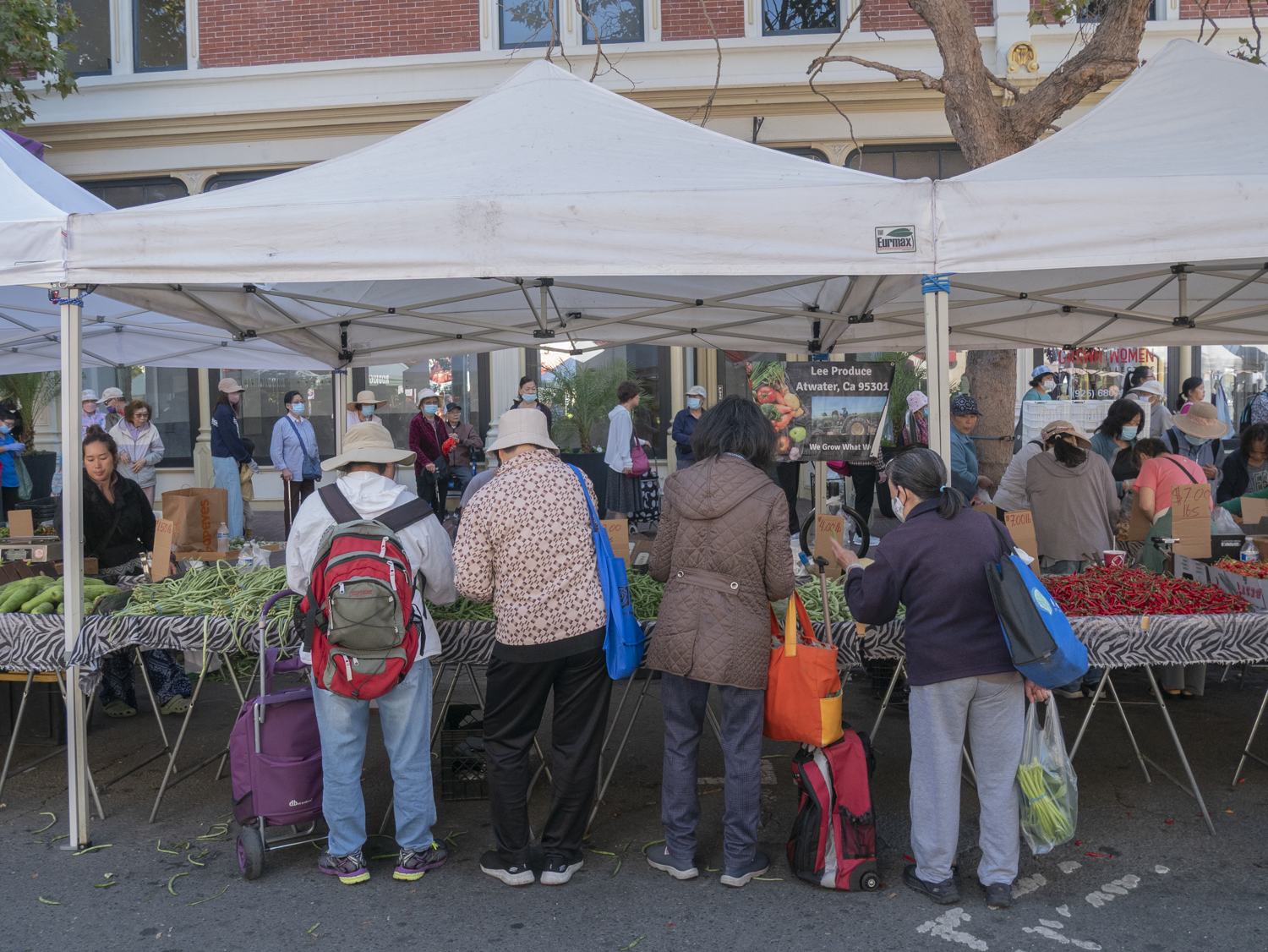
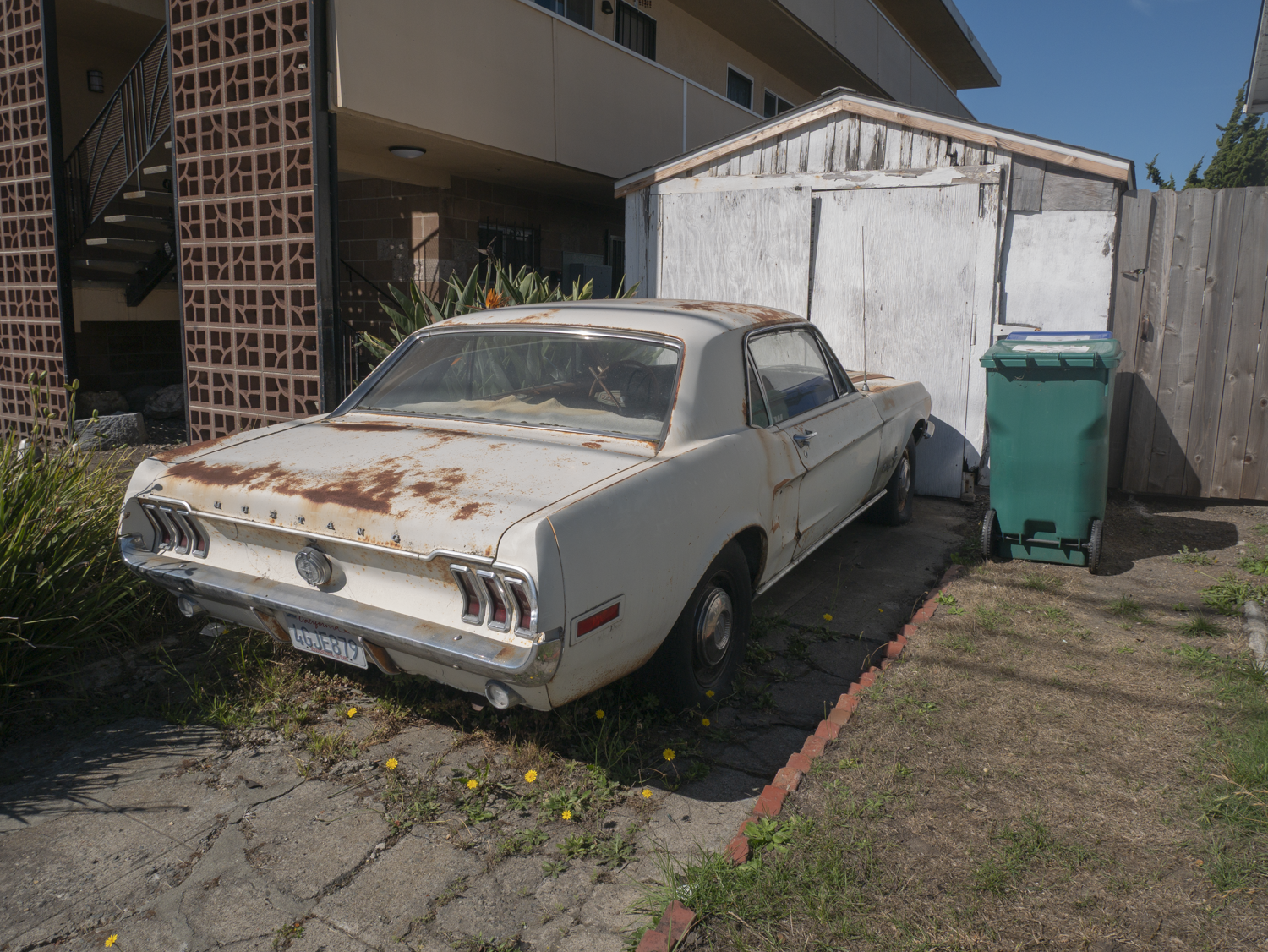
Moving through the world actively searching for beauty and stories gave me a deeper appreciation for the built environment around me. I would notice how an old car beautifully complemented in shape and shade to the buildings around it and could also see the car as a nod to the importance of San Pablo’s automotive industry. I could take a picture of a farmer’s market stand to capture the vibrant red color of the banner and to show the contagious joy of the woman selling the food. I had little experience with photography before this class and was struck by how effective photography is as a medium for memorializing visceral and complex relationships in an intuitive way.
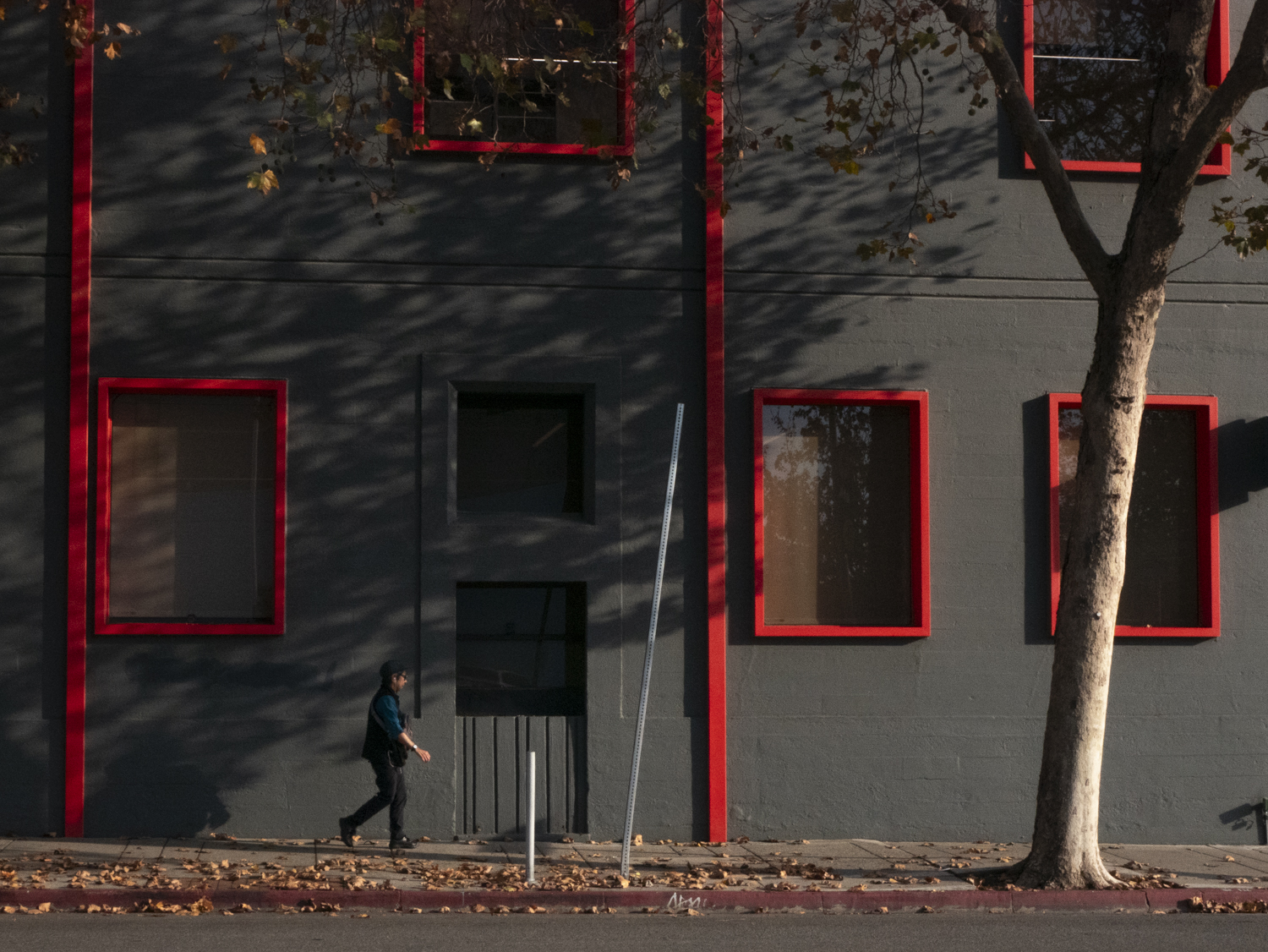
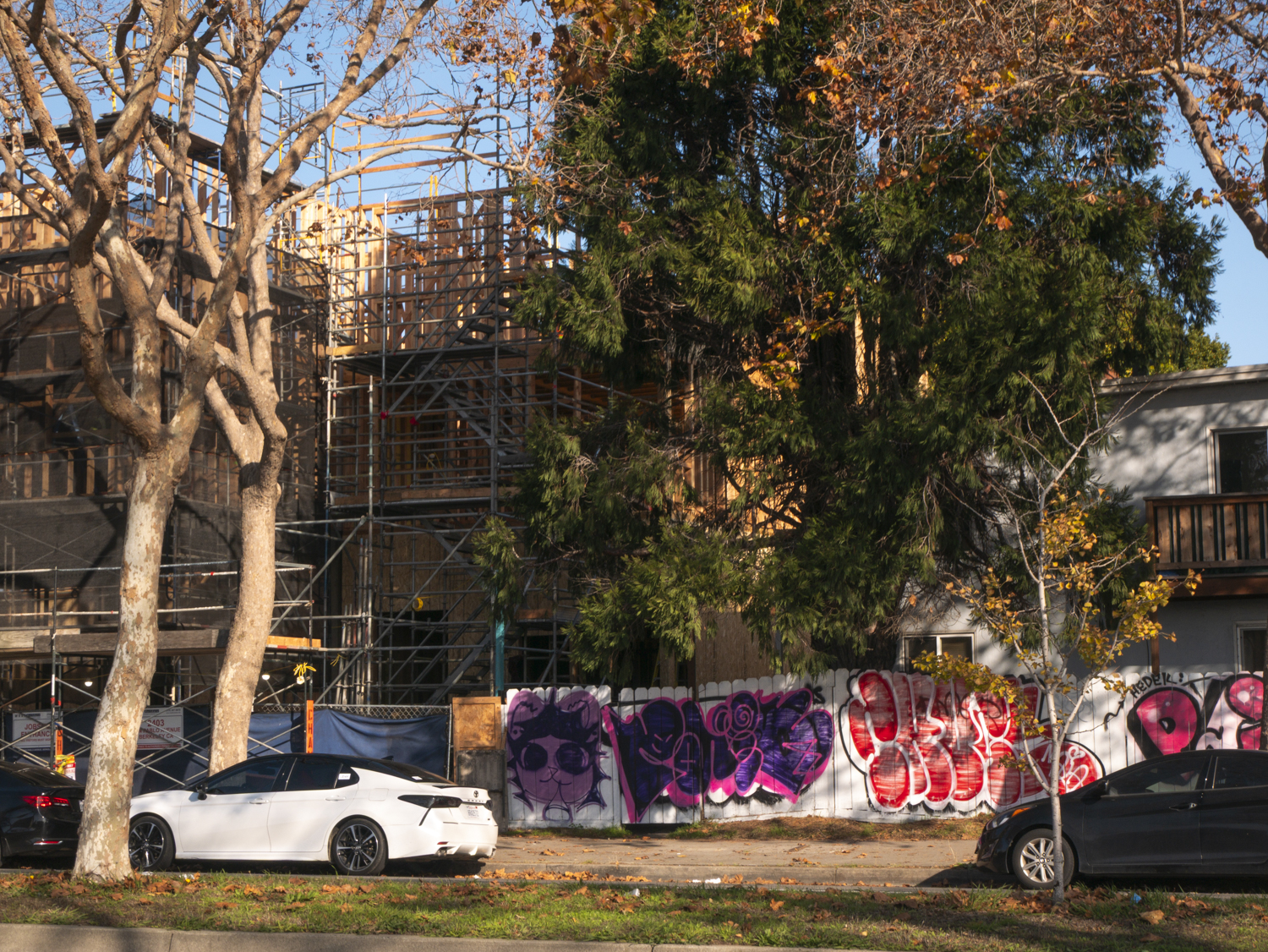
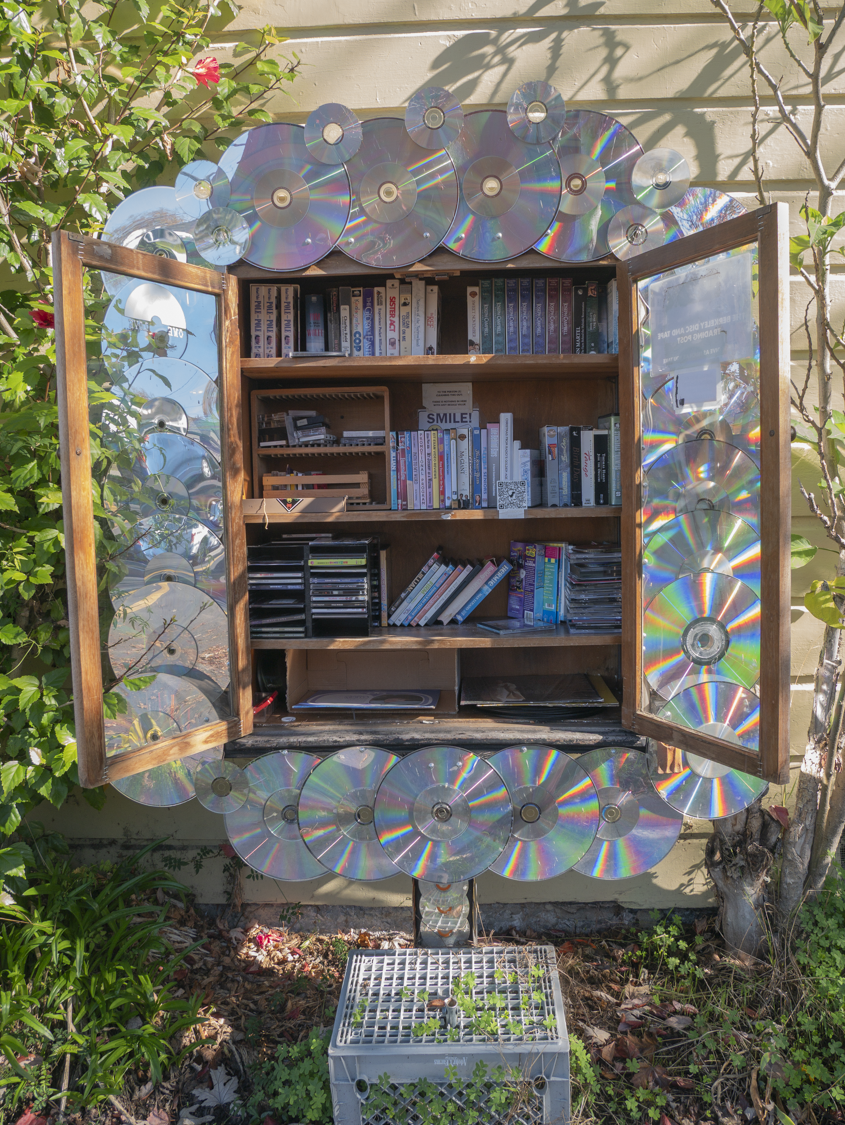
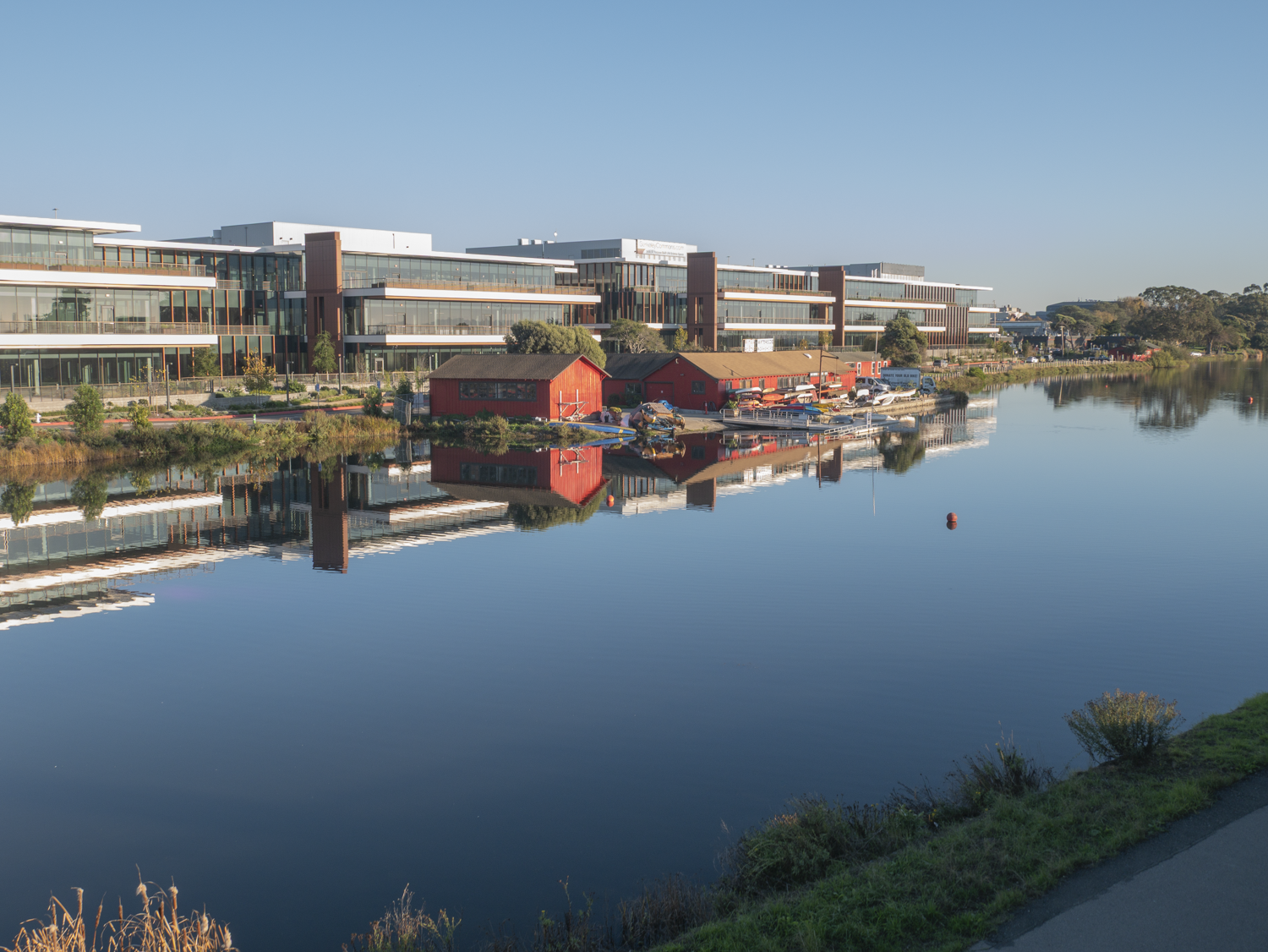
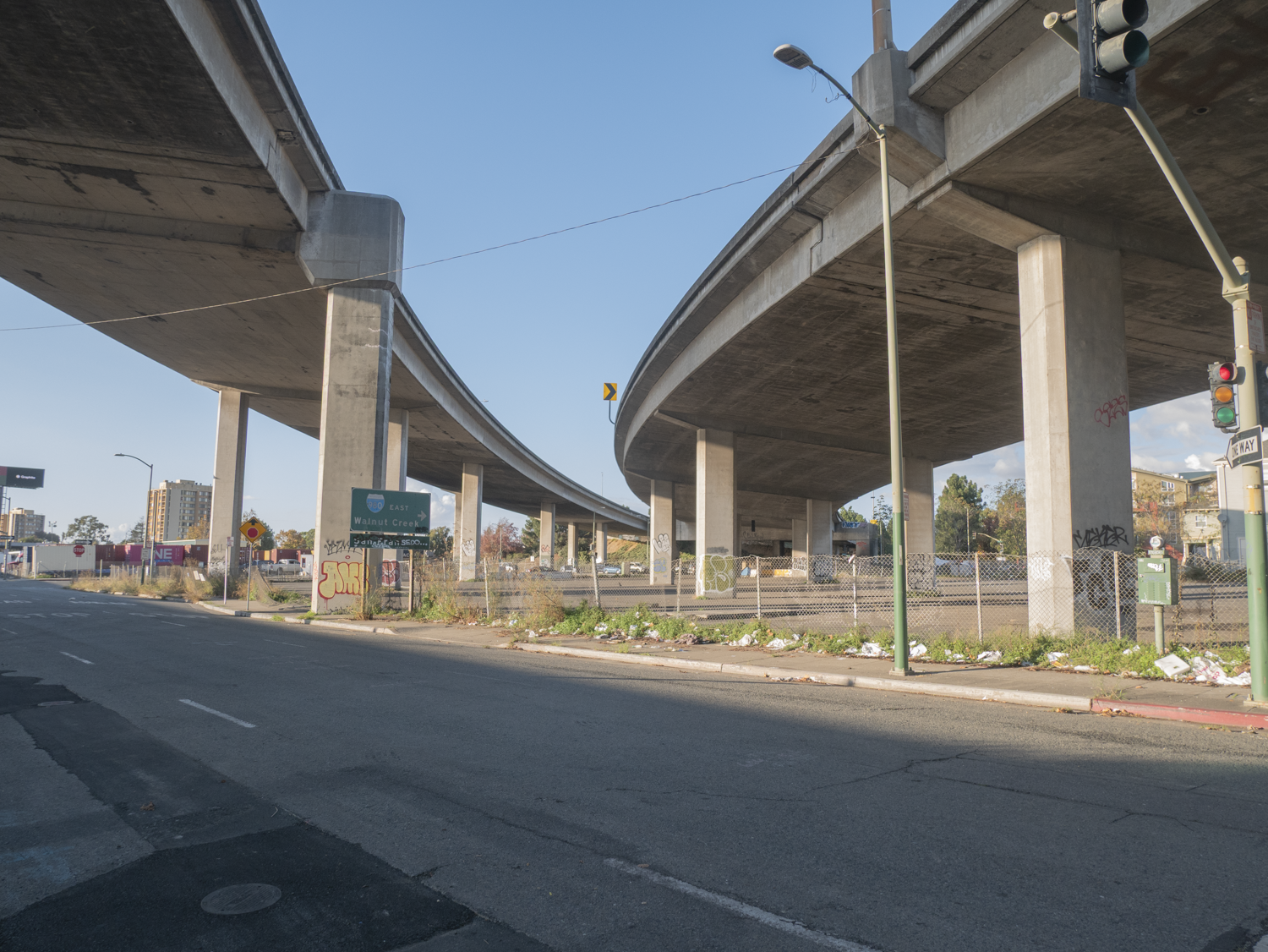
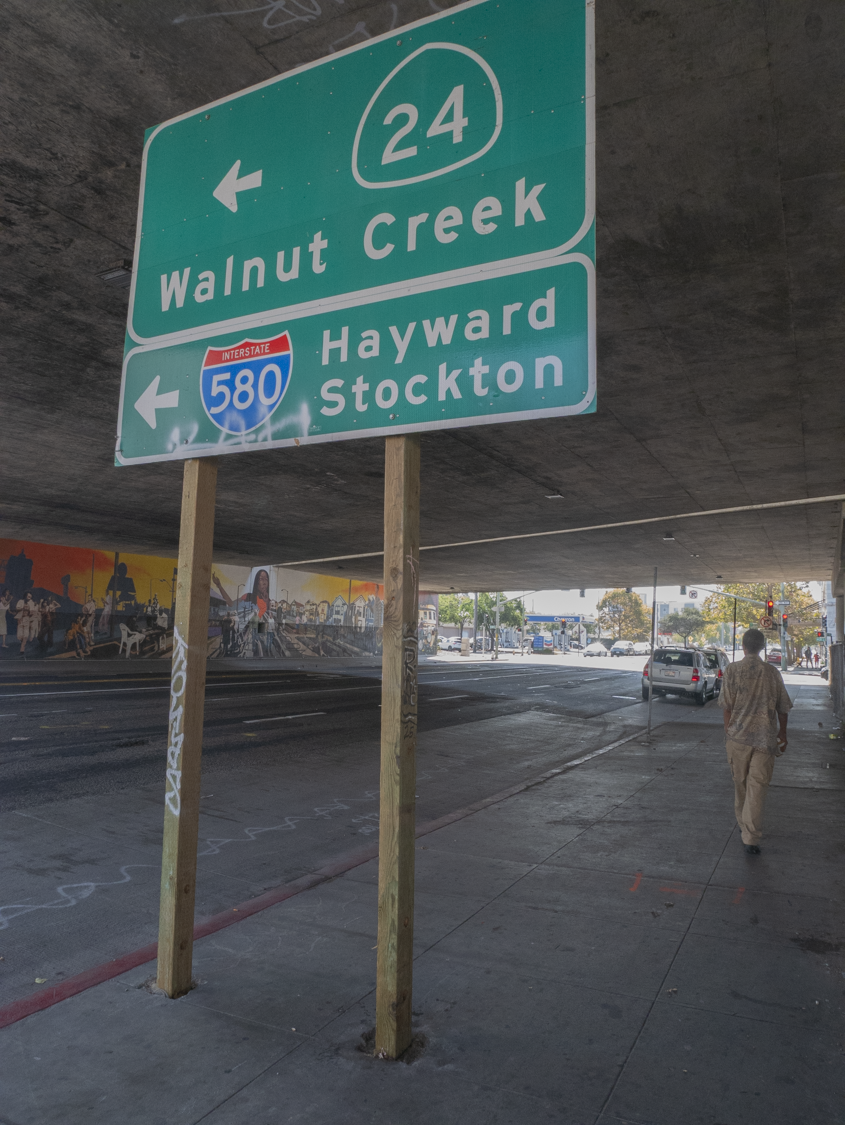
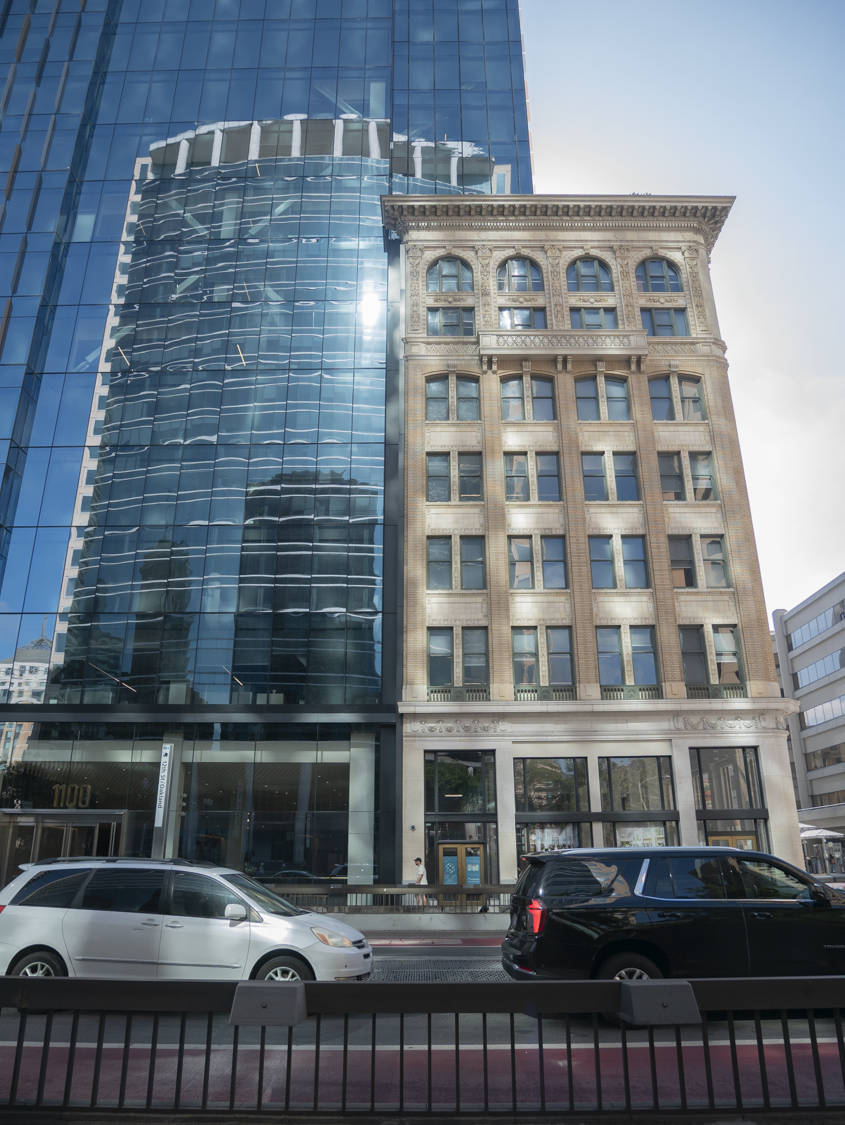
In my final work, I wanted to highlight how color and contrast interplay to be both visually appealing and to tell stories about development and belonging. On San Pablo you see remnants of deep Bay Area history side-by-side with brand new construction. Much of the stretch of San Pablo is actively gentrifying, but the differential speed of development creates a space that holds many time periods at once. There is a sense of spatial-temportal interconnectedness that Doreen Massey discusses in her paper Traveling Thoughts. My series attempts to take the viewer through a journey across space and time, moving between historic San Pablo and the recent additions to show both the jarring impact of redevelopment and how sometimes the ‘new’ and ‘old’ seem to blend together.
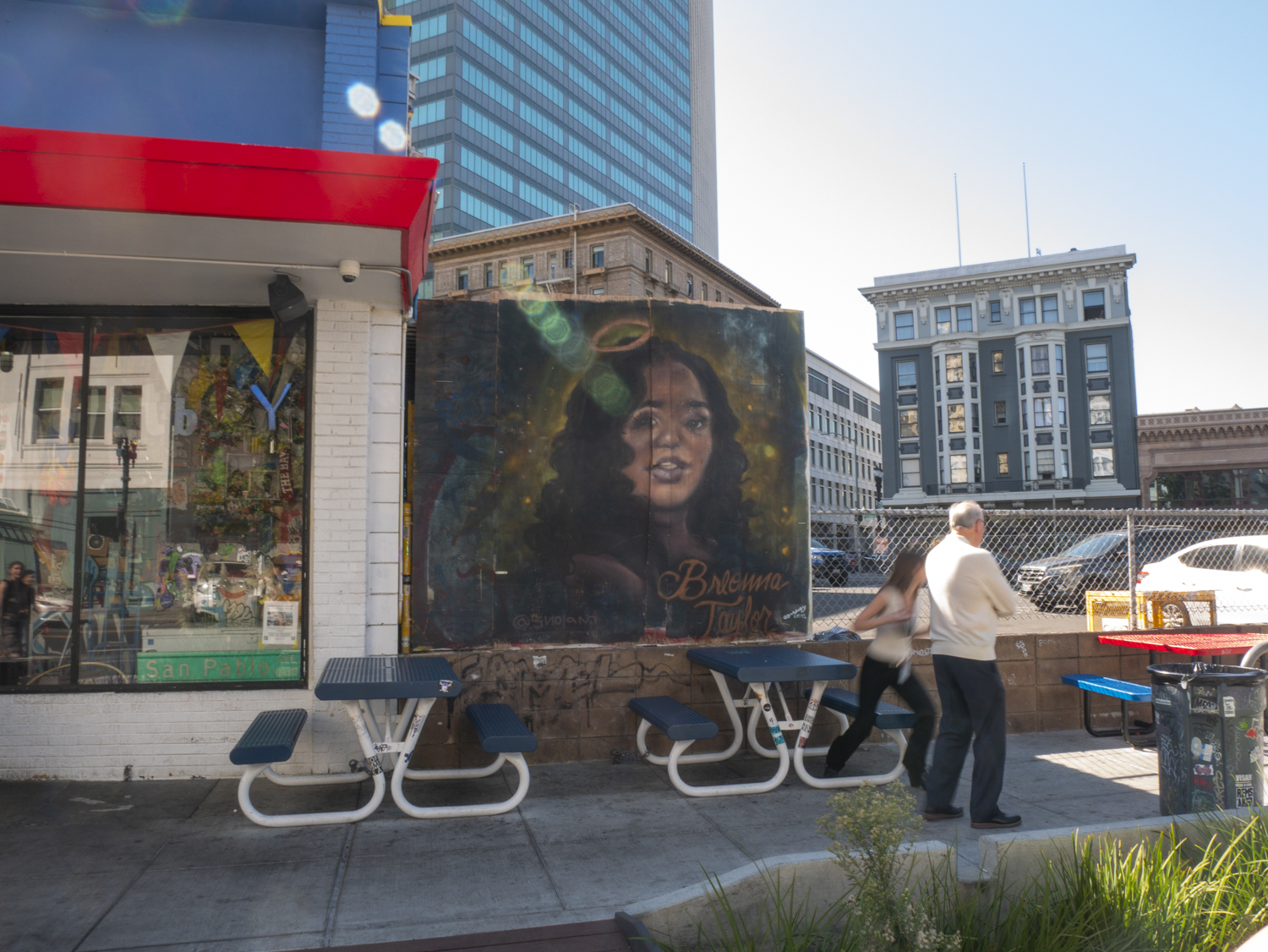
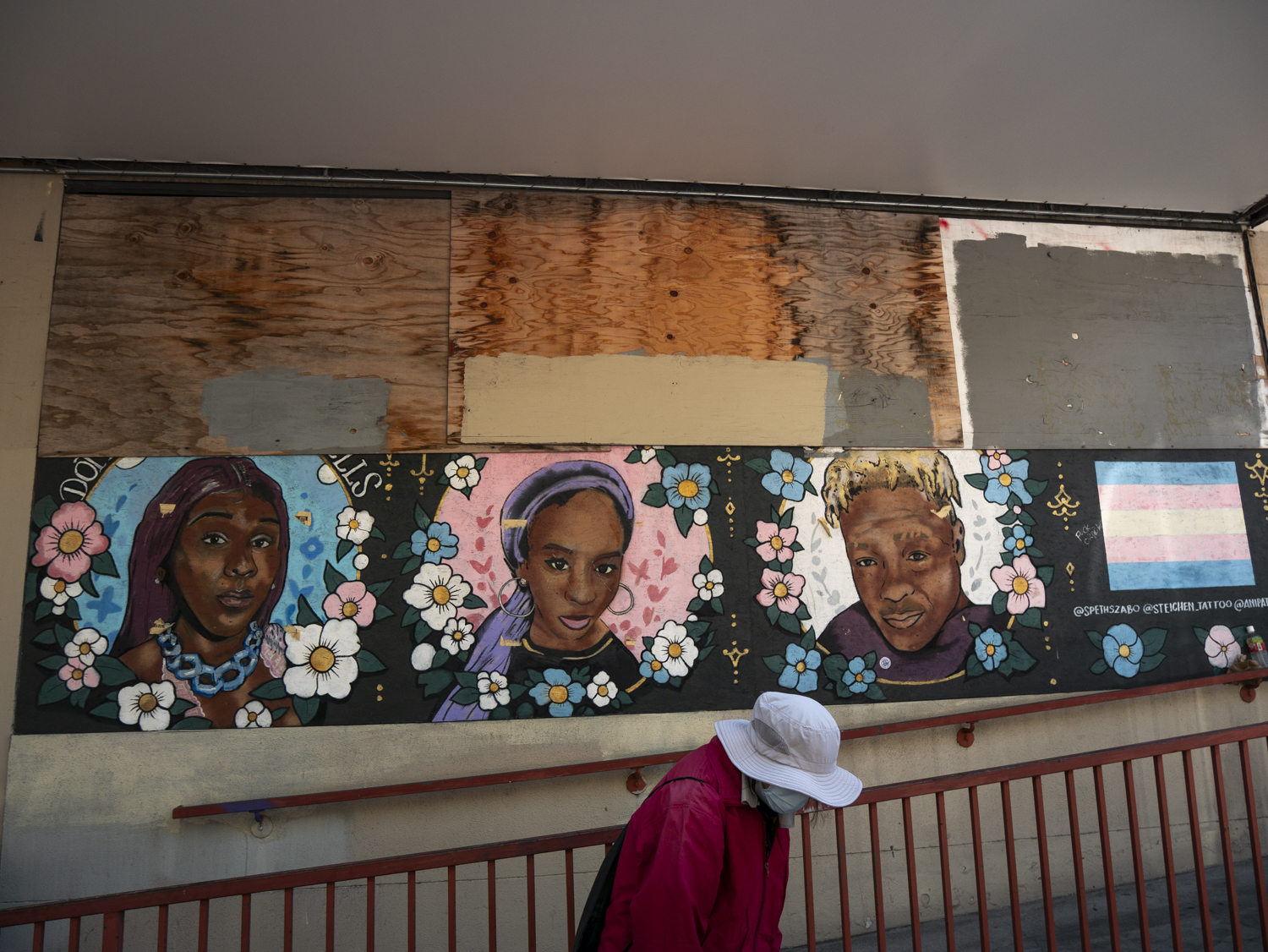
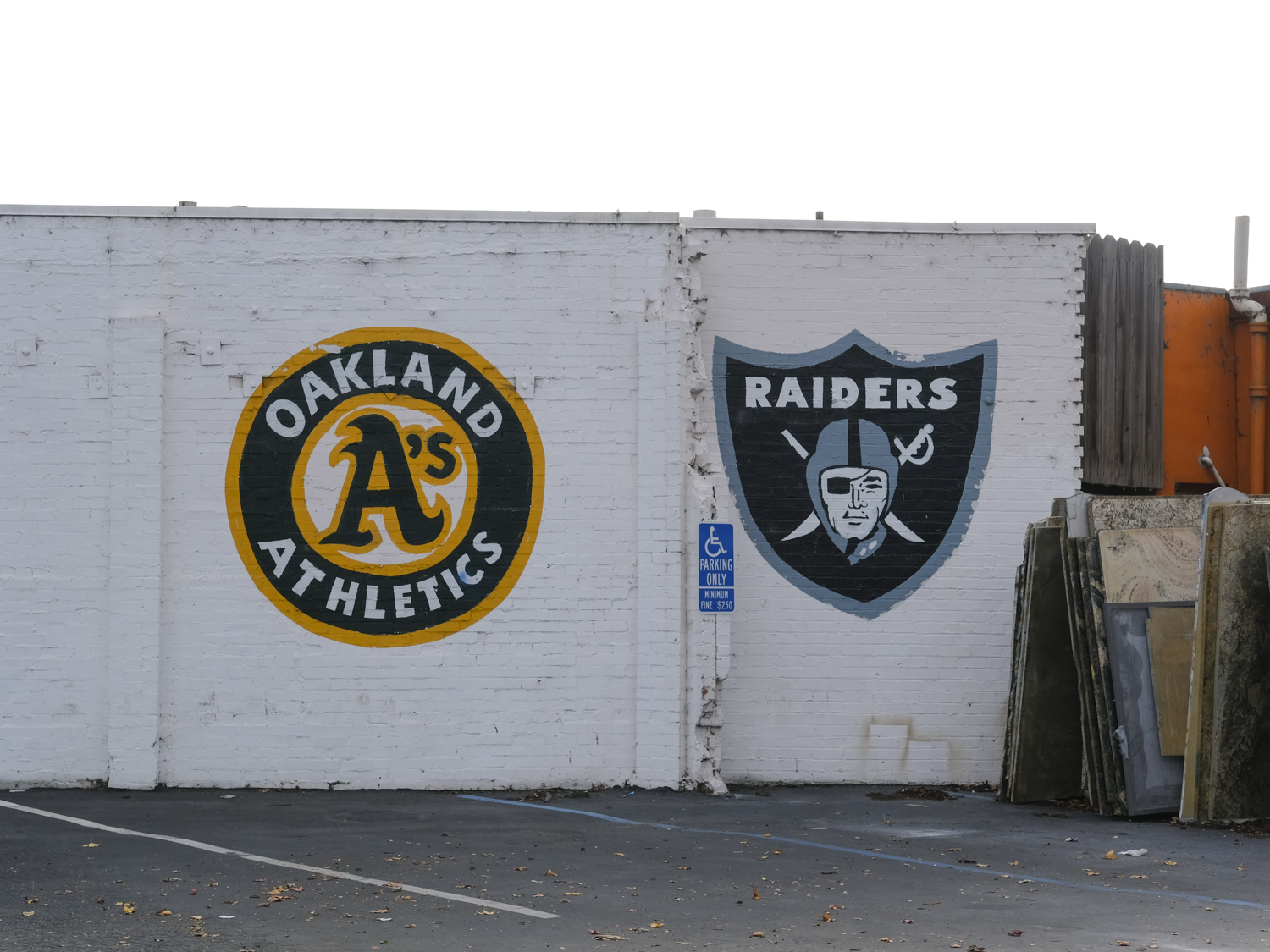
As a special testament to the ‘old,’ I really wanted to capture the beauty in what was seen as replaceable. It felt crucial to document the areas that are most vulnerable to change: the buildings behind the glaring yellow ‘Proposed Project’ signs, the murals along parking lot walls, the mom and pop shops founded decades ago. This also meant deeply engaging with the people along San Pablo, whose fates are often only treated as the byproduct of economic opportunity. As buildings are torn down and rebuilt, the people who have lived their lives in and around them are explicitly or implicitly pushed to the margins and eventually out of these areas.
I wanted to feature people within my photos as much as possible. The people who spend their days living, working, and moving along San Pablo are what give the street its character. As a guest, hearing and representing their stories as a part of my work felt vital in making a photo sequence that might encapsulate any aspect of San Pablo. Taking pictures of people was also something I really struggled with over the course of the class. I did not want to take pictures of people without their permission, but found it very uncomfortable to go up to someone and ask to take their picture. While that underlying fear still has not gone away, whenever I did go up to ask people to take their photos they were always very gracious, even when saying no. The kind interactions I had with strangers are some of my favorite memories I made along San Pablo this fall.
How do we value urban space in the era of gentrification and redevelopment?
Walking along San Pablo felt like living life at a different pace. At a moment in my life that has been so go-go-go, putting on the camera and moving block-by-block around the Bay forced me to be present. At times this act of slowing down felt at odds with the landscape. San Pablo is a state highway, built to be a liminal corridor for people driving up and down the East Bay. While some stretches of San Pablo (University Ave in Berkeley, Solano Ave in Albany, McBride Ave in Richmond) have a lived-in energy as people walk between work, shops, and restaurants, other sections (all of Emeryville, most of El Cerrito into Richmond) feel like they stretch on forever at a scale too large to be comfortable to a person traveling on foot. While these sparse sections could be exhausting to walk along, it felt especially important to find and highlight the small details that you would miss driving by in a car.
Moving through the world actively searching for beauty and stories gave me a deeper appreciation for the built environment around me. I would notice how an old car beautifully complemented in shape and shade to the buildings around it and could also see the car as a nod to the importance of San Pablo’s automotive industry. I could take a picture of a farmer’s market stand to capture the vibrant red color of the banner and to show the contagious joy of the woman selling the food. I had little experience with photography before this class and was struck by how effective photography is as a medium for memorializing visceral and complex relationships in an intuitive way.
In my final work, I wanted to highlight how color and contrast interplay to be both visually appealing and to tell stories about development and belonging. On San Pablo you see remnants of deep Bay Area history side-by-side with brand new construction. Much of the stretch of San Pablo is actively gentrifying, but the differential speed of development creates a space that holds many time periods at once. There is a sense of spatial-temportal interconnectedness that Doreen Massey discusses in her paper Traveling Thoughts. My series attempts to take the viewer through a journey across space and time, moving between historic San Pablo and the recent additions to show both the jarring impact of redevelopment and how sometimes the ‘new’ and ‘old’ seem to blend together.
As a special testament to the ‘old,’ I really wanted to capture the beauty in what was seen as replaceable. It felt crucial to document the areas that are most vulnerable to change: the buildings behind the glaring yellow ‘Proposed Project’ signs, the murals along parking lot walls, the mom and pop shops founded decades ago. This also meant deeply engaging with the people along San Pablo, whose fates are often only treated as the byproduct of economic opportunity. As buildings are torn down and rebuilt, the people who have lived their lives in and around them are explicitly or implicitly pushed to the margins and eventually out of these areas.
I wanted to feature people within my photos as much as possible. The people who spend their days living, working, and moving along San Pablo are what give the street its character. As a guest, hearing and representing their stories as a part of my work felt vital in making a photo sequence that might encapsulate any aspect of San Pablo. Taking pictures of people was also something I really struggled with over the course of the class. I did not want to take pictures of people without their permission, but found it very uncomfortable to go up to someone and ask to take their picture. While that underlying fear still has not gone away, whenever I did go up to ask people to take their photos they were always very gracious, even when saying no. The kind interactions I had with strangers are some of my favorite memories I made along San Pablo this fall.
On our final photography trip, our class returned to the Berkeley part of San Pablo. While on lunch break, Gabi and I went to explore the residential areas around the University Ave intersection. We were taking pictures of a beautiful, historic multi-family home, when one of the residents came out and started talking to us. After learning that we were in a photography class, she invited us inside to get a better look at their home and introduce us to other residents. She led us around their property and offered us tea once we had taken a break from taking pictures. We spent an hour chatting in their backyard learning that this property had once been workers housing for a nearby factory and was now a cooperative living space. Gabi and I were able to share about our own experiences living in student co-ops at Berkeley. It was a really heartwarming experience and it was very interesting to see this beautiful example of communal, affordable housing in an area that is so expensive to live in. Having this interaction and learning more about the neighborhood gave me an even deeper appreciation for this area that I already loved.
Especially for pictures of people and vulnerable areas, I wanted to make sure my images were not extractive. Over the course of this class, the general sense I developed was that the camera can be alienating if you do not fully engage with your subject, but in so many ways it can be a tool for connection and learning. After Gabi and I visited the co-op, the woman asked us to share the pictures we took so they could be used on the co-op’s website. It felt nice to give something back after having such a special experience. I wanted to lead with a sense of curiosity and openness when taking pictures, which, for me, sometimes meant not prioritizing the pictures. What made our visit to the co-op so special was the human connection, not the pictures we got as a result. Gabi and I left the co-op without ever taking a picture of the woman who invited us in. While this felt like a big missed opportunity at first, now it feels like a beautiful testament to the fact that it is okay for the images we make to be a secondary consideration sometimes. I feel guided by the idea that the most important thing I was gaining in this course was a new sense of place for San Pablo, and the photos were a central, but not exclusive, means of building this understanding.
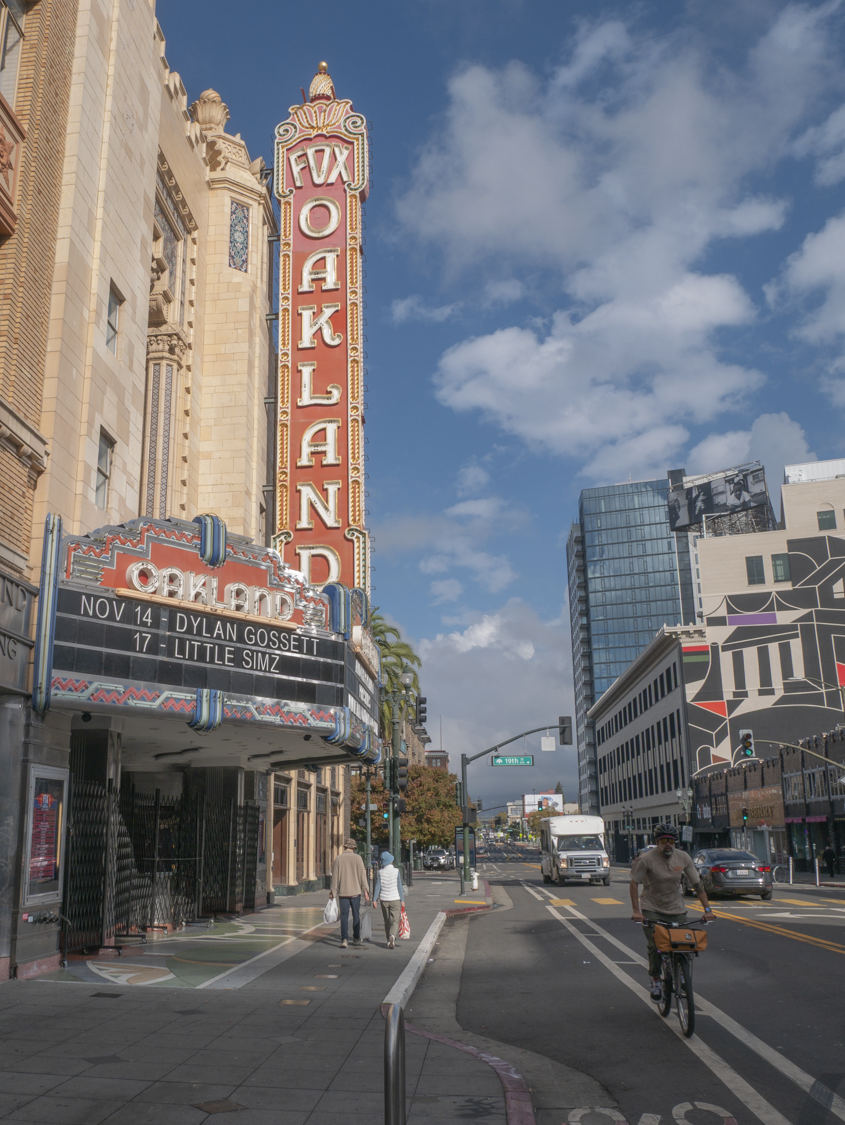
I appreciated getting to revisit places I was familiar with through the new perspective of street photography, and many of my favorite photos came from these trips. Photos from Oakland and Berkeley compose the majority of my final sequence. Growing up in Oakland, I have spent a lot of time along these stretches of San Pablo. I have a lot of love for many of the places we visited on these trips, and I think this showed through in the pictures I took. Finding new locations felt even more special and unexpected in the areas I thought I knew so well. Having a sense of belonging and feeling less like an outside presence on these trips made me more comfortable talking to strangers and asking to take their picture. We also did two visits to both of these locations. Going to the same place twice allowed me to reflect on what I liked best about the first trip and return with focused intention.
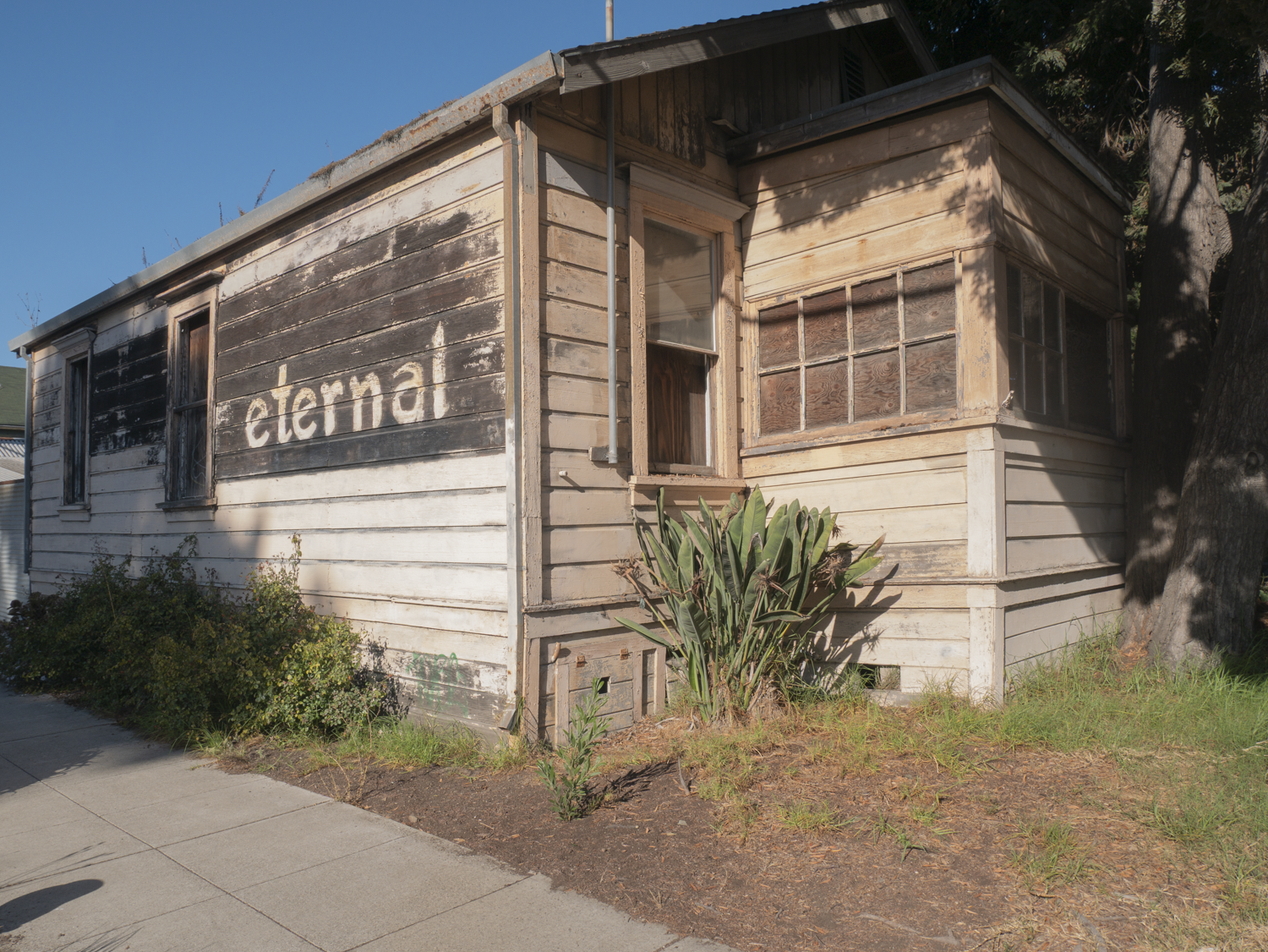
Our Friday walks became a time that I cherished, when I could engage fully with the people and places around me. The photos I took became a way to connect with and appreciate the street that hosted us every week, creating a fragmented narrative that captures my observation and emotions. As our class traveled, San Pablo not only made an impact on all of us, we shaped the street in turn. Our reciprocal relationship making photos and building understanding made us a part of the environment. I like to think that seeing a gaggle of students meandering around with cameras made people’s Friday more interesting. That seeing a crowd of sixteen people intently taking pictures of the front of an abandoned party supply store makes someone reconsider the property as more than shovel ready land.
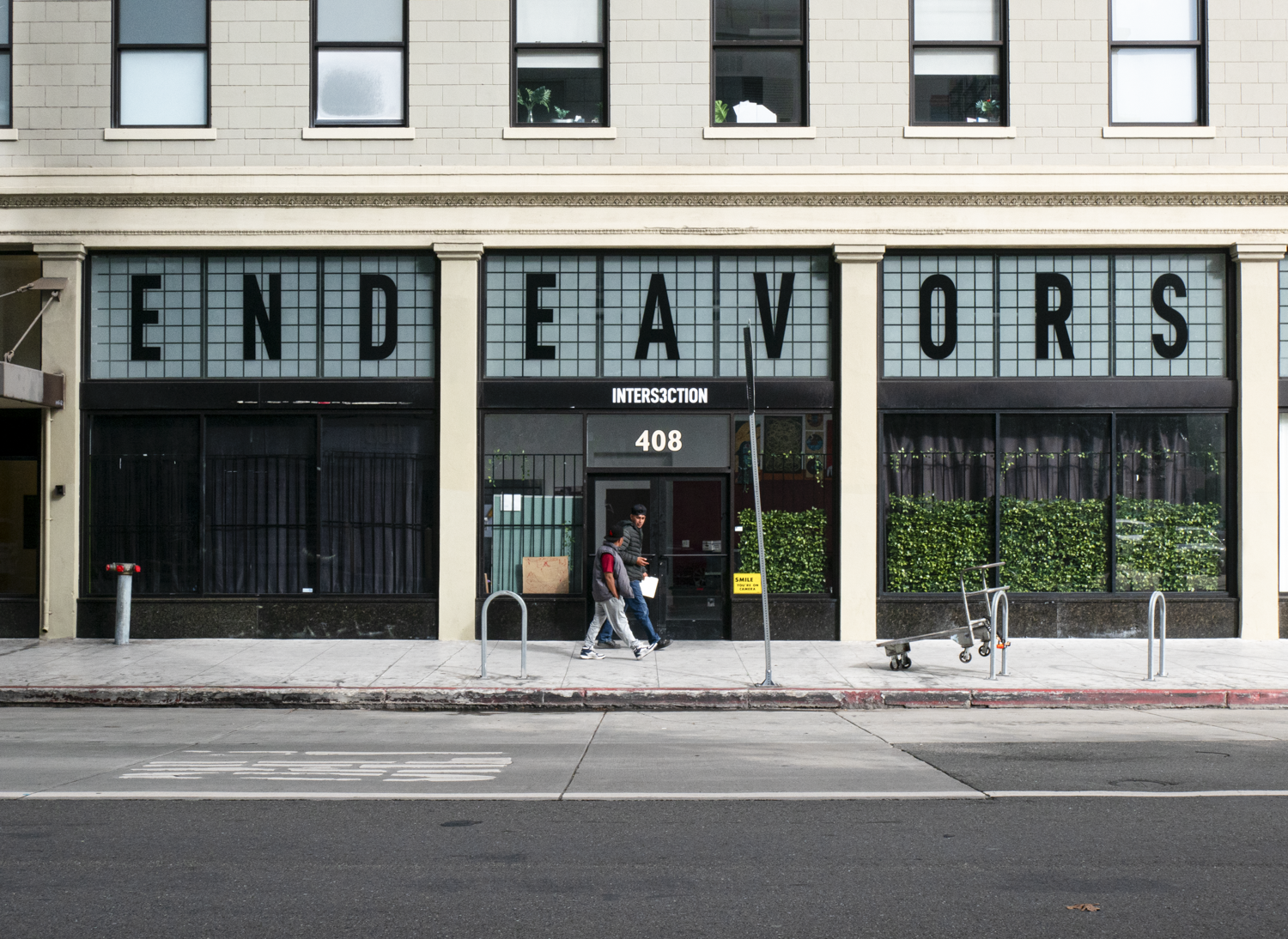
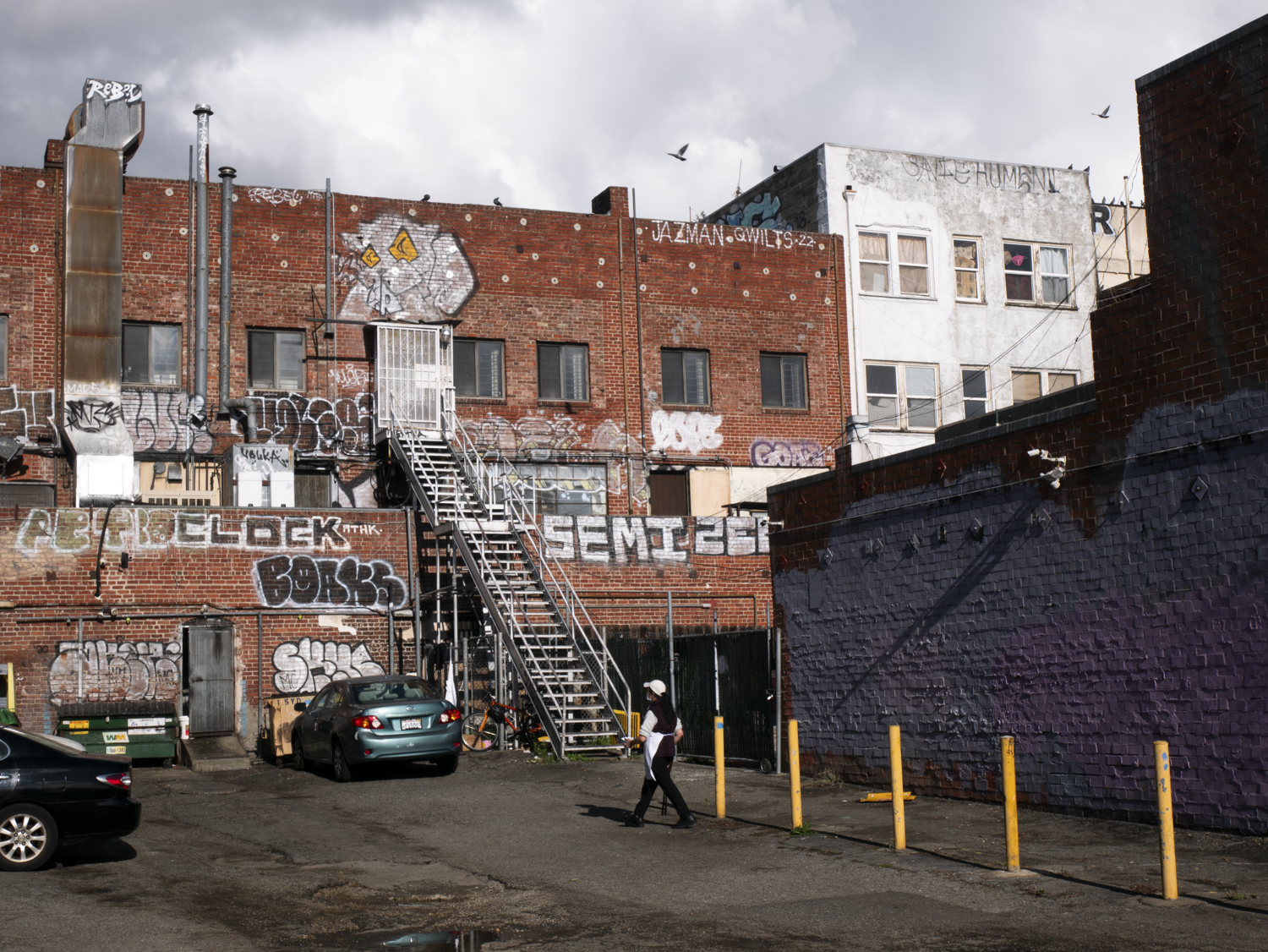
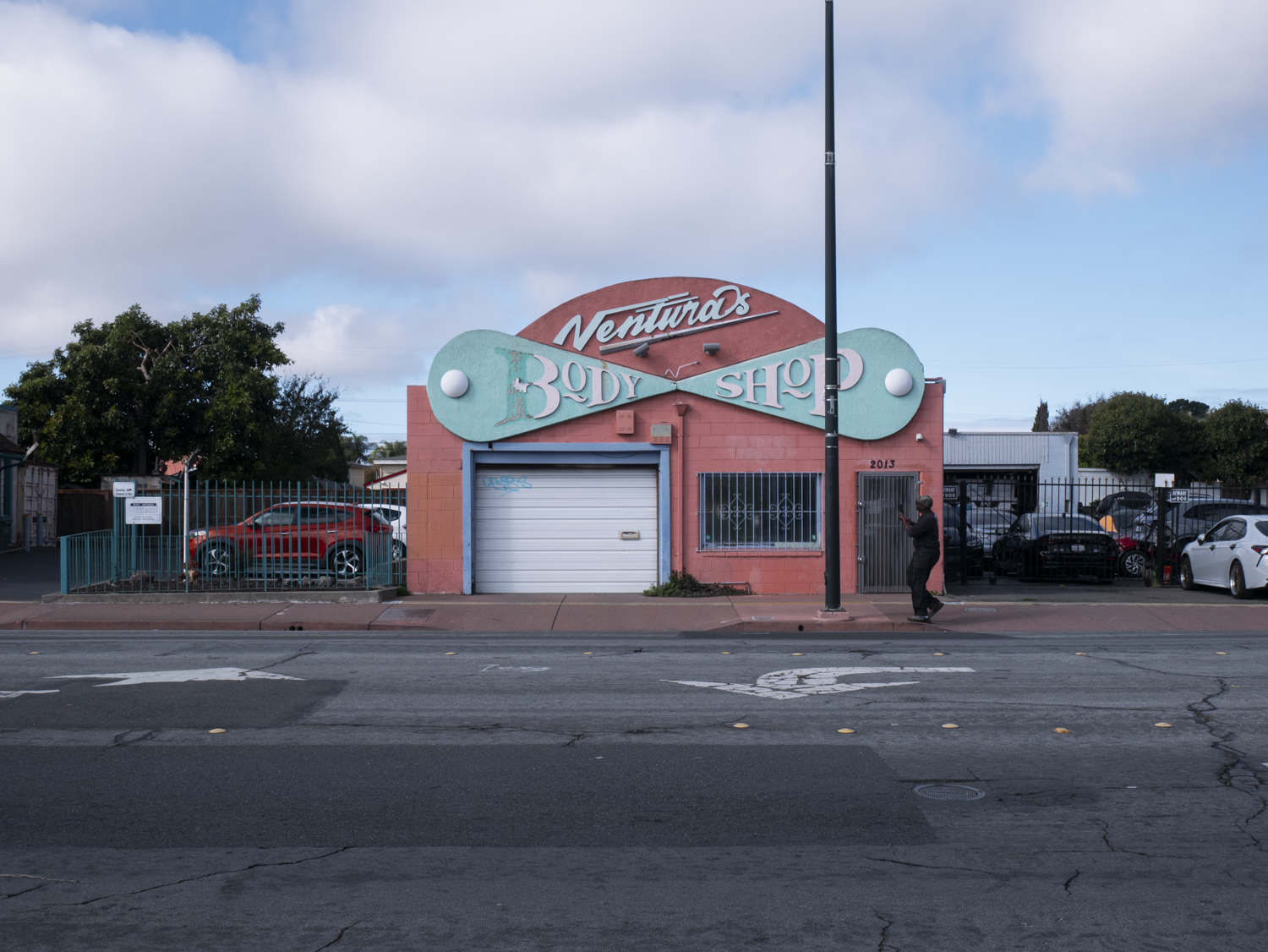
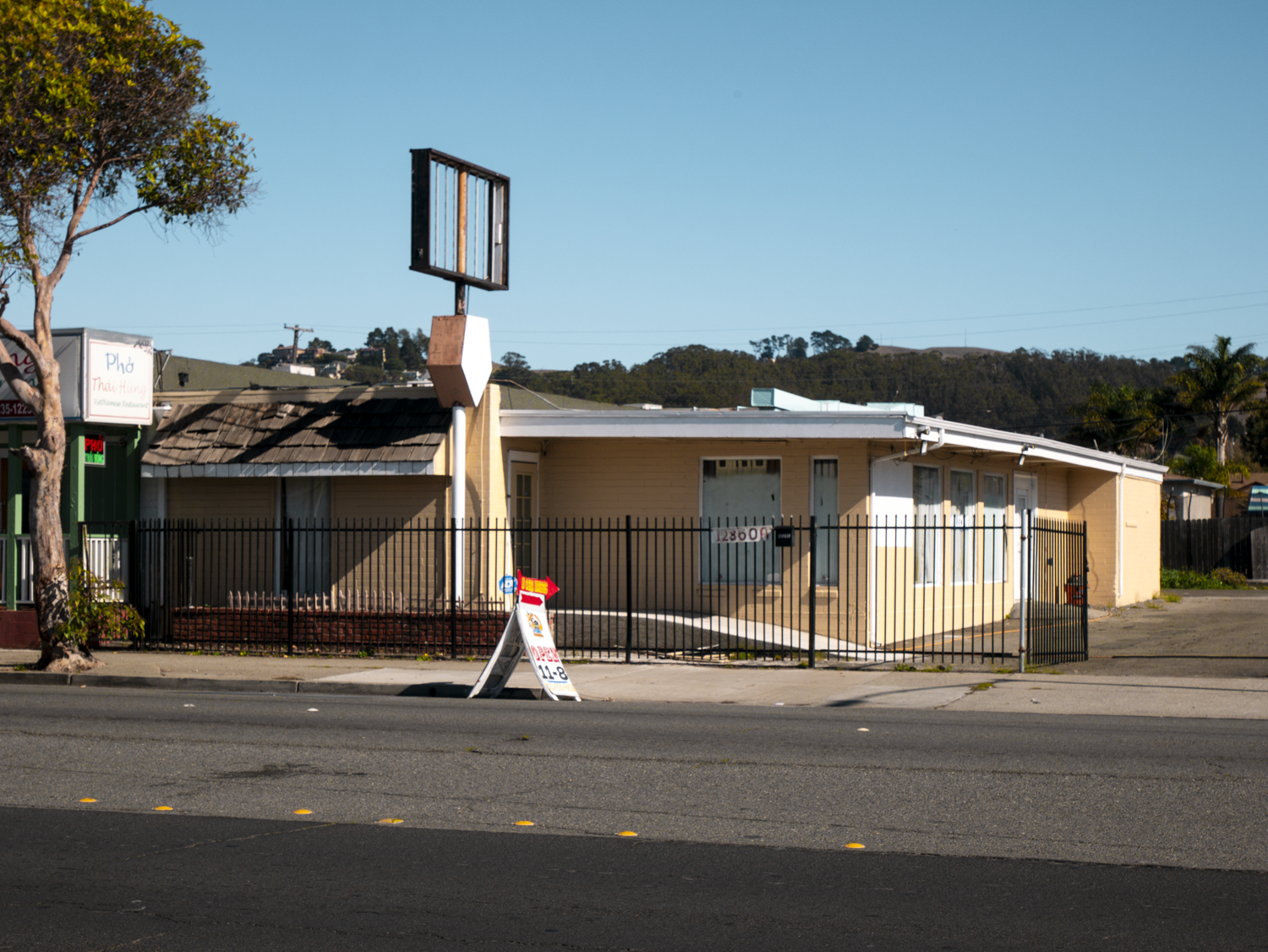
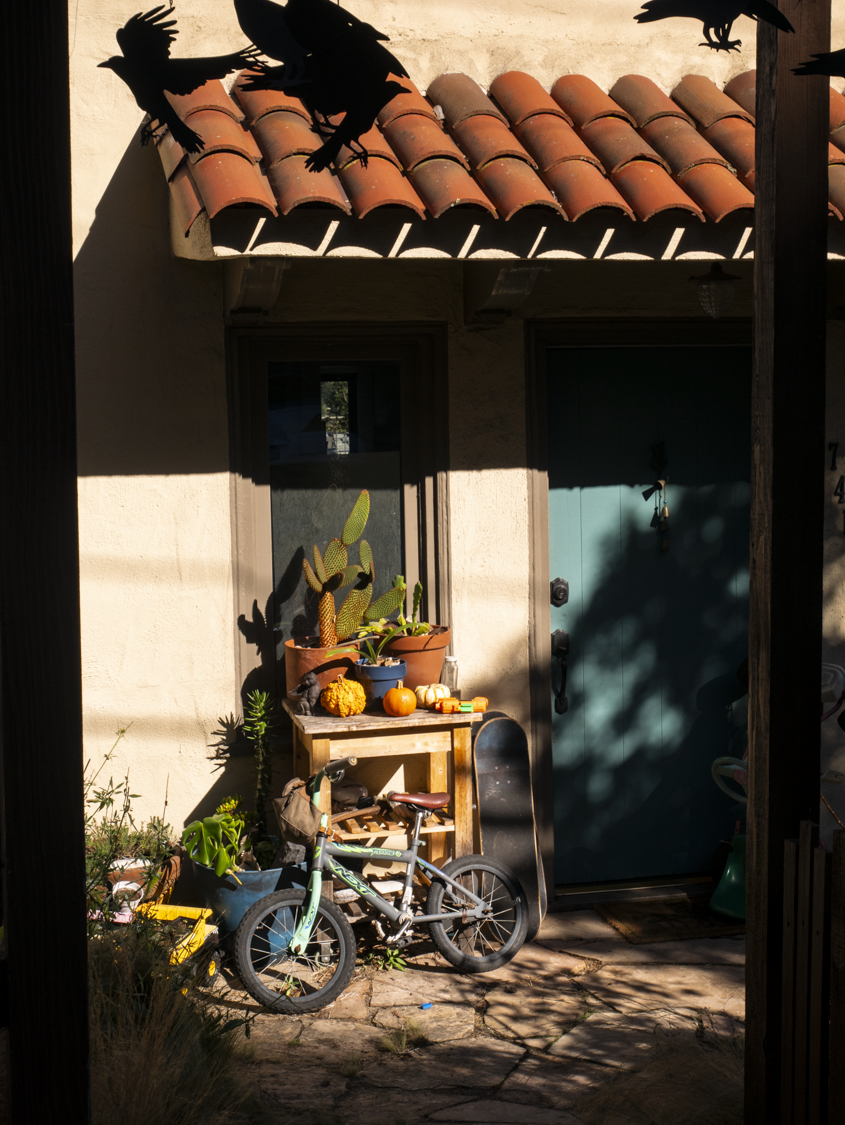
Amber Moments by Gracie Dai
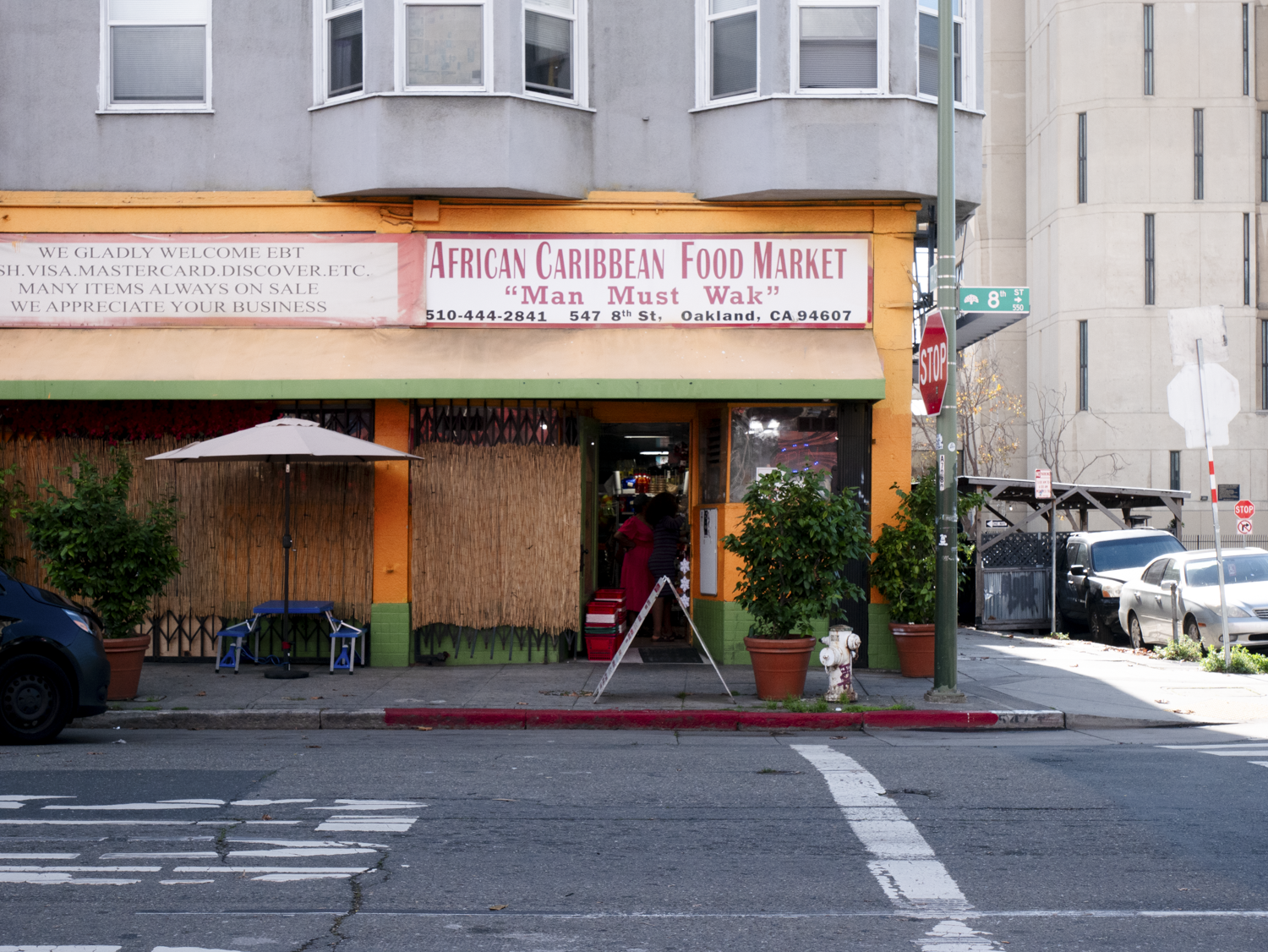
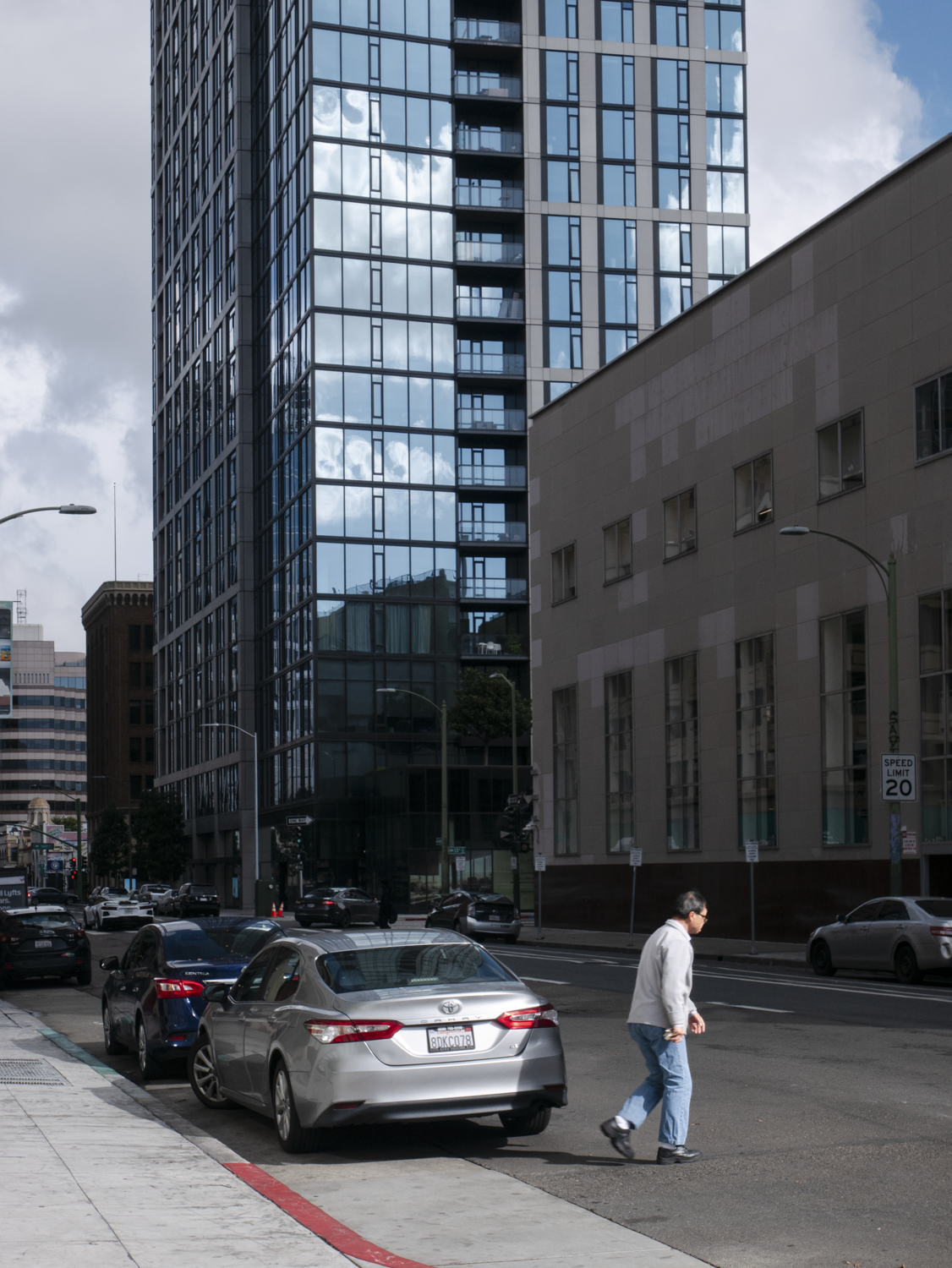
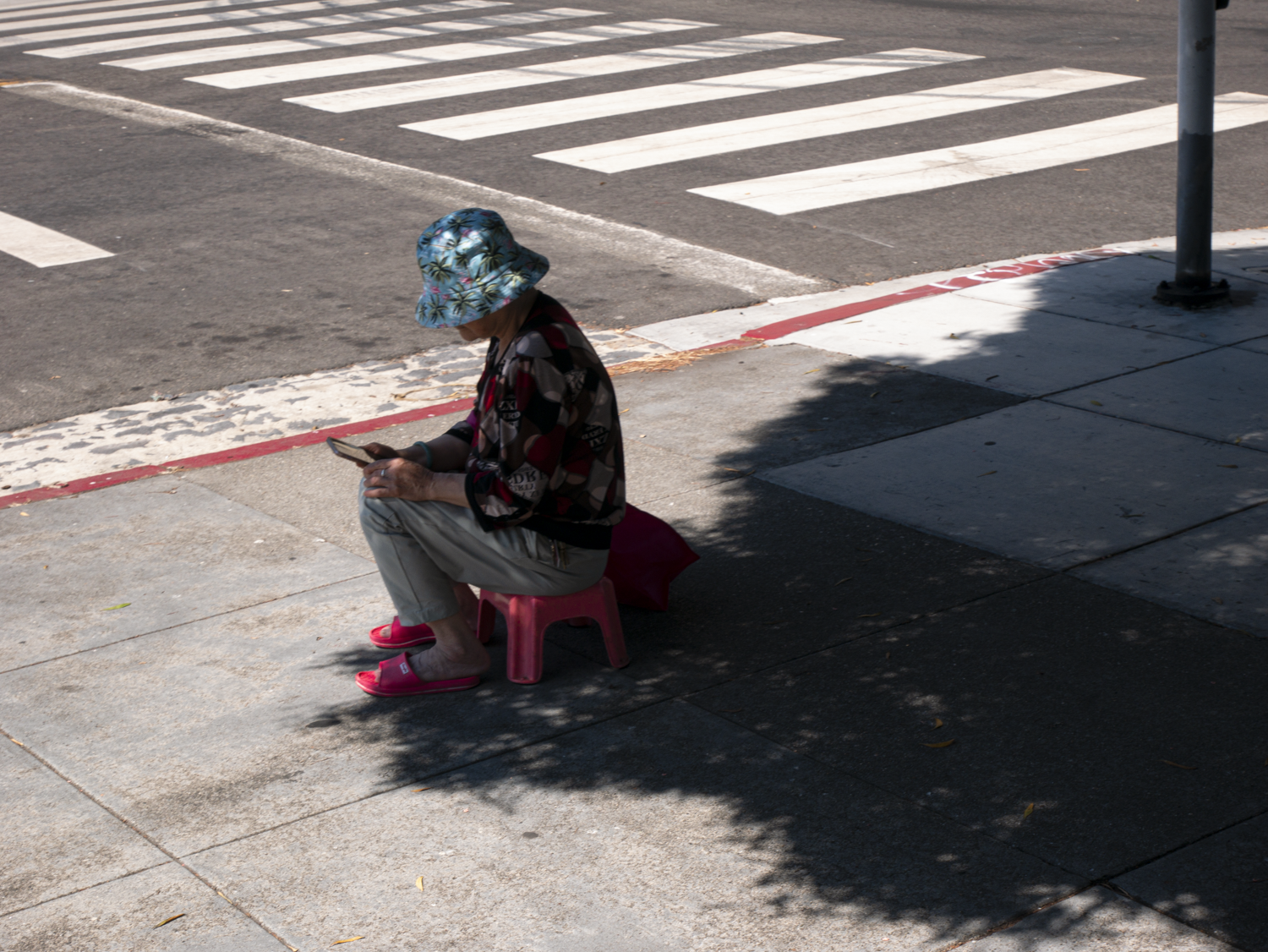
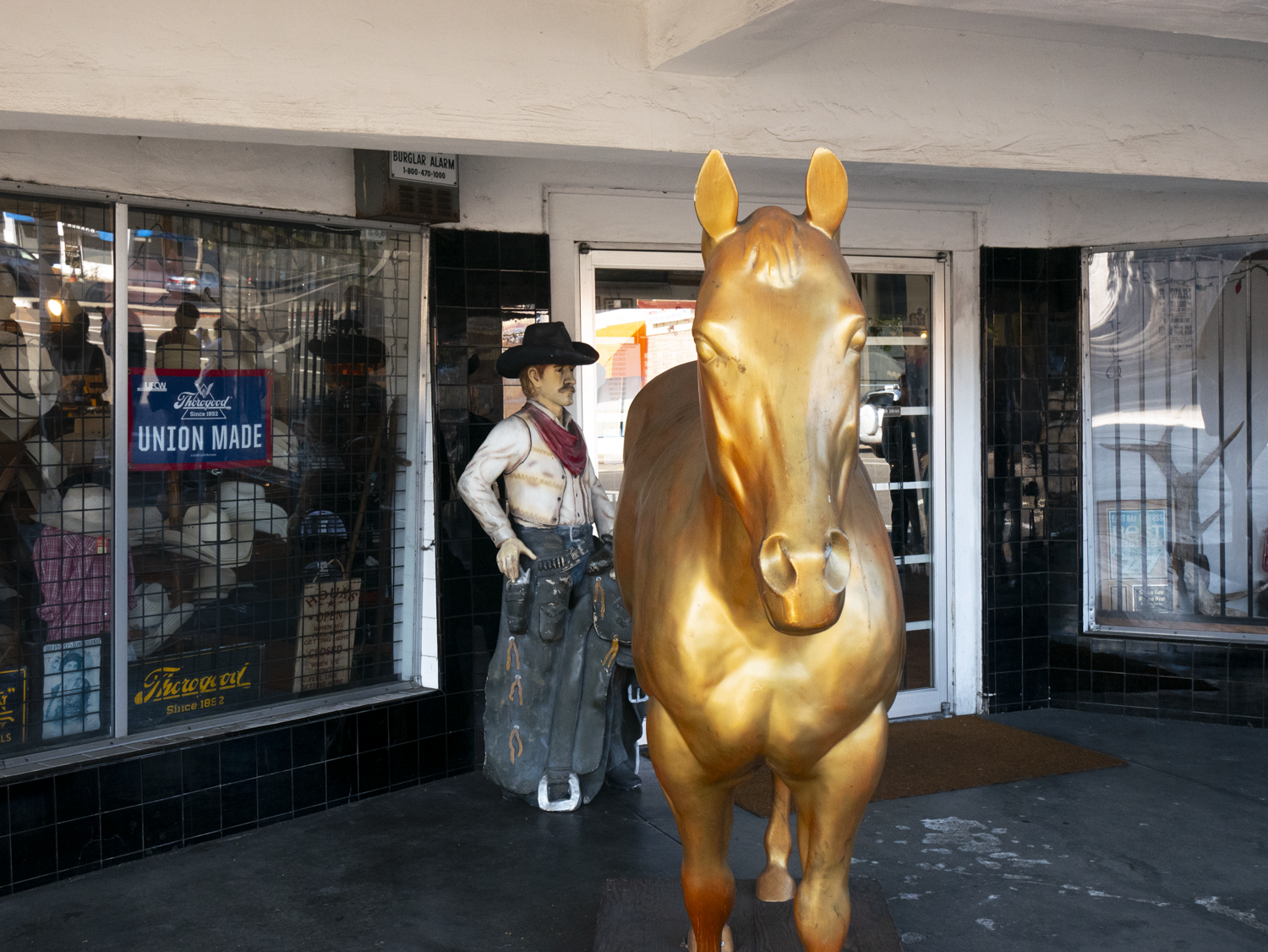
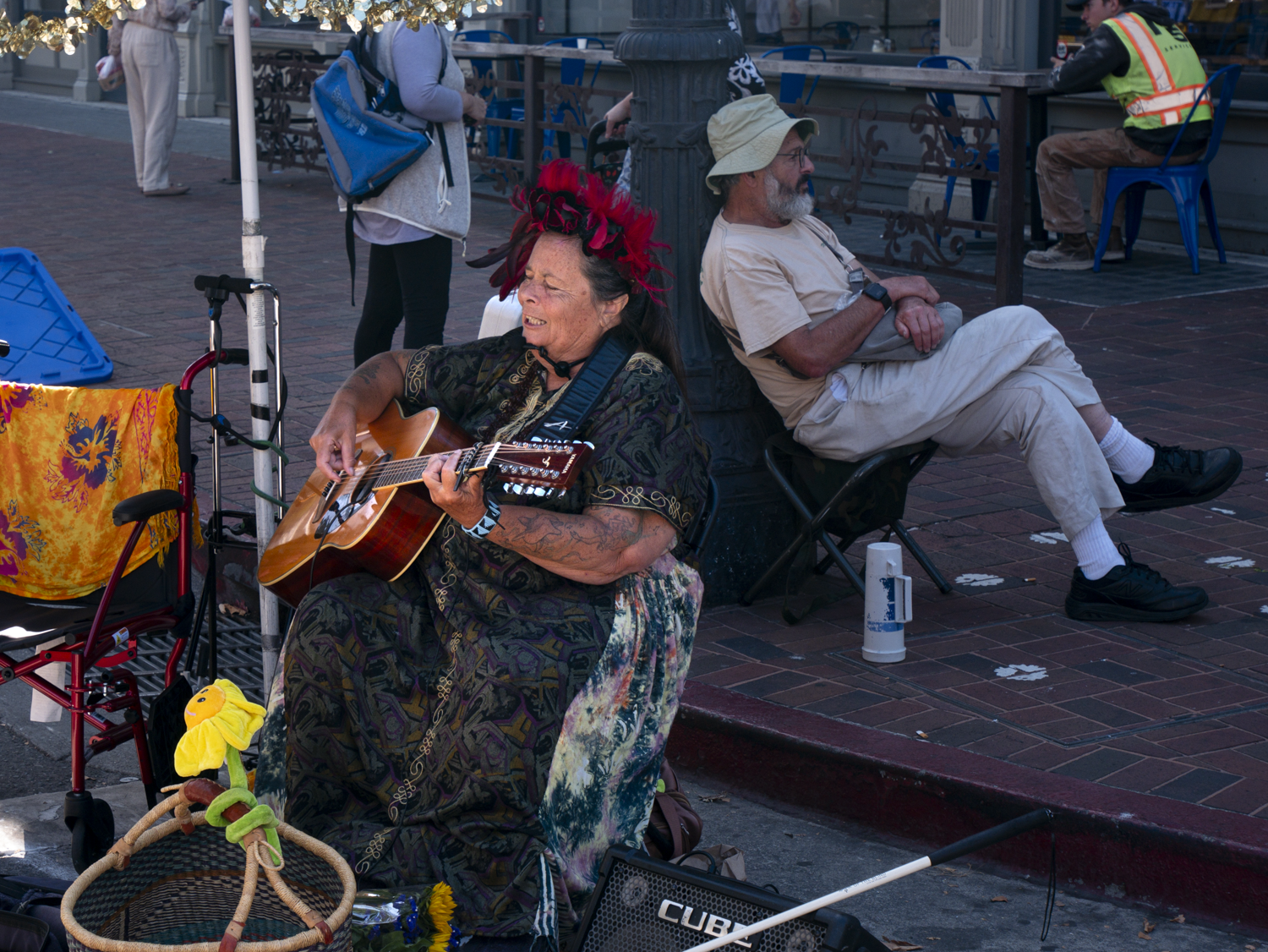
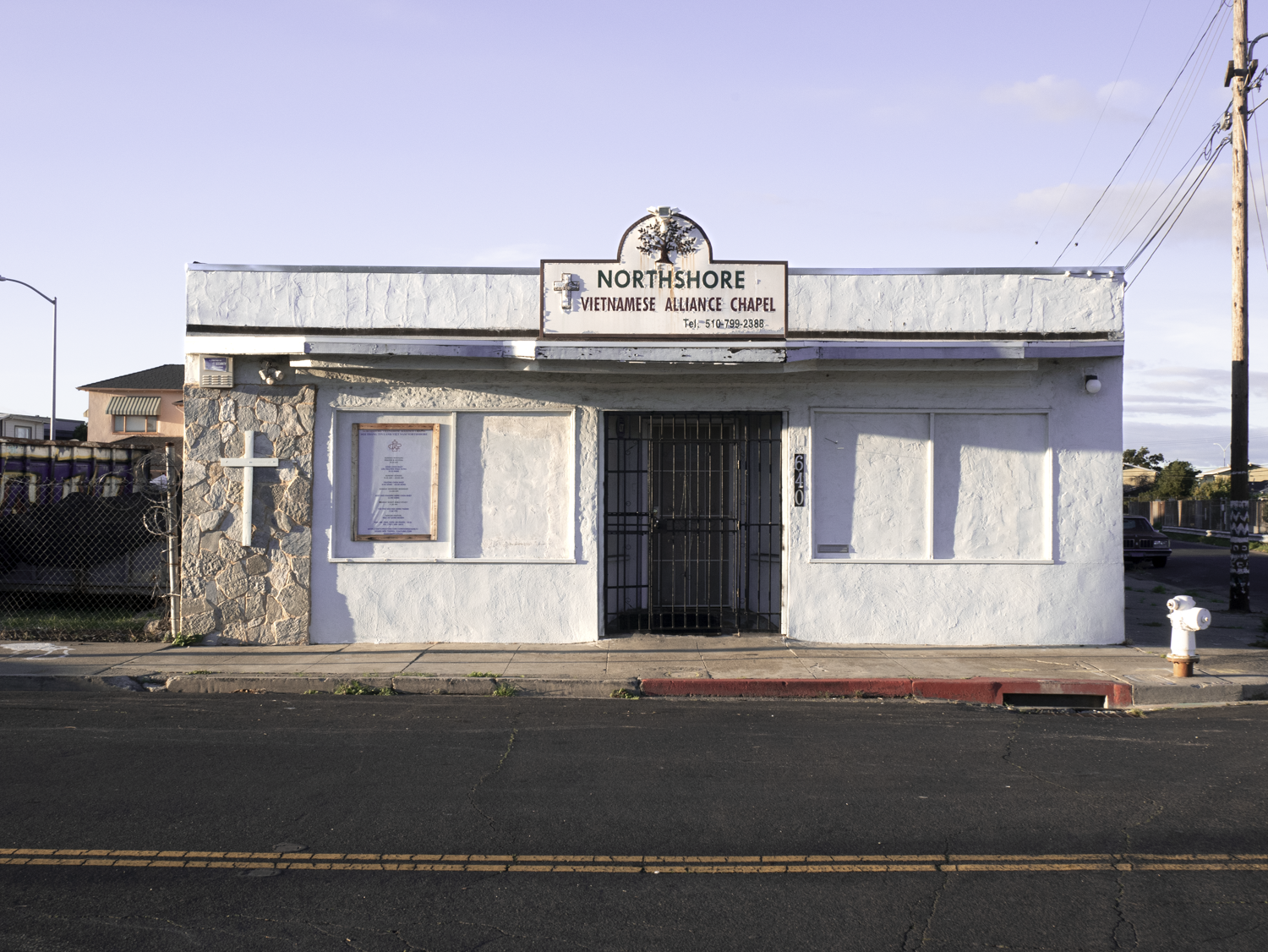
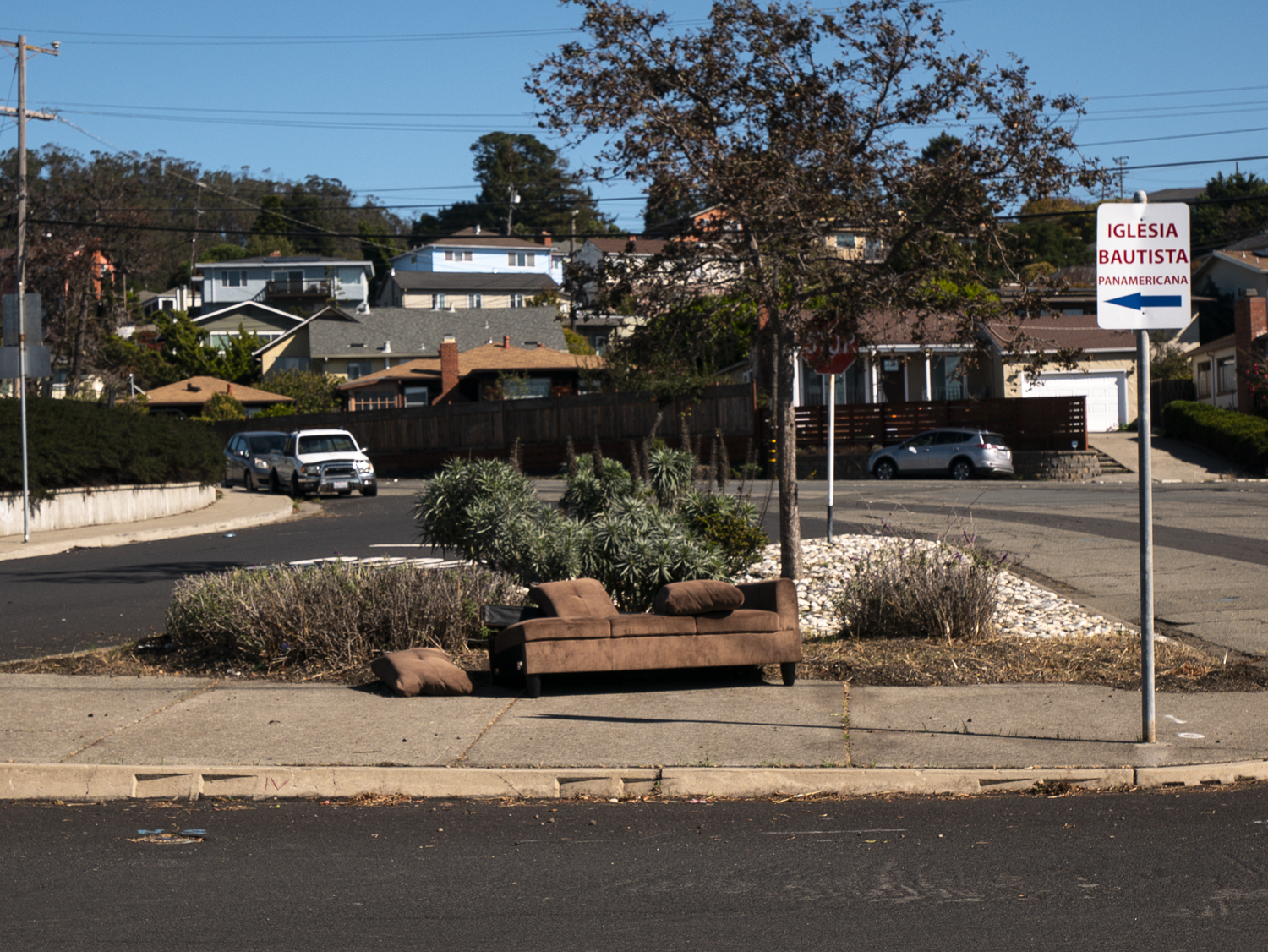
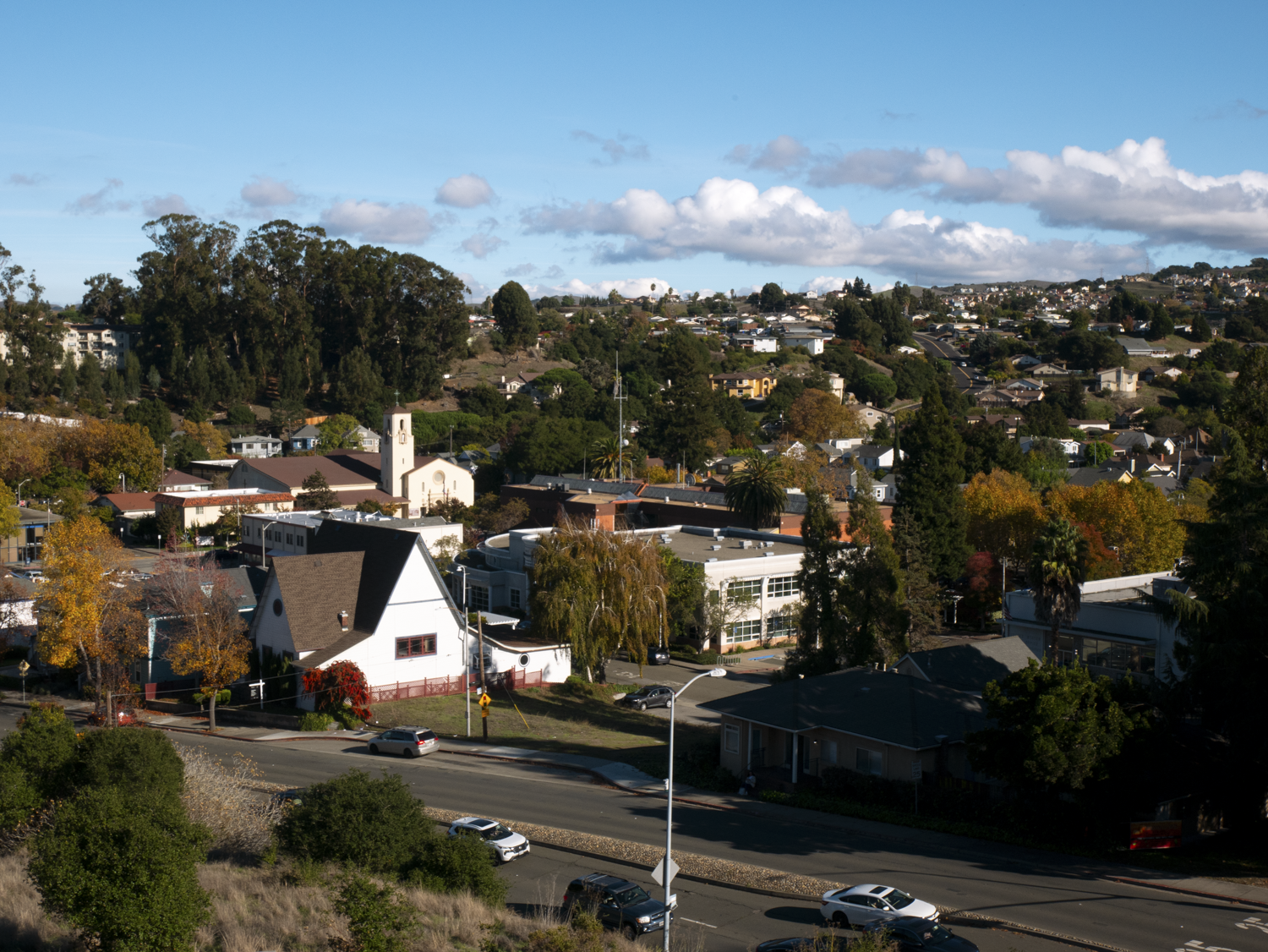
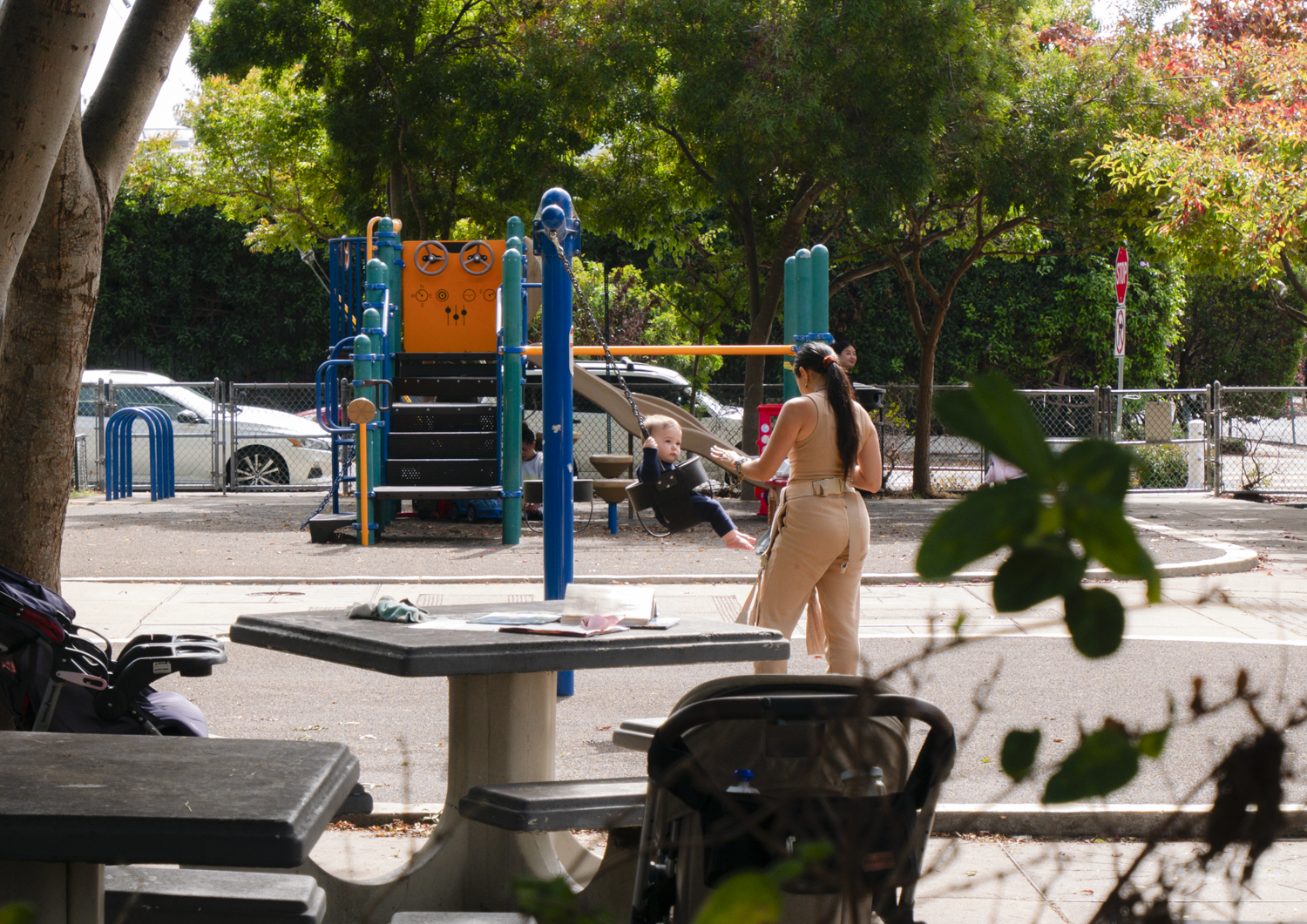
Walking along San Pablo Avenue has been an enriching experience for me as the path tells a story that is both deeply rooted and constantly evolving – a story shaped by the presence and perseverance of immigrant communities who have built lives along its 23-mile stretch. When people view my photos, I want them to understand that San Pablo is more than a road connecting multiple cities; it is a cultural corridor shaped by countless individuals whose daily routines, businesses, and interactions form the avenue’s heartbeat. Many of these residents remain underrepresented in public conversations or civic decision-making, yet their contributions are unmistakable in the physical and cultural landscape of the street.
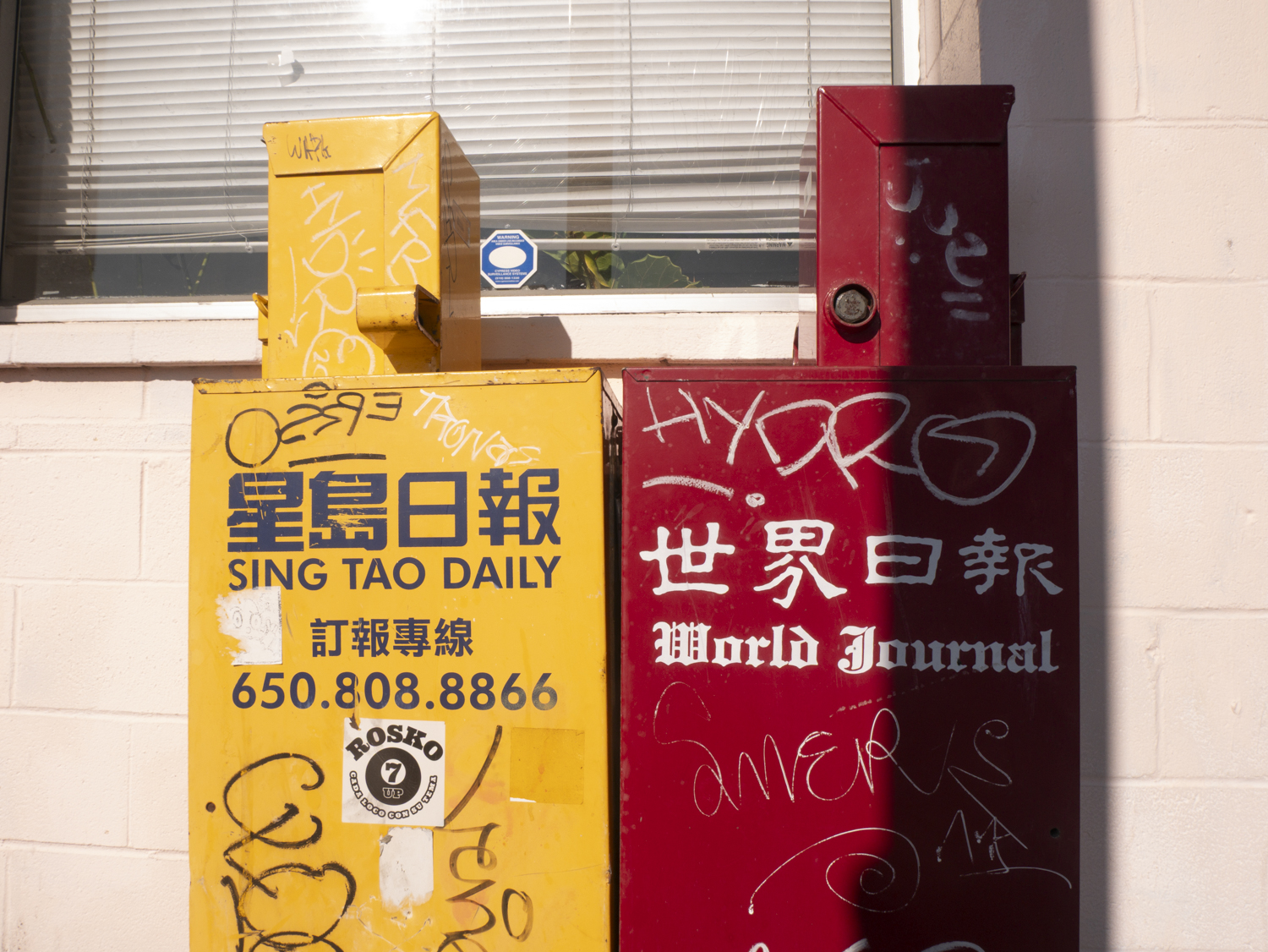
Through the walks, I became more aware of how the Avenue embodies diversity not through abstract labels but lived, everyday coexistence. Chinese vendors working beside Latin American storeowners in Oakland’s Chinatown, Middle Eastern restaurants next to Vietnamese cafes, and many other mixed markets – each pairing is a small but powerful sign of how communities adapt and thrive by leaning on one another. These relationships reflect the quiet but constant negotiation of belonging that defines immigrant life. The history of the street also shapes the present in ways that are important to acknowledge. As we walked through Southwest Berkeley, I learned that the neighborhoods west of San Pablo were once intentionally zoned for low-income Black workers, a legacy of redlining and discriminatory housing policies. Other immigrant groups along the avenue also faced their own forms of exclusion, whether through limited economic opportunities or stigmatization of their neighborhoods. San Pablo’s modern diversity does not erase these histories; rather, it emerges from them, illustrating how people have reclaimed and redefined spaces that once restricted them.
What makes San Pablo particularly special is how it functions simultaneously as an artery and an archive – a living record of cultural layering. As a historic highway, it once carried traffic through the East Bay long before the freeways were built. Today, while it still grapples with its car-oriented past, it is also home to many pedestrian-friendly corners, community events, music venues, and redevelopment projects that attempt to balance growth with preservation. Beyond infrastructure, San Pablo stretches across spiritual worlds: people do not stand alone here. Frequent conversations emerge on 72-bus, region-specific flyers on utility poles…they interact, adapt, and support one another in subtle and profound ways that form the tightly knit social fabric I wanted to capture.
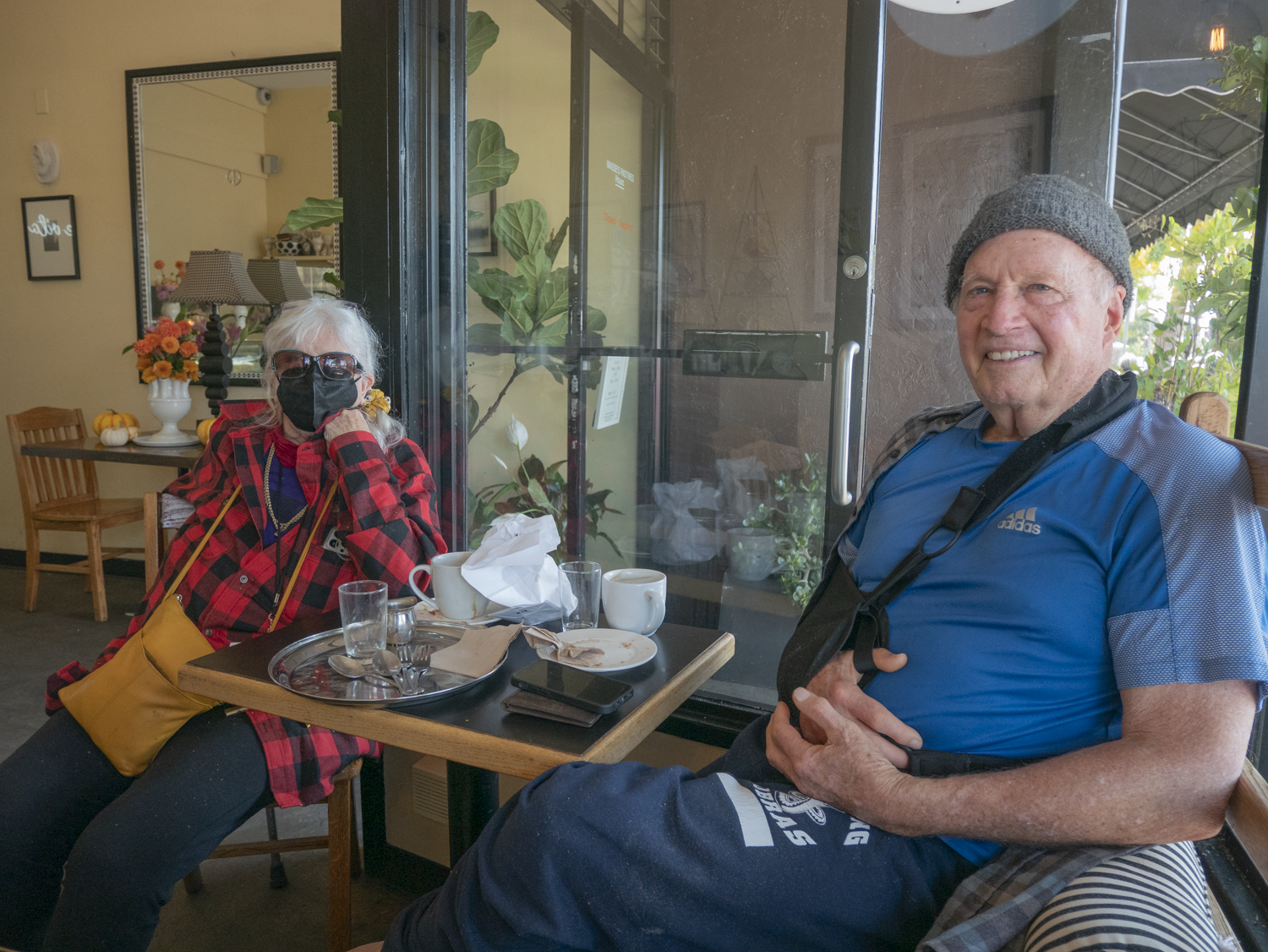
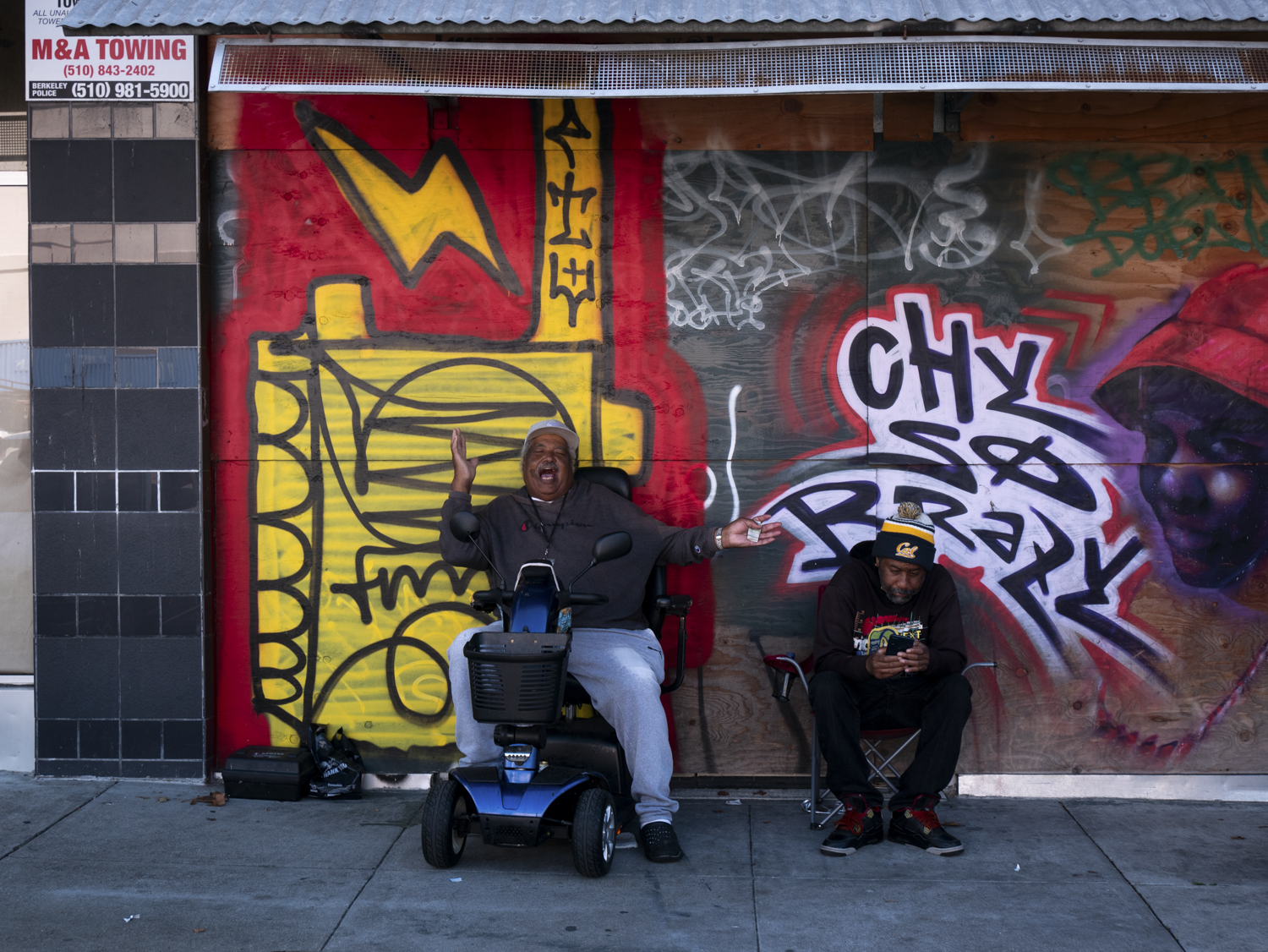
My personal connection to San Pablo grew through the people I spoke with while taking photos. These conversations were what grounded me, helping me move from an outside observer to a participant in the avenue’s rhythms. One moment that remains vivid is my conversation with Moe during the trip to El Cerrito. He shared his spiritual journey with disarming honesty: raised in a Christian household, drawn at one point toward Islam, but ultimately embracing omnism – a belief system that welcomes all religions and people. He explained that his identity as a Latino immigrant meant constantly navigating contradictory expectations, and omnismoffered him a way to reconcile those tensions. His reflections touched me deeply because they echoed my own experience of studying and living in a foreign country since the age of fifteen and struggling to harmonize different parts of myself. Moe’s perspective made me consider what inclusion really means, and how communities like his sustain connection despite economic pressures and ongoing redevelopment. Encounters like his reinforced my love for San Pablo. Each story offered a glimpse into a life shaped by place and time – moments that, once passed, never fully return. Photography became my way of holding them still, like capturing insects in amber: small and delicate, but precious in their accumulation.
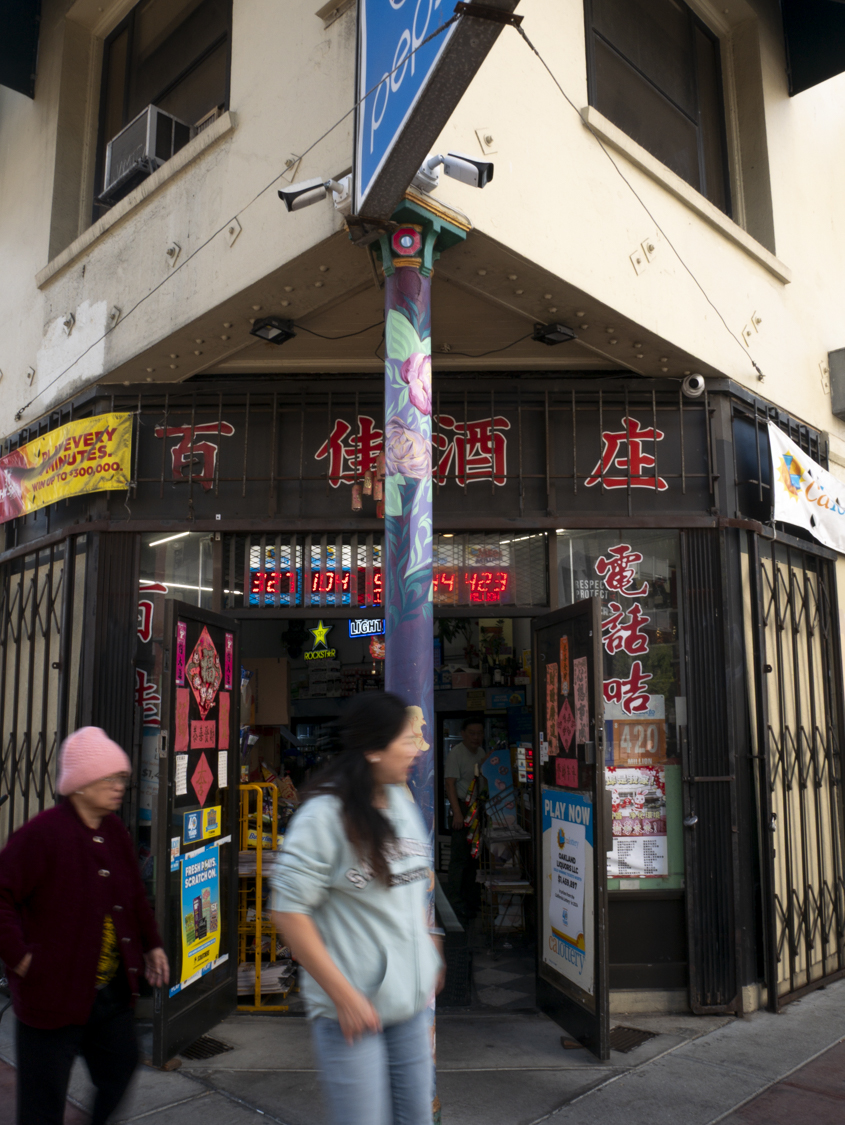
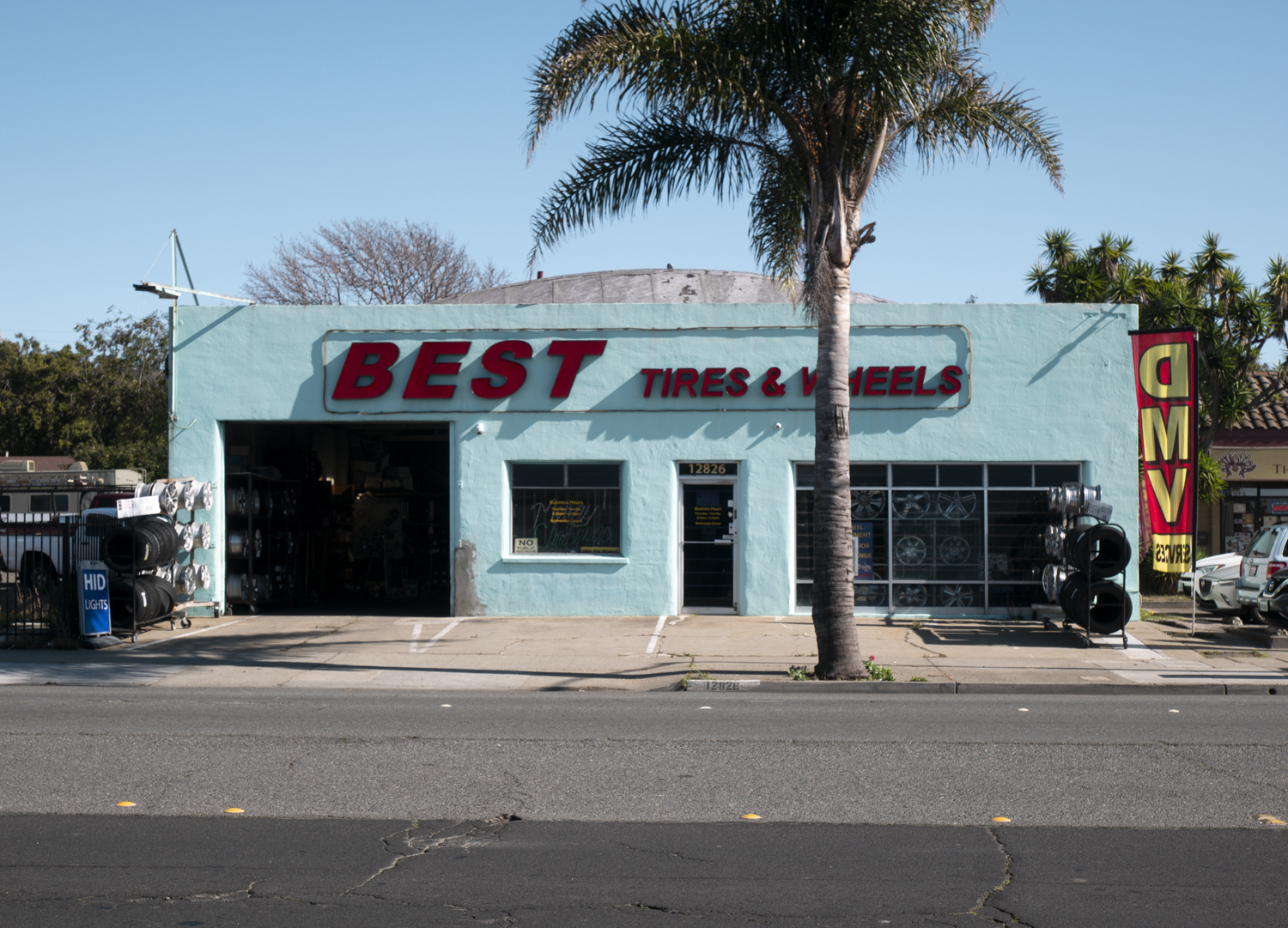
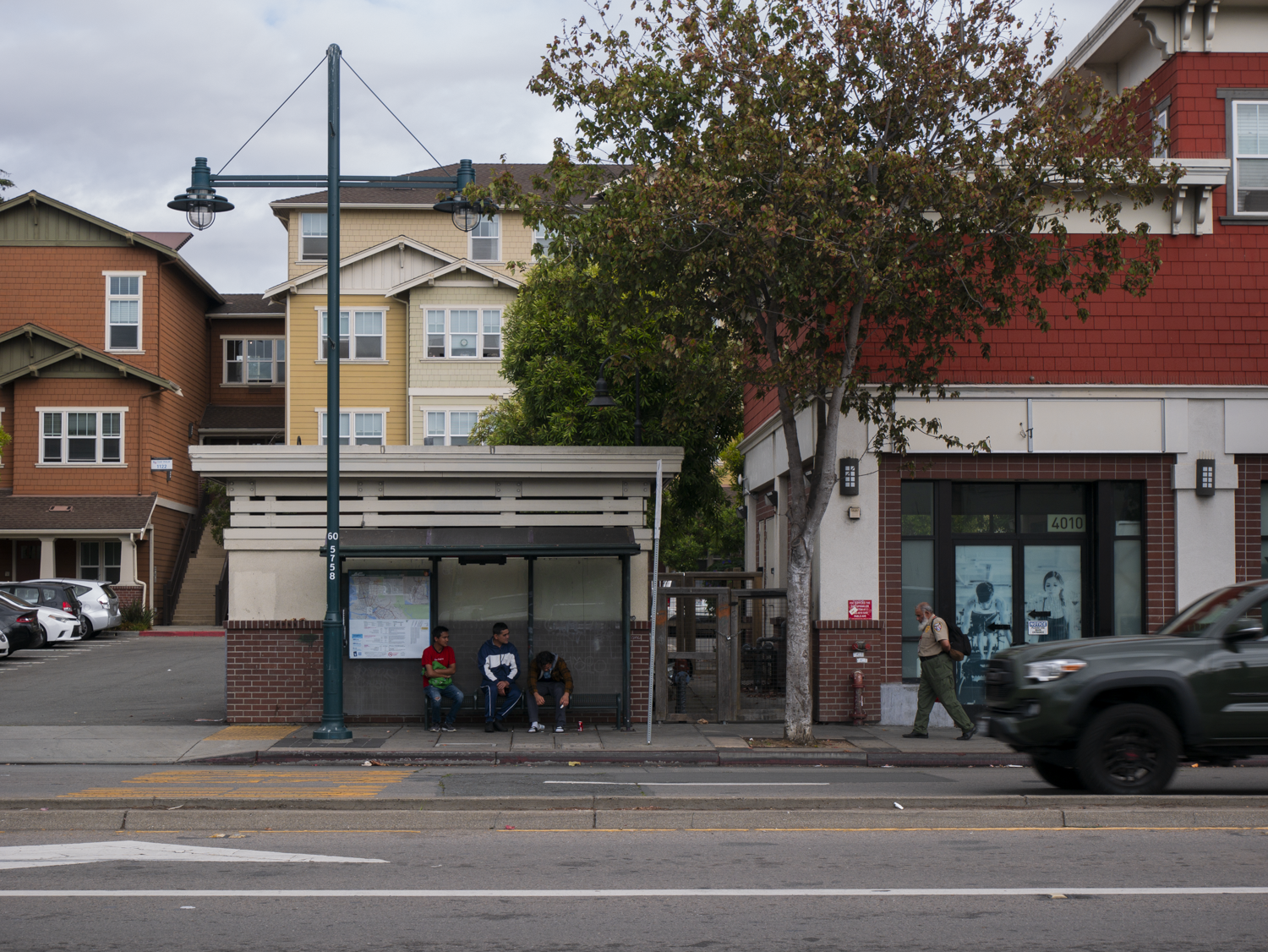
In my work, I set out to document the inclusivity and cultural layering expressed through San Pablo’s built environment. I gravitated towards storefronts, each carrying traces of community histories – African Caribbean markets filled with imported spices, Chinese insurance agencies offering services in multiple languages, etc. These businesses reveal the marks immigrants leave on the street, marks that evolve into the very identity of the avenue. At the same time, I became increasingly fascinated with everyday gestures: someone pausing at a bus stop, two people sharing a conversation outside a market…these small moments, often overlooked, say more about a place than its landmarks.
My process was shaped by several works we encountered in class. Jonathan Gold’s reflections in the Mapping Pico Boulevard podcast encouraged me to pay close attention to what kinds of places exist along San Pablo and how they reveal underlying cultural ecosystems. William Littmann’s observation that “you don’t see the verticality when you just look at the map. Verticality is something you measure with the body” shifted the way I walked. I became more attuned to elements that cannot be captured on maps: scents from a bakery drifting onto the street, the way afternoon light hits a faded storefront sign, or the hum of overlapping conversations. These bodily experiences informed my photography, guiding me not just to document what I saw, but to record what I felt. Carlos Araya Diaz’s El Viaje Espacial (from the film class) was a particularly significant influence. His technique of placing the camera in a fixed position and letting people enter and leave the frame as they naturally moved through their day fascinated me. It created a sense of time flowing within the image rather than around it. I tried adopting a similar approach for many of my shots of storefronts and sidewalks, allowing the camera to become a quiet participant, observing without intruding. This method gave my photos an openness, a sense that life continues both inside and beyond the frame.
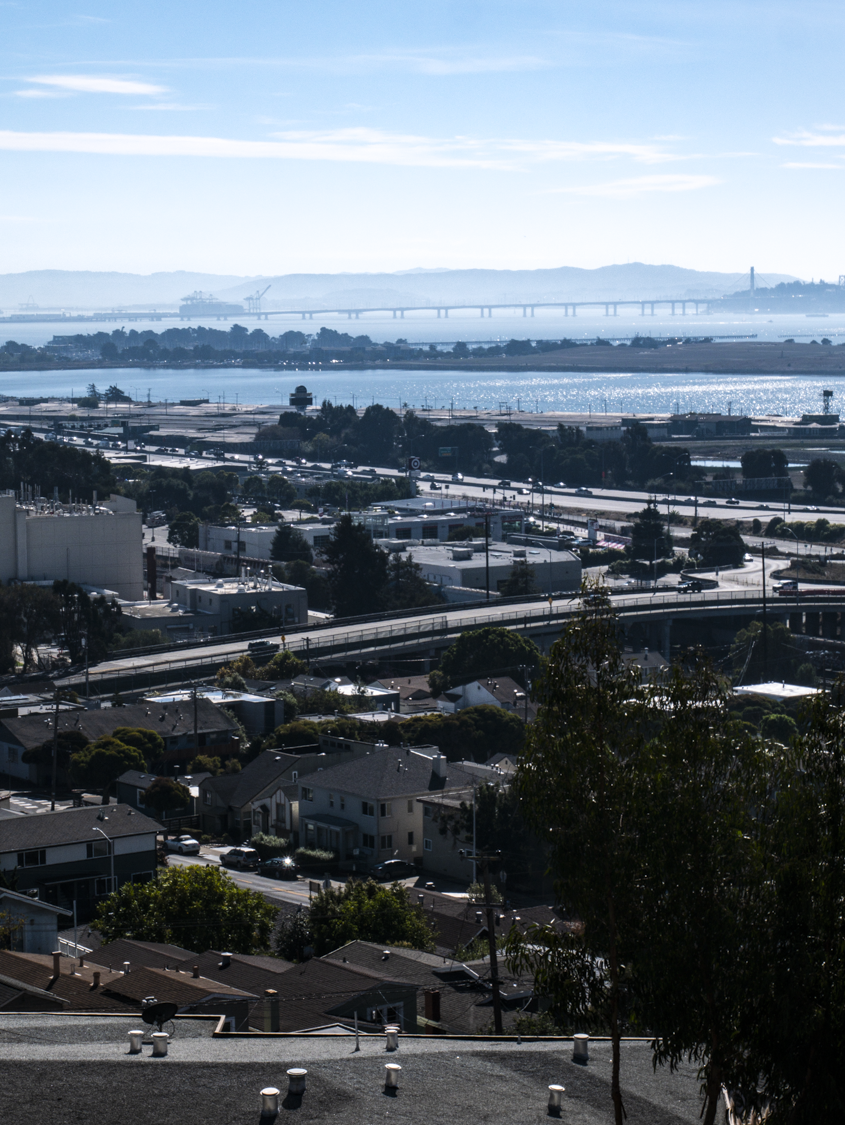
Throughout this project, my understanding of San Pablo and of photography changed substantially. Living in downtown Berkeley, I rarely ventured west of Sacramento Street, partly out of habit and partly out of safety concerns. But as I walked towards the Marina and explored deeper into the neighborhoods surrounding San Pablo, I realized how narrow my world had been. The communities grew increasingly diverse with vibrant cultural cues in the shops, murals, and passing conversations. Carrying a camera helped me connect with people I would otherwise never approach. Many were curious and open, immediately launching into conversations about their work and their past. These interactions offered me an insider perspective, one that dissolved the psychological boundary I had long held about the “other side” of the city.
Technically, I expanded my skills in color correction and overall editing. In the beginning, I focused mostly on achieving a balanced image, adjusting shadows and highlights to mimic what I saw. Over time, I learned to embrace intentional stylistic choices, some inspired by methods I once dismissed as “low-quality.” Overexposing a shot to give it a washed, sun-bleached feeling, or softening certain areas of the image to create a dreamy texture, allowed me to reinterpret scenes rather than simply replicate them. I began to understand that photography is not just about accuracy; it is also about evoking memories and emotions at the shooting moment.
This project fundamentally reshaped how I view San Pablo Avenue and the community thrived on it, and how I approach photography. Through walking and connecting with people, I came to see San Pablo as a layered, living narrative shaped by immigrant histories, everyday resilience, and cultural interconnectedness. Influenced by artists and writers who emphasize embodied experience and the poetic potential of the ordinary, I developed a photographic approach that values both process and reinterpretation. Ultimately, the avenue taught me to slow down and look more carefully, and to use the camera not simply as a recording device, but as a tool for honoring the fleeting, irreplaceable moments that make a place meaningful.
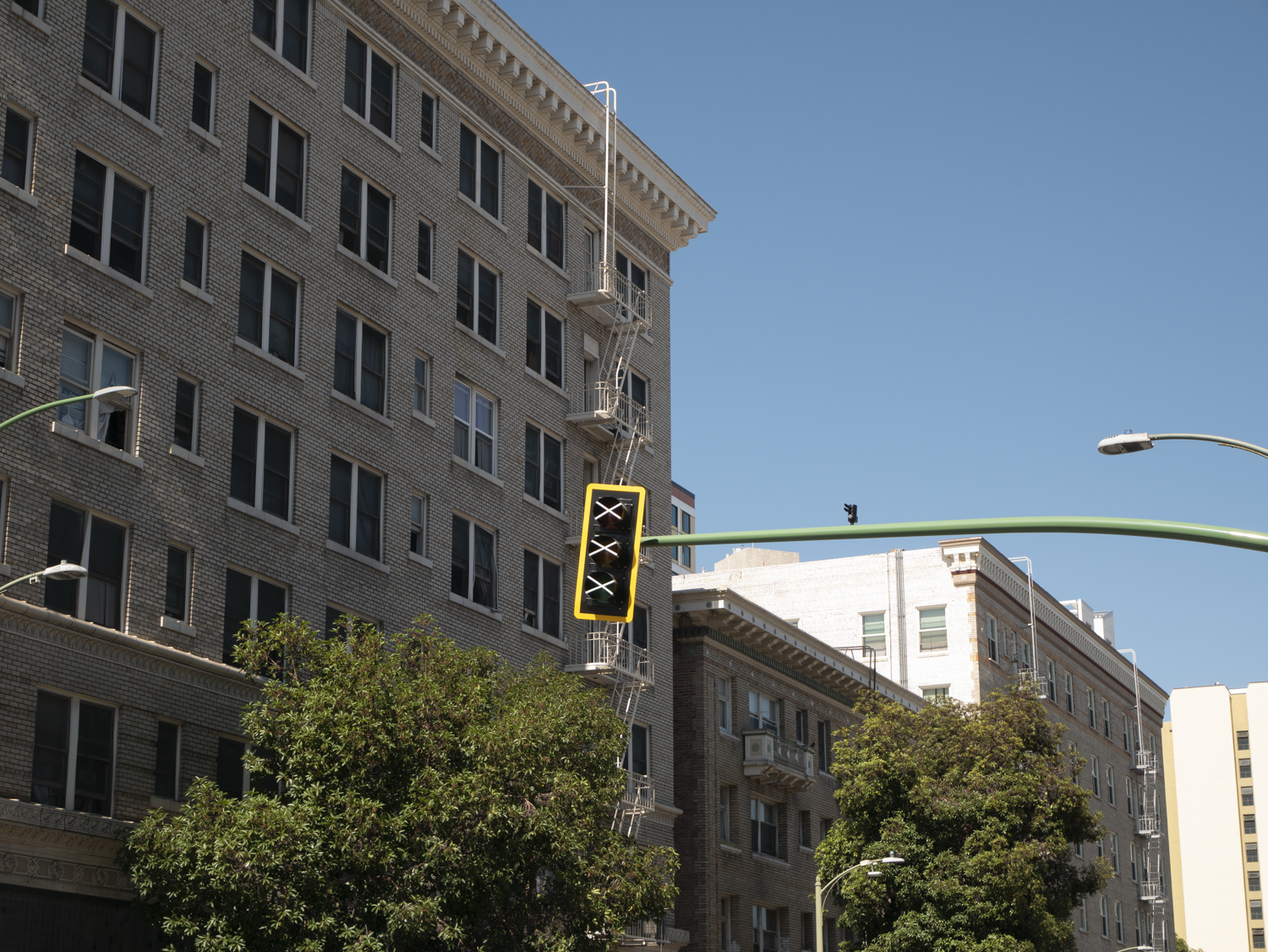
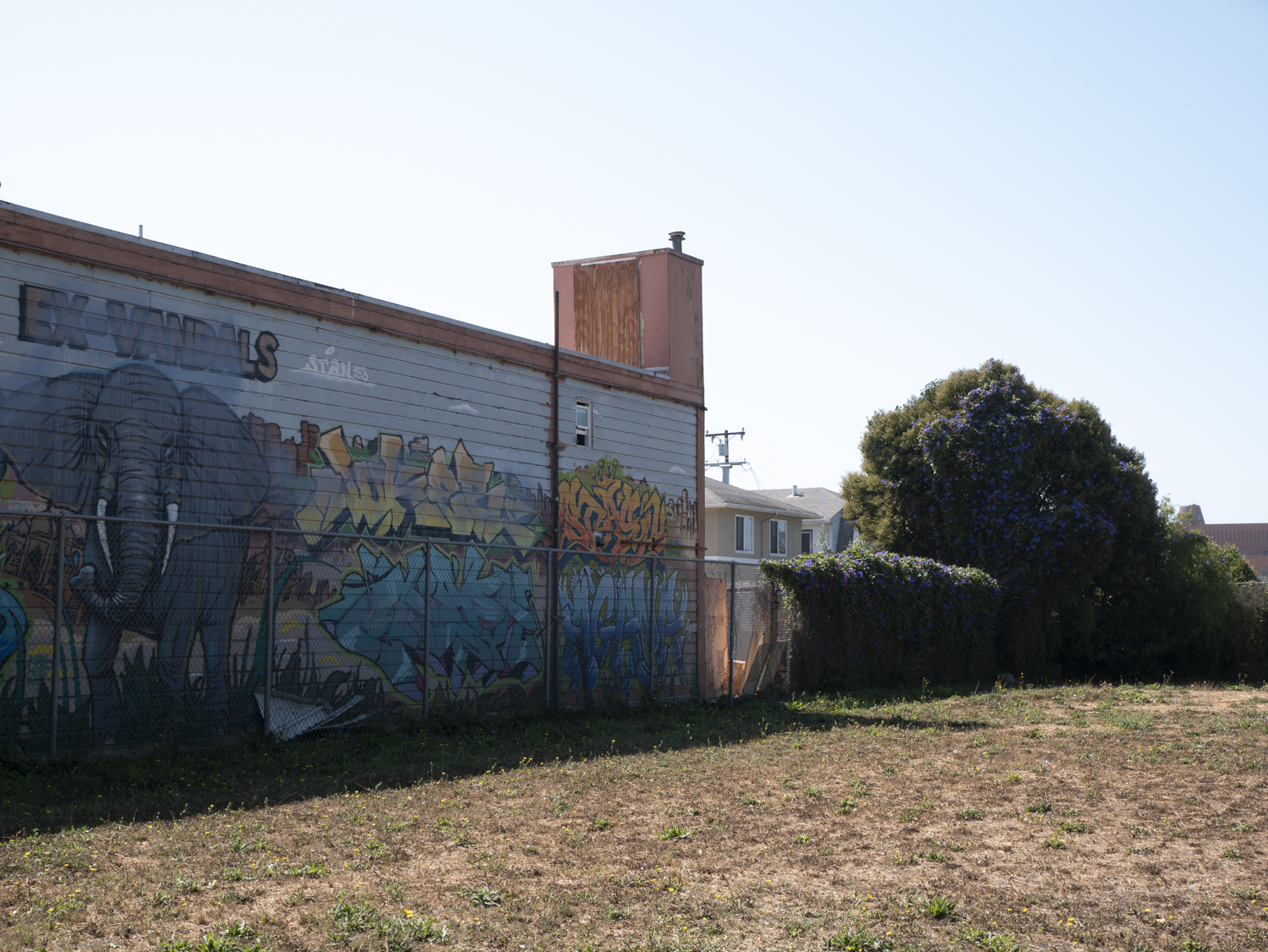
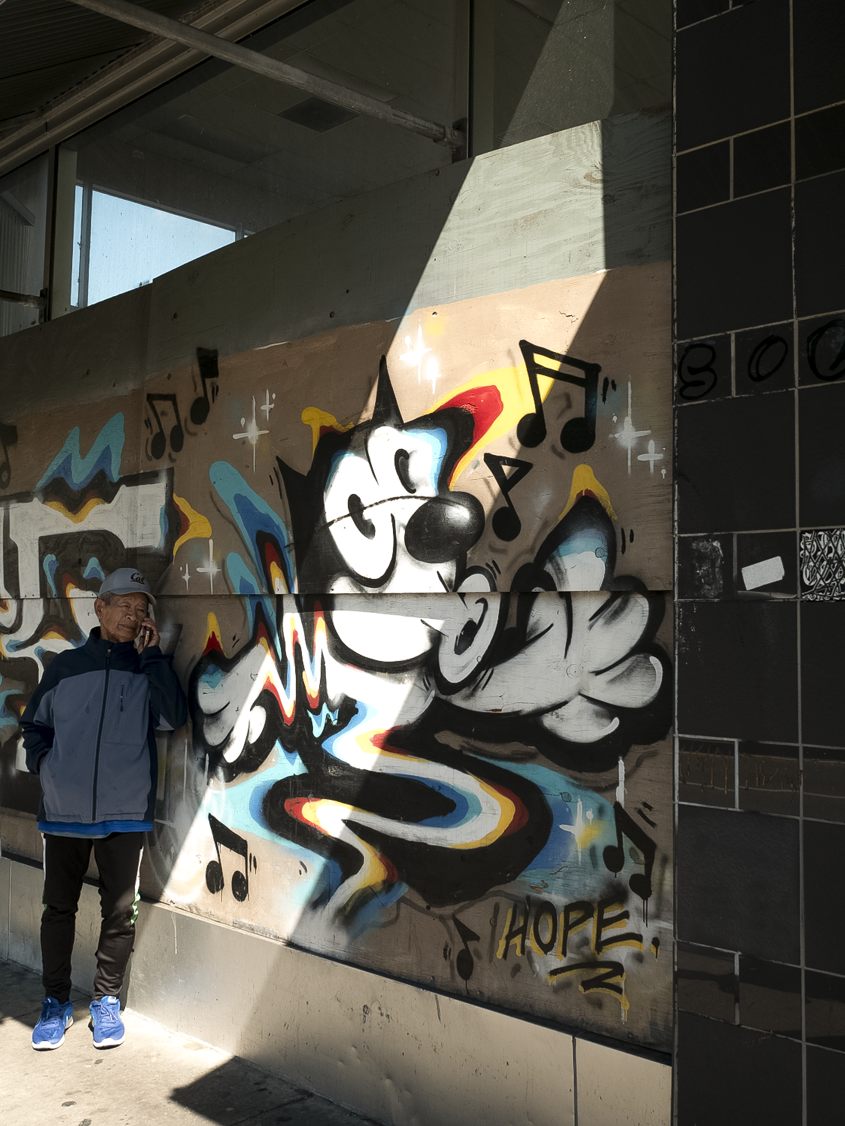
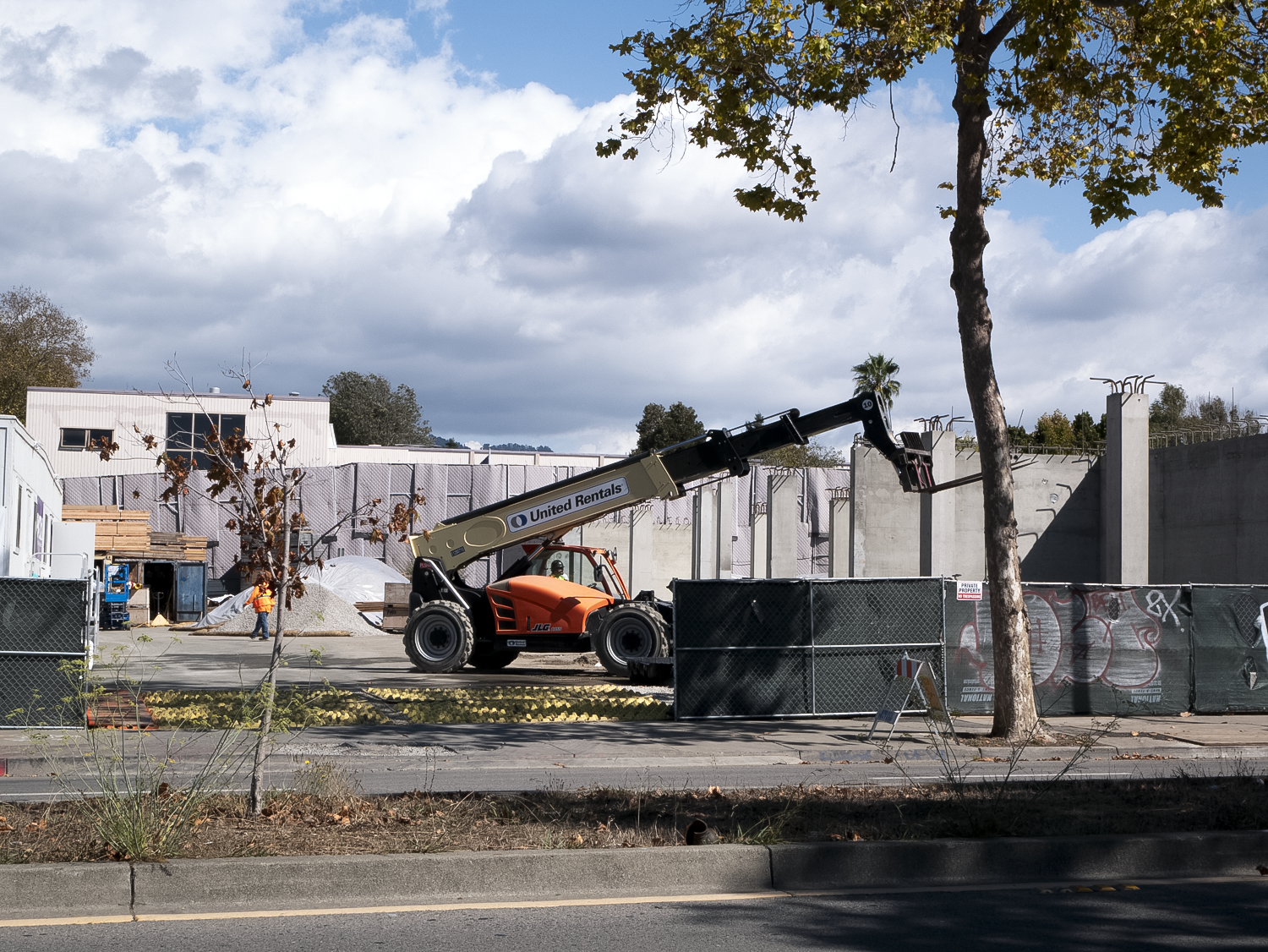
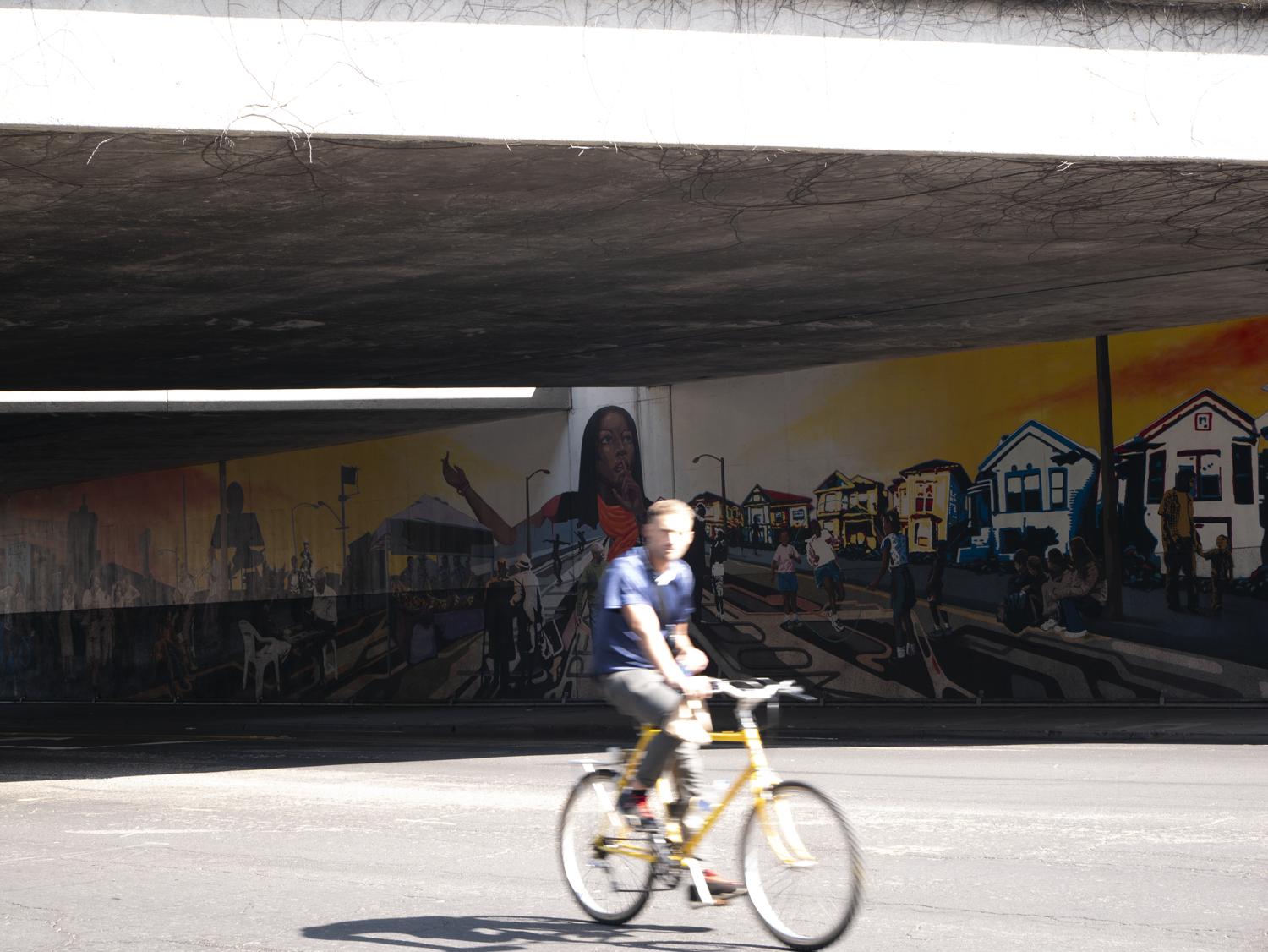
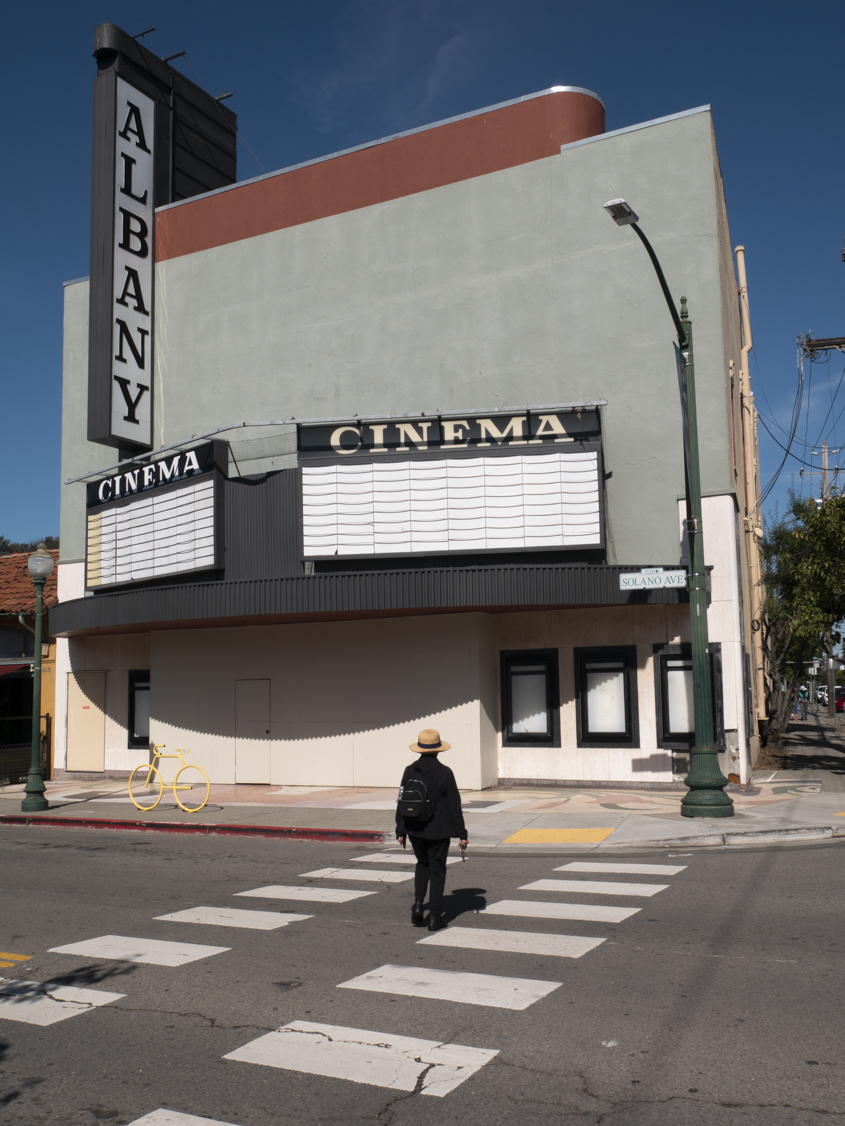
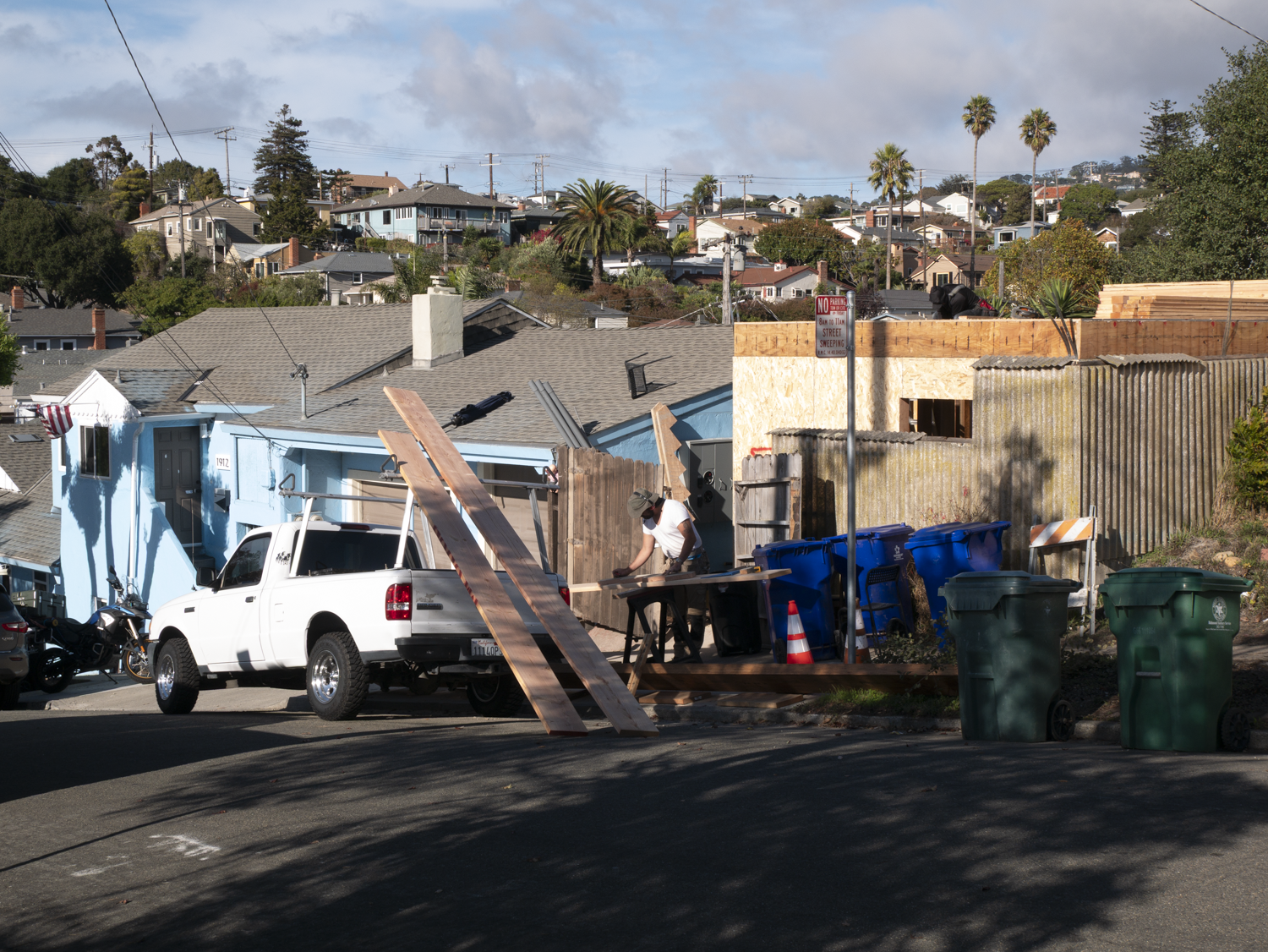
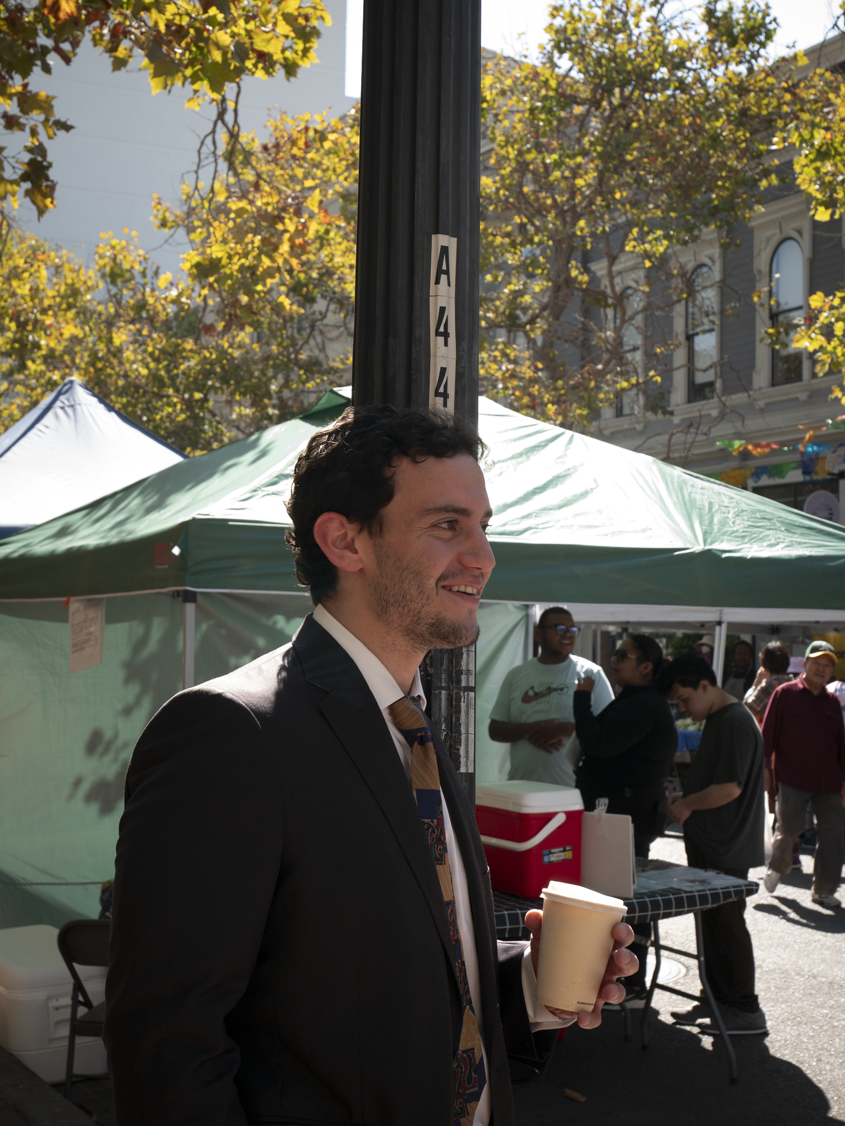
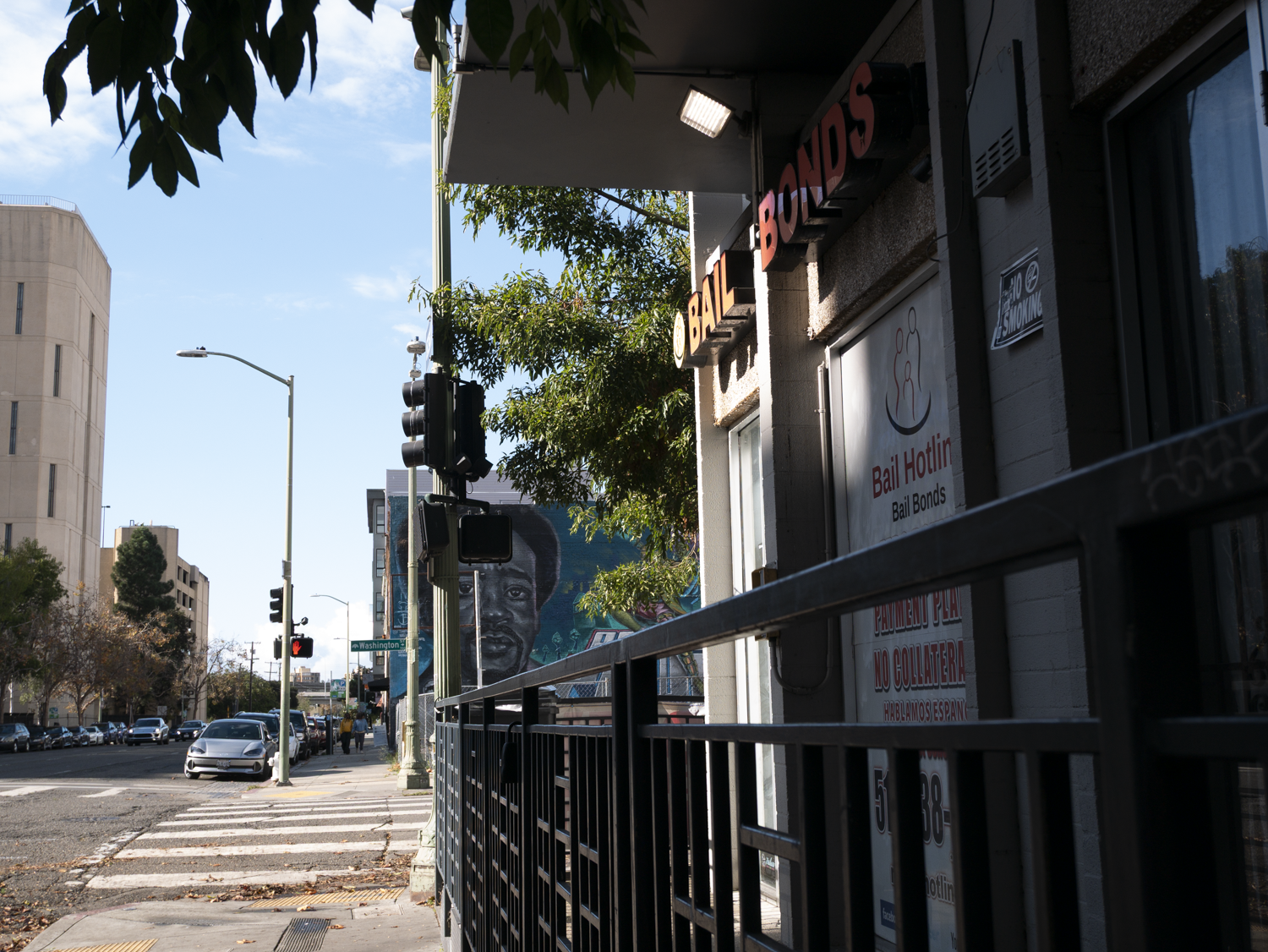
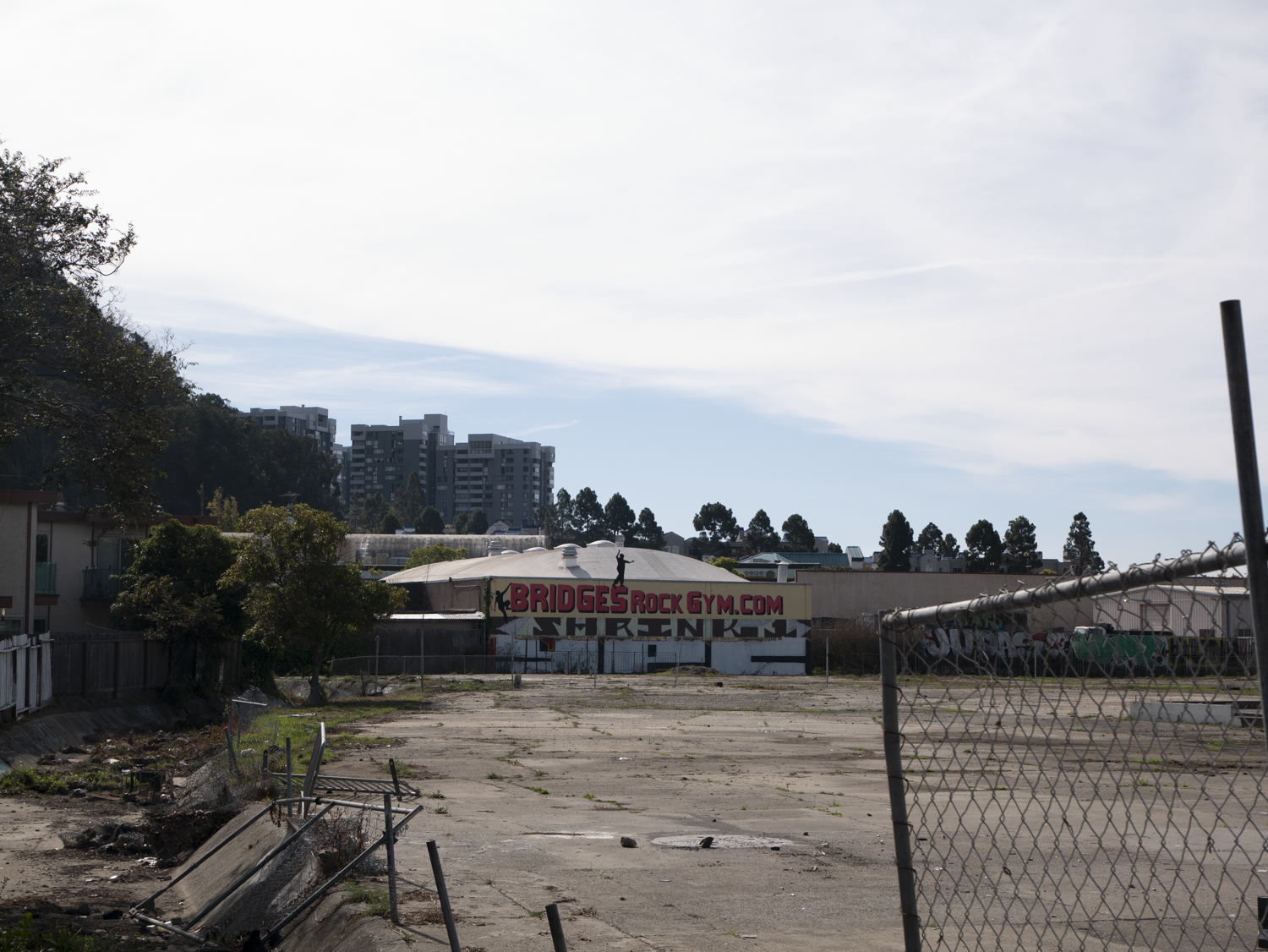
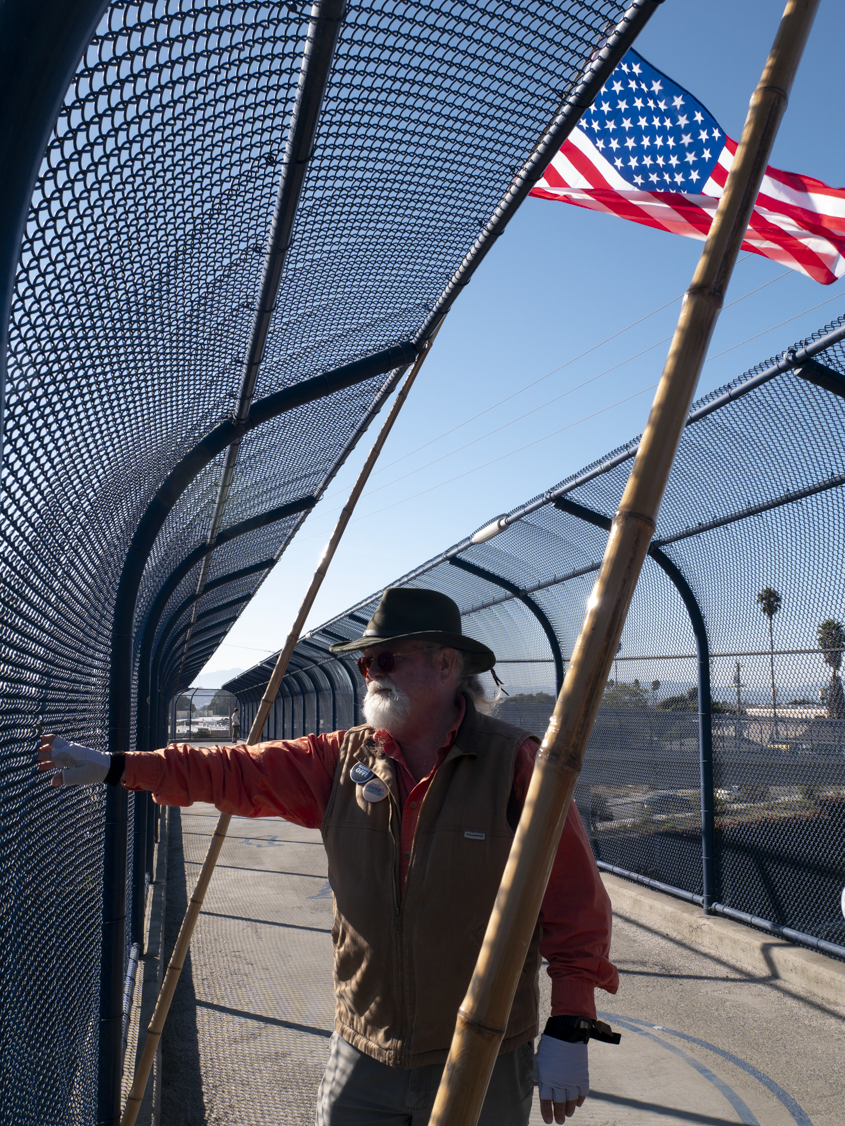
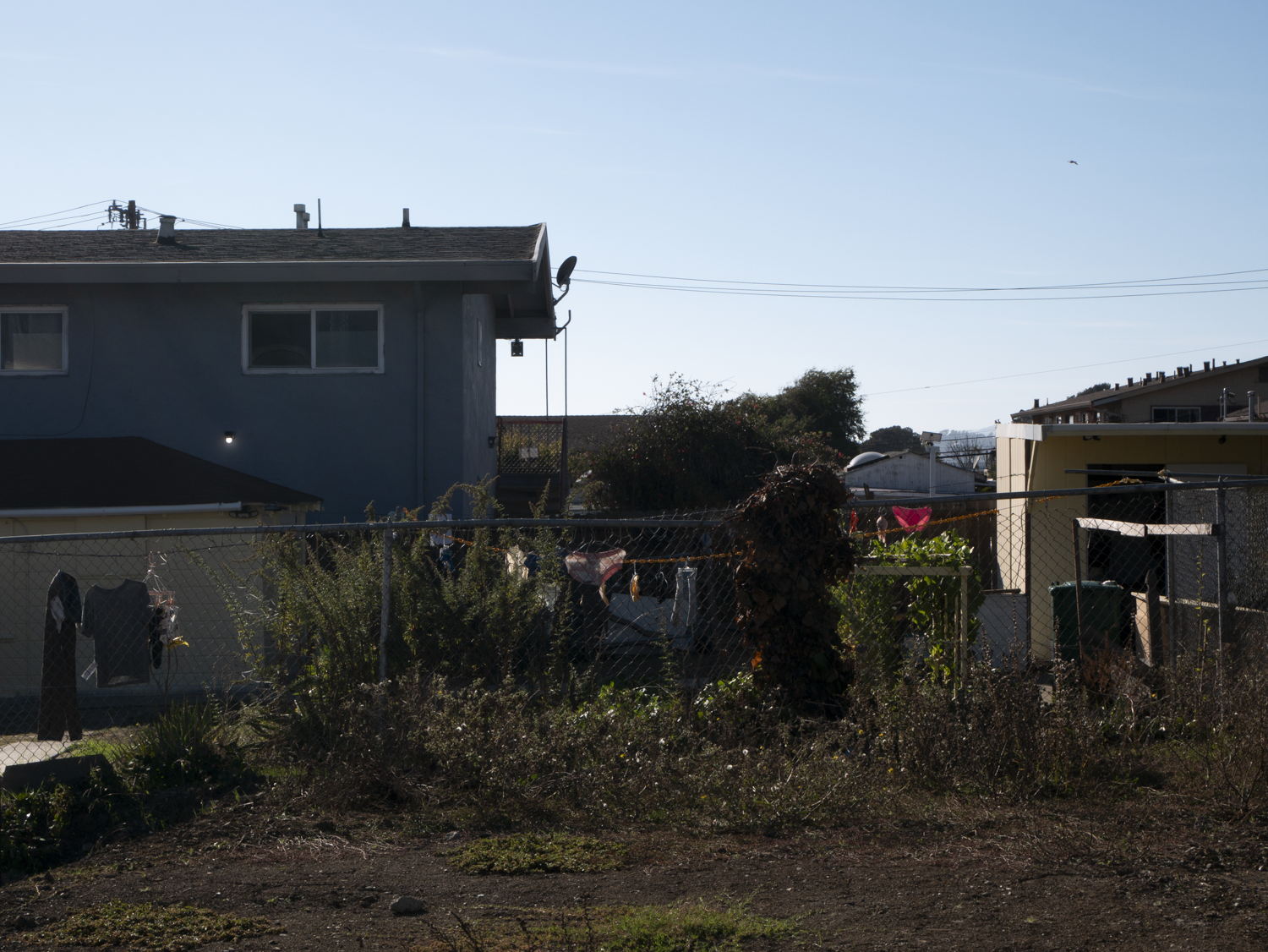
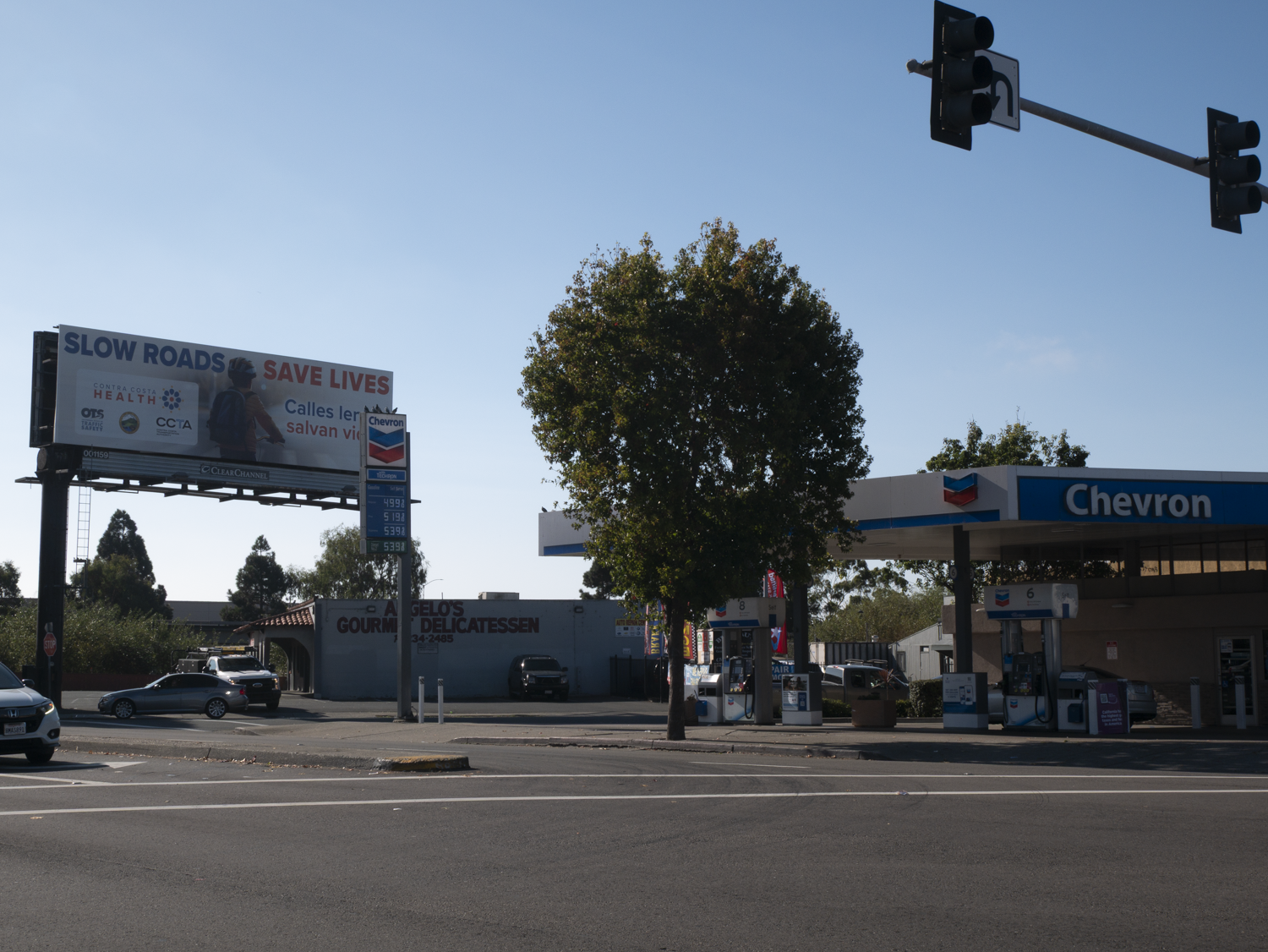
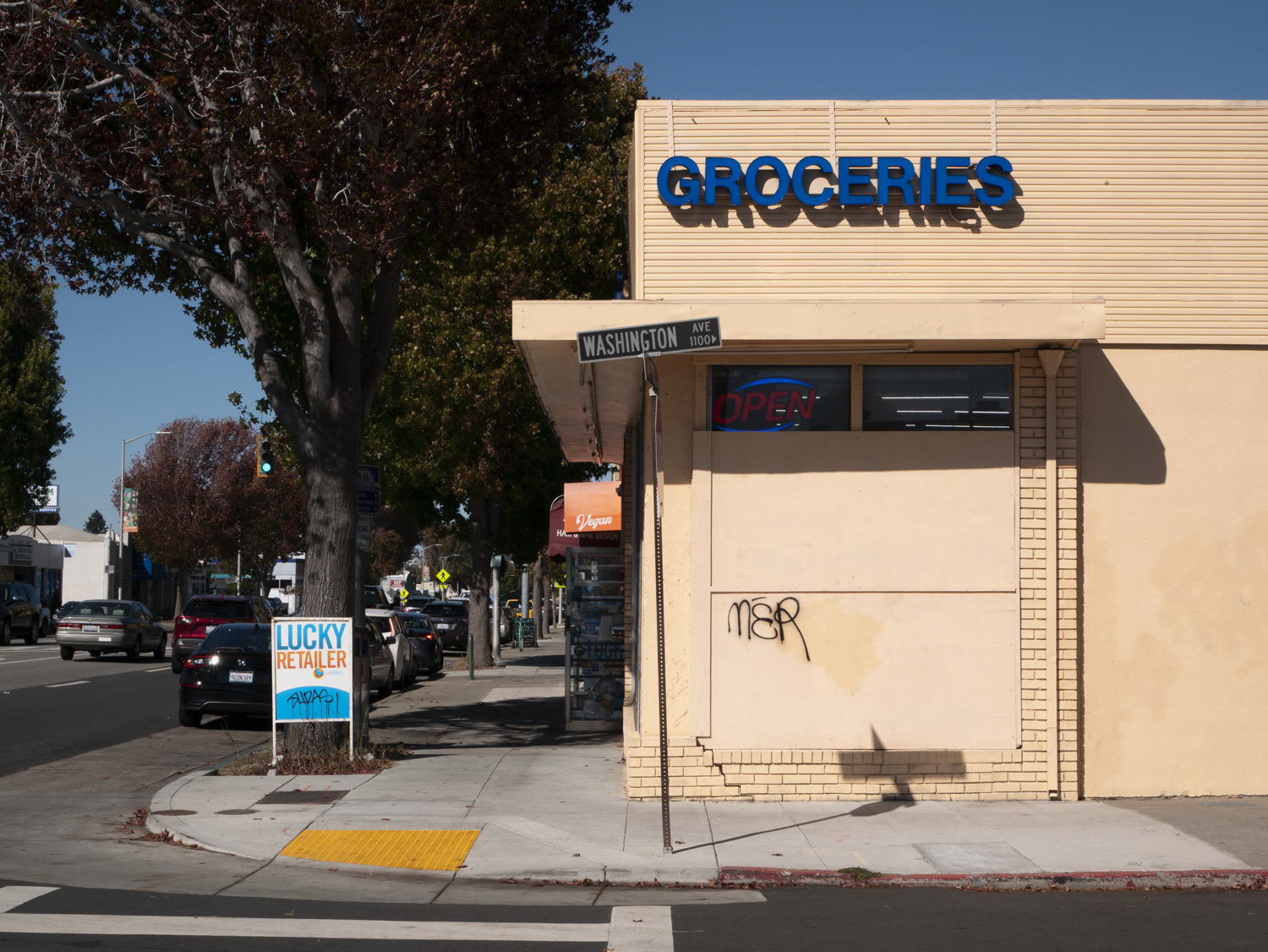
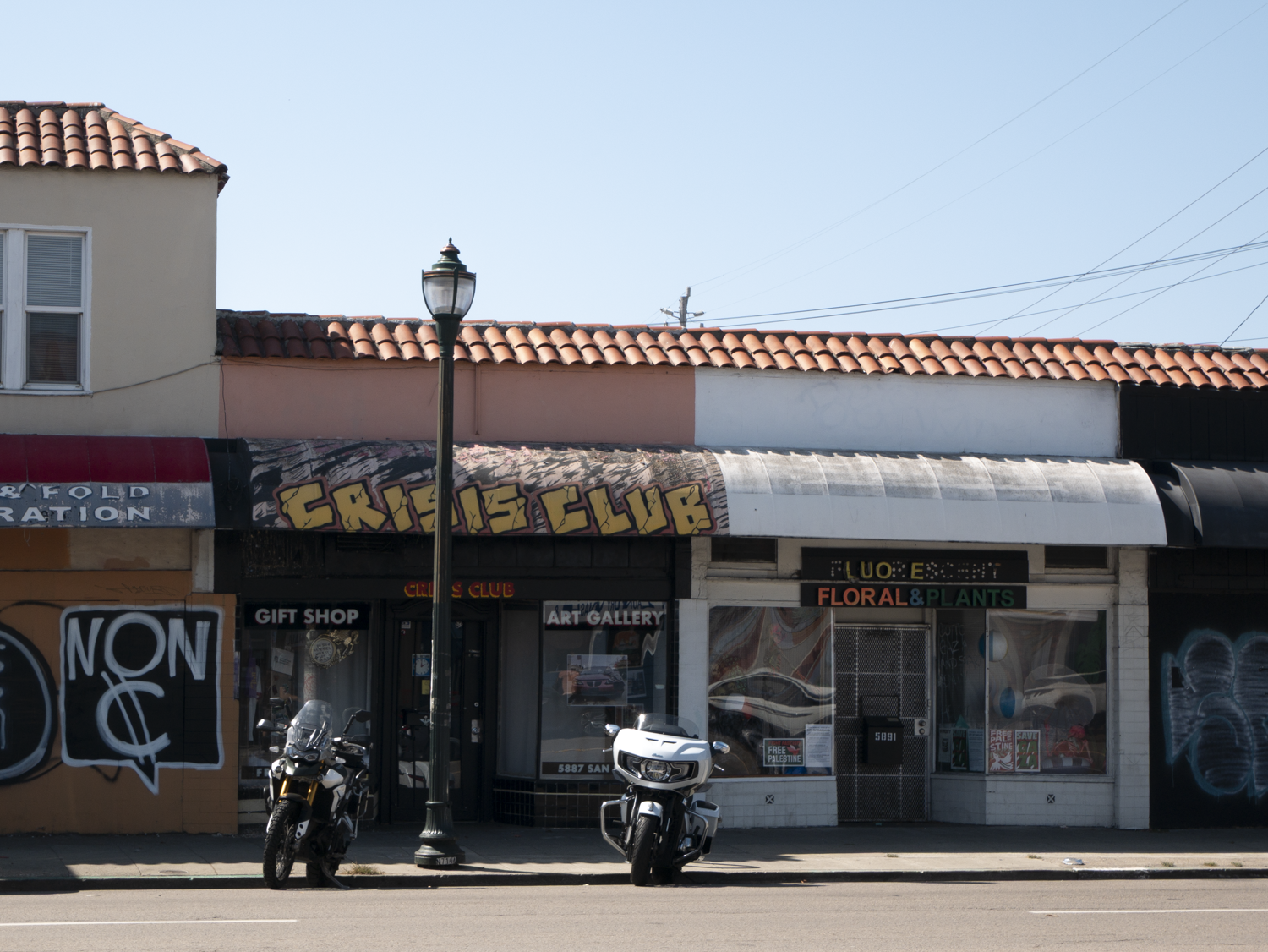
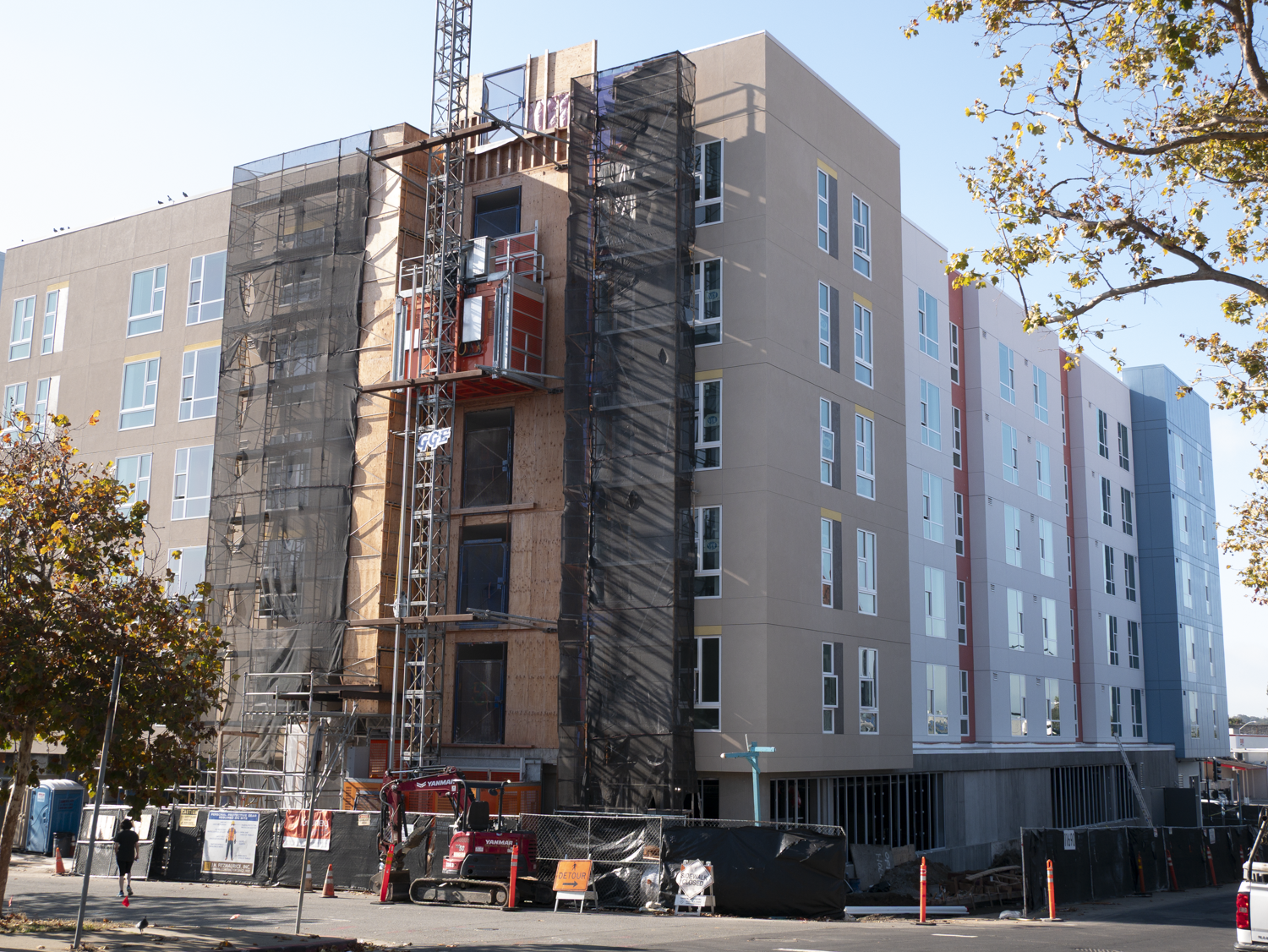
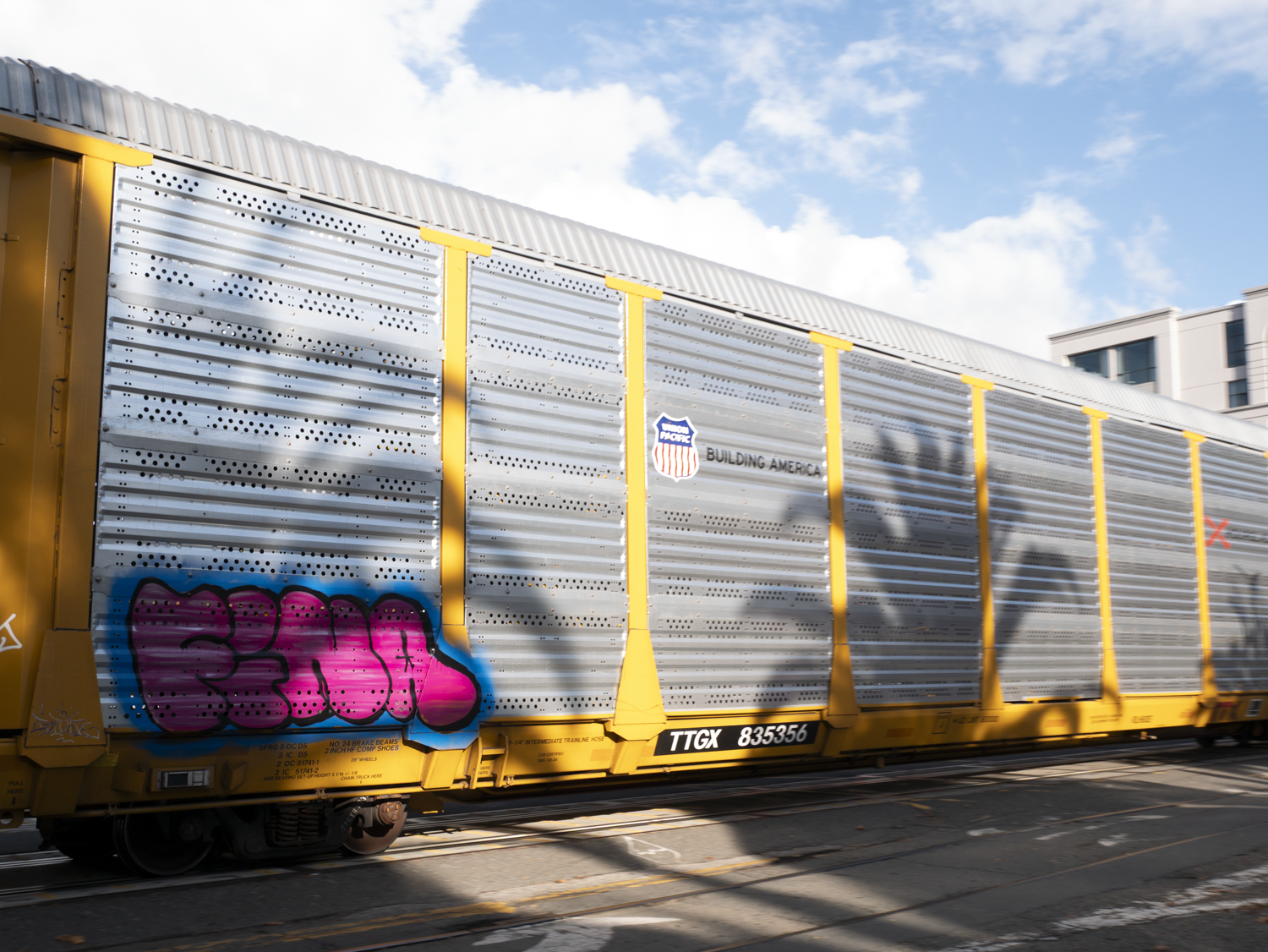
Landscapes have depth to them all, especially on San Pablo Ave where a number of spaces which may not necessarily seem related or connected to each other are. As they are impacted by the roles of capital, extraction, power, and uneven development that influences the cities (Summers, 2022). Whether it be through multinational corporations such as Uber in Oakland (Ghosh, 2017) or Chevron in Richmond (Bay City News, 2025), or the local government with the construction of a campus for police in San Pablo (Hernandez, 2023).
As I revisit my photographs, there is much to be noted within these images, seeing as San Pablo Ave encompasses much of the landscape and characteristics of the Bay Area, of a diverse landscape, but all overcoming difficulties.
The building and existence of communities together, sometimes parallel or uneven is paramount in understanding the region and San Pablo Ave, such as in the case with Uber’s once planned office in Downtown Oakland (Ghosh, 2017). Continuing as a vacant space, Uber decided to sell the office, cancelling the ambitions of growth and expansion into Oakland’s landscape that never came (Ghosh, 2017). It is a question as to what the role of these firms are for the cities that they embed themselves into, are they a driving force into increasing unaffordability? As it relates, in writing by (Summers, 2022), Summers covers the landscape of Oakland throughout 2020, with art pieces highlighting the inequalities and injustices that have affected Black Americans, presenting Oakland as having a number of layers and existing as a city as both a city that has privileged and wealthy residents with the disparities of its communities of color that do not have the same access and resources that these other individuals have. That in a way can be seen in the model of Uber’s own business model, being a firm that exists with those at the top of the firm having capital and being privileged while the majority of its drivers and contractors are disproportionately low-income individuals that are predominately people of color (Montoya-Boyer, 2017). This unstable economic model of extraction whether it be through the built environment or its people can lead to major repercussions in the long term future. As it is with multiple landscapes in Oakland, the role of Uber resembles this aspect as well. There exists two different companies in that case, one that is underprivileged, without the benefits and compensations that is adequate for its drivers, compared to the corporate Uber that has a much less diverse workforce from leadership positions to staff (Montoya-Boyer, 2017). Moving between firms over a number of years, the building appreciated over from the next transaction, eventually landing in control of Square (Brinklow, 2018). In attempting to incorporate itself into the landscape, Square has announced to support the community through collaborating with local businesses and organizations and said to hire those from the surrounding area (Avalos, 2020).
This contrast was an aspect that I wanted to represent through photography, from the actions of larger oil companies in Richmond that utilize their role as a producer of goods and a significant employer in the region, that often puts the company in an advantageous position compared to the residents that are attempting to protest. Seen in one of my photographs of Chevron station being juxtaposed with a safety sign, that of a pollution organization being right beside a billboard highlighting the importance of safe roads and the public health initiatives pushed for by the city in Richmond.
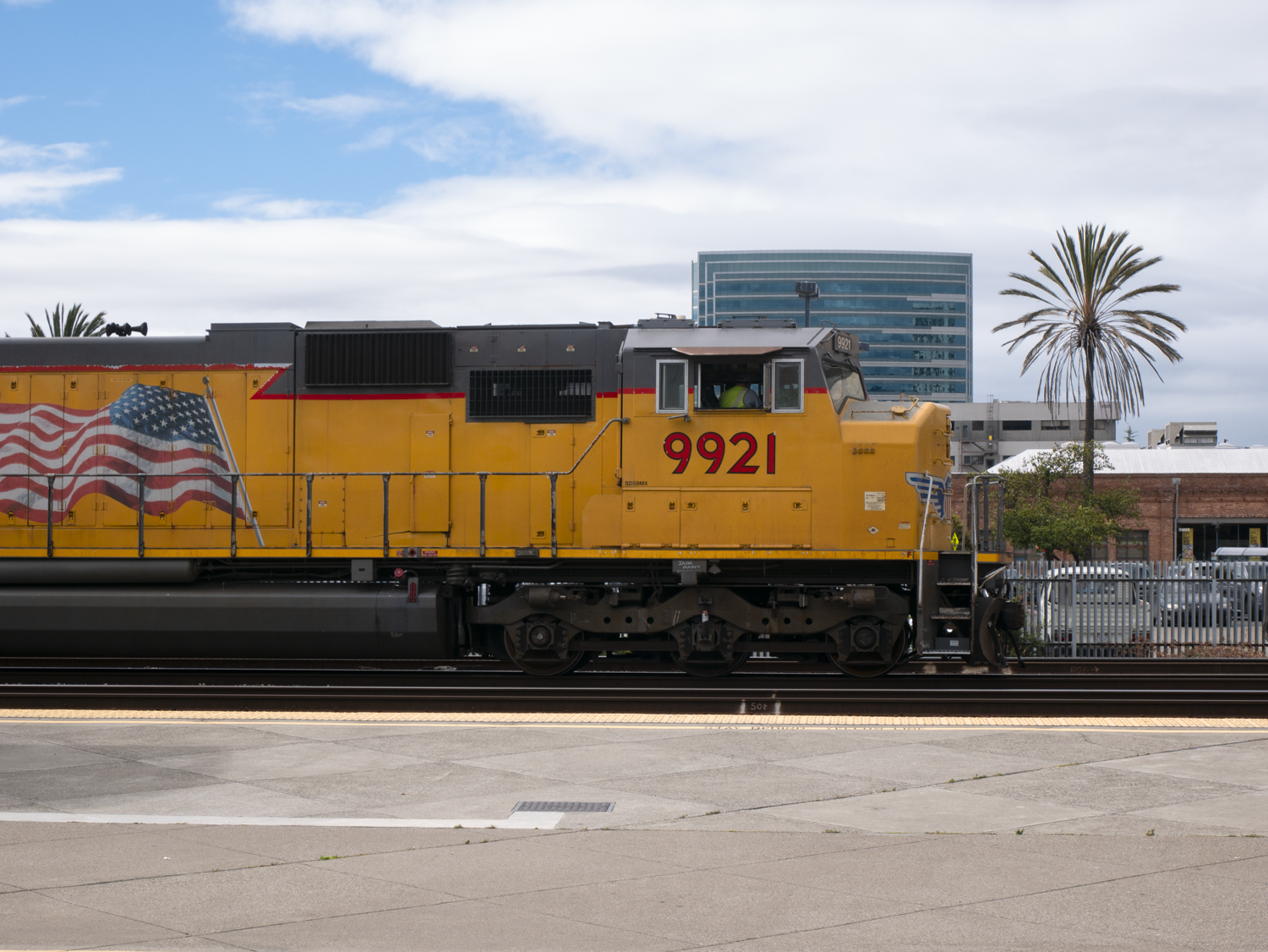
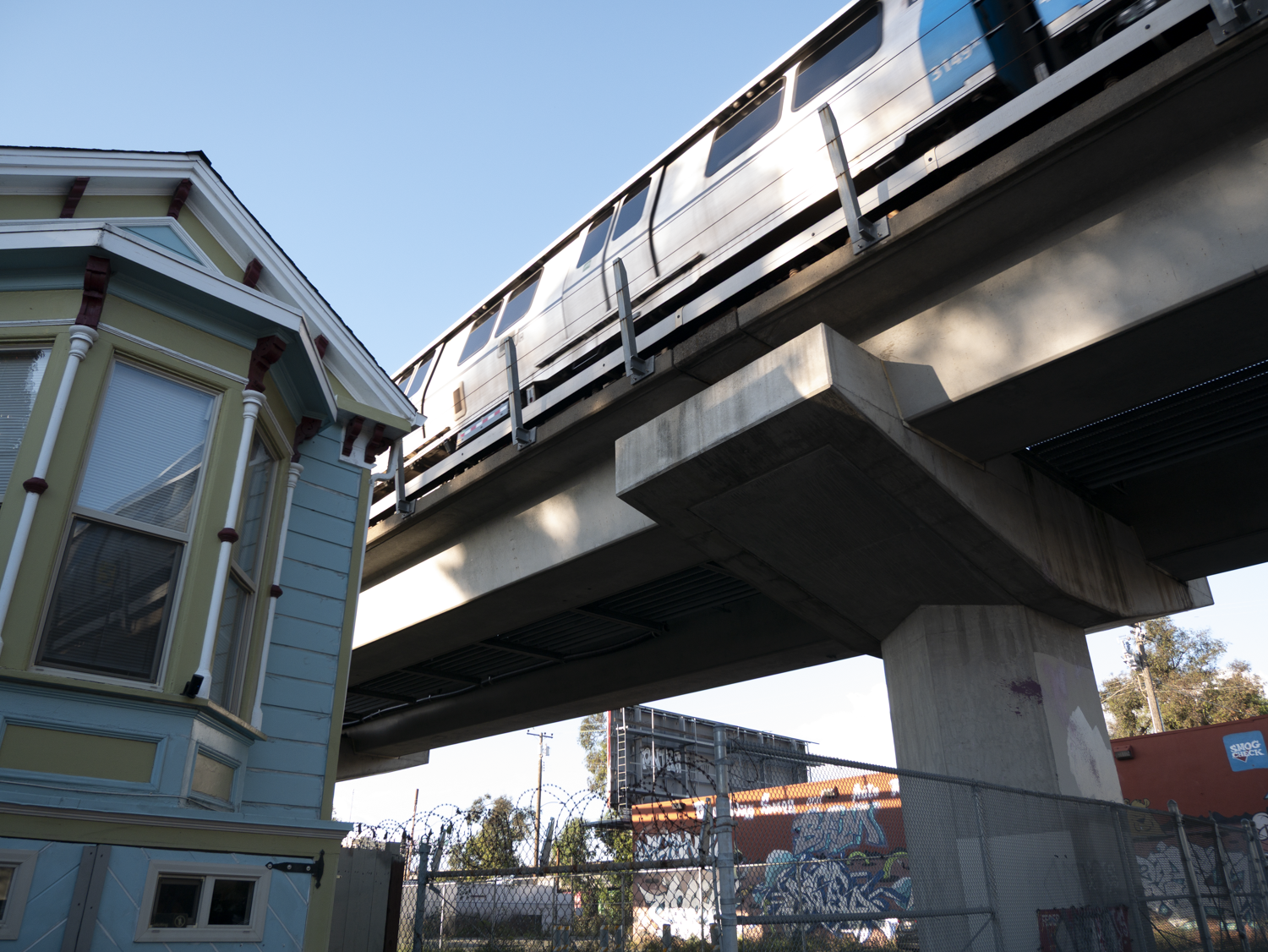
The contrast in development and space is important to consider when understanding a number of my images and photographs. In going out and throughout our experiences on San Pablo Ave, I wanted to focus on and highlight the continuing change that has occurred in the region, but more specifically how important the impacts of these changes build on top of each other, and can continue to exacerbate inequalities or can improve and those that are there. A number of my photographs represent this, but this is one example that I have highlighted, with the example of a home at the edge of West Oakland right besides the Bart tracks and the role that Bart has had in the region, from being an important region transportation device, but also being an aspect of the region that has been a part of inequities within the region, as in itself Bart was mainly a region transportation device that was utilized by residents within the surrounding suburbs, from San Leandro to Fremont (Dahlstrom-Eckman, 2024). Within that, San Pablo Ave has relationships with this development as well, as with that, San Pablo Ave can be utilized as a thoroughfare that people drive through without interacting with the surrounding landscape, or being a part of the landscape in one’s use of the street. It is an aspect that can be noted with Bart tracks and it runs right by the home. Though you can compare that to infrastructure alongside the Ohlone Greenway which is in contrast to much of Bart’s surrounding landscape and relation to the homes and neighborhoods that surround it (Wallace, 2025).
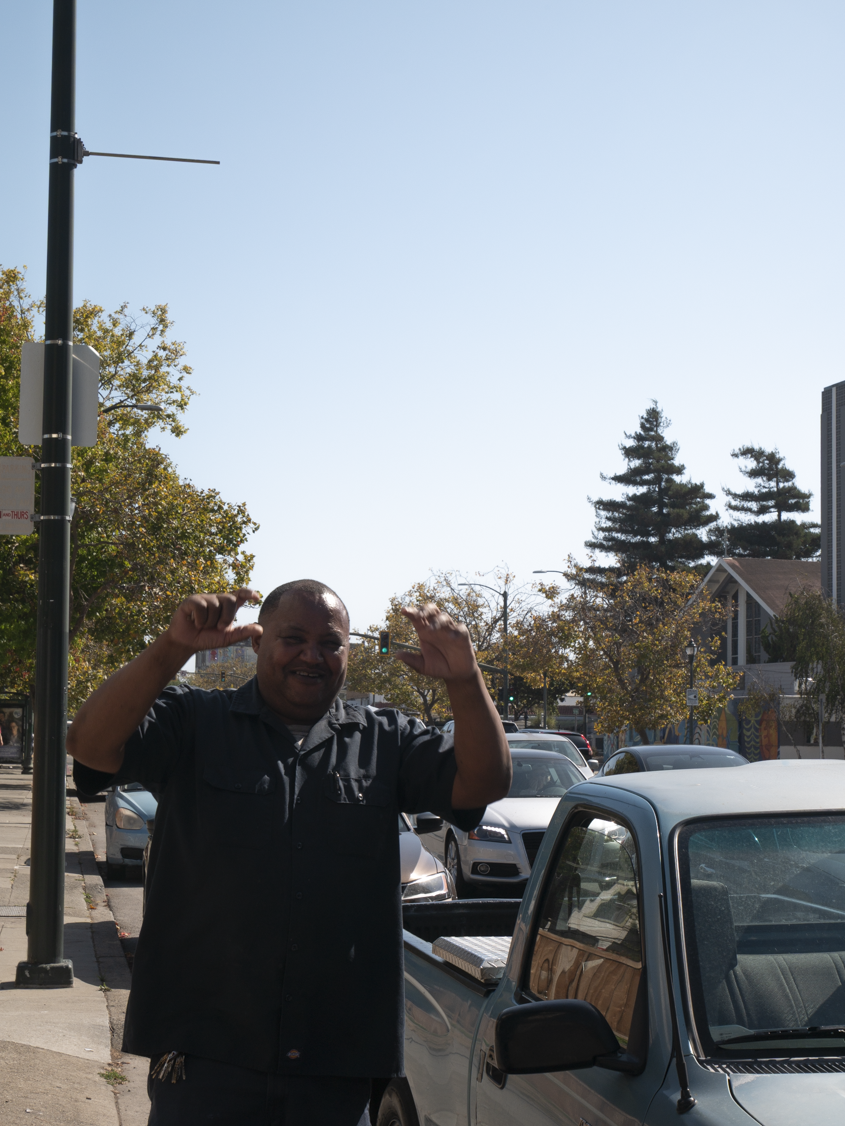
One interaction that was particularly interesting was our conversation with the owner of Low Cost Appliances in Oakland, as he spoke about his personal experiences of living along San Pablo Ave, noticing the gradual and significant changes over his lifetime (personal communications, September 26, 2025). As small businesses and shops are now one piece of entire redevelopment projects, it changes the perception and environment of San Pablo Ave. His insight was special as well, as he is someone who has traveled all over the United States, seeing a number of landscapes and the people across our landscapes, highlighting the kindness that exists, which challenges the common preconceived notions that exist (personal communications, September 26, 2025). People nowadays come to a conclusion about entire cities and states, without even having stepped foot into them. Although I have been to a number of these cities and communities on our trips, I had not really interacted with members of the communities, which is paramount in understanding the neighborhood as it is difficult to really understand a space without interacting with the individuals that define and developed the landscape to be the way it is.
For myself, I avoid coming to any conclusions or assumptions about a space, and even once I may have visited and interacted with the landscape, I can only say so much as an individual that is only visiting for the short-time that I have.Throughout this semester, I have improved and learned on a number of fronts, from abilities and skills of being able to utilize our camera and photograph to my interpersonal skills of being able to communicate and interact with strangers and the people along our trips. At the start of the semester, I was intimated by all the technical or nontechnical aspects of photography and whether or not my photographs would be able to highlight and emphasize the landscape and people across San Pablo Ave. As someone that constantly overthinks every little detail and action, I would say that I improved on this frame of thinking, that everything has to be perfect and exact, but I had to reframe how I approached the world in a way. Whether it be doing something wrong or facing rejection in a way, I had to accept that to get stuck on perfection was making my work worse than benefiting it. Though the kindness and openness of the individuals and community along San Pablo Ave cannot be taken for granted. I never thought that people would even come up to me and ask me what I was up to or doing, being open to questions. Though, as we are from UC Berkeley that can present itself as being a validation in a way of what we are doing, being sanctioned by the university in our work photographing. It also comes into the role of UC Berkeley itself throughout San Pablo Ave and the role of the school as a significant landholder and actor in the development of San Pablo Ave, having the ability to support and work with members of the surrounding communities.
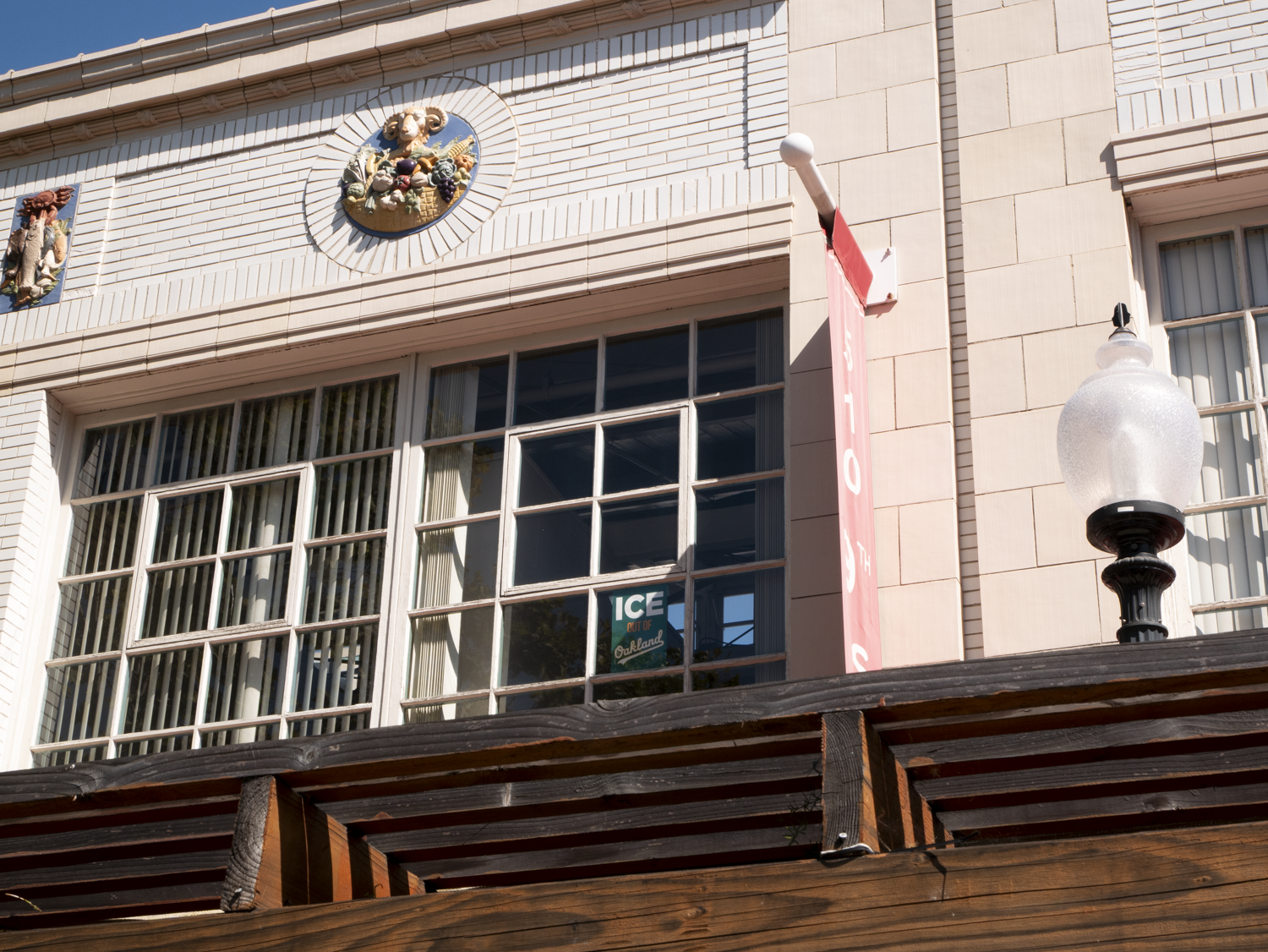
As I have worked on my photographic skills and attempted to understand the art of it, I feel that I have improved on that front, being able to represent and showcase my perspective in a way through my own lens and photography. With that, as one looks at another’s photograph, there is a specific intentionality behind each photograph and the different perspectives that every individual has. With that, one of the questions that I had was if many people within our class would have the same photograph as we are on the same walk and often capture the same individual or building, but even then, no one photograph is the same as we all interpret and understand the world around us in different ways. We all try to emphasize and showcase different aspects of the landscape and have different stories to tell. You can see the different ways in which people utilize the landscape, from some individuals using it as aplace to showcase their perspectives and protest against the status quo and the harms of members of communities from the current ICE raids that disproportionately affect communities within San Pablo Ave. There were a number of signs and imagery on the windows of businesses that highlight that members of the community would not tolerate ICE entering their neighborhoods. The community organizing and solidarity that exists throughout the East Bay and along San Pablo Ave is an important characteristic that strengthens the community. This is a trait of San Pablo Ave that makes it special as a landscape. In other landscapes, it can feel as if there is not the same level of connection and energy, but San Pablo Ave does. As we come to the end of the semester, there are a number of takeaways that I have concerning all the work that we have done, one of which is that there is always more to the surface than that is seen. Being open is necessary to continue learning and building on top of what we already know.
References
Avalos, G. (2020, February 13). Square moves into new downtown Oakland offices in hip Uptown
district. The Mercury News.
https://www.mercurynews.com/2020/02/13/square-moves-new-downtown-oakland-offices-hip-uptown-di
strict-tech-jobs-real-estate/
Bay City News. (2025, December 3). Chevron fined $900K for air pollution monitoring failures at
Richmondrefinery, air district says. ABC 7News. https://abc7news.com/post/chevron-fined-900000-bay-area-air-district-pollution-monitoring-failures-rich
mond-refinery/18246755/
Brinklow, A. (2018, December 21). Square takes over enormous Oakland building. Curbed San
Francisco. https://sf.curbed.com/2018/12/21/18151762/square-uptown-station-lease-oakland-uber
Dahlstrom-Eckman, A. (2024, May 16). When BART Was Built, People — and Houses — Had to Go.
KQED. https://www.kqed.org/news/11986396/when-bart-was-built-people-and-houses-had-to-go
Ghosh, S. (2017, August 25). Uber has abandoned plans to move into massive California headquarters
because it needs to cut losses. Business Insider.
https://www.businessinsider.com/uber-ditched-massive-headquarters-oakland-california-2017-8
Hernandez, J. (2023, October 3). New $44M police headquarters, regional training center in San Pablo
comes with some pushback. NBC Bay Area.
https://www.nbcbayarea.com/news/local/east-bay/san-pablo-police-headquarters-regional-training-cent
er/3333237/
Levin, S. (2019, July 2). 'There's no way to stop this': Oakland braces for the arrival of tech firm Square.
The Guardian.
https://www.theguardian.com/cities/2019/jul/02/theres-no-way-to-stop-this-oakland-braces-for-the-arrival
-of-tech-firm-square
Montoya-Boyer, A. (2017, March 28). Uber Releases Diversity Numbers. Joint Center For Political and
Economic Studies. https://jointcenter.org/uber-releases-diversity-numbers/
Summers, B., T. (2022). Black insurgency aesthetics and the public imaginary. Urban Geography, 43(6), 1-11.https://doi.org/10.1080/02723638.2022.2049084
Wallace, S. (2025, October 28). North Berkeley BART station improves pedestrian and cyclist access,
sets stage for housing. The Daily Californian.
https://www.dailycal.org/news/city/transit/north-berkeley-bart-station-improves-pedestrian-and-cyclist-ac
cess-sets-stage-for-housing/article_4a815b51-a755-43cd-b69c-eb5c243e2931.html