








Seeing San Pablo: A Journey of Light and Everyday Life
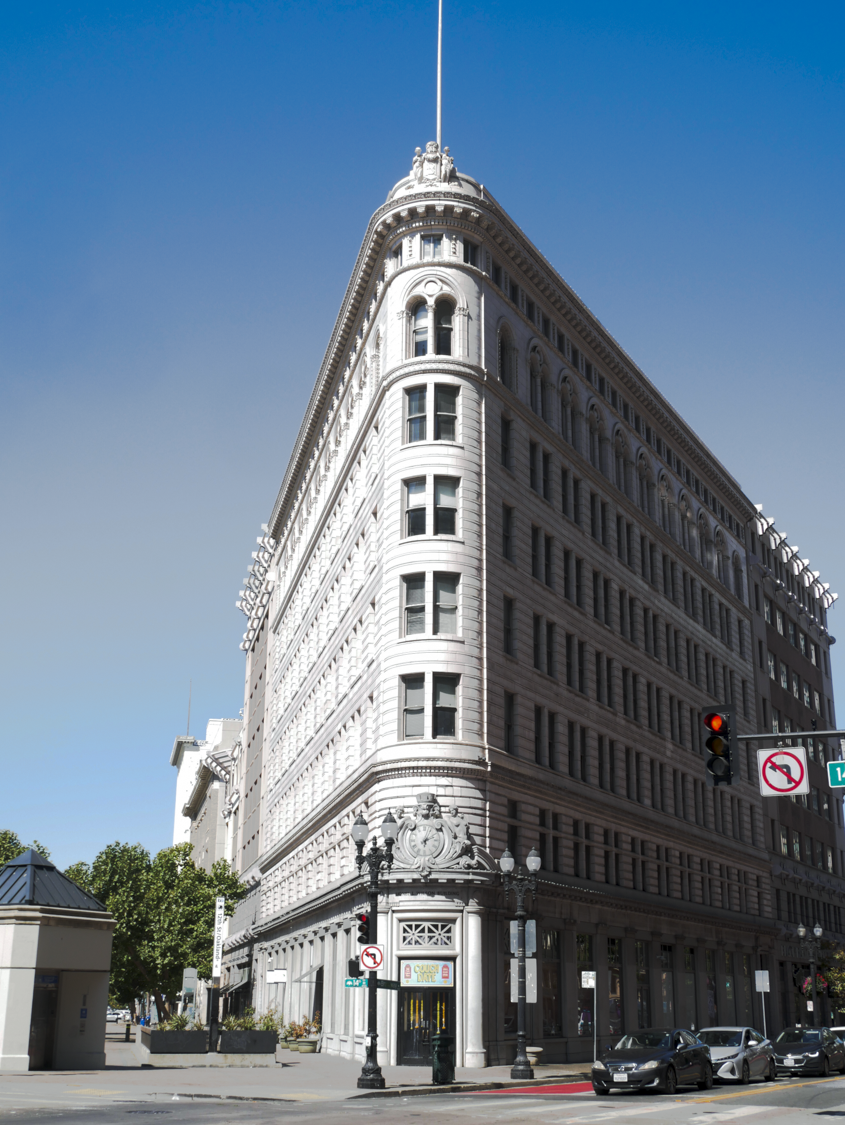
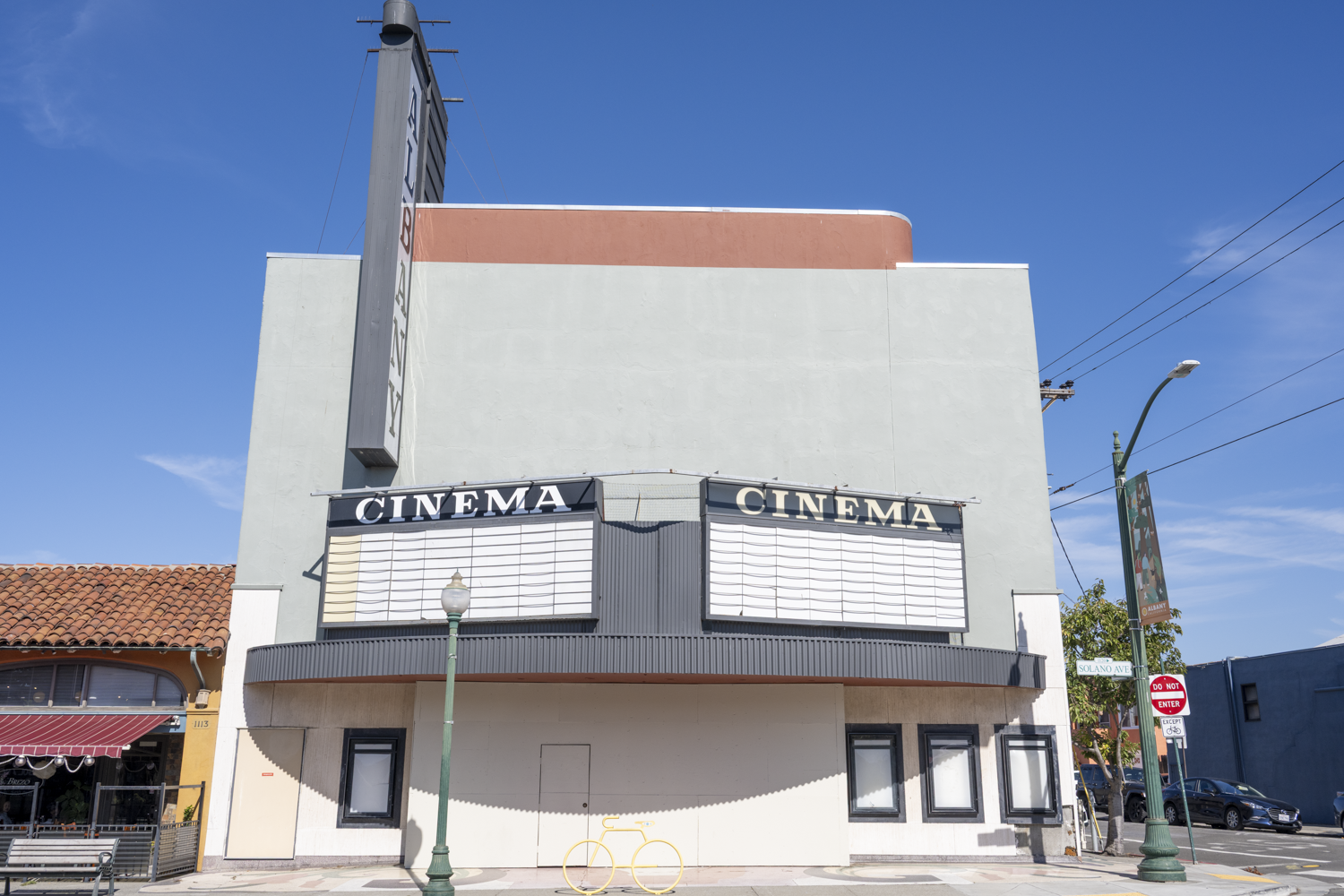
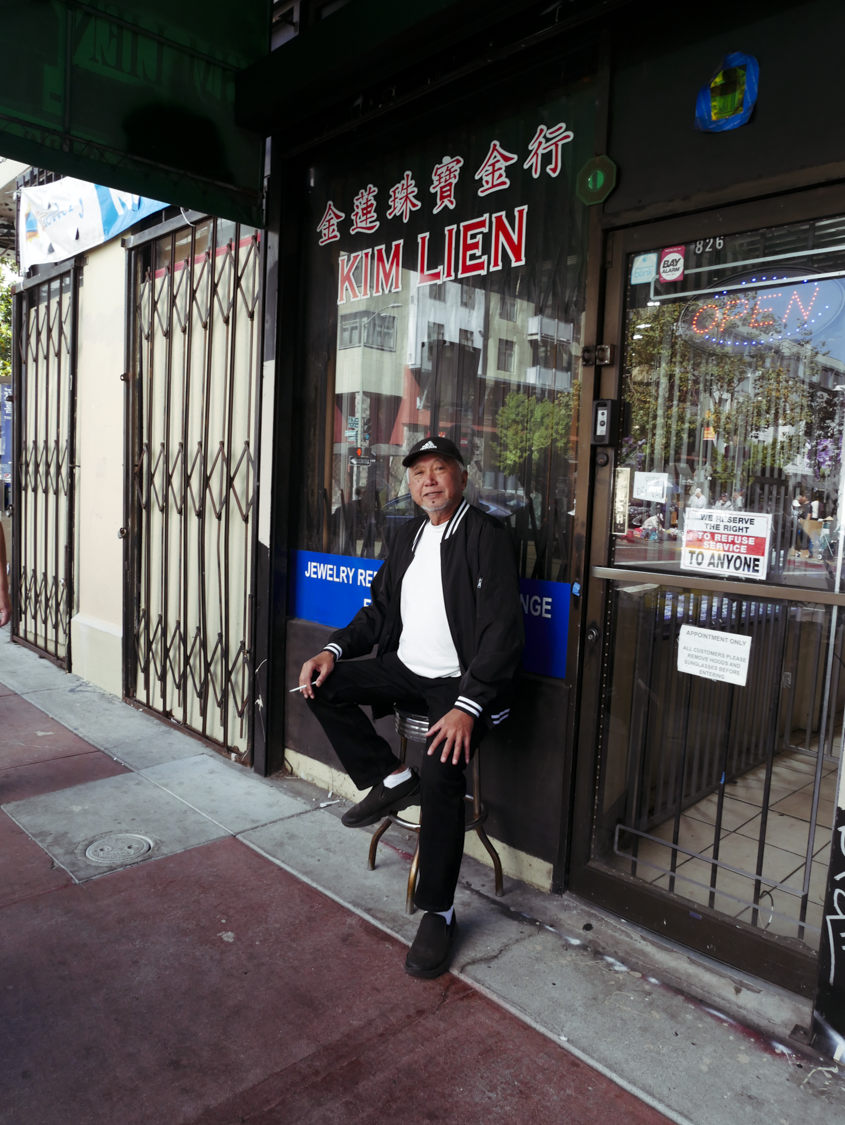
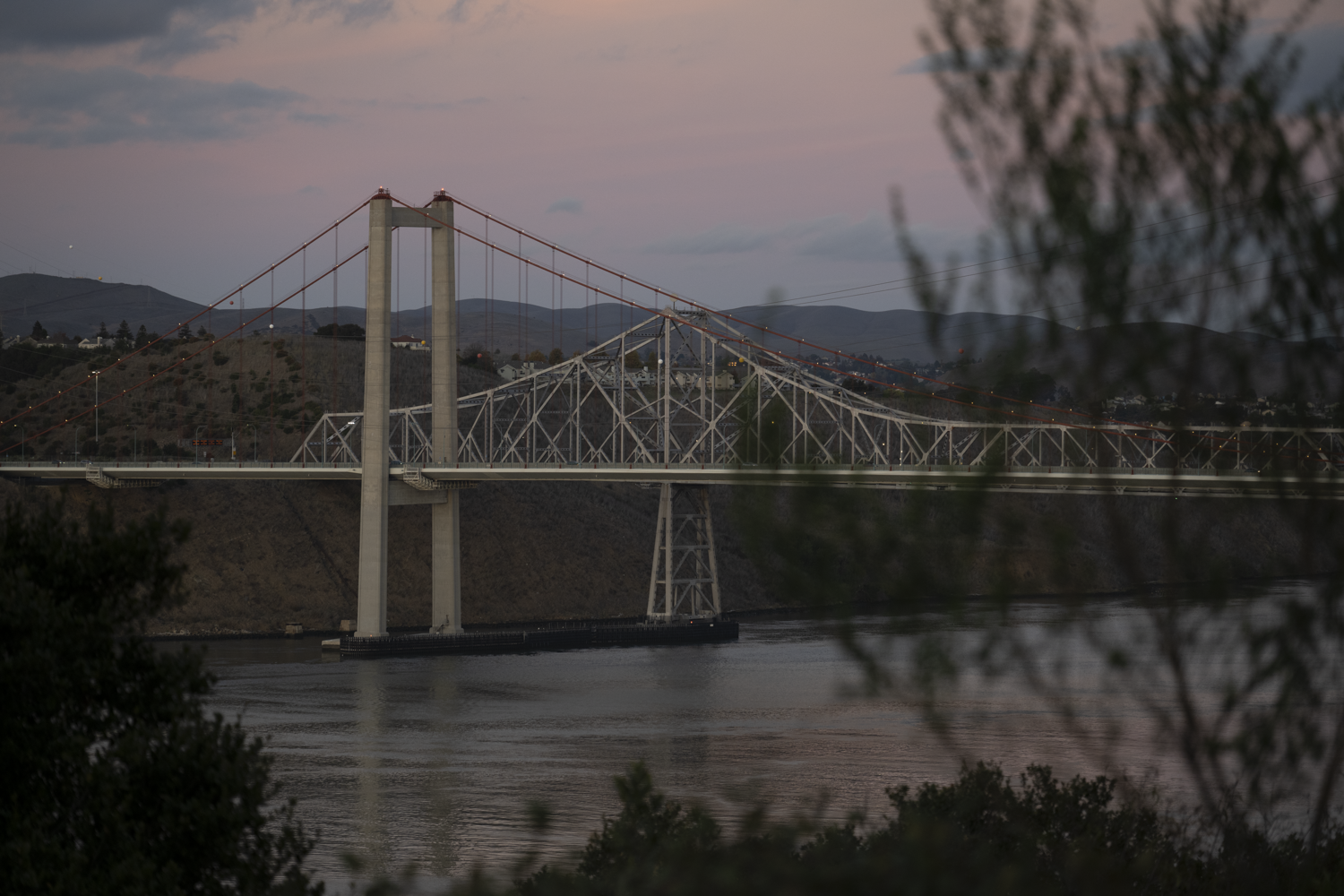
The uniqueness of the San Pablo Avenue is that this is a long street that stretches across multiple cities in the East Bay. For me, San Pablo Avenue is a place that combines various words of emotions, histories, and diverse communities. When I walked on the street, I experienced many different feelings that I never imagined in the past time. Often, I have these mixed feelings of familiarity, strangeness, warmth, calm, including heaviness. There was a time when I experienced the sunset in the area, which created a sense of sacredness that really hit me in the heart. This is an avenue that combines Oakland’s diverse culture with Emeryville’s brightness and Berkeley’s polities liberty and Albany and El Cerrito’s calmness. In this avenue, I can see the history where immigration thrives as well as their struggles, the growth of the industrial combine with traditional, and even the challenge of the inequality that people experience. During our walk, I actually had the chance to observe the environment in which I live so closely, It’s very different from just driving past. My photographs serve as a mirror that provides not only the visual presentation but also the emotional weight behind it. I can vividly recall the story behind each photograph, which means a lot to me.
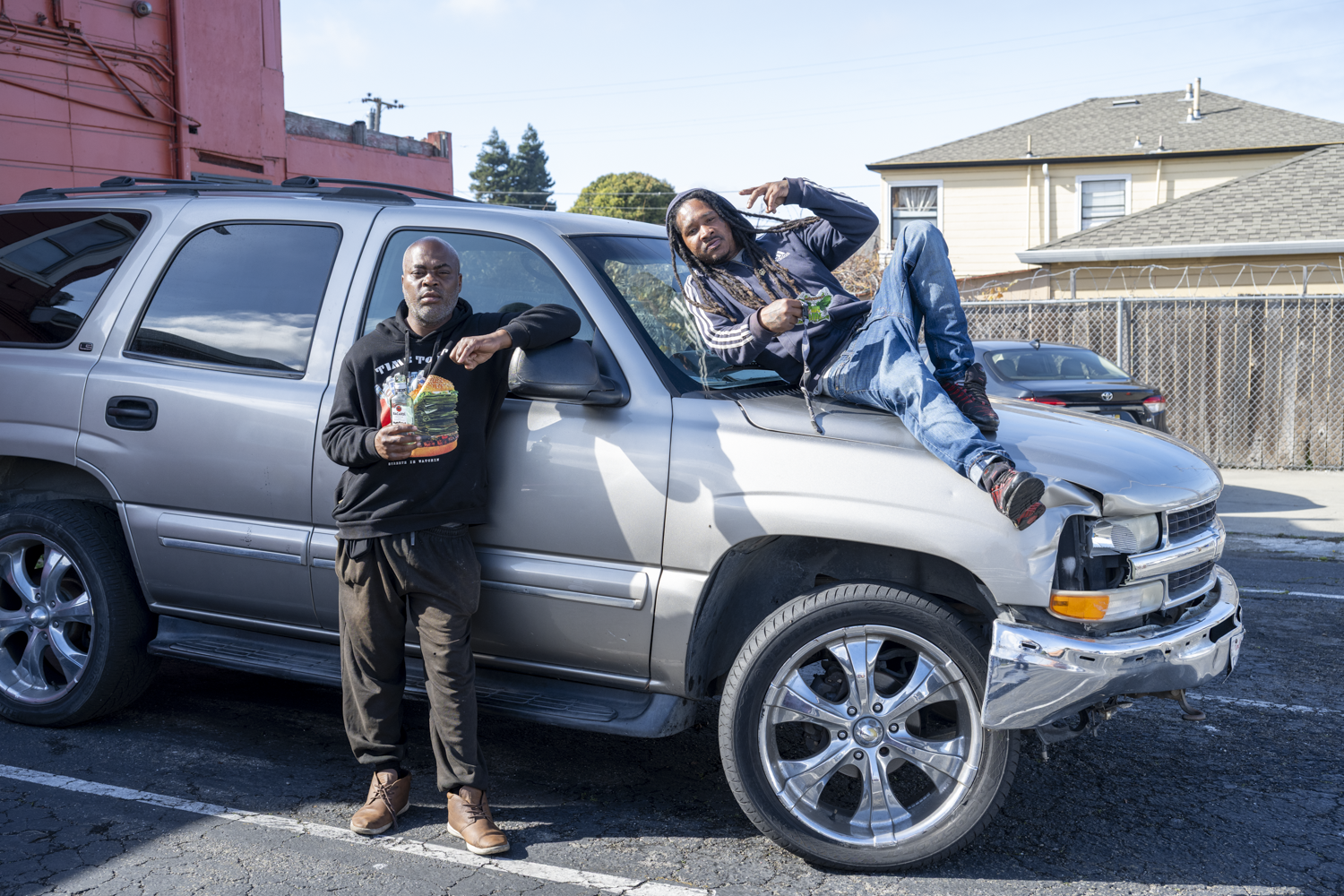
Just like what William Littmann mentions, “the rhythm of walking generates a kind of rhythm of thinking, and the passage through a landscape echoes or stimulates the passage through a series of thoughts” (6). Walking on San Pablo Avenue really makes me slow down from the daily busy life, offering an opportunity for me to slow down to observe the items around me. There were many times that I heard about the homeless population from the local news, but seeing them in person, it shocked me in a strong way that really made me want to do something. What shocked me the most was the increasing number of homeless people who lived around the avenues. I knew homelessness was a reality in the Bay Area, but I was not prepared when I saw it. I can’t help to think about how our institutions could better support those individuals who need help.
This class is very interesting, and I have the chance to use a professional camera for the first time. For someone who used to shoot everything with an iPhone, I was overwhelmed when I first picked up my first camera. There are more buttons and functions that I do not recognize. I felt frustrated and did not know how to create a project, which stressed me out at some point. As the class goes on, I start to master some basic skills and really enjoy myself behind the camera. It is amazing how the camera can show so much impact with different frame designs, shooting angles, exposures, etc. Every photo has a story or scene behind it. As I reviewed my previous works, I clearly saw the improvement of my project themes from newbin to more confidence. My journey of photography has heavily impacted me as I have more patience to get to know the environment around me. More importantly, I get to uphold a positive and inclusive way of life, which can be a story embedded behind the scenes, and people are no longer anonymous.
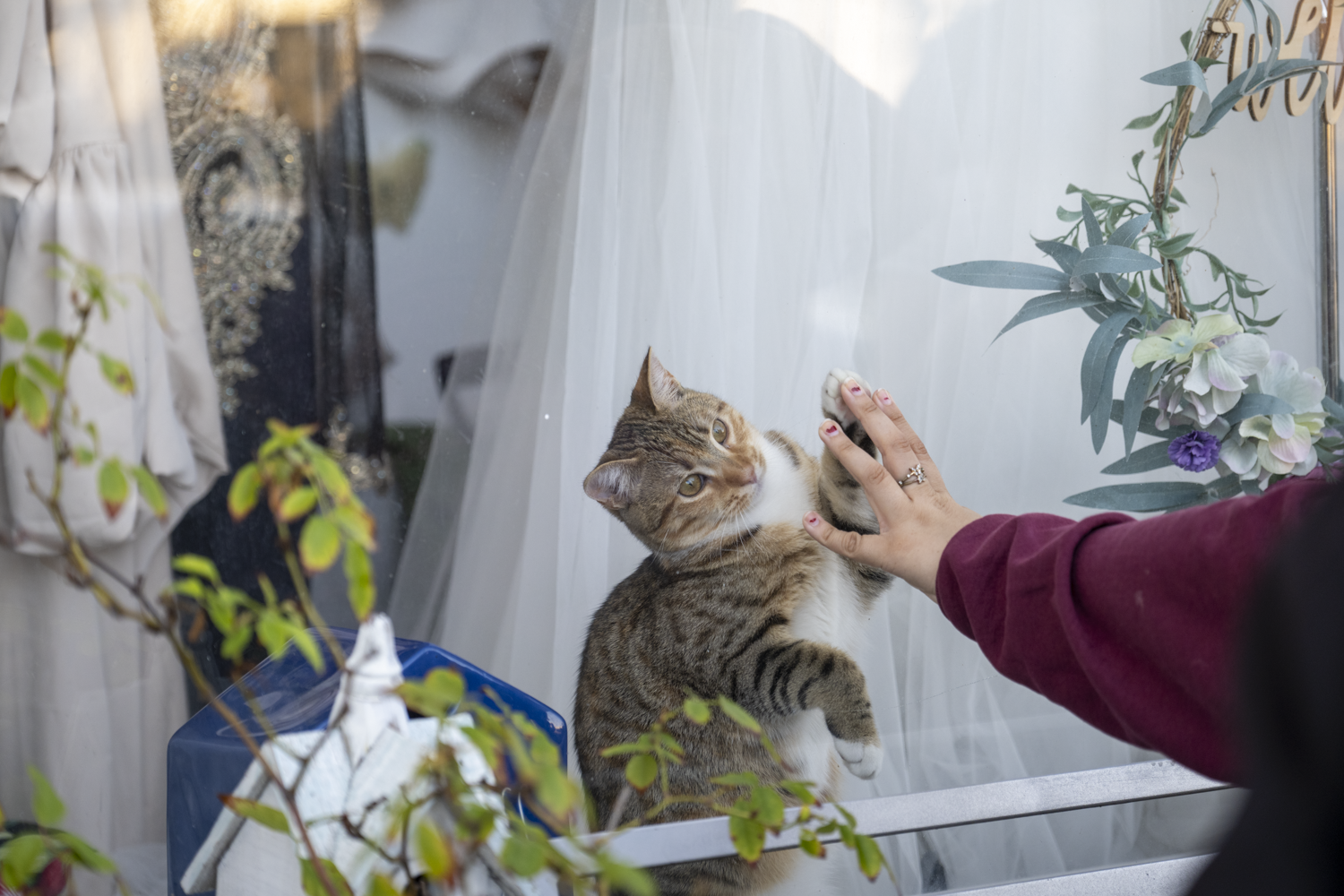
I keep my creative process simple as I try to follow my heart while I walk on the street, make observations, and then capture. I believe the beauty of the creative should be random without fixed steps. My creation varies depending on the people that I meet, the current neighborhood, such as owners who clean their storefronts, activists who pass by, musicians who perform, family with kids who step into the light in the moment. I don’t want to let myself step into a situation where I just shoot some particular item and ignore others, which is not what I want. I believe that every individual is unique in their own way.
When I learn how to take photographs, the first thing I notice is the light. The light decides how the whole street background will look. While I walk, curiosity alone pushes me to the next place. I built a project that keeps its attention on the people and city view. The more I practise, the clearer the theme of my own work becomes.
I enjoy our walk along San Pablo Avenue. The street is chaotic yet quiet, historic yet alive, broken yet beautiful. From the project I learned more than how to use a professional camera. I learned to look at California's urban tangle and at its many kinds of people, one piece after another. I learned to catch the hidden stories inside everyday routines and see what is different around us. I learned how the light changes and how it shapes the moment besides I now trust my own finger to press the shutter without pause. The walk ties me to the people who live here. Photography forces me to walk slowly - it gives me time to look and to link what I value inside myself with what stands in front of me.
Works Cited
Littmann, William. “Walk This Way: Reconsidering Walking for the Study of Cultural Landscapes.” Buildings & Landscapes, vol. 27, no. 1, 2020, pp. 3–16.