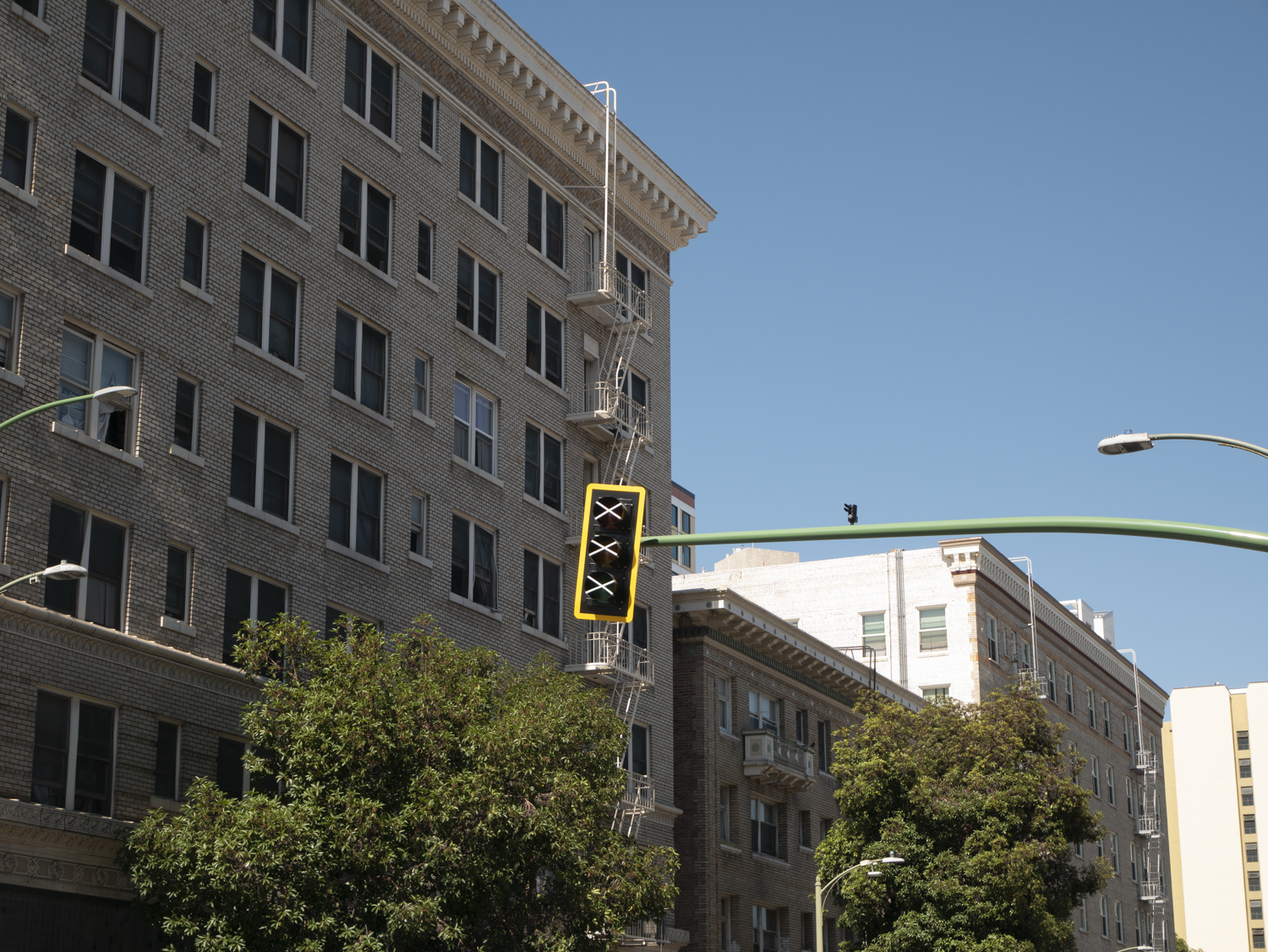
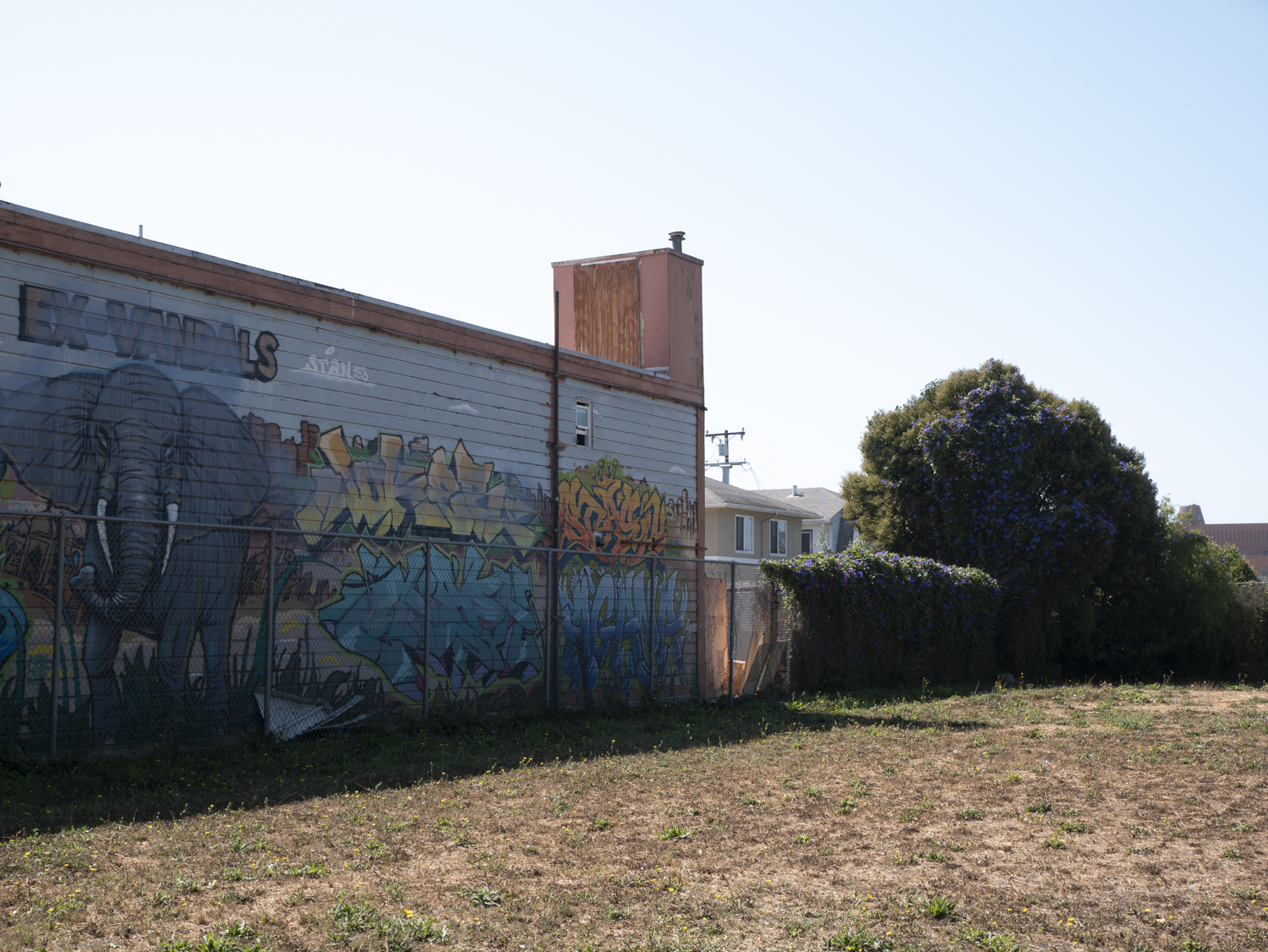
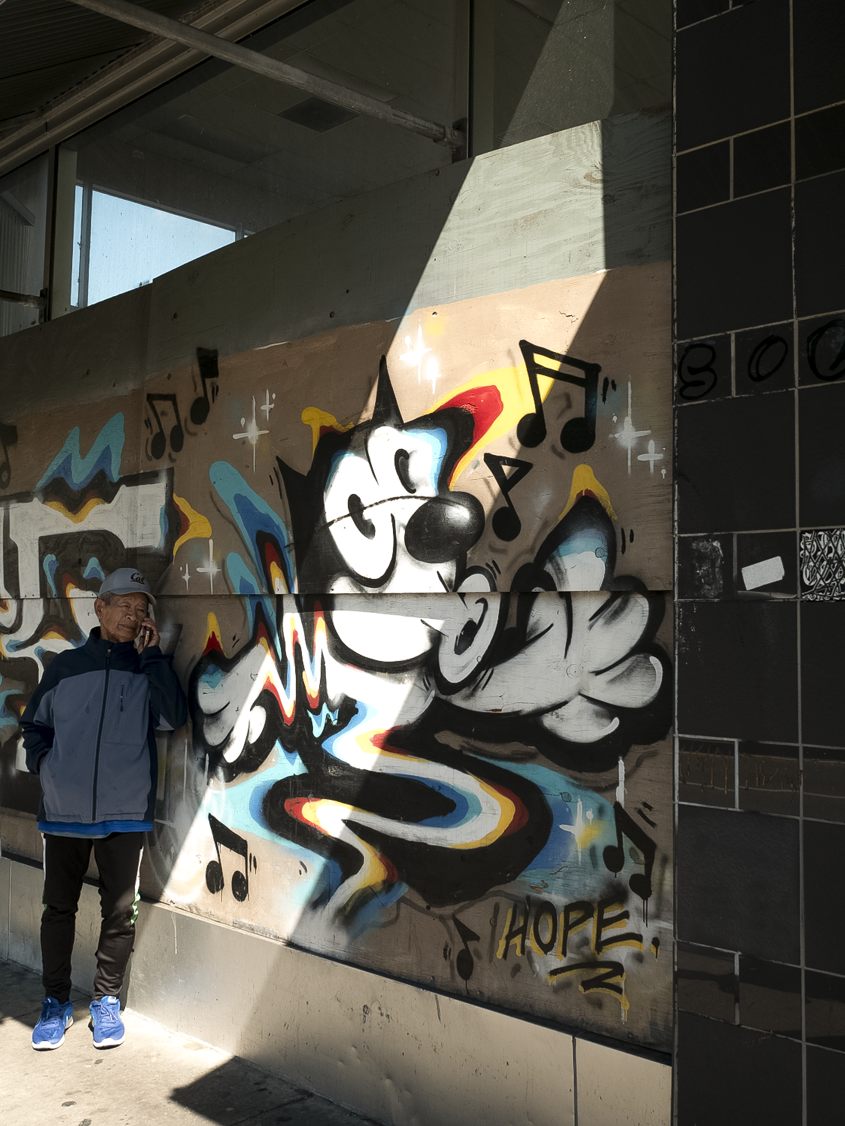
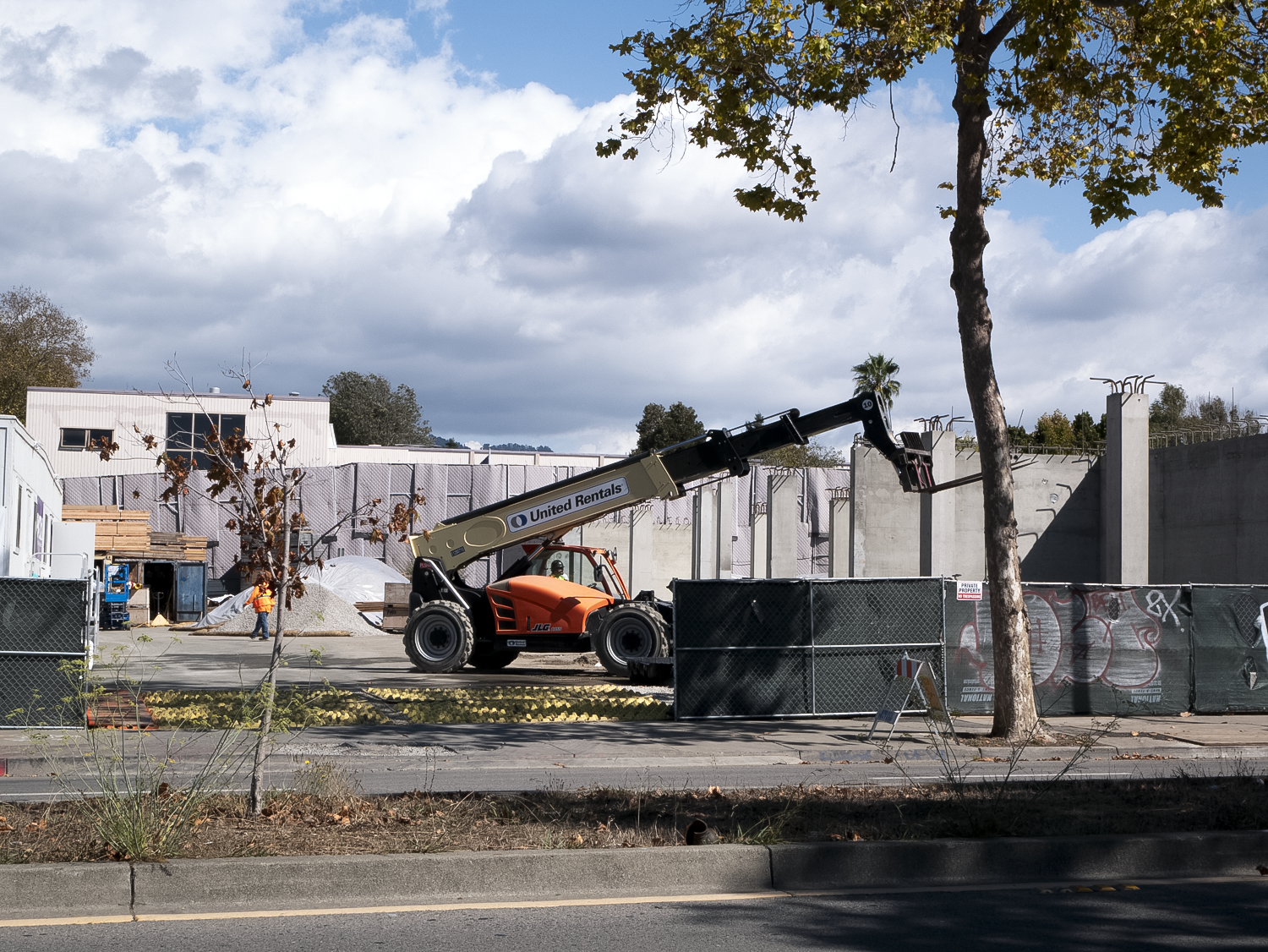
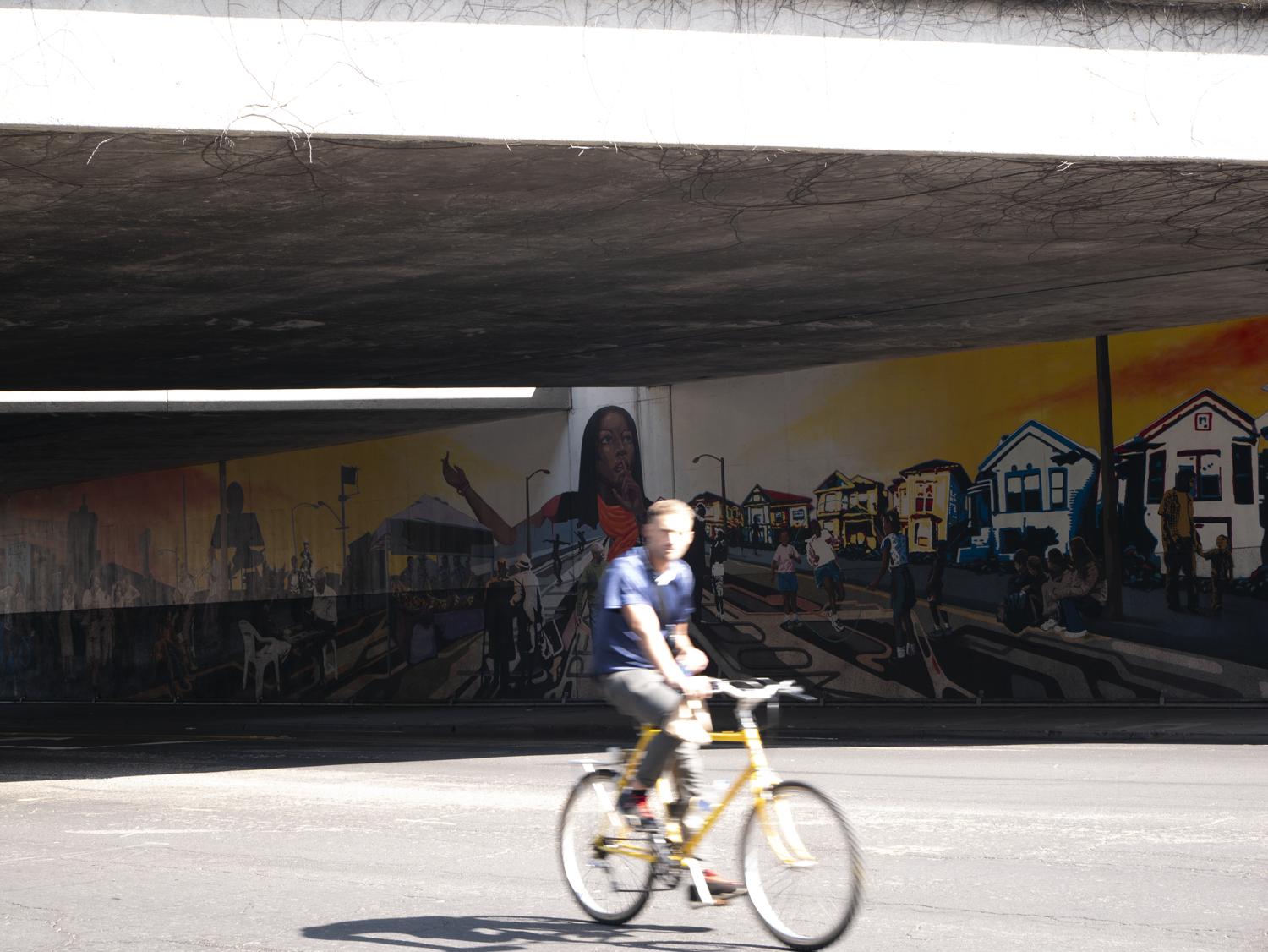
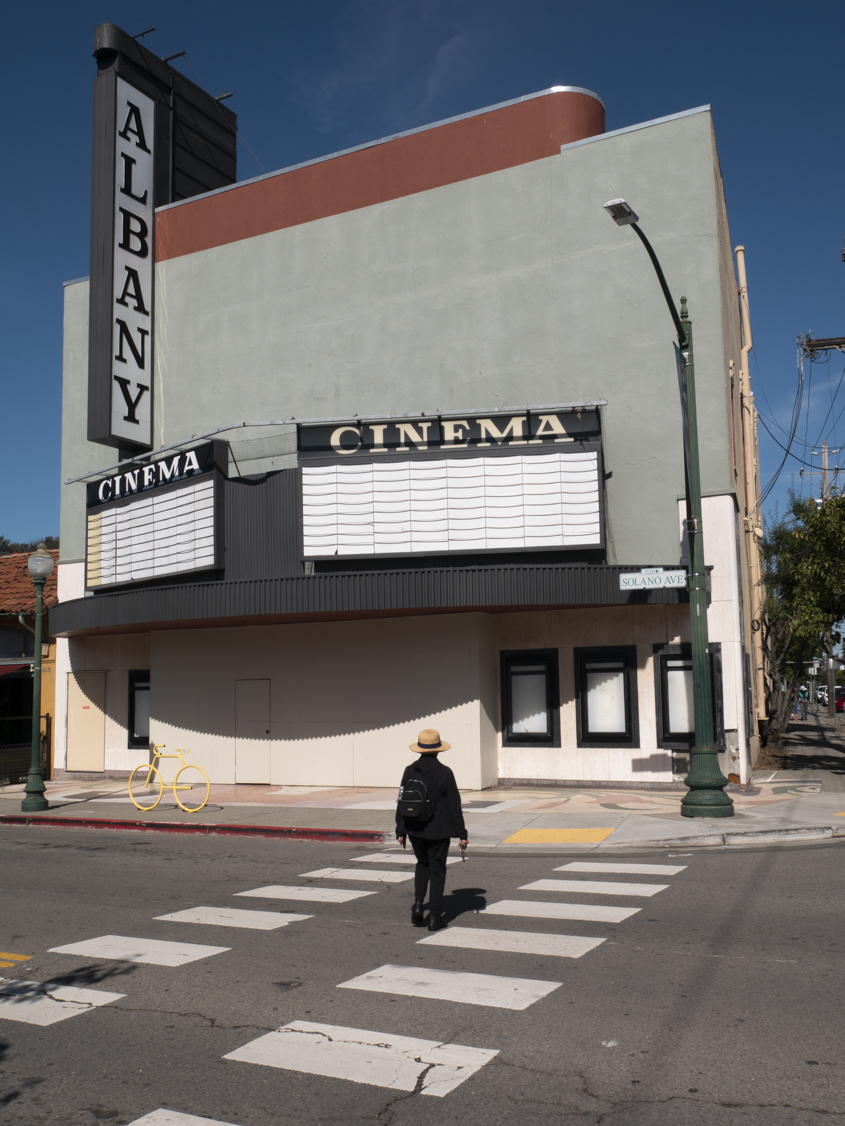
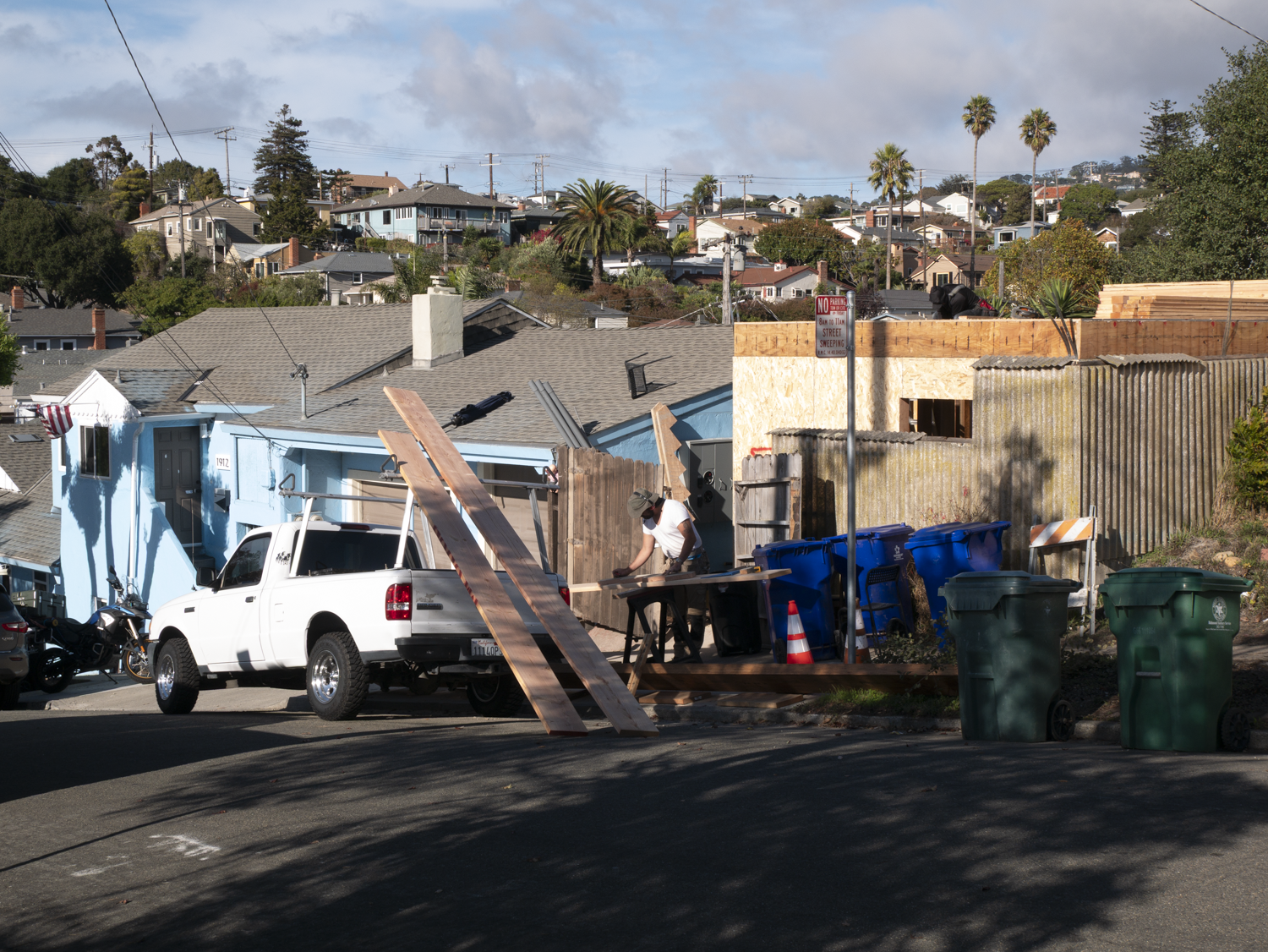
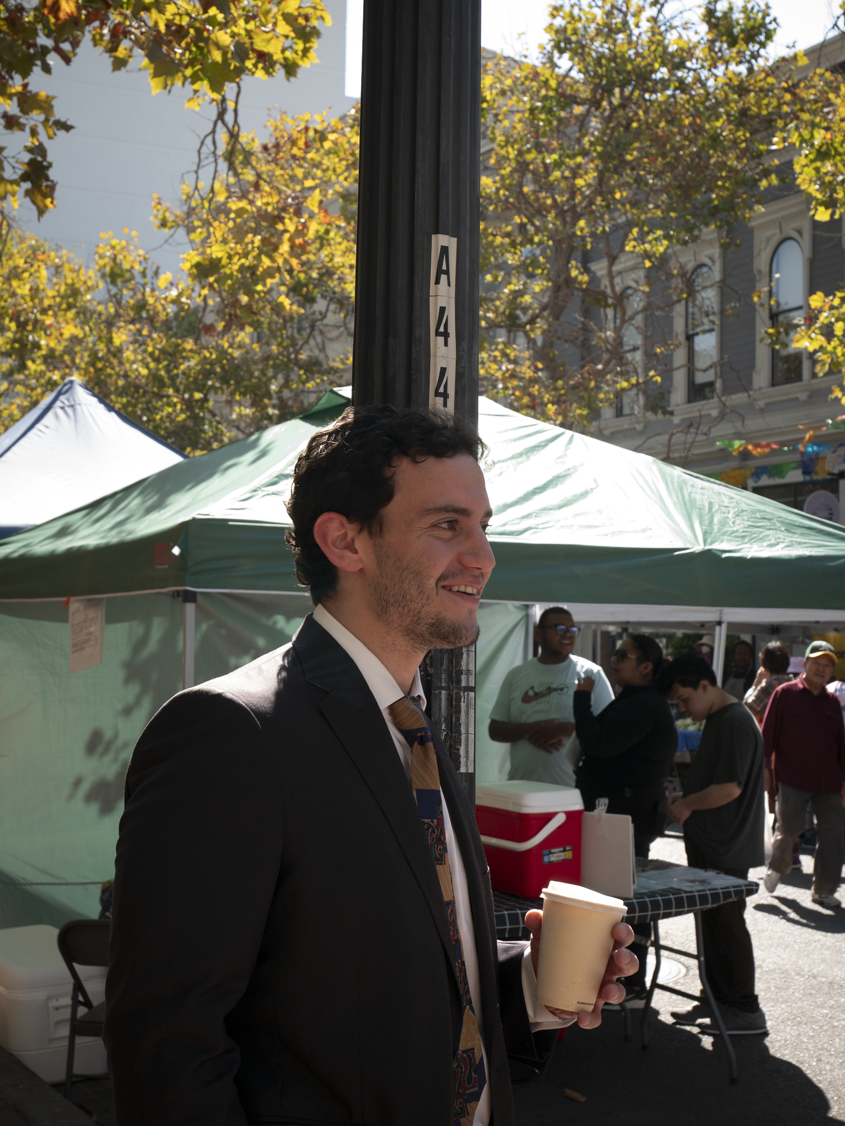
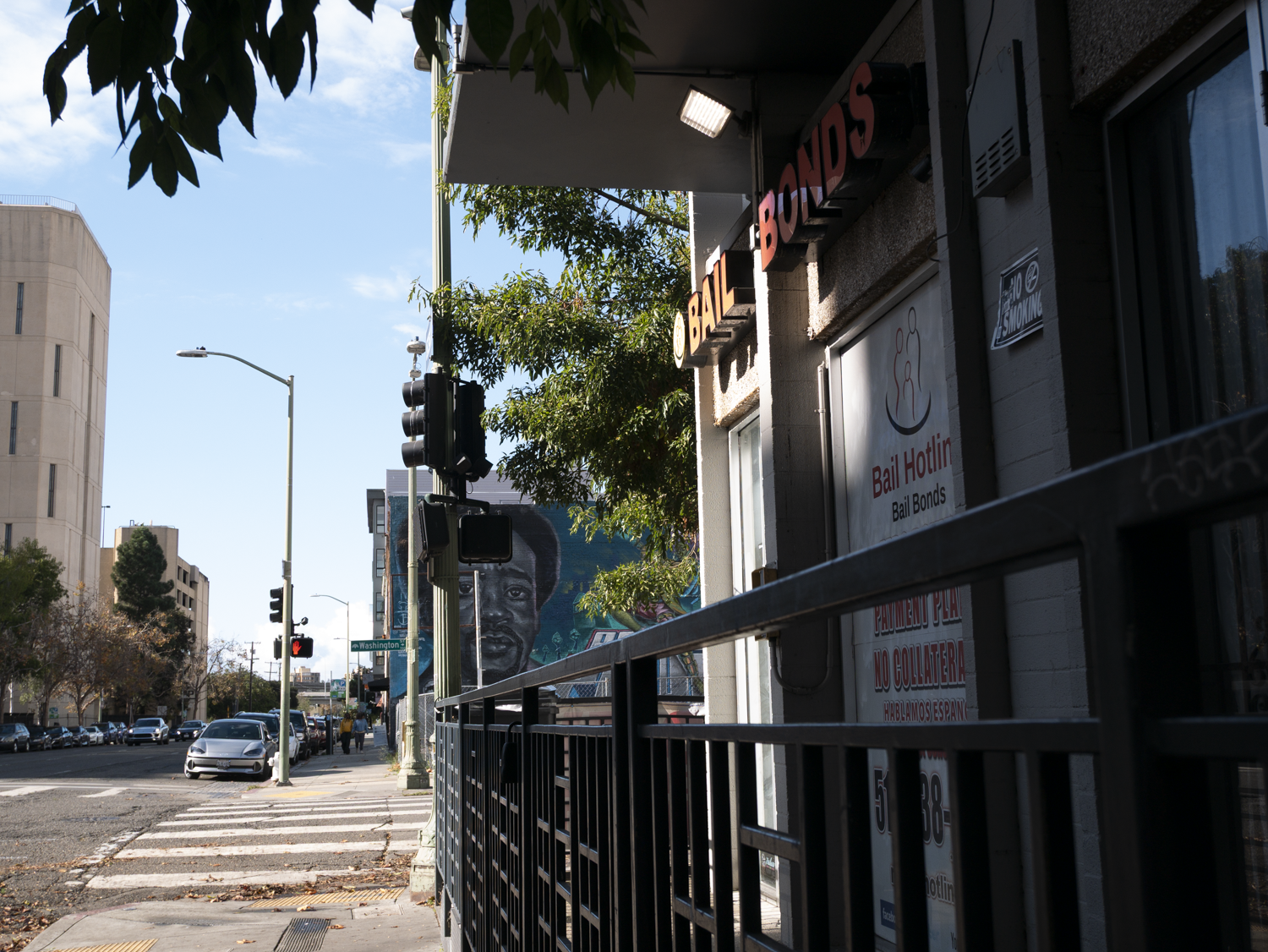
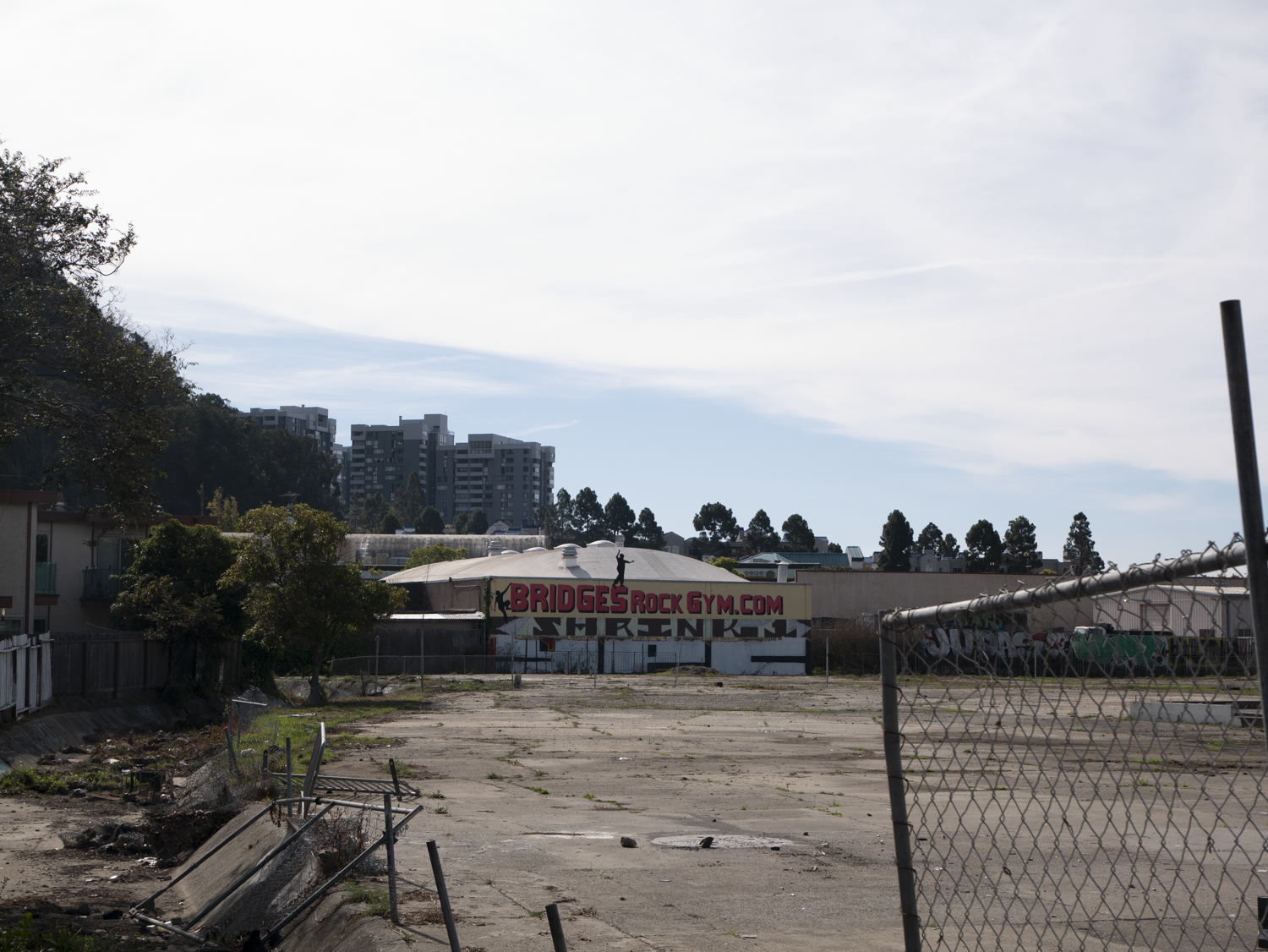
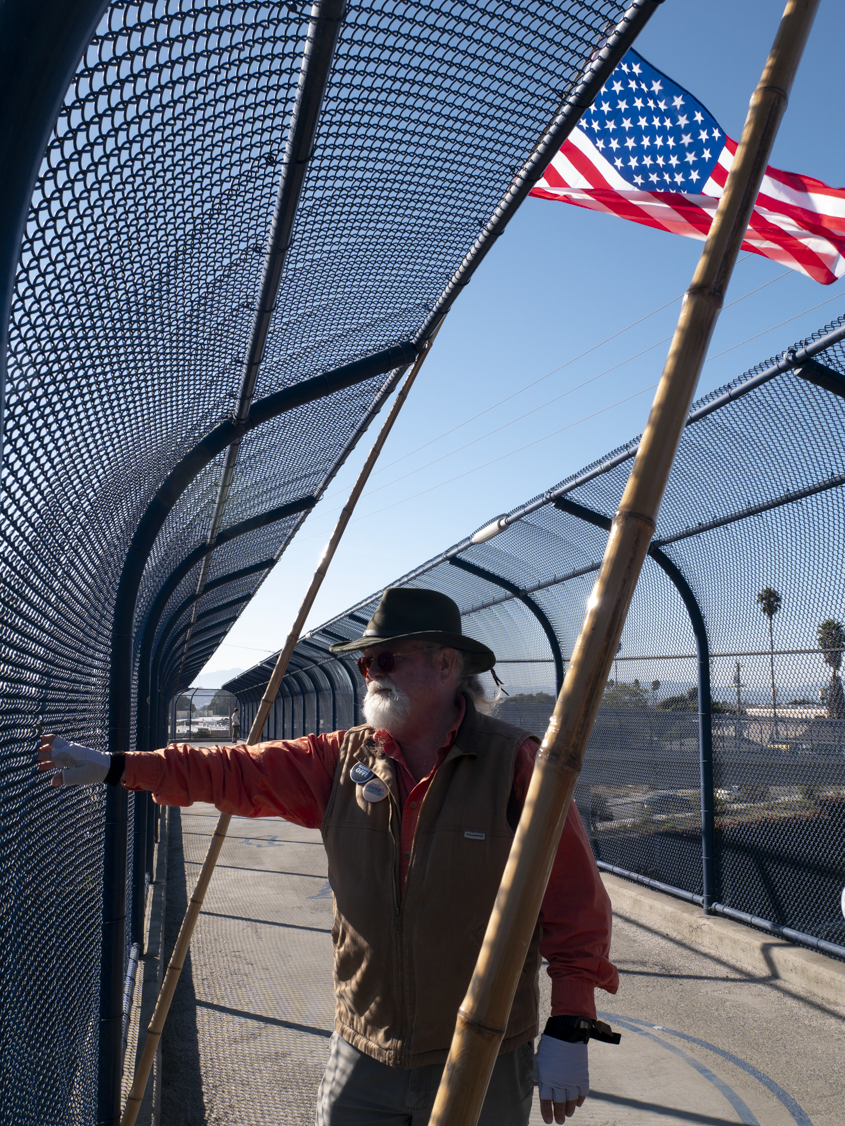
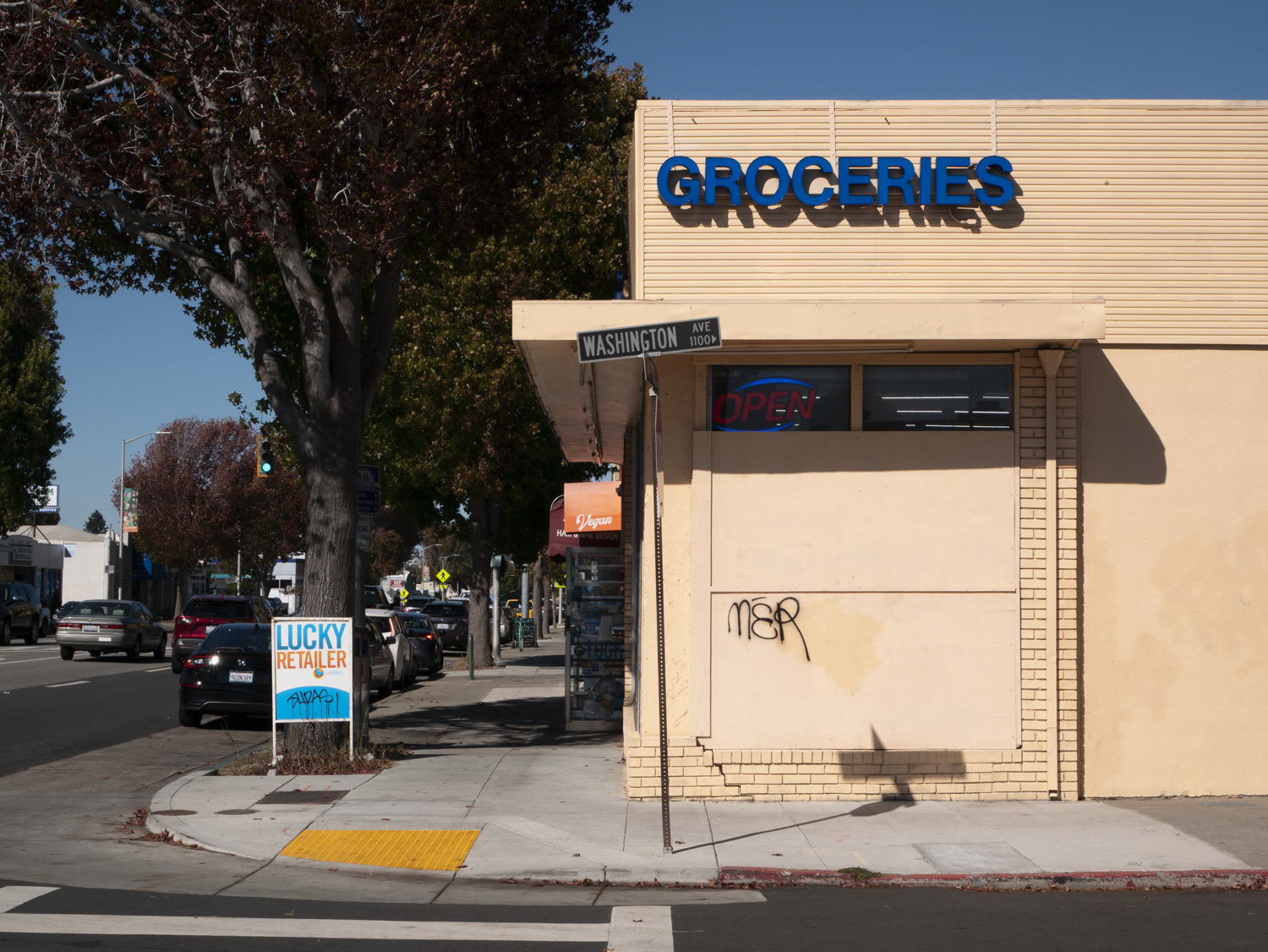
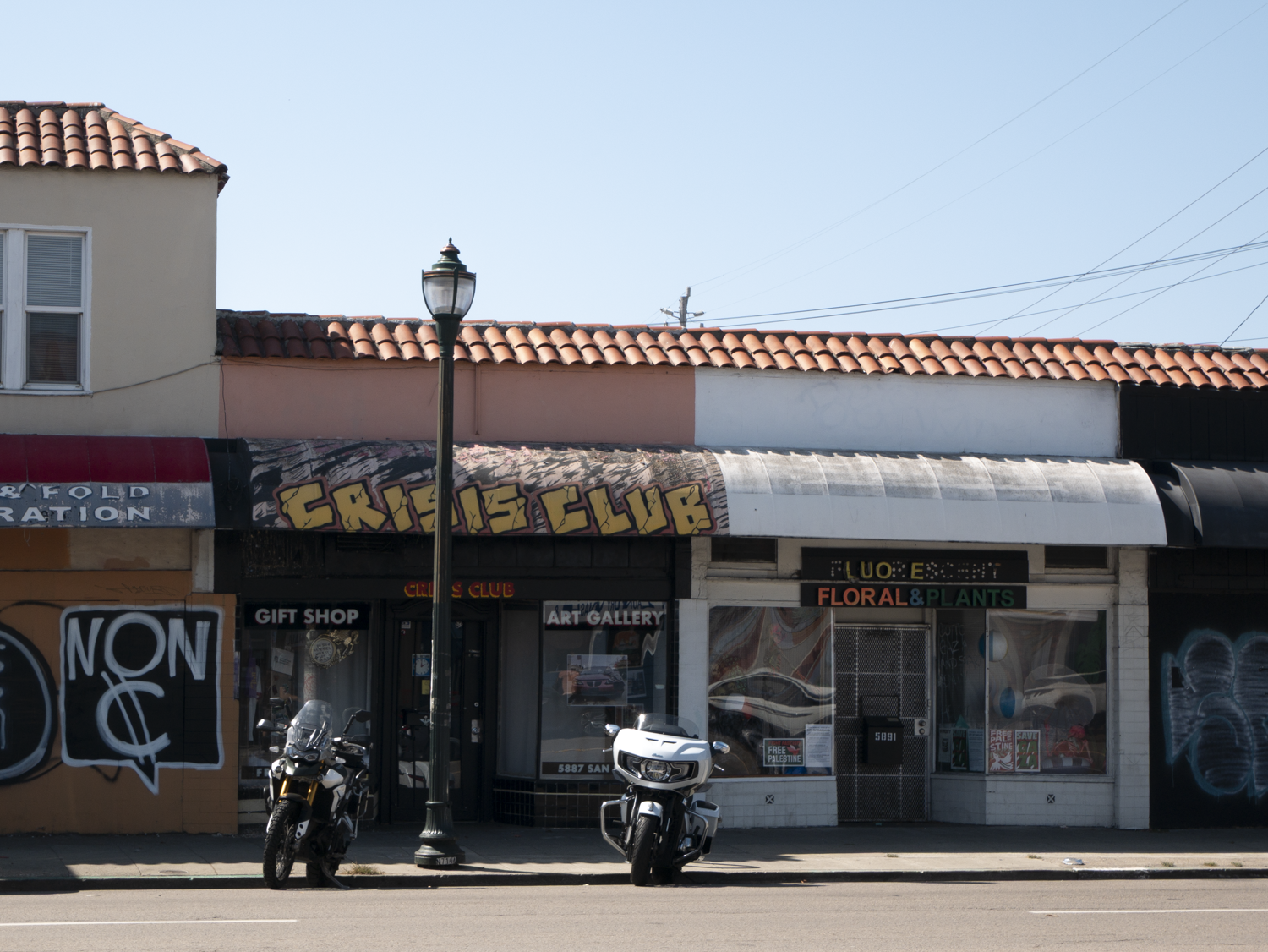
Landscapes have depth to them all, especially on San Pablo Ave where a number of spaces which may not necessarily seem related or connected to each other are. As they are impacted by the roles of capital, extraction, power, and uneven development that influences the cities (Summers, 2022). Whether it be through multinational corporations such as Uber in Oakland (Ghosh, 2017) or Chevron in Richmond (Bay City News, 2025), or the local government with the construction of a campus for police in San Pablo (Hernandez, 2023).
As I revisit my photographs, there is much to be noted within these images, seeing as San Pablo Ave encompasses much of the landscape and characteristics of the Bay Area, of a diverse landscape, but all overcoming difficulties.
The building and existence of communities together, sometimes parallel or uneven is paramount in understanding the region and San Pablo Ave, such as in the case with Uber’s once planned office in Downtown Oakland (Ghosh, 2017). Continuing as a vacant space, Uber decided to sell the office, cancelling the ambitions of growth and expansion into Oakland’s landscape that never came (Ghosh, 2017). It is a question as to what the role of these firms are for the cities that they embed themselves into, are they a driving force into increasing unaffordability? As it relates, in writing by (Summers, 2022), Summers covers the landscape of Oakland throughout 2020, with art pieces highlighting the inequalities and injustices that have affected Black Americans, presenting Oakland as having a number of layers and existing as a city as both a city that has privileged and wealthy residents with the disparities of its communities of color that do not have the same access and resources that these other individuals have. That in a way can be seen in the model of Uber’s own business model, being a firm that exists with those at the top of the firm having capital and being privileged while the majority of its drivers and contractors are disproportionately low-income individuals that are predominately people of color (Montoya-Boyer, 2017). This unstable economic model of extraction whether it be through the built environment or its people can lead to major repercussions in the long term future. As it is with multiple landscapes in Oakland, the role of Uber resembles this aspect as well. There exists two different companies in that case, one that is underprivileged, without the benefits and compensations that is adequate for its drivers, compared to the corporate Uber that has a much less diverse workforce from leadership positions to staff (Montoya-Boyer, 2017). Moving between firms over a number of years, the building appreciated over from the next transaction, eventually landing in control of Square (Brinklow, 2018). In attempting to incorporate itself into the landscape, Square has announced to support the community through collaborating with local businesses and organizations and said to hire those from the surrounding area (Avalos, 2020).
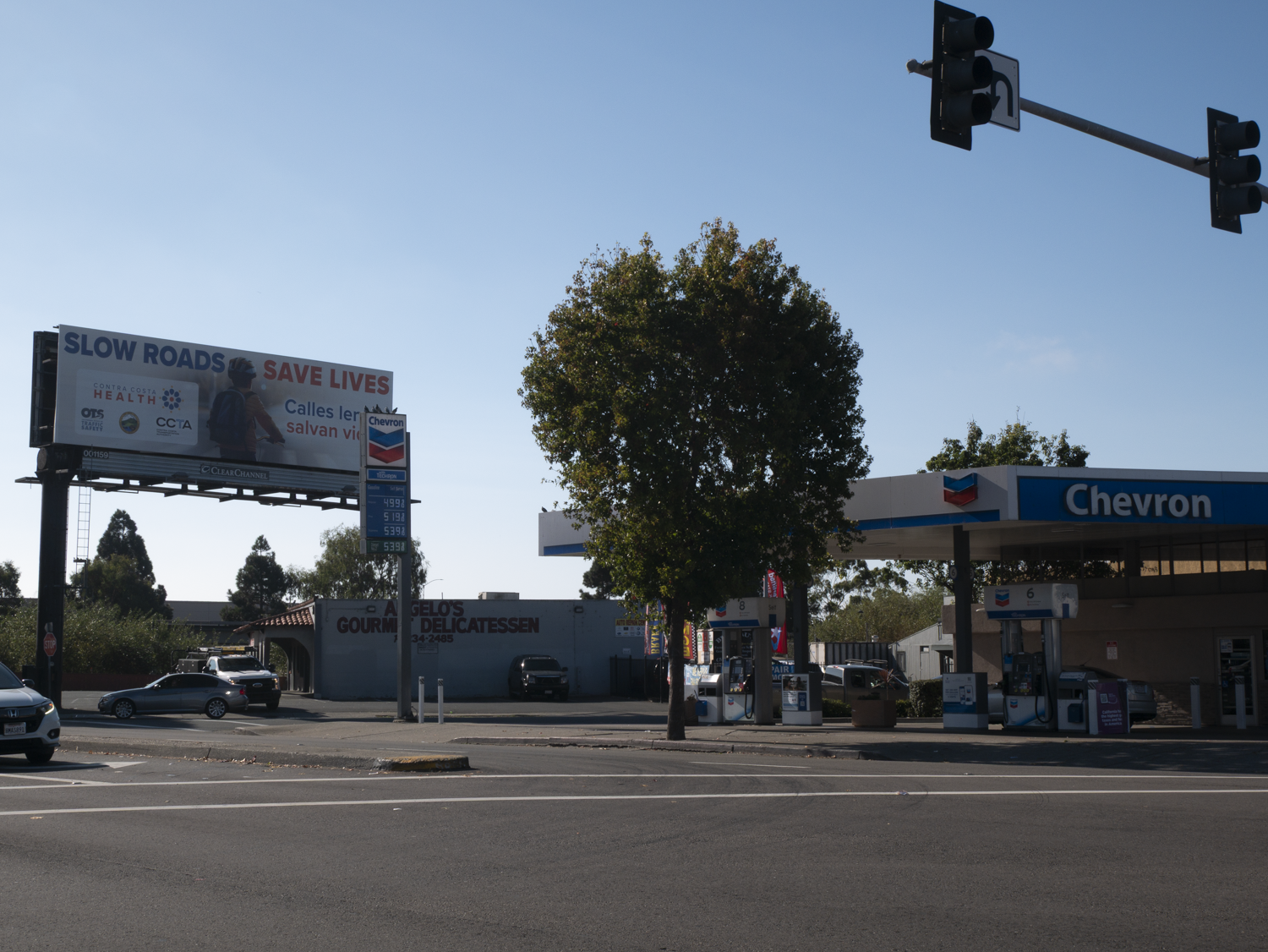
This contrast was an aspect that I wanted to represent through photography, from the actions of larger oil companies in Richmond that utilize their role as a producer of goods and a significant employer in the region, that often puts the company in an advantageous position compared to the residents that are attempting to protest. Seen in one of my photographs of Chevron station being juxtaposed with a safety sign, that of a pollution organization being right beside a billboard highlighting the importance of safe roads and the public health initiatives pushed for by the city in Richmond.
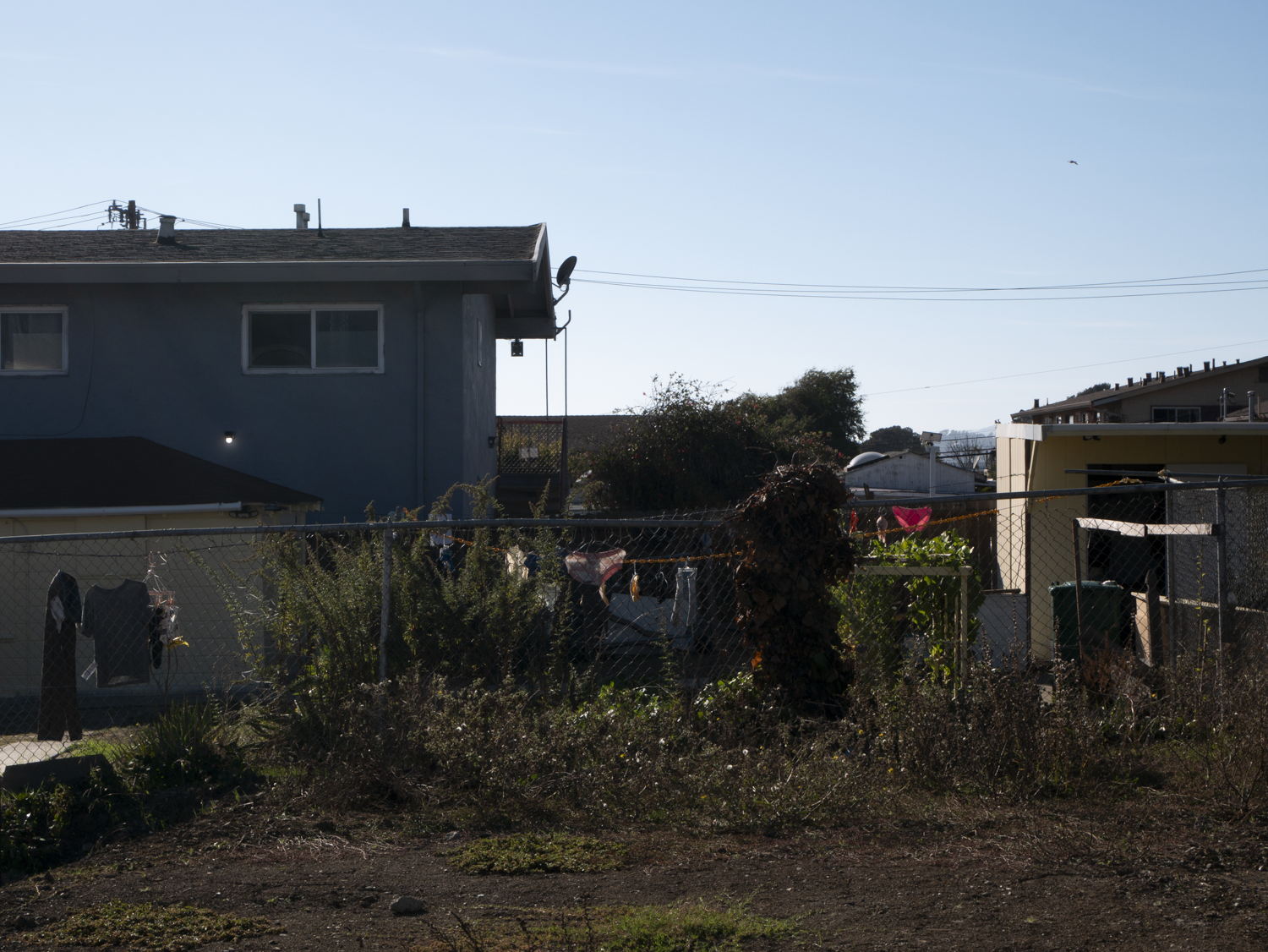
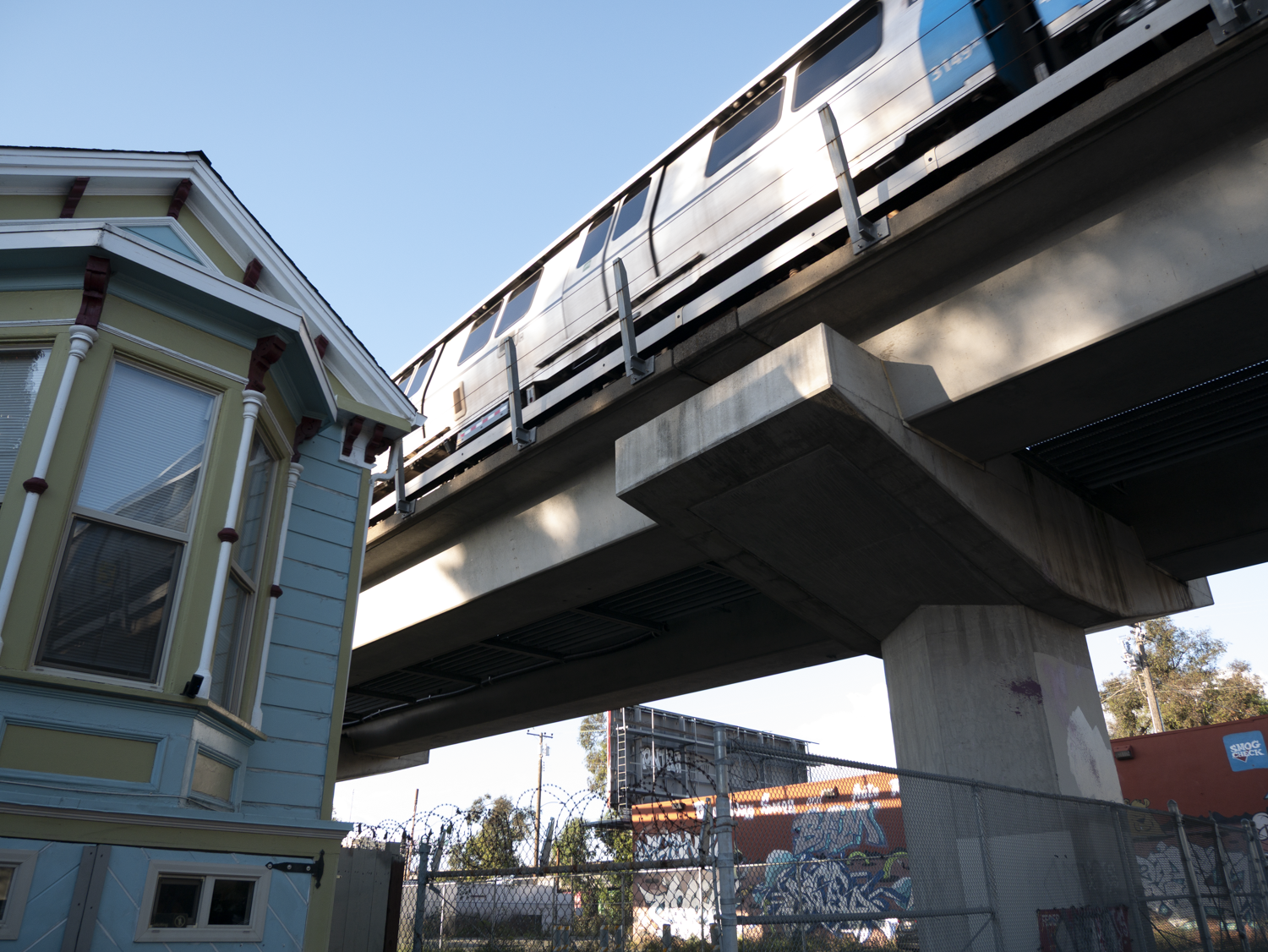
The contrast in development and space is important to consider when understanding a number of my images and photographs. In going out and throughout our experiences on San Pablo Ave, I wanted to focus on and highlight the continuing change that has occurred in the region, but more specifically how important the impacts of these changes build on top of each other, and can continue to exacerbate inequalities or can improve and those that are there. A number of my photographs represent this, but this is one example that I have highlighted, with the example of a home at the edge of West Oakland right besides the Bart tracks and the role that Bart has had in the region, from being an important region transportation device, but also being an aspect of the region that has been a part of inequities within the region, as in itself Bart was mainly a region transportation device that was utilized by residents within the surrounding suburbs, from San Leandro to Fremont (Dahlstrom-Eckman, 2024). Within that, San Pablo Ave has relationships with this development as well, as with that, San Pablo Ave can be utilized as a thoroughfare that people drive through without interacting with the surrounding landscape, or being a part of the landscape in one’s use of the street. It is an aspect that can be noted with Bart tracks and it runs right by the home. Though you can compare that to infrastructure alongside the Ohlone Greenway which is in contrast to much of Bart’s surrounding landscape and relation to the homes and neighborhoods that surround it (Wallace, 2025).
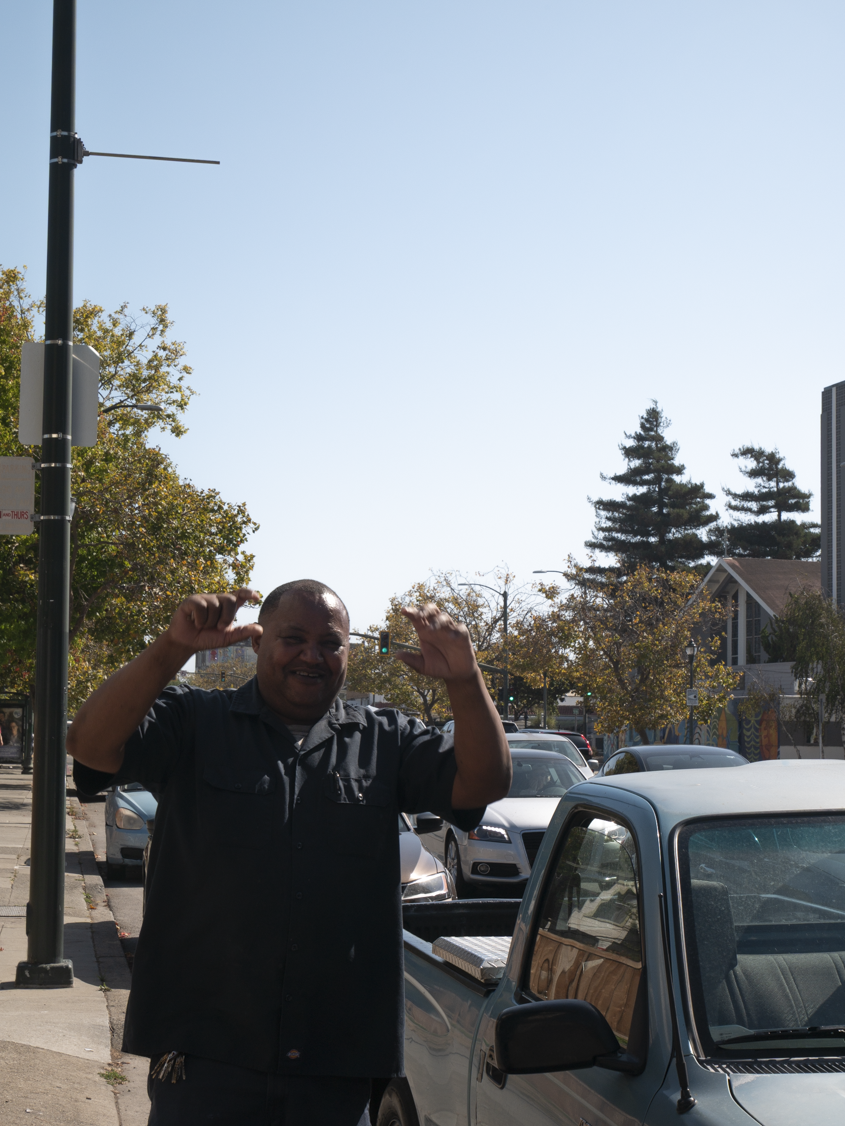
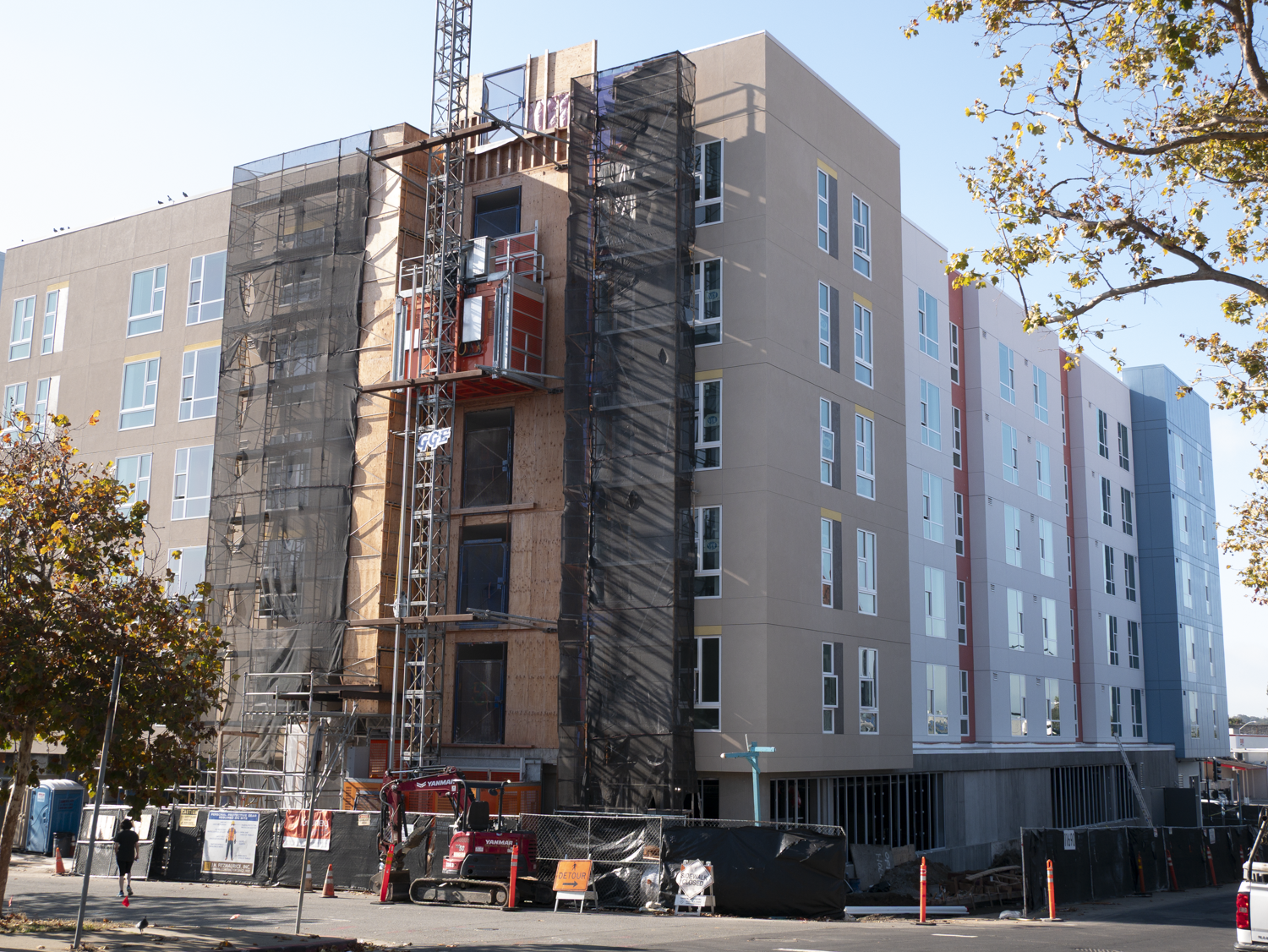
One interaction that was particularly interesting was our conversation with the owner of Low Cost Appliances in Oakland, as he spoke about his personal experiences of living along San Pablo Ave, noticing the gradual and significant changes over his lifetime (personal communications, September 26, 2025). As small businesses and shops are now one piece of entire redevelopment projects, it changes the perception and environment of San Pablo Ave. His insight was special as well, as he is someone who has traveled all over the United States, seeing a number of landscapes and the people across our landscapes, highlighting the kindness that exists, which challenges the common preconceived notions that exist (personal communications, September 26, 2025). People nowadays come to a conclusion about entire cities and states, without even having stepped foot into them. Although I have been to a number of these cities and communities on our trips, I had not really interacted with members of the communities, which is paramount in understanding the neighborhood as it is difficult to really understand a space without interacting with the individuals that define and developed the landscape to be the way it is.
For myself, I avoid coming to any conclusions or assumptions about a space, and even once I may have visited and interacted with the landscape, I can only say so much as an individual that is only visiting for the short-time that I have.Throughout this semester, I have improved and learned on a number of fronts, from abilities and skills of being able to utilize our camera and photograph to my interpersonal skills of being able to communicate and interact with strangers and the people along our trips. At the start of the semester, I was intimated by all the technical or nontechnical aspects of photography and whether or not my photographs would be able to highlight and emphasize the landscape and people across San Pablo Ave. As someone that constantly overthinks every little detail and action, I would say that I improved on this frame of thinking, that everything has to be perfect and exact, but I had to reframe how I approached the world in a way. Whether it be doing something wrong or facing rejection in a way, I had to accept that to get stuck on perfection was making my work worse than benefiting it. Though the kindness and openness of the individuals and community along San Pablo Ave cannot be taken for granted. I never thought that people would even come up to me and ask me what I was up to or doing, being open to questions. Though, as we are from UC Berkeley that can present itself as being a validation in a way of what we are doing, being sanctioned by the university in our work photographing. It also comes into the role of UC Berkeley itself throughout San Pablo Ave and the role of the school as a significant landholder and actor in the development of San Pablo Ave, having the ability to support and work with members of the surrounding communities.
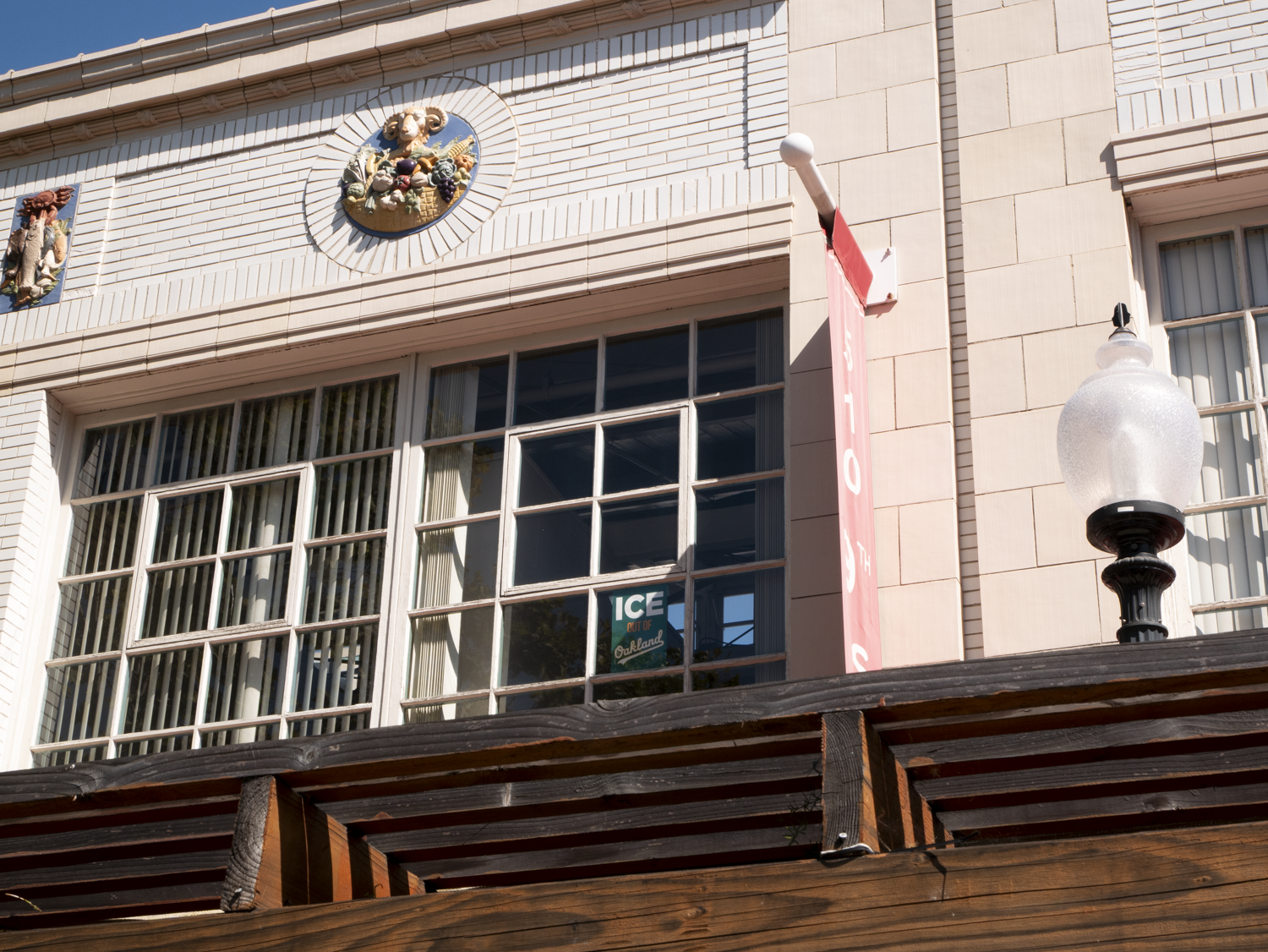
As I have worked on my photographic skills and attempted to understand the art of it, I feel that I have improved on that front, being able to represent and showcase my perspective in a way through my own lens and photography. With that, as one looks at another’s photograph, there is a specific intentionality behind each photograph and the different perspectives that every individual has. With that, one of the questions that I had was if many people within our class would have the same photograph as we are on the same walk and often capture the same individual or building, but even then, no one photograph is the same as we all interpret and understand the world around us in different ways. We all try to emphasize and showcase different aspects of the landscape and have different stories to tell. You can see the different ways in which people utilize the landscape, from some individuals using it as aplace to showcase their perspectives and protest against the status quo and the harms of members of communities from the current ICE raids that disproportionately affect communities within San Pablo Ave. There were a number of signs and imagery on the windows of businesses that highlight that members of the community would not tolerate ICE entering their neighborhoods. The community organizing and solidarity that exists throughout the East Bay and along San Pablo Ave is an important characteristic that strengthens the community. This is a trait of San Pablo Ave that makes it special as a landscape. In other landscapes, it can feel as if there is not the same level of connection and energy, but San Pablo Ave does. As we come to the end of the semester, there are a number of takeaways that I have concerning all the work that we have done, one of which is that there is always more to the surface than that is seen. Being open is necessary to continue learning and building on top of what we already know.
References
Avalos, G. (2020, February 13). Square moves into new downtown Oakland offices in hip Uptown
district. The Mercury News.
https://www.mercurynews.com/2020/02/13/square-moves-new-downtown-oakland-offices-hip-uptown-di
strict-tech-jobs-real-estate/
Bay City News. (2025, December 3). Chevron fined $900K for air pollution monitoring failures at
Richmondrefinery, air district says. ABC 7News. https://abc7news.com/post/chevron-fined-900000-bay-area-air-district-pollution-monitoring-failures-rich
mond-refinery/18246755/
Brinklow, A. (2018, December 21). Square takes over enormous Oakland building. Curbed San
Francisco. https://sf.curbed.com/2018/12/21/18151762/square-uptown-station-lease-oakland-uber
Dahlstrom-Eckman, A. (2024, May 16). When BART Was Built, People — and Houses — Had to Go.
KQED. https://www.kqed.org/news/11986396/when-bart-was-built-people-and-houses-had-to-go
Ghosh, S. (2017, August 25). Uber has abandoned plans to move into massive California headquarters
because it needs to cut losses. Business Insider.
https://www.businessinsider.com/uber-ditched-massive-headquarters-oakland-california-2017-8
Hernandez, J. (2023, October 3). New $44M police headquarters, regional training center in San Pablo
comes with some pushback. NBC Bay Area.
https://www.nbcbayarea.com/news/local/east-bay/san-pablo-police-headquarters-regional-training-cent
er/3333237/
Levin, S. (2019, July 2). 'There's no way to stop this': Oakland braces for the arrival of tech firm Square.
The Guardian.
https://www.theguardian.com/cities/2019/jul/02/theres-no-way-to-stop-this-oakland-braces-for-the-arrival
-of-tech-firm-square
Montoya-Boyer, A. (2017, March 28). Uber Releases Diversity Numbers. Joint Center For Political and
Economic Studies. https://jointcenter.org/uber-releases-diversity-numbers/
Summers, B., T. (2022). Black insurgency aesthetics and the public imaginary. Urban Geography, 43(6), 1-11.https://doi.org/10.1080/02723638.2022.2049084
Wallace, S. (2025, October 28). North Berkeley BART station improves pedestrian and cyclist access,
sets stage for housing. The Daily Californian.
https://www.dailycal.org/news/city/transit/north-berkeley-bart-station-improves-pedestrian-and-cyclist-ac
cess-sets-stage-for-housing/article_4a815b51-a755-43cd-b69c-eb5c243e2931.html