Attention to Place by David Atterton
Before this project, San Pablo Avenue was not a place I knew well. My time in the Bay Area had been centered in Berkeley. Oakland and Emeryville and other areas in the bay remained much more distant and undefined in my daily life. San Pablo sat between them, stretching longer than I expected and connecting neighborhoods I had never taken the time to understand, but also nothing had brought me to them. Walking along San Pablo every week forced and encouraged me to slow down and interact with areas I might otherwise have overlooked. Block by block, the street revealed how many different histories, communities, and ways of life exist along a single road. The shifts are constant and sometimes abrupt, and over time San Pablo began to feel like a condensed version of the East Bay itself. Through my photographs I tried to capture fragments of that experience, but here I can explain what the images alone cannot, especially the process of returning, observing, and spending time with a place that only becomes legible through attention and repetition.
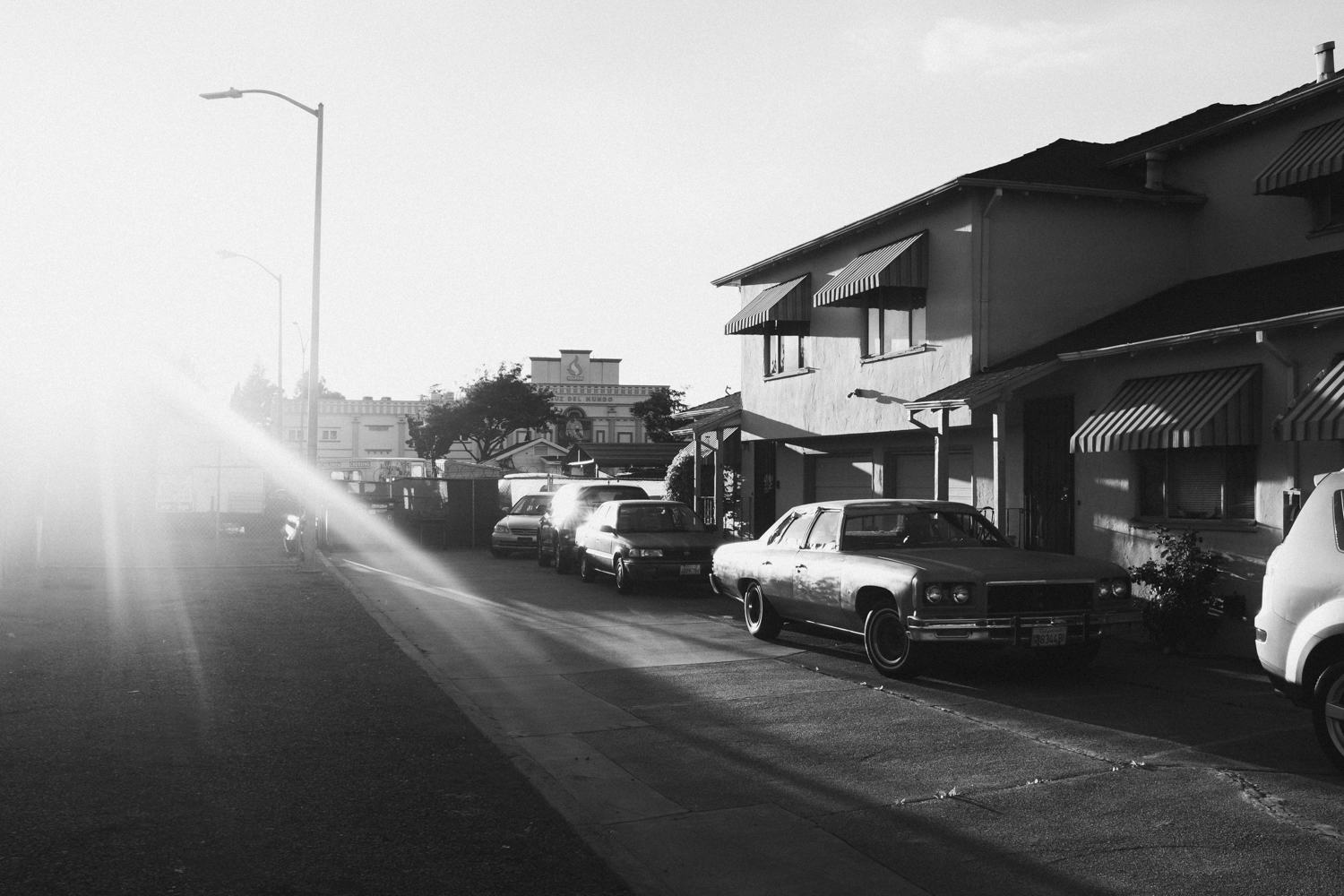
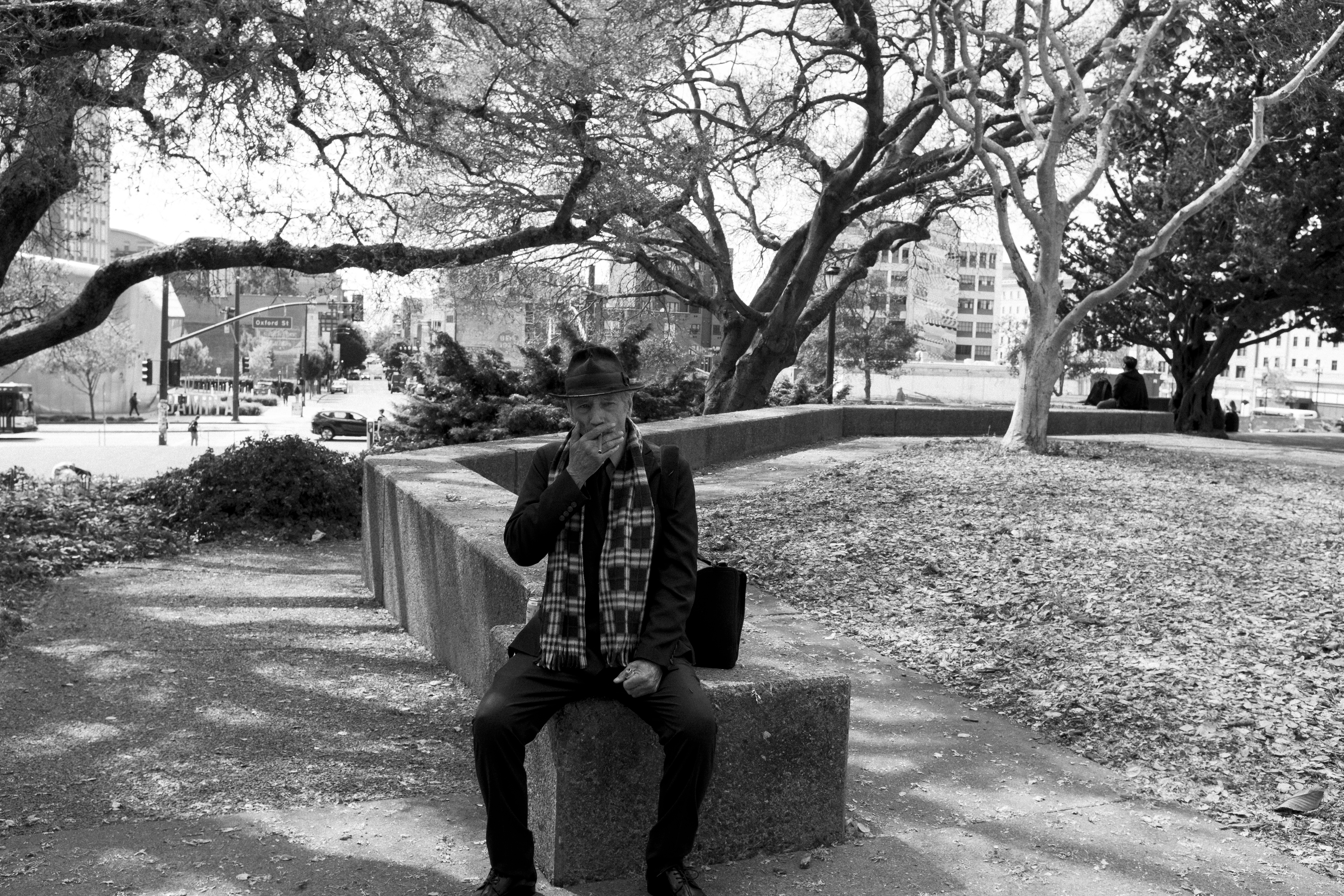
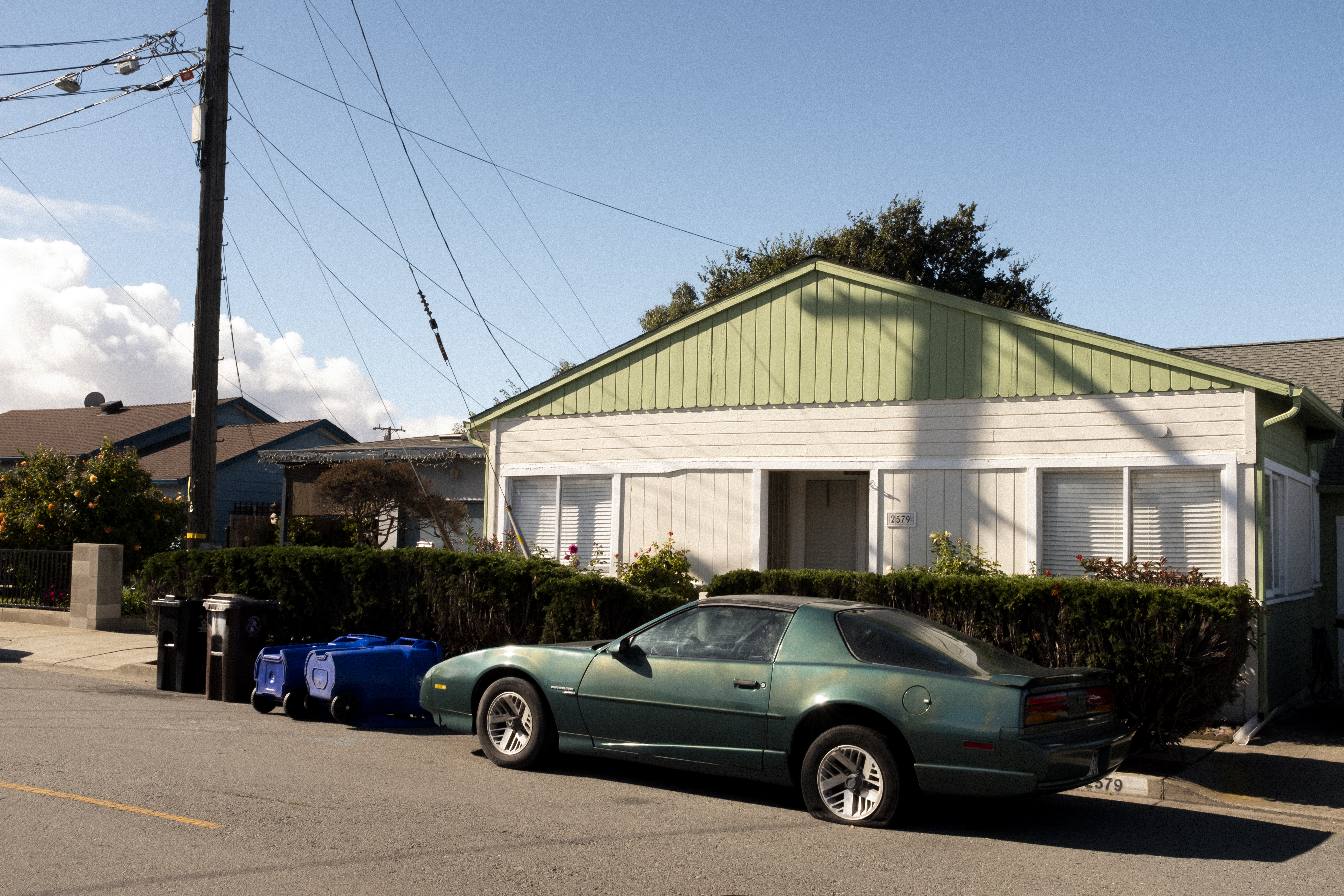
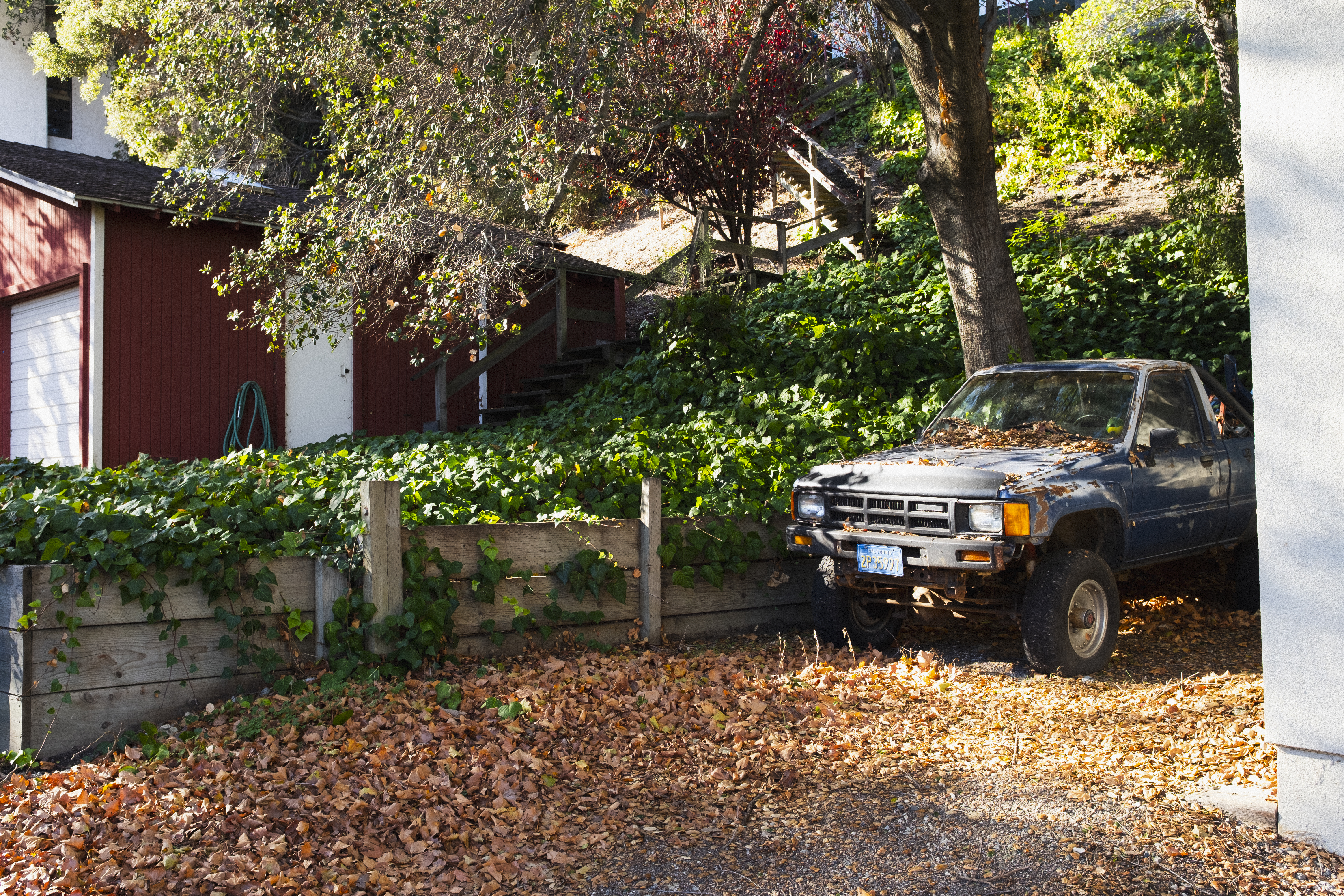
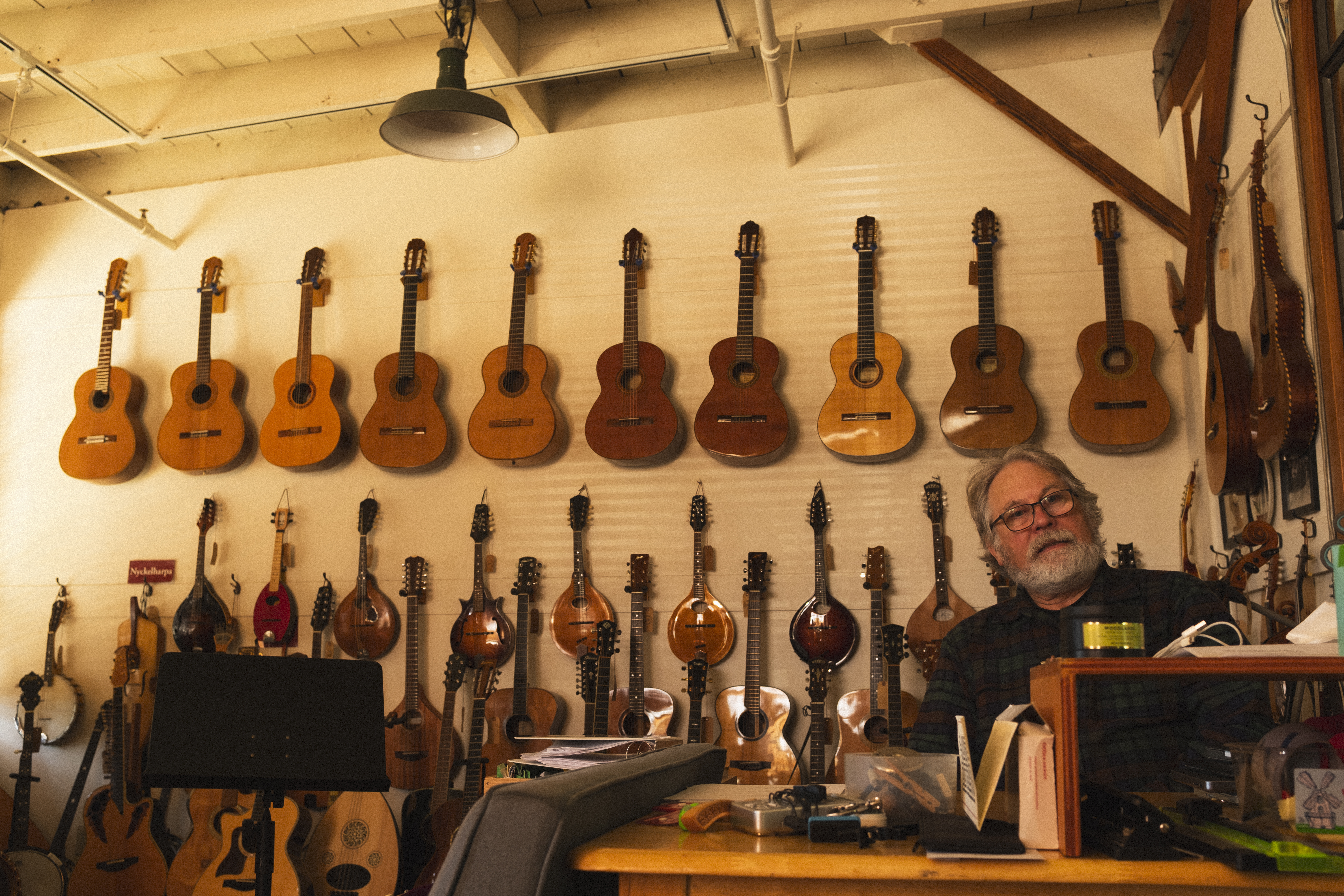
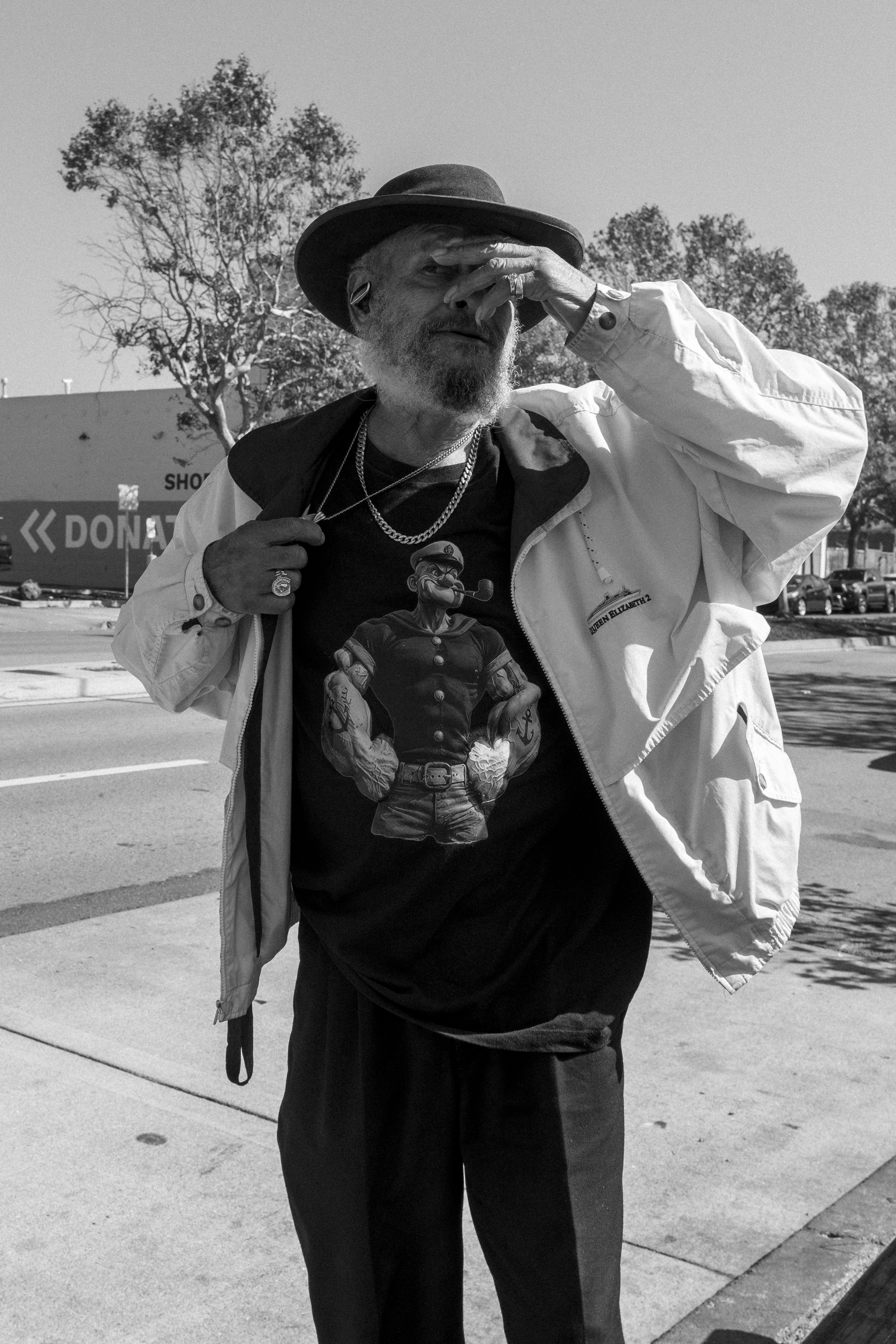
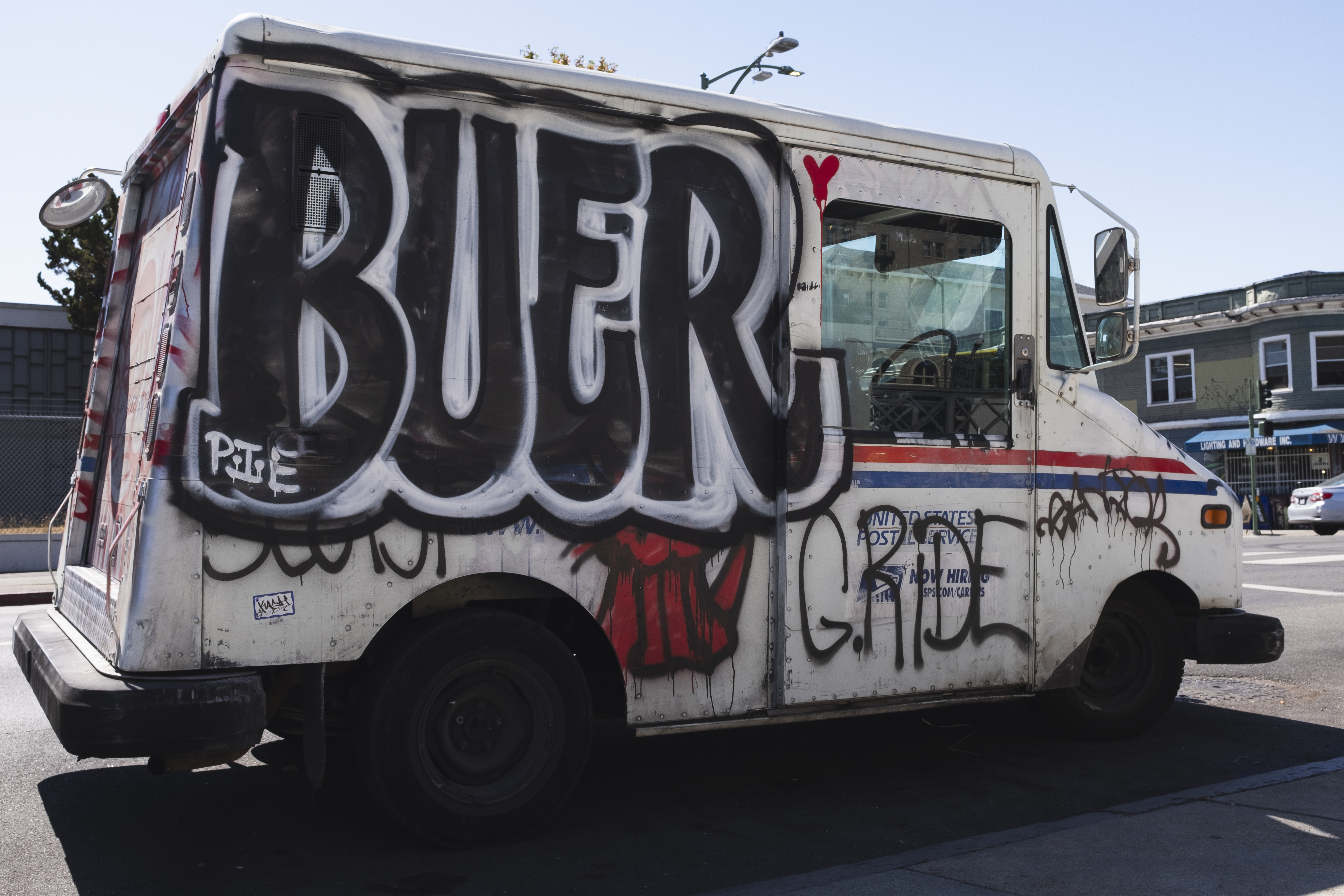
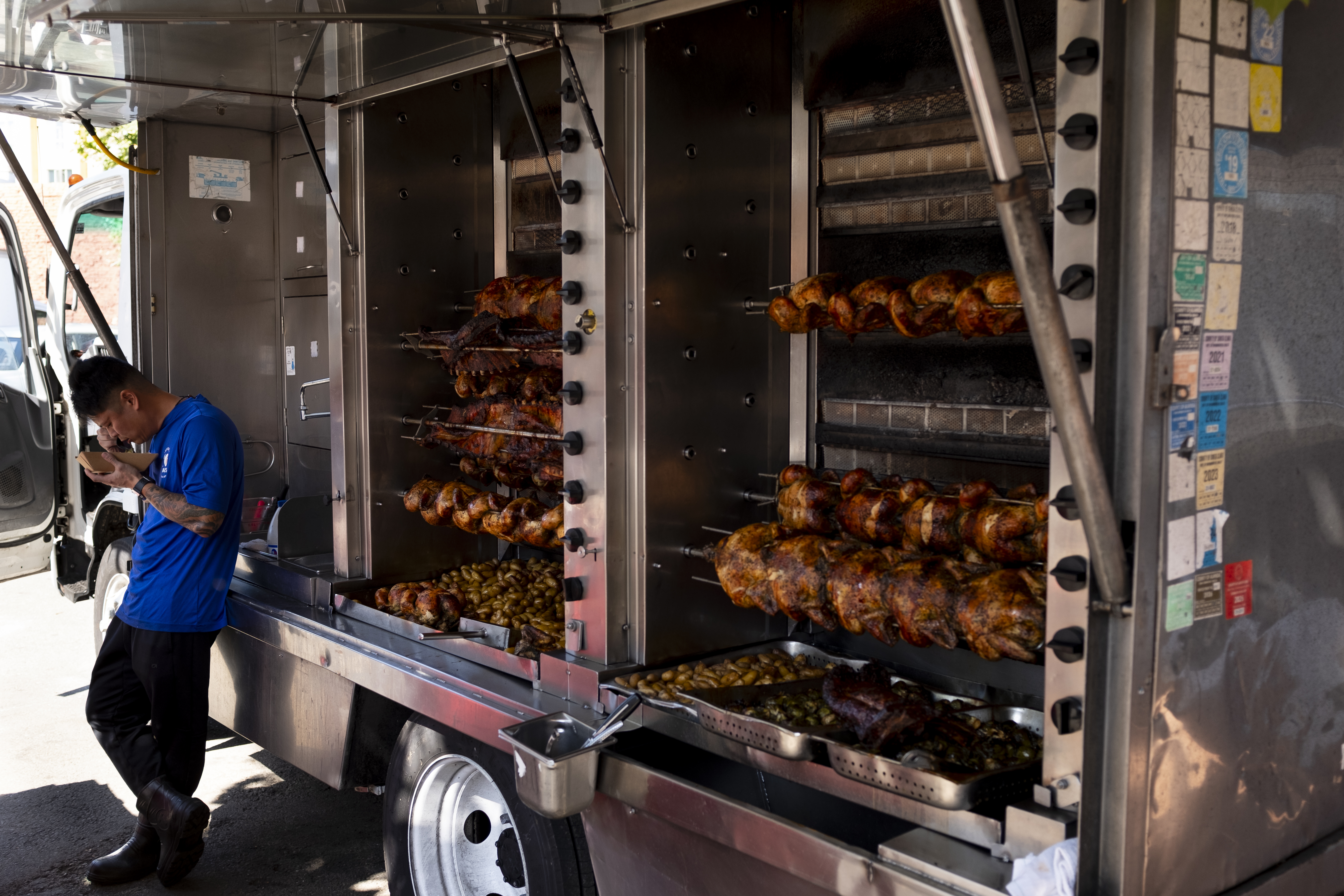
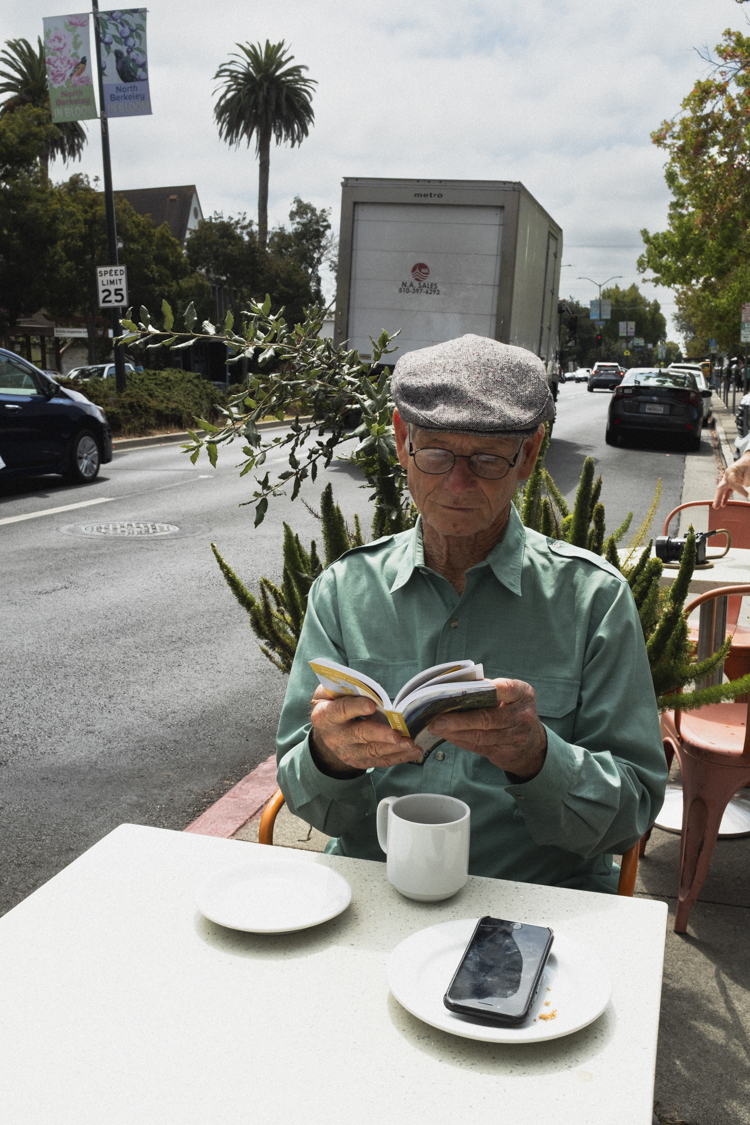
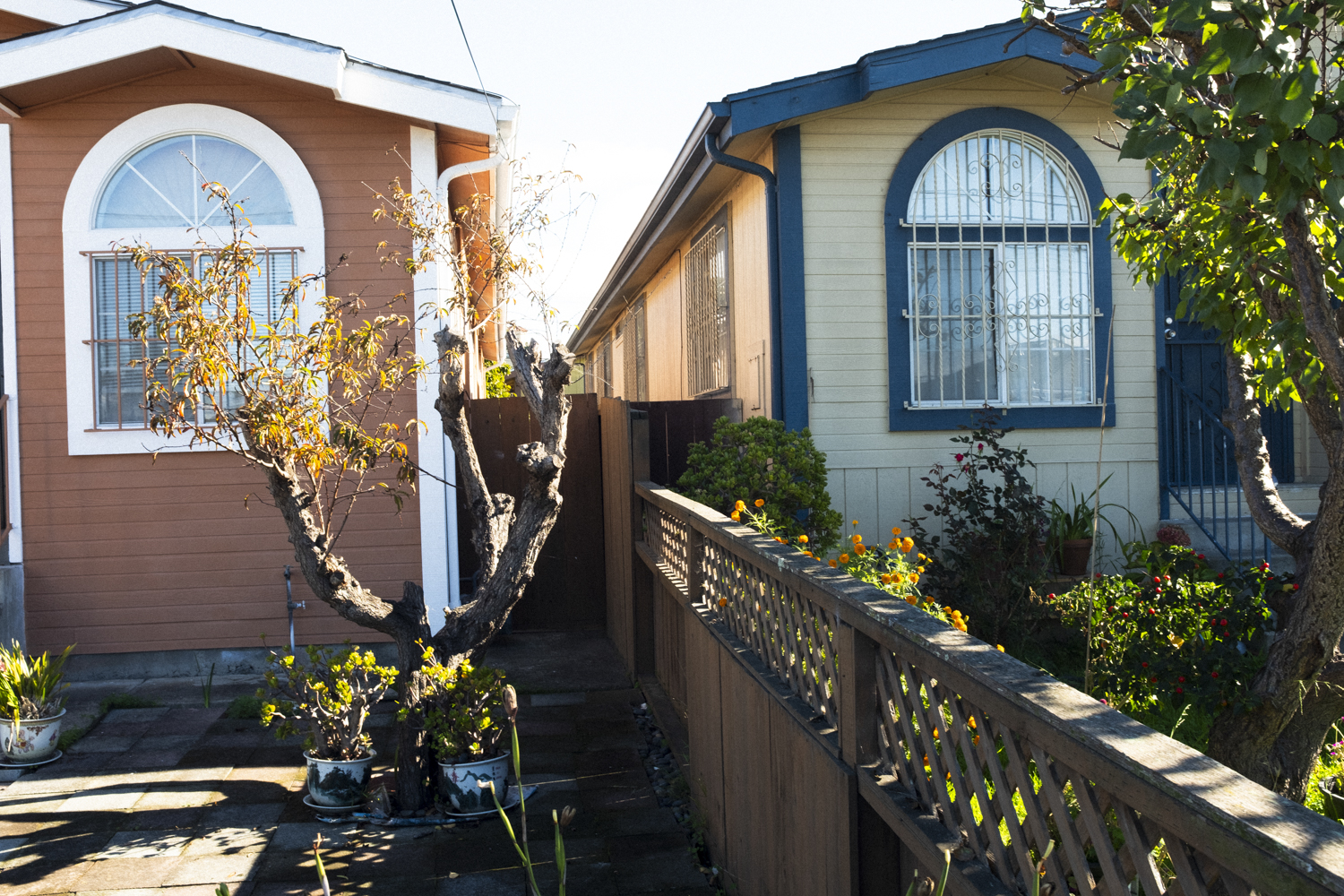
In my photos, I began to notice how decades of people who have lived, worked, migrated, and built their lives here overlap in subtle ways. Through taking photos, I met people who had moved to the Bay Area from different parts of the U.S., and those conversations reminded me how many different paths intersect along this street. Even the cars became part of that story. I did not expect to be drawn to them, but I kept noticing how much variety appeared whether it was in food, architecture style, clothing, but there was the feeling of so many different walks of life along this street. These details helped me understand the culture of San Pablo and the identities that move through it every day.
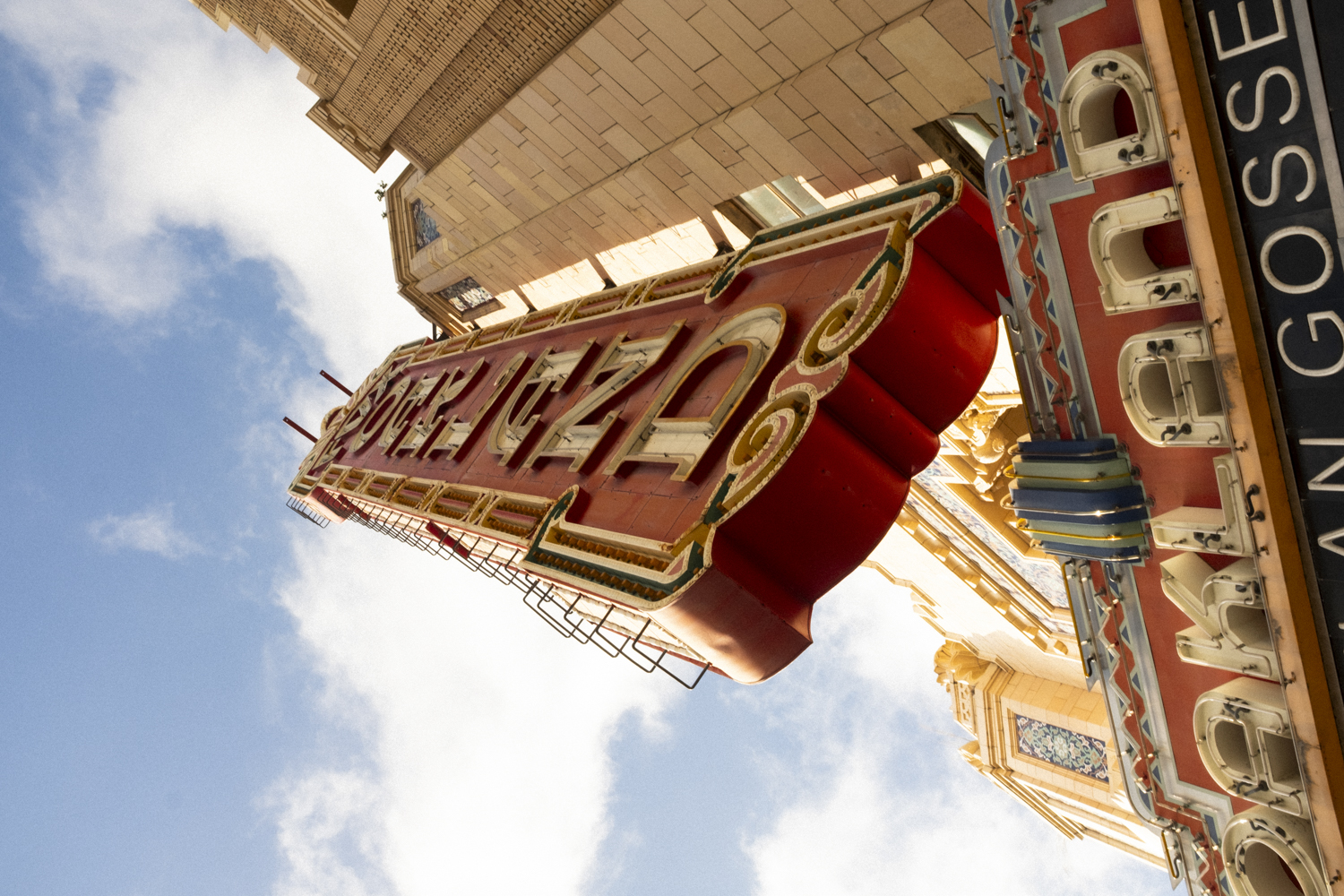
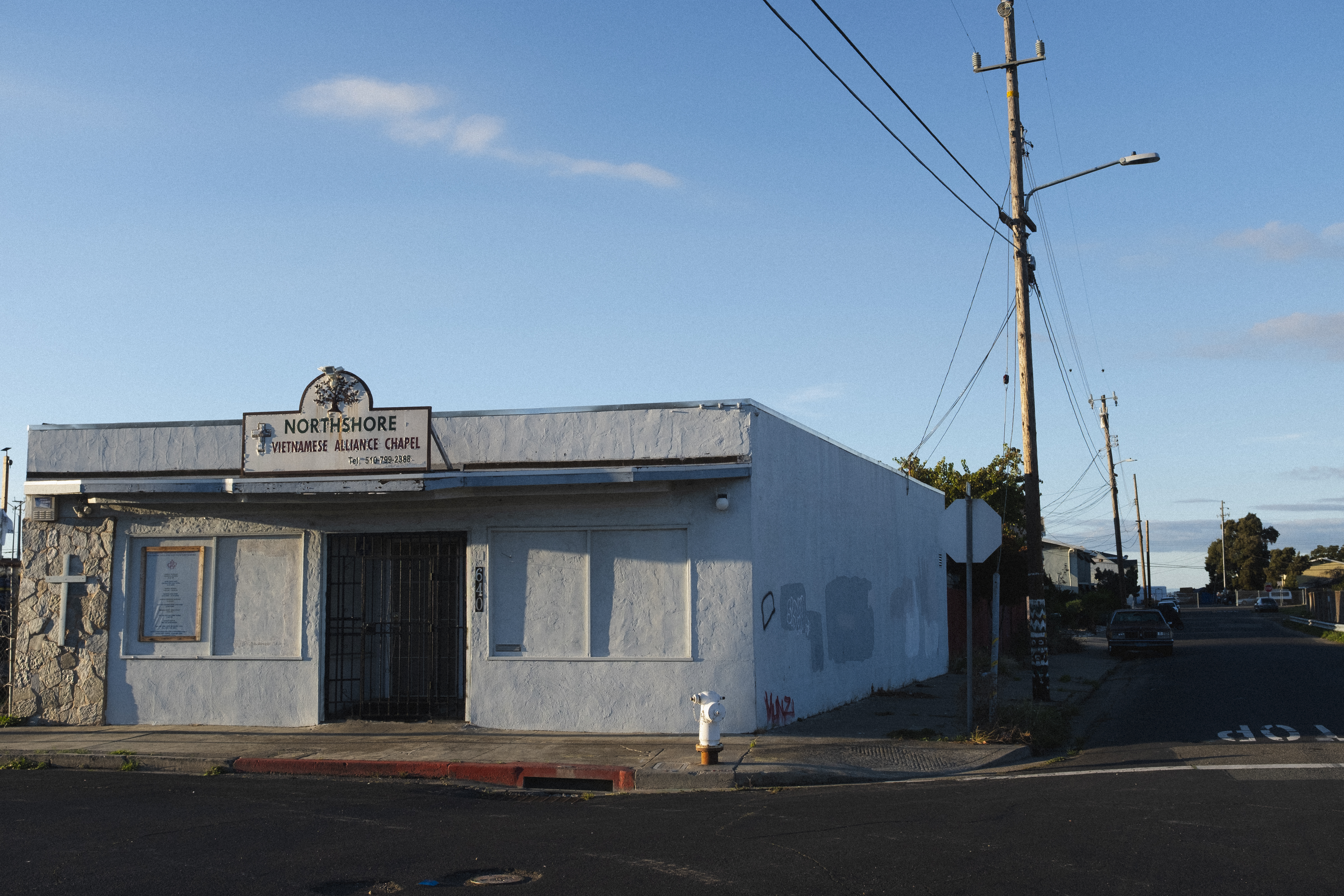
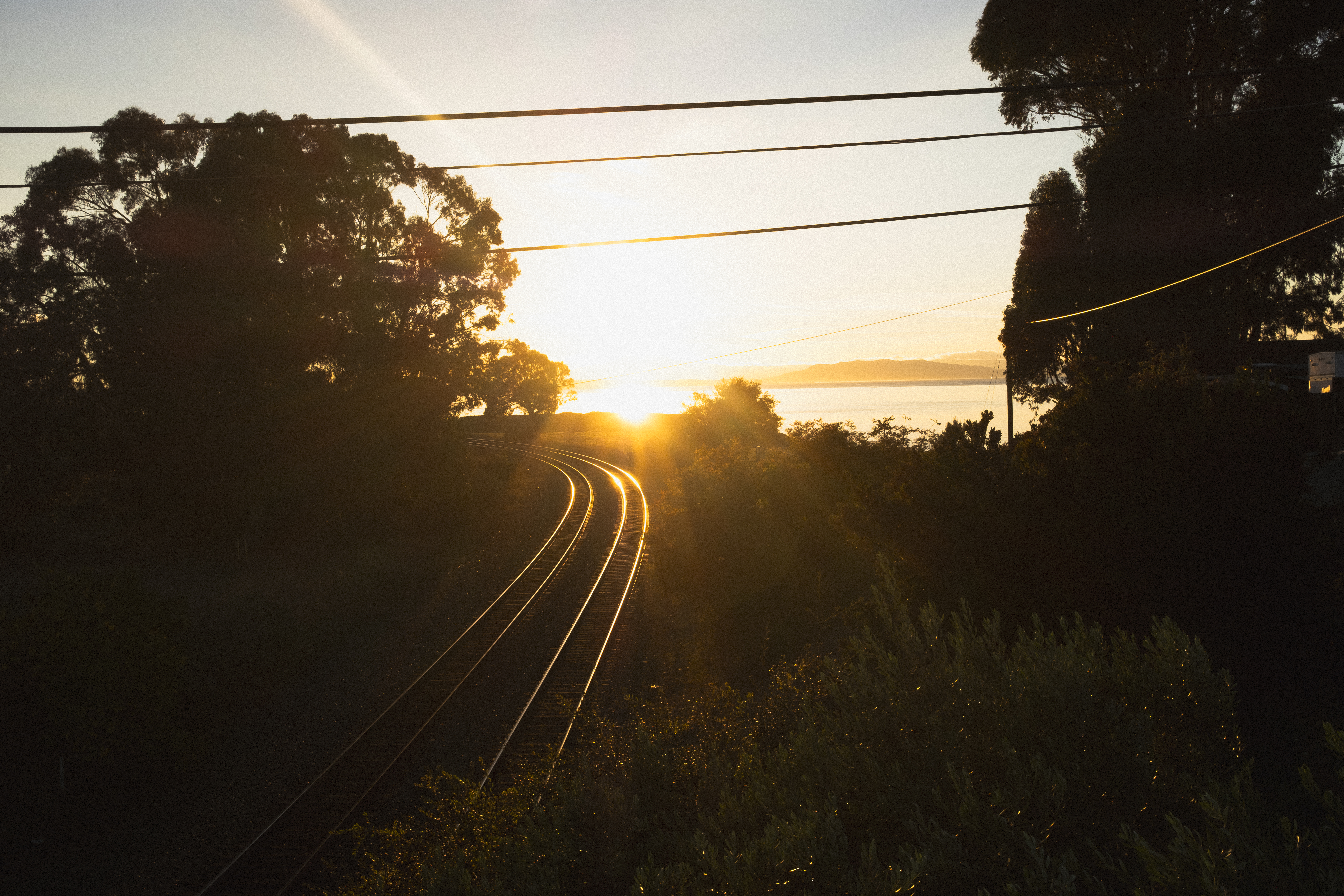
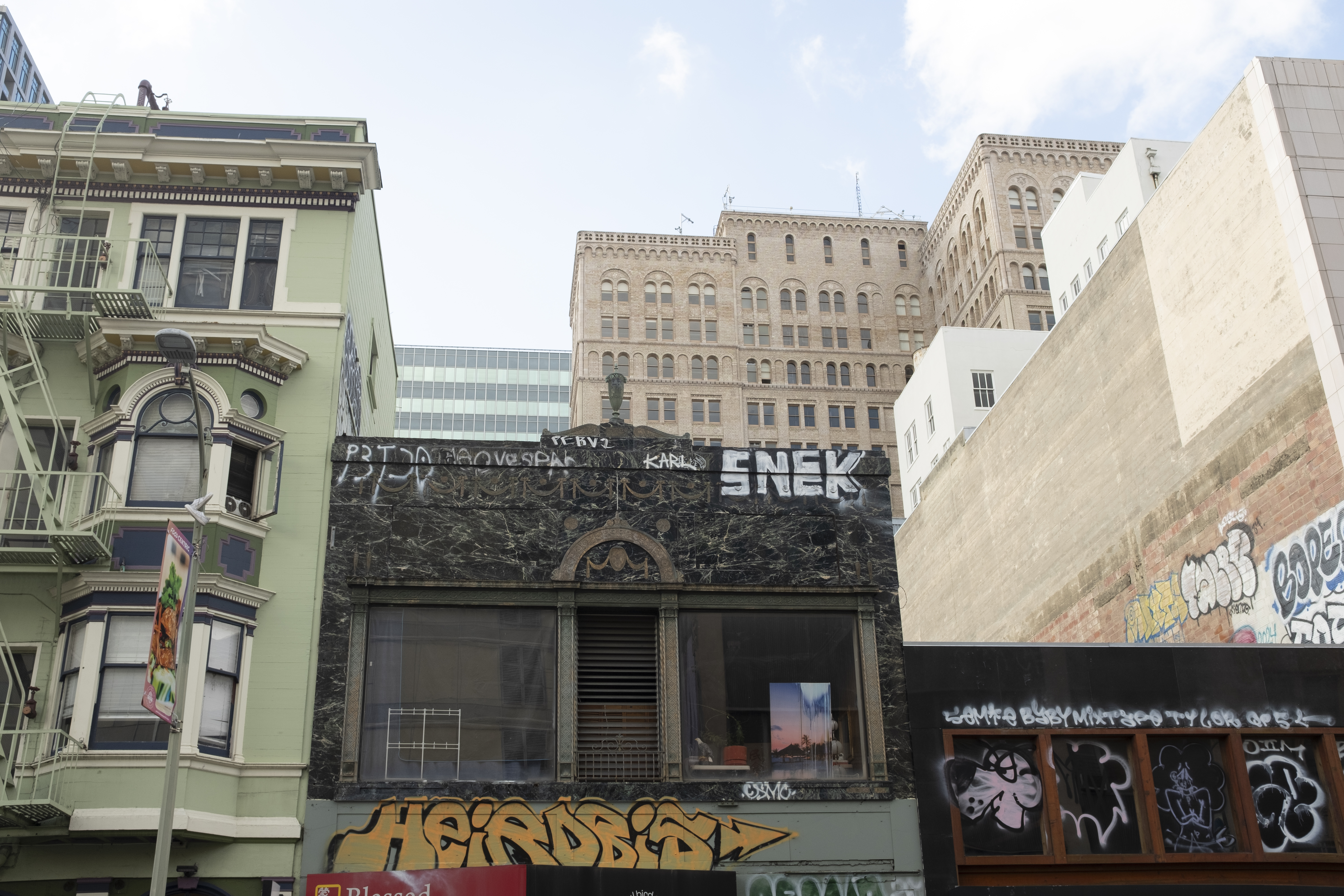
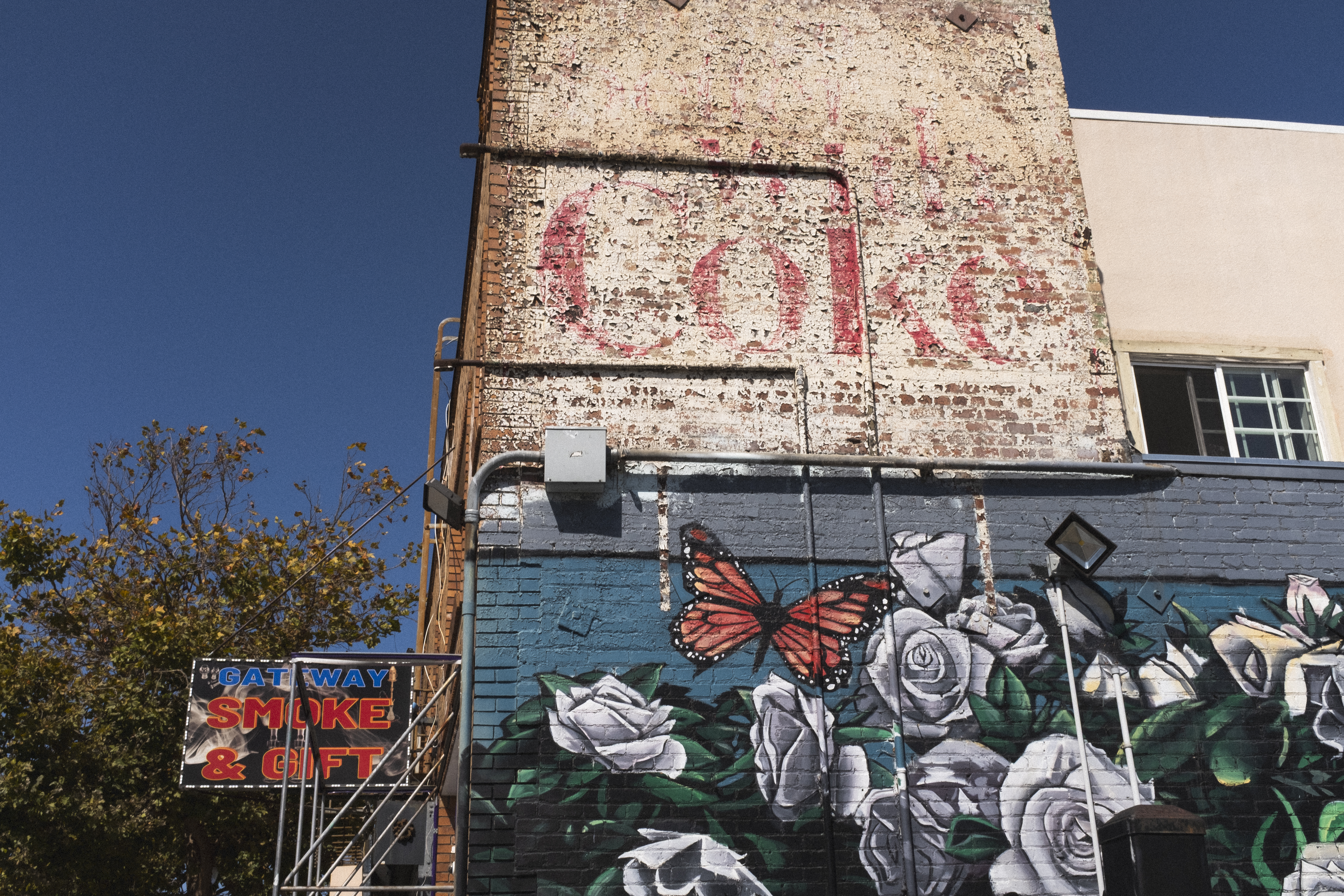
One theme that stayed with me throughout the project was how strongly the street shows the overlap of old and new. Joel introduced the idea of redevelopment early in the semester, and I carried that lens with me during our walks. I looked at places where something else used to stand, such as older hotels, industrial buildings, or former railway lines. Learning about Hercules and Pinole and their dynamite factories helped me see how much the Bay Area has changed over time, but also showing how old systems and jobs that communities relied on and were vital for work are of the same importance. That history shaped the neighborhoods, and the neighborhoods continue to shift as industries rise and disappear. There are parts of San Pablo that feel almost untouched and others that feel like they are quickly being reshaped. Photographing these contrasts helped me understand the street more clearly.
A moment that made this especially real was when our group stopped outside the California Hotel in Oakland. An older man told us what the building used to mean to the community. Hearing him speak about a past that existed before I was even born made me understand that San Pablo holds stories that stretch far beyond what any photograph can show and a history and time that also can be more imaginative than based in reality compared to today.
My personal connection to the street grew during the weeks of walking it. The clearest example of this was stepping into the Mexican supermarket. I went to school in East Los Angeles and had a similar market near my high school, so the space felt familiar as soon as I entered. These markets have a feeling of community that is different from other places. The sound of people shopping, the smell of fresh bread, and the colors of the displays reminded me of the cultural spaces I knew. What stood out most was how genuine the market felt. It was not trying to be an edited or Americanized version of anything. It felt real and rooted in culture. That familiarity helped me see San Pablo as more than businesses and buildings. It became a space where identity is lived every day and a sense of pride through communities keeps their cultural roots alive and strong.
My experience with photography during the project changed a lot. When I have photographed in the past, especially while traveling, I usually had a clear idea of what I wanted to capture before I arrived somewhere. I imagined the images, took them in a short amount of time, and moved on to editing. On San Pablo, I tried to avoid any expectations. That was more difficult than I expected because it forced me to be fully present with what was actually in front of me. I was also learning more about technical aspects of photography through this course. Learning about aperture, shutter speed, and exposure and how to utilize it to our advantage while shooting. Understanding these settings made me better technically, but it also made me realize how easy it is to miss a moment because I am adjusting the camera. The project required patience and a slower pace. I was not only practicing technique. I was learning how to pay attention.
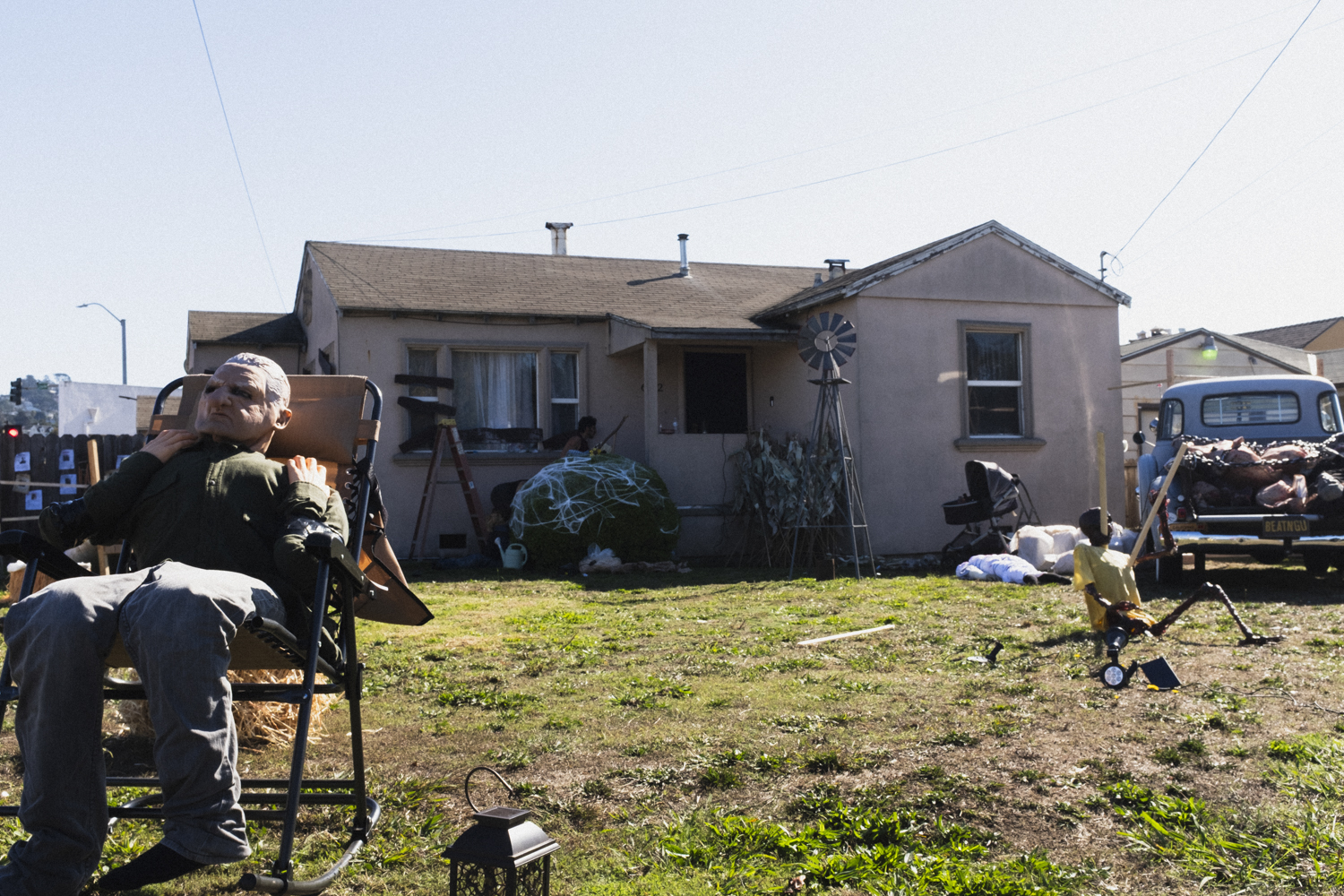
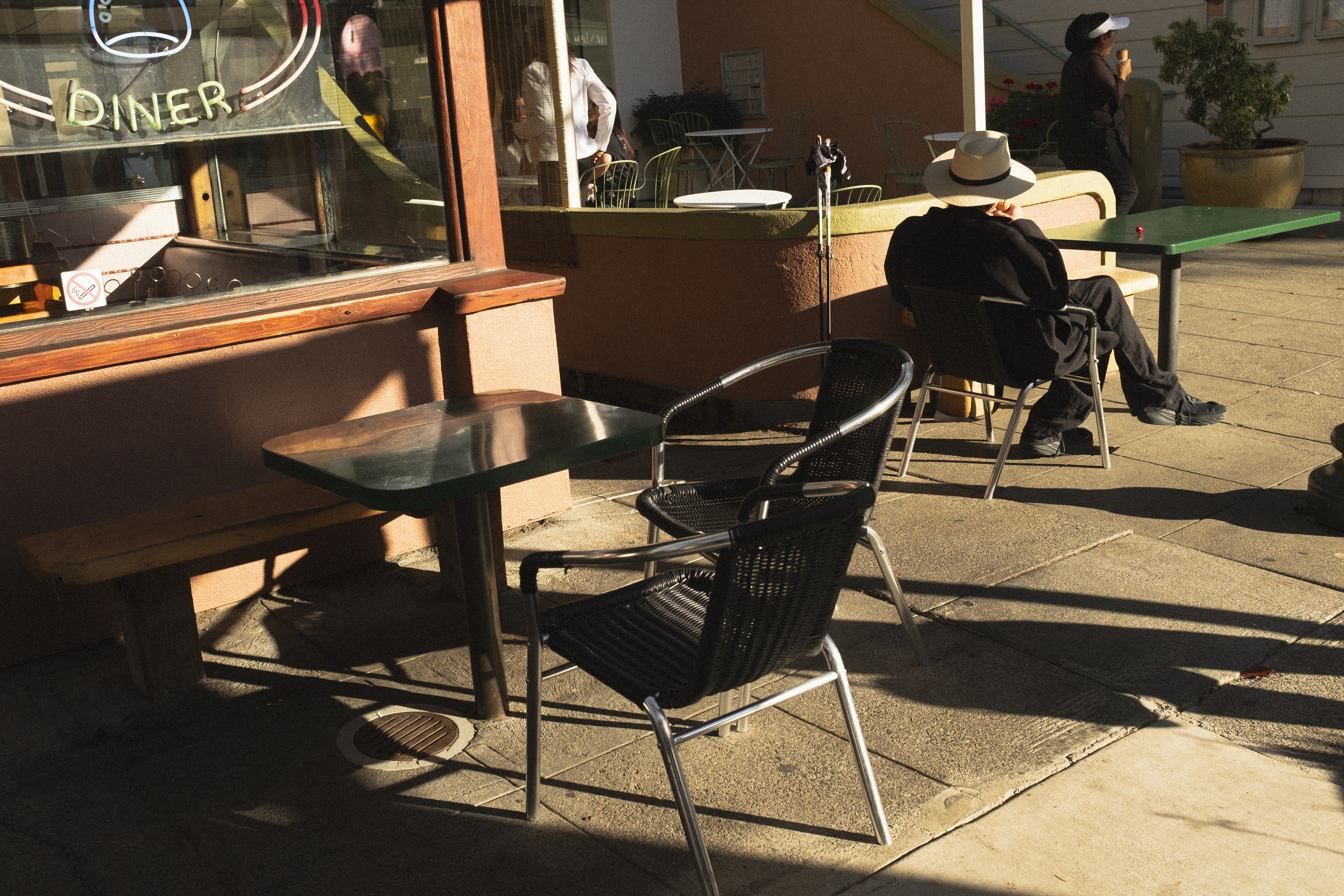
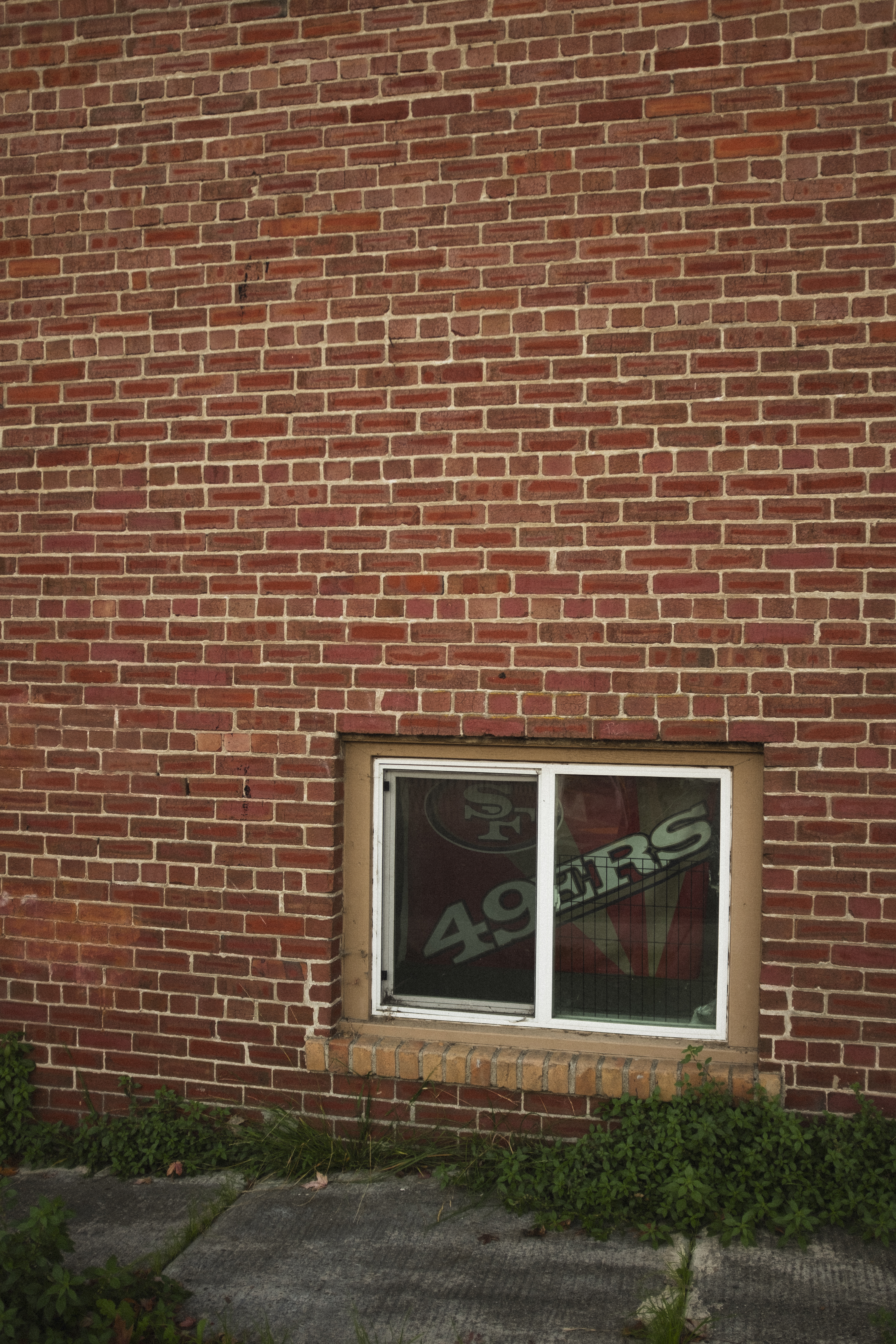
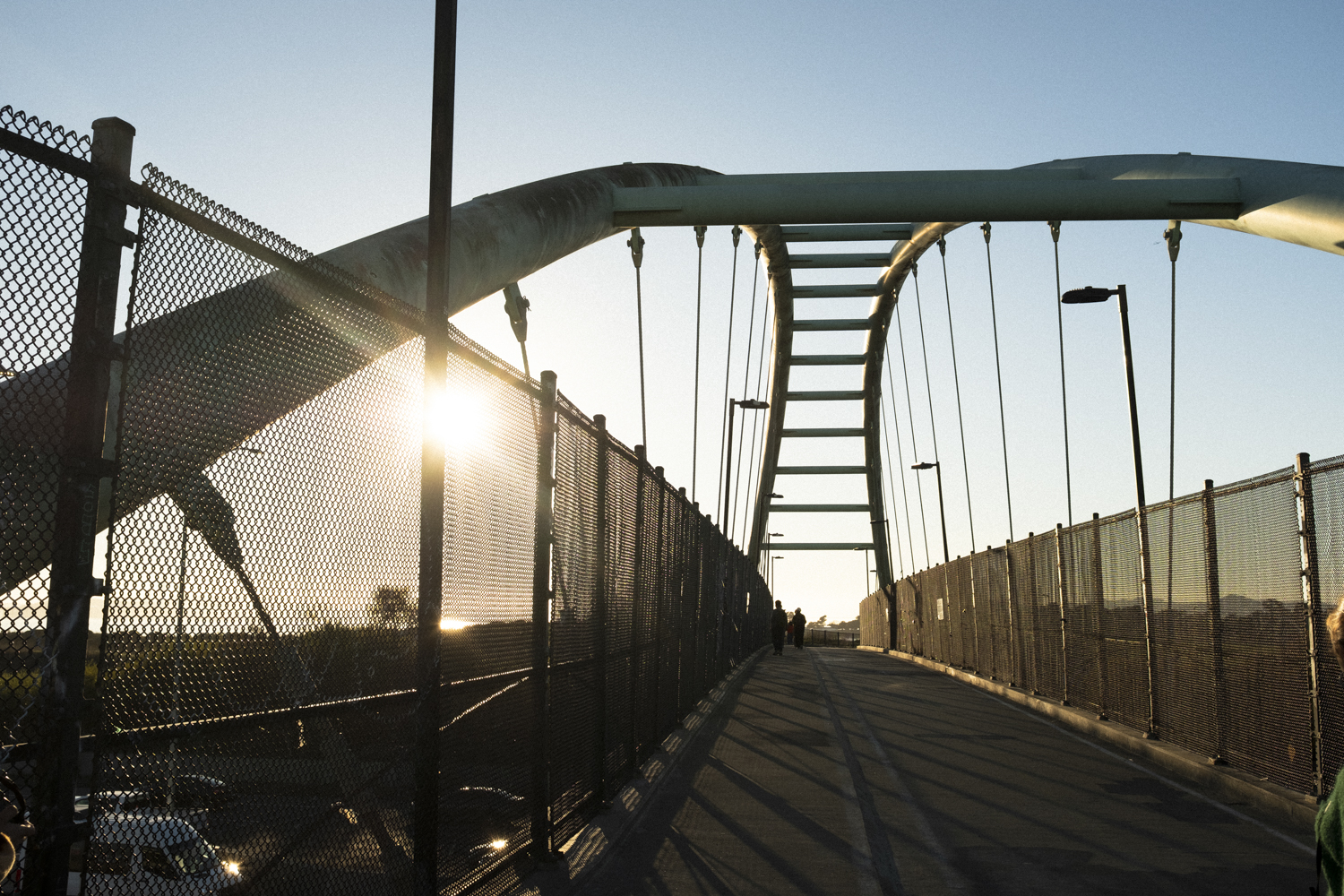
For this semester project I tried to stop whenever something felt interesting, whether it was a storefront, a color, a car, or the light hitting a wall. I tried to think more about timing and light and also if it represented how I felt passing through these streets. I did not interact with as many people as I hoped to, but when I did, I always made sure they were comfortable, and I was caught off guard by how much people embraced getting their photo taken. Another aspect that changed for my photography as the semester went on was utilizing Joel’s feedback about including more elements in a frame. I used to really focus on one main subject, and realizing I did that and trying to not do that as much really changed how I composed my shots. Instead of isolating one subject, I tried to show how different pieces of the street interact.
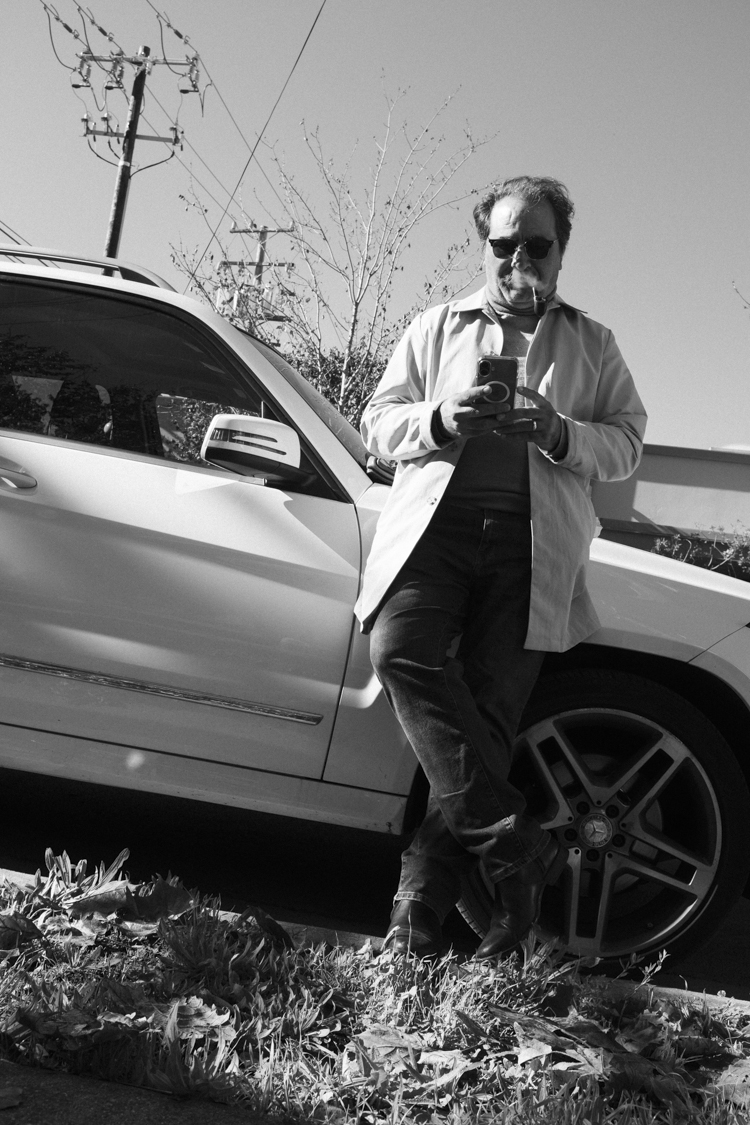
By the end of the project, I had learned much more about San Pablo, about the Bay Area, and about my own process as a photographer. What I like also gets me excited. Walking the street made me see how history, migration, business, and culture all shape a neighborhood. These layers are visible if you slow down enough to notice them. I saw how communities hold on to their identities even as new developments appear around them. As a photographer, I learned that I enjoy creating sequences of images that form a story instead of relying on a single perfect picture. Walking alone helped me notice more, but the group moments made certain interactions more natural, especially when photographing people. I also learned that hesitation is part of photographing public space. Sometimes I saw someone with a unique presence, but taking the photo felt intrusive. This taught me that photography requires a balance of instinct and respect while also trying to keep it as realistic as possible.
Overall, this project taught me to pay closer attention to the environment around me. It helped me understand the Bay Area beyond the parts of Berkeley I was used to. It pushed me to observe more intentionally and to think about how space, history, and community connect. It also helped me understand the kind of photographer I want to become. Photography is a way for me to learn about a place, but it is also a way to learn about myself. In many ways, this project also changed how I move through any city space. I notice details differently now, whether it is the way light falls on a building or how people interact with the spaces around them. San Pablo taught me that every street holds more stories than what appears at first glance and that understanding a place requires time, patience, and openness. It made me realize that photography is not only about capturing what is visible. It is also about building a relationship with the environment and allowing it to shape the way I see. This project will stay with me because it showed me that even familiar places can become meaningful when you take the time to look closely. It made me want to continue exploring the world with a camera, not to chase perfect images, but to understand the textures, histories, and communities that make each place unique. I also think this experience will influence how I approach future creative projects. Instead of rushing to capture something quickly, I want to give myself the time to learn from a place and let it reveal itself slowly. That mindset feels more honest and more connected to why I enjoy photography in the first place. San Pablo reminded me that the best images often come from patience and curiosity rather than planning. Moving forward, I hope to carry that approach with me, both in my work and in the way I pay attention to the world around me.