‘Shovel Ready Land’
How do we value urban space in the era of gentrification and redevelopment?
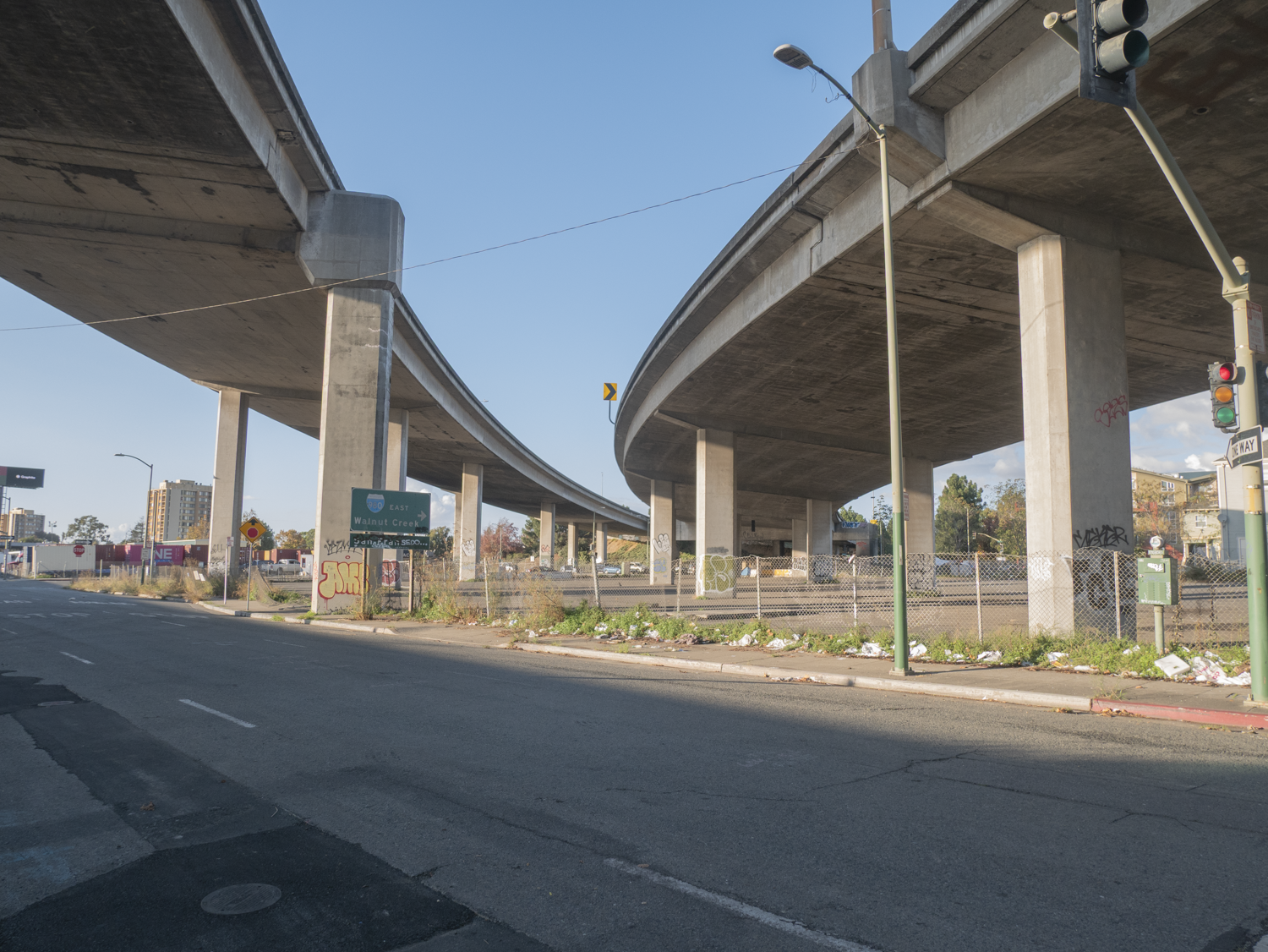
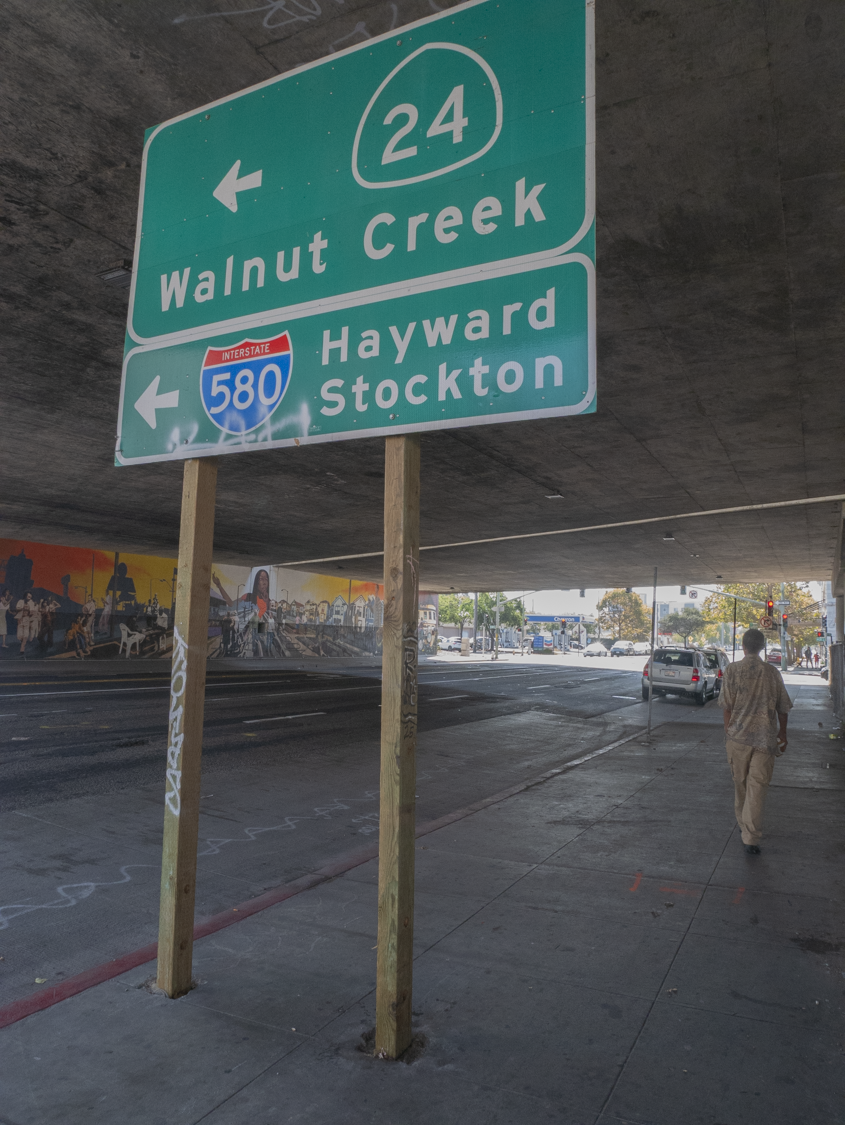
Walking along San Pablo felt like living life at a different pace. At a moment in my life that has been so go-go-go, putting on the camera and moving block-by-block around the Bay forced me to be present. At times this act of slowing down felt at odds with the landscape. San Pablo is a state highway, built to be a liminal corridor for people driving up and down the East Bay. While some stretches of San Pablo (University Ave in Berkeley, Solano Ave in Albany, McBride Ave in Richmond) have a lived-in energy as people walk between work, shops, and restaurants, other sections (all of Emeryville, most of El Cerrito into Richmond) feel like they stretch on forever at a scale too large to be comfortable to a person traveling on foot. While these sparse sections could be exhausting to walk along, it felt especially important to find and highlight the small details that you would miss driving by in a car.
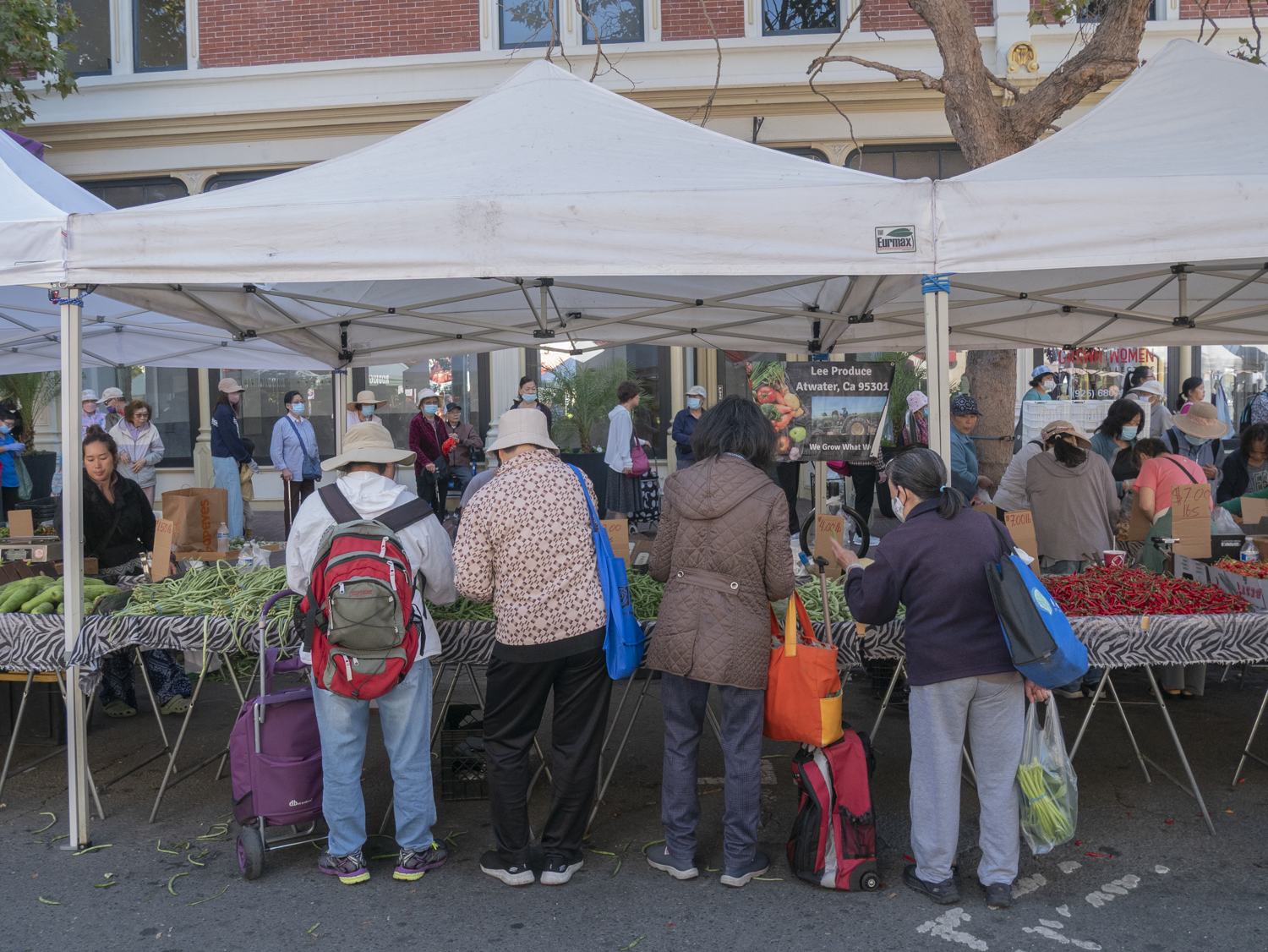
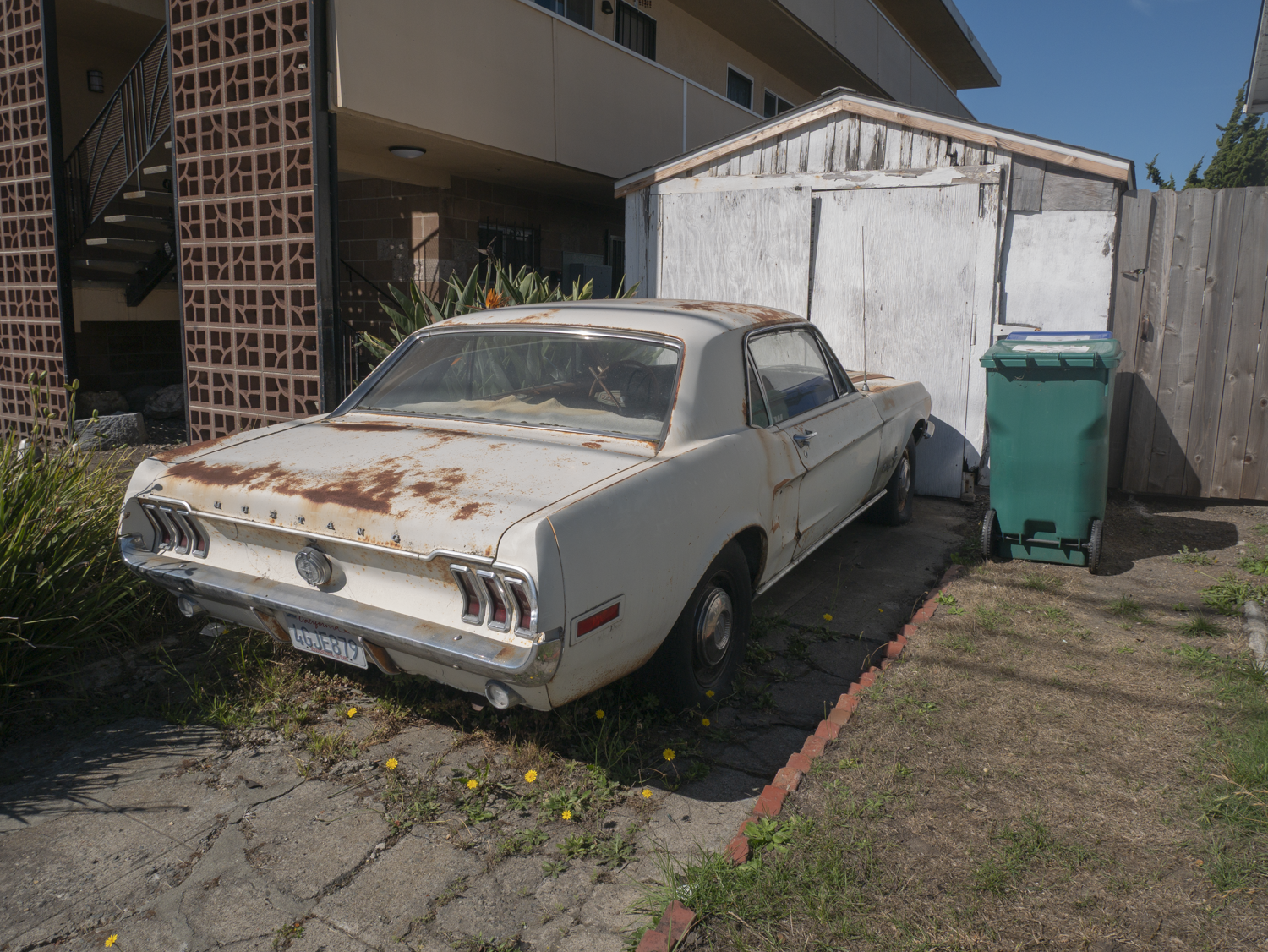
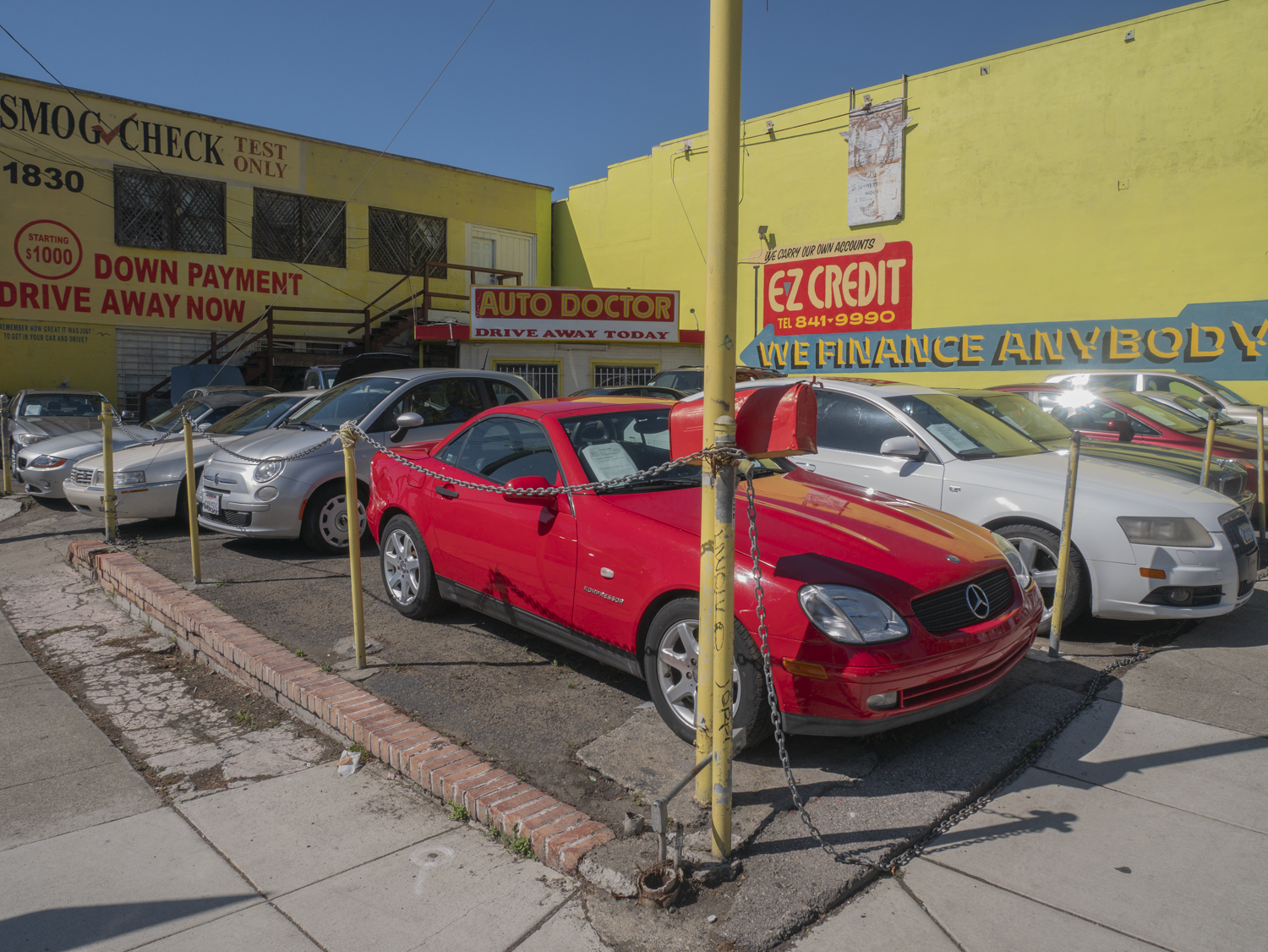
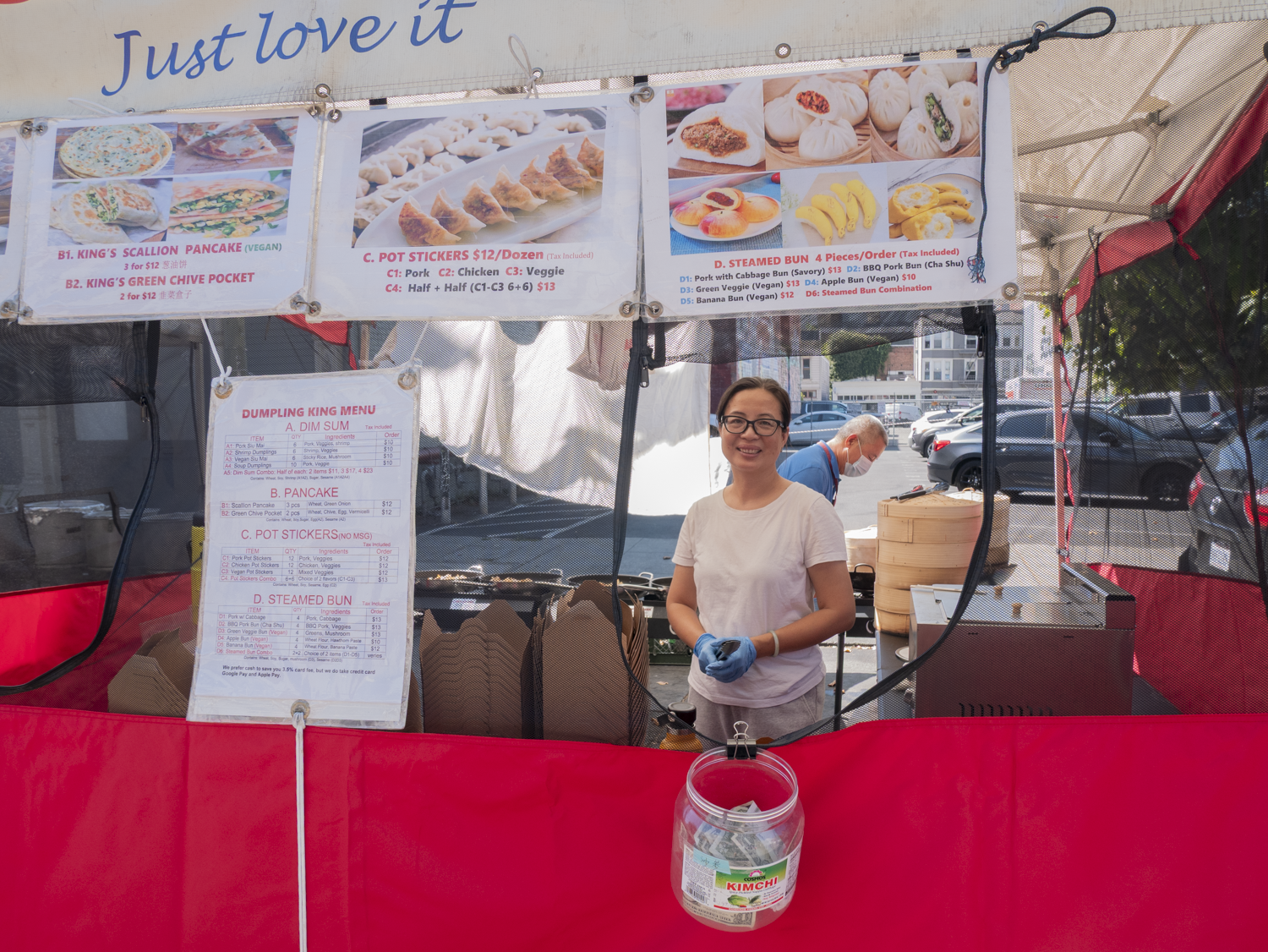
Moving through the world actively searching for beauty and stories gave me a deeper appreciation for the built environment around me. I would notice how an old car beautifully complemented in shape and shade to the buildings around it and could also see the car as a nod to the importance of San Pablo’s automotive industry. I could take a picture of a farmer’s market stand to capture the vibrant red color of the banner and to show the contagious joy of the woman selling the food. I had little experience with photography before this class and was struck by how effective photography is as a medium for memorializing visceral and complex relationships in an intuitive way.
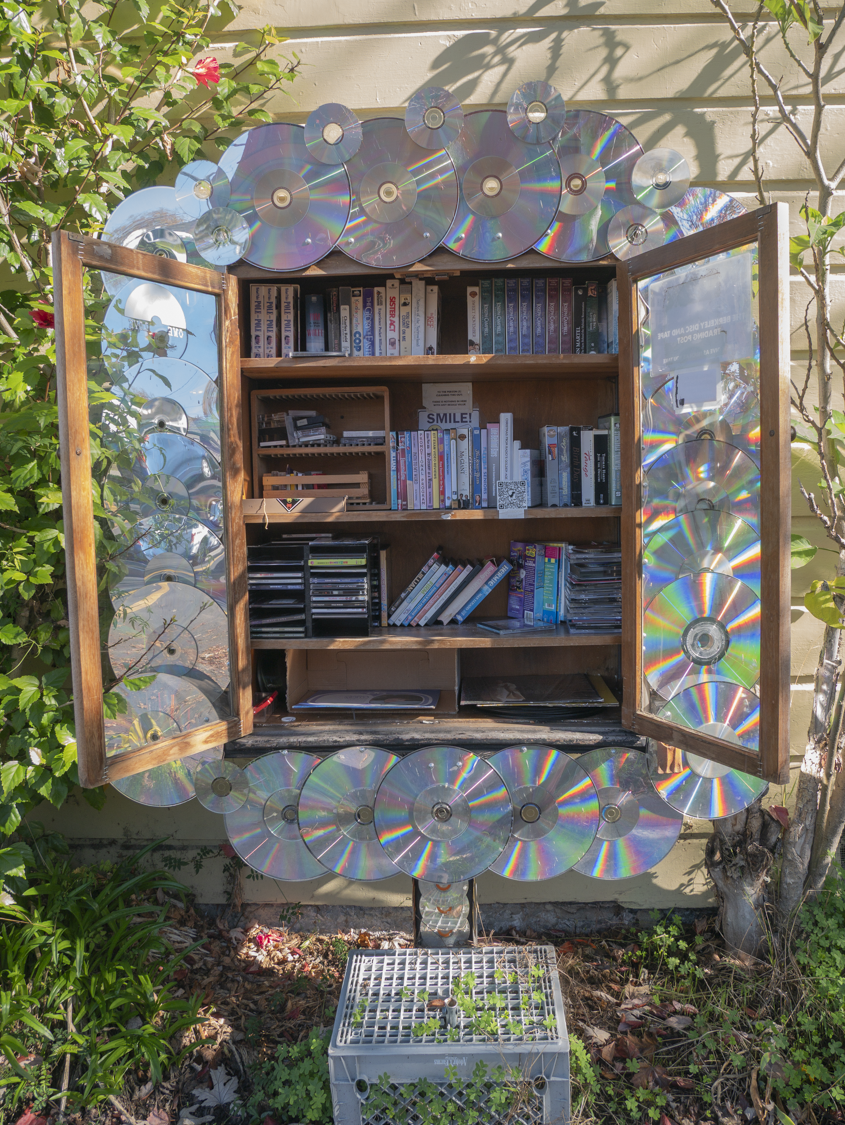
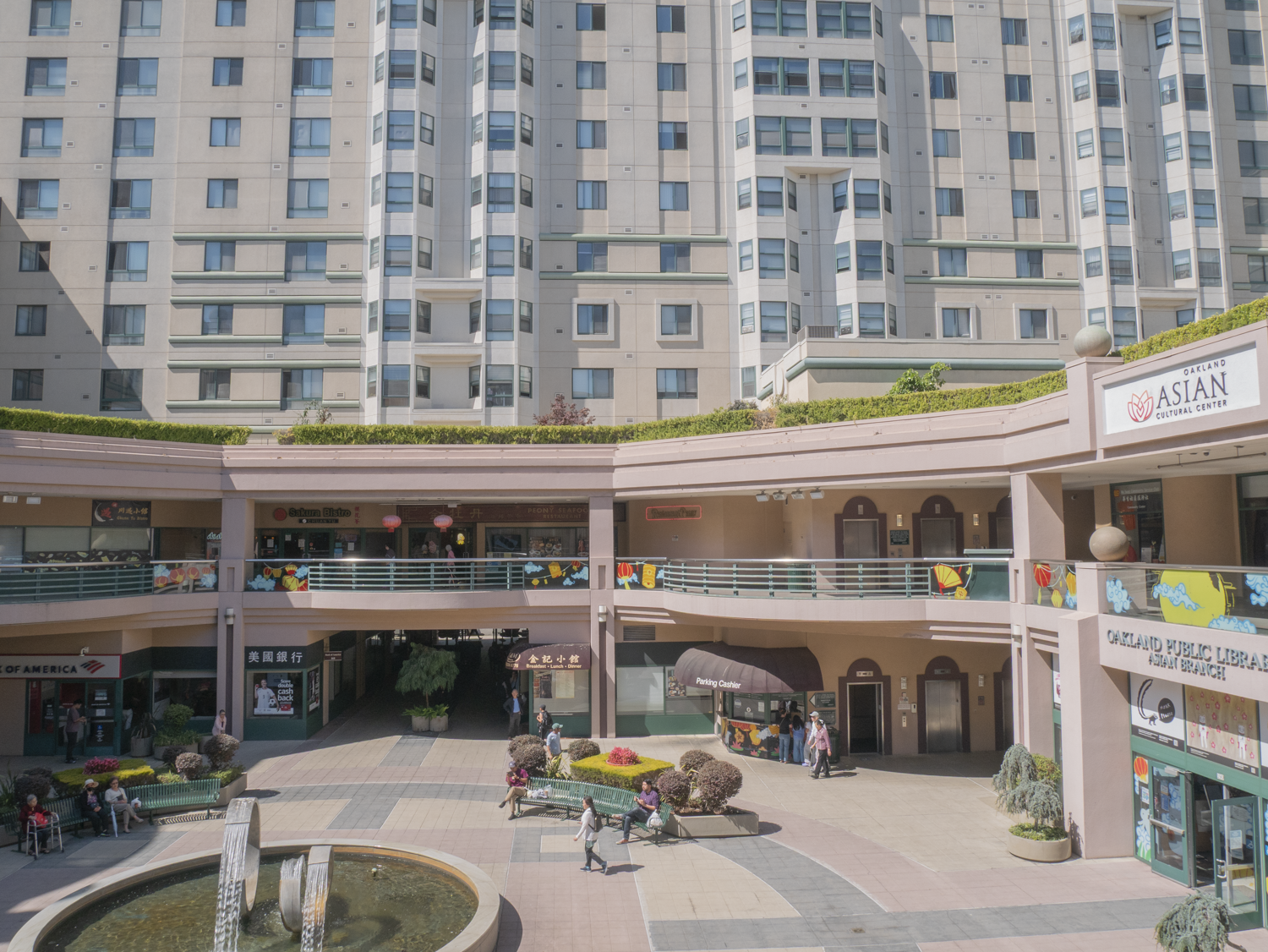
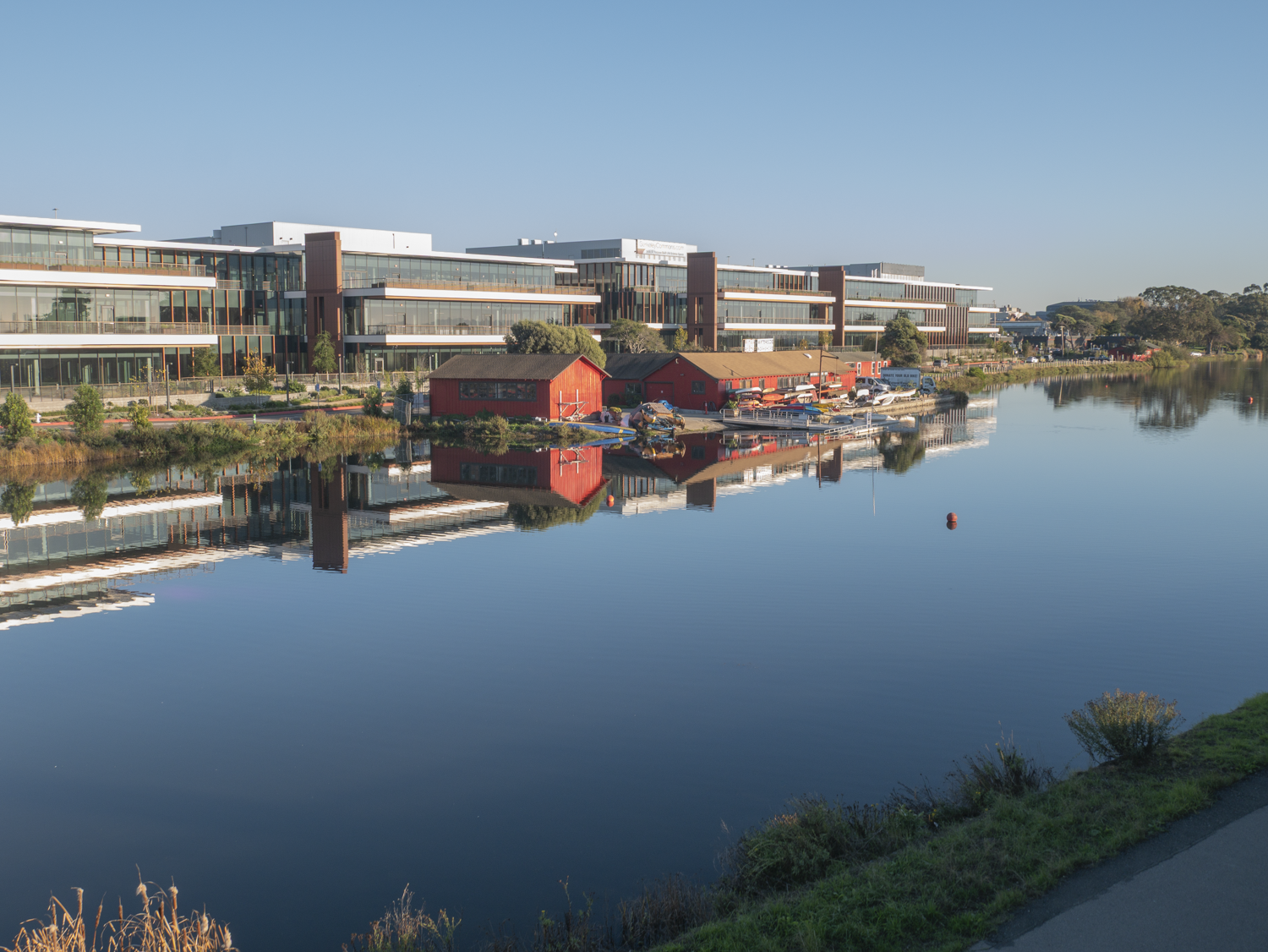
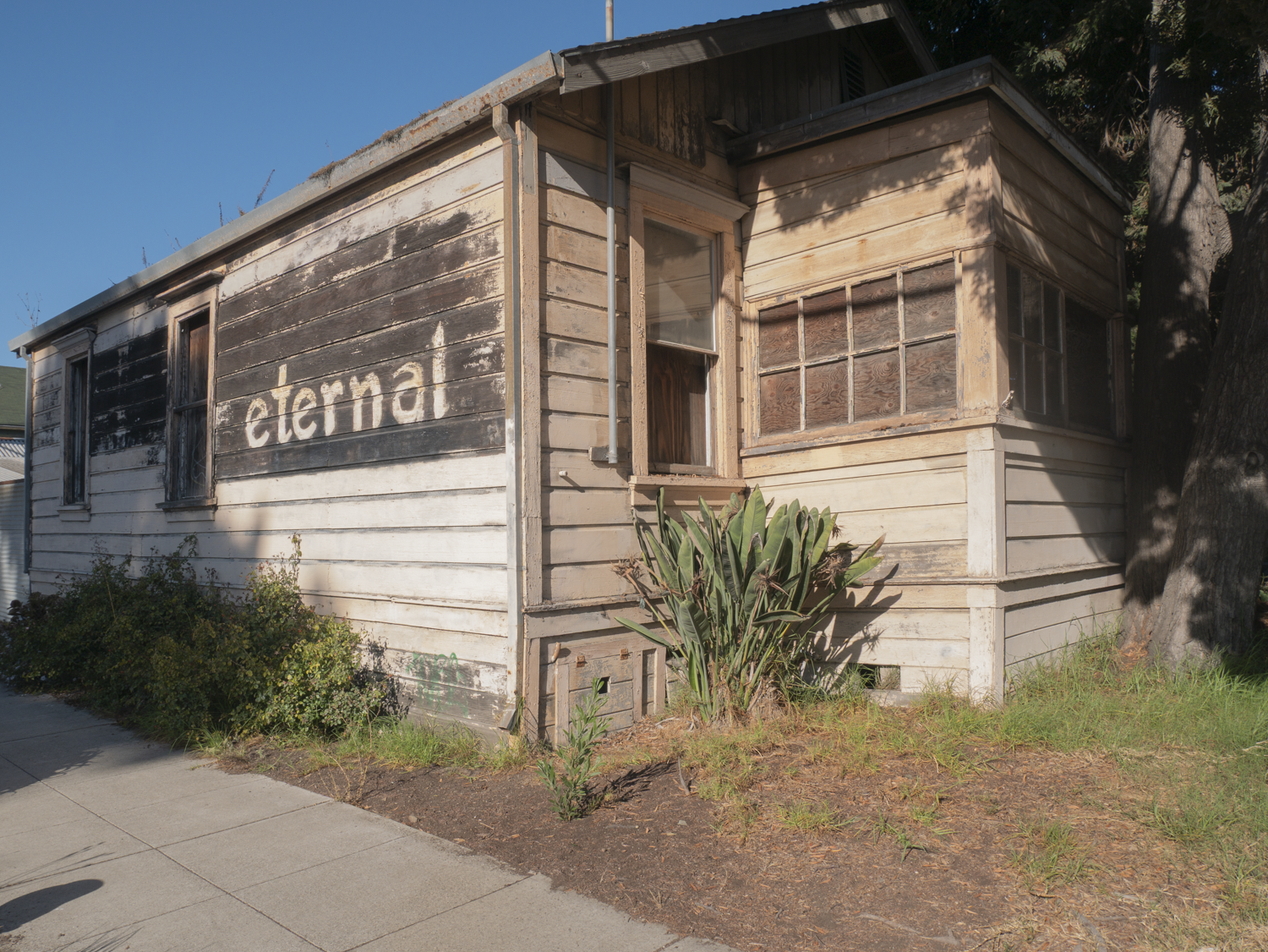
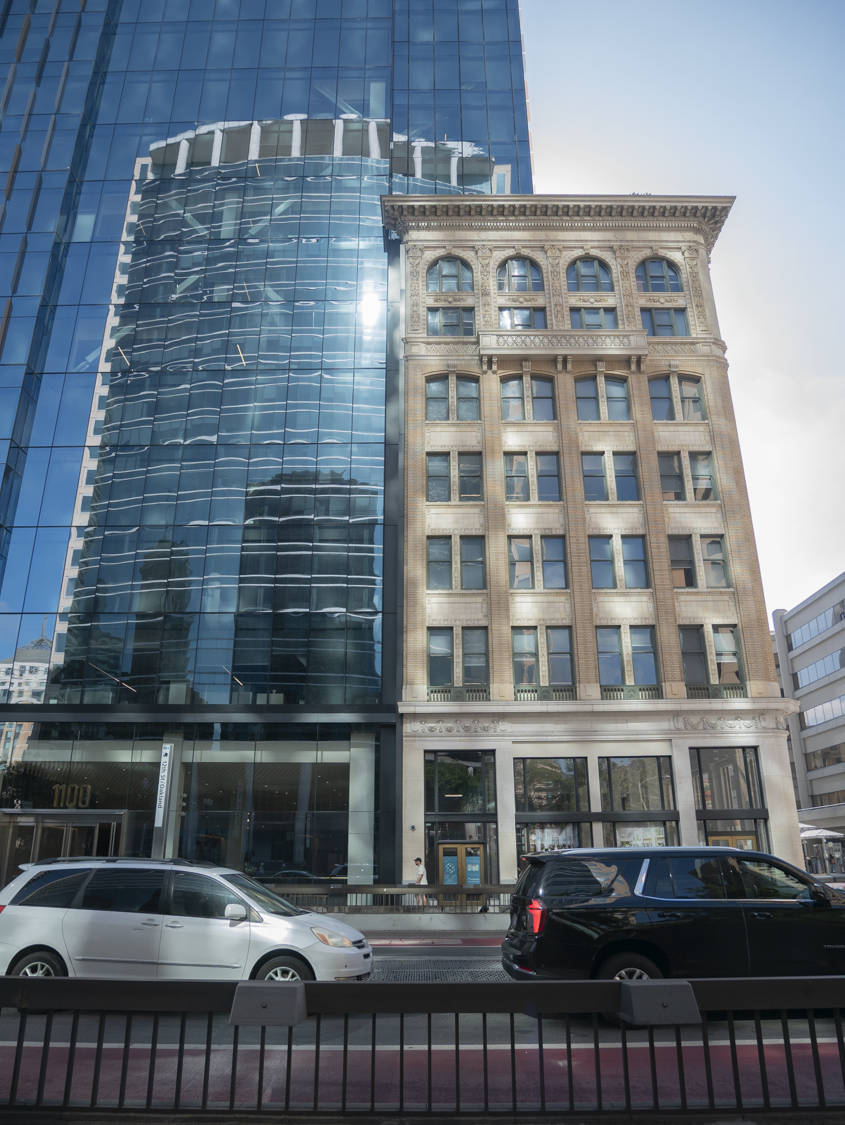
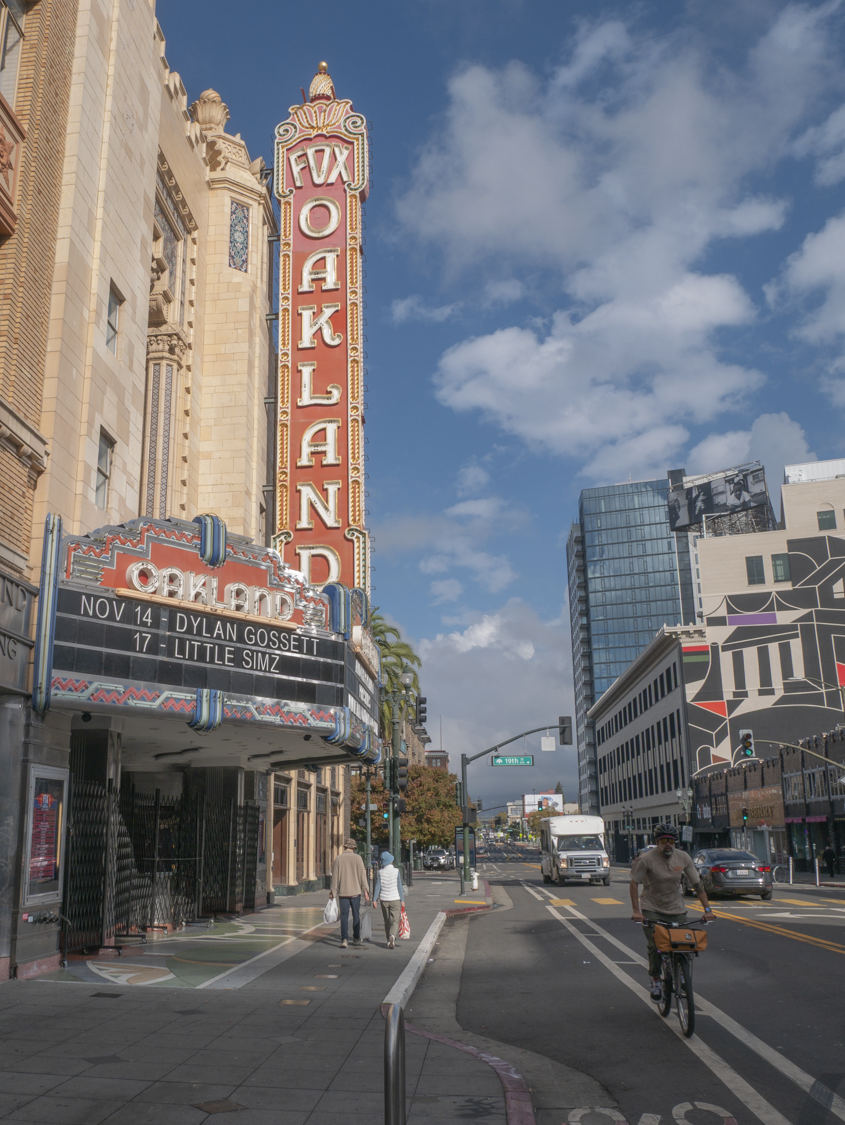
In my final work, I wanted to highlight how color and contrast interplay to be both visually appealing and to tell stories about development and belonging. On San Pablo you see remnants of deep Bay Area history side-by-side with brand new construction. Much of the stretch of San Pablo is actively gentrifying, but the differential speed of development creates a space that holds many time periods at once. There is a sense of spatial-temportal interconnectedness that Doreen Massey discusses in her paper Traveling Thoughts. My series attempts to take the viewer through a journey across space and time, moving between historic San Pablo and the recent additions to show both the jarring impact of redevelopment and how sometimes the ‘new’ and ‘old’ seem to blend together.
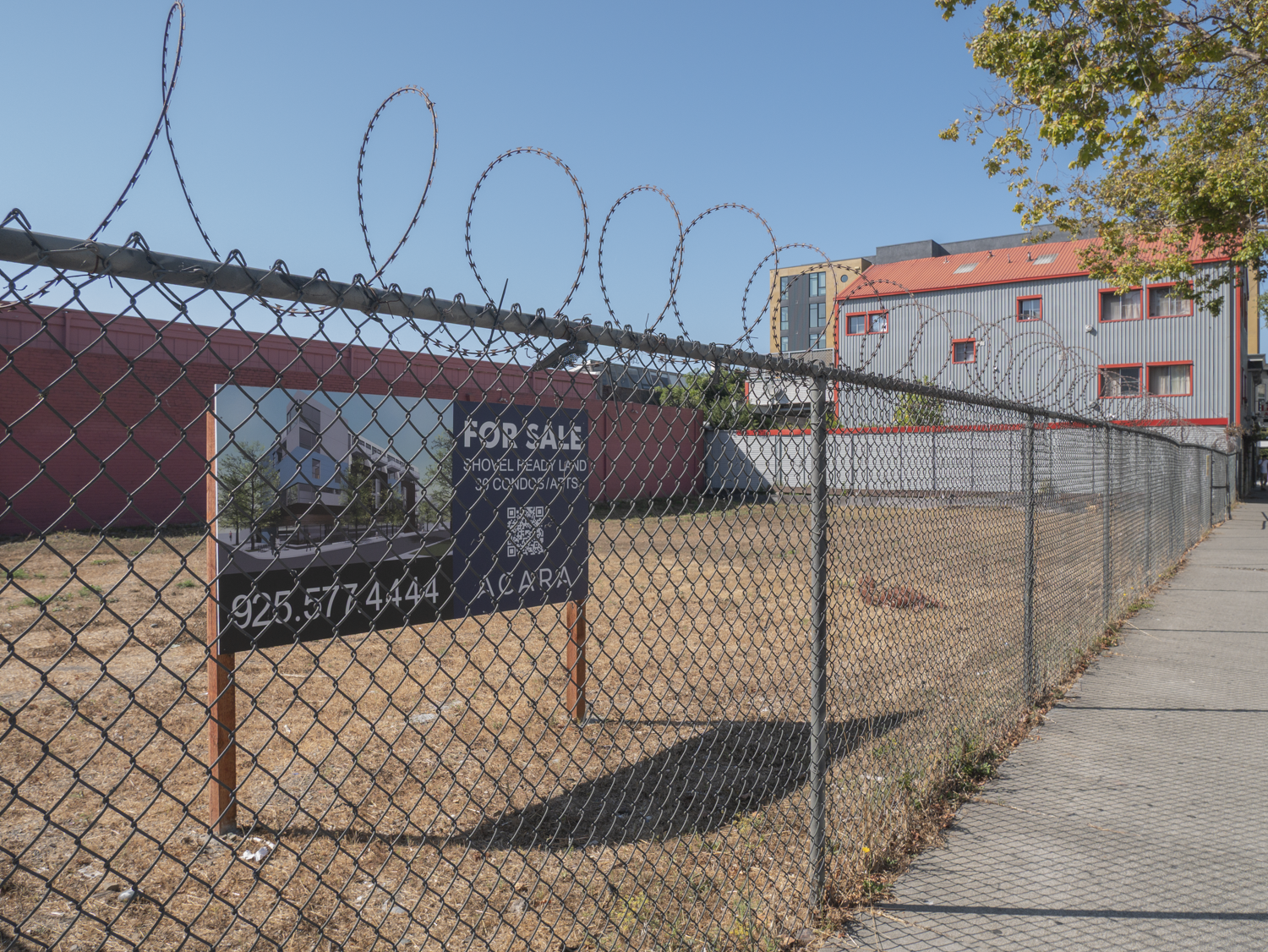
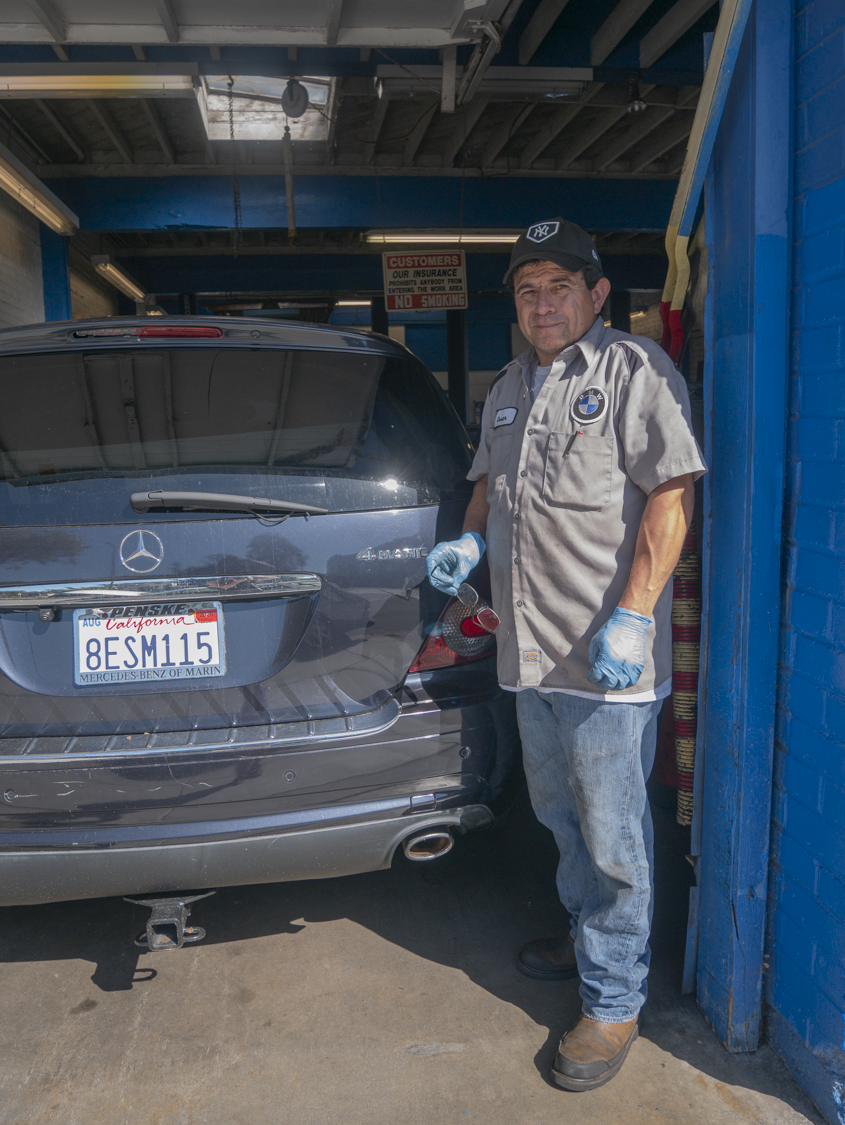
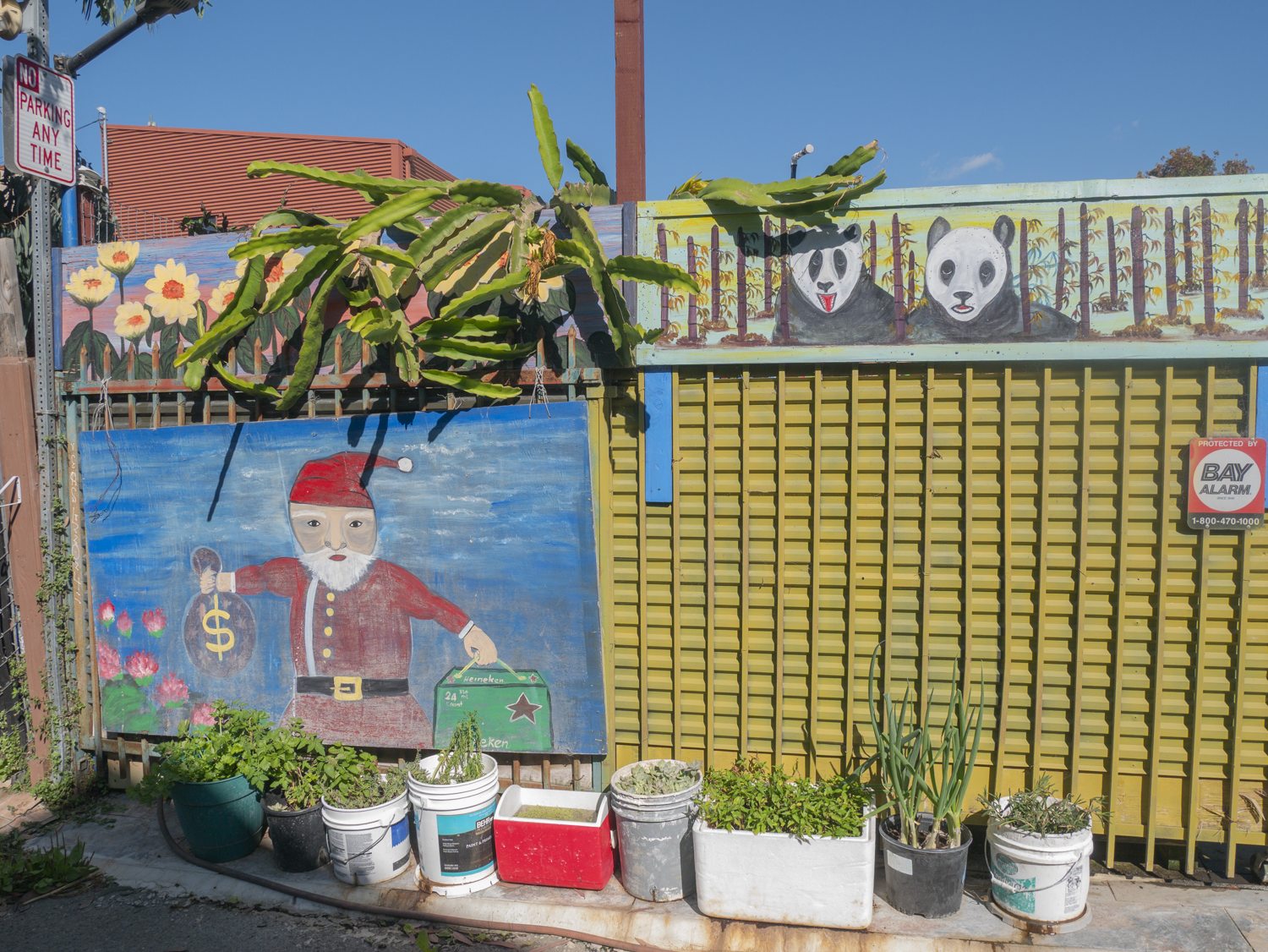
As a special testament to the ‘old,’ I really wanted to capture the beauty in what was seen as replaceable. It felt crucial to document the areas that are most vulnerable to change: the buildings behind the glaring yellow ‘Proposed Project’ signs, the murals along parking lot walls, the mom and pop shops founded decades ago. This also meant deeply engaging with the people along San Pablo, whose fates are often only treated as the byproduct of economic opportunity. As buildings are torn down and rebuilt, the people who have lived their lives in and around them are explicitly or implicitly pushed to the margins and eventually out of these areas.
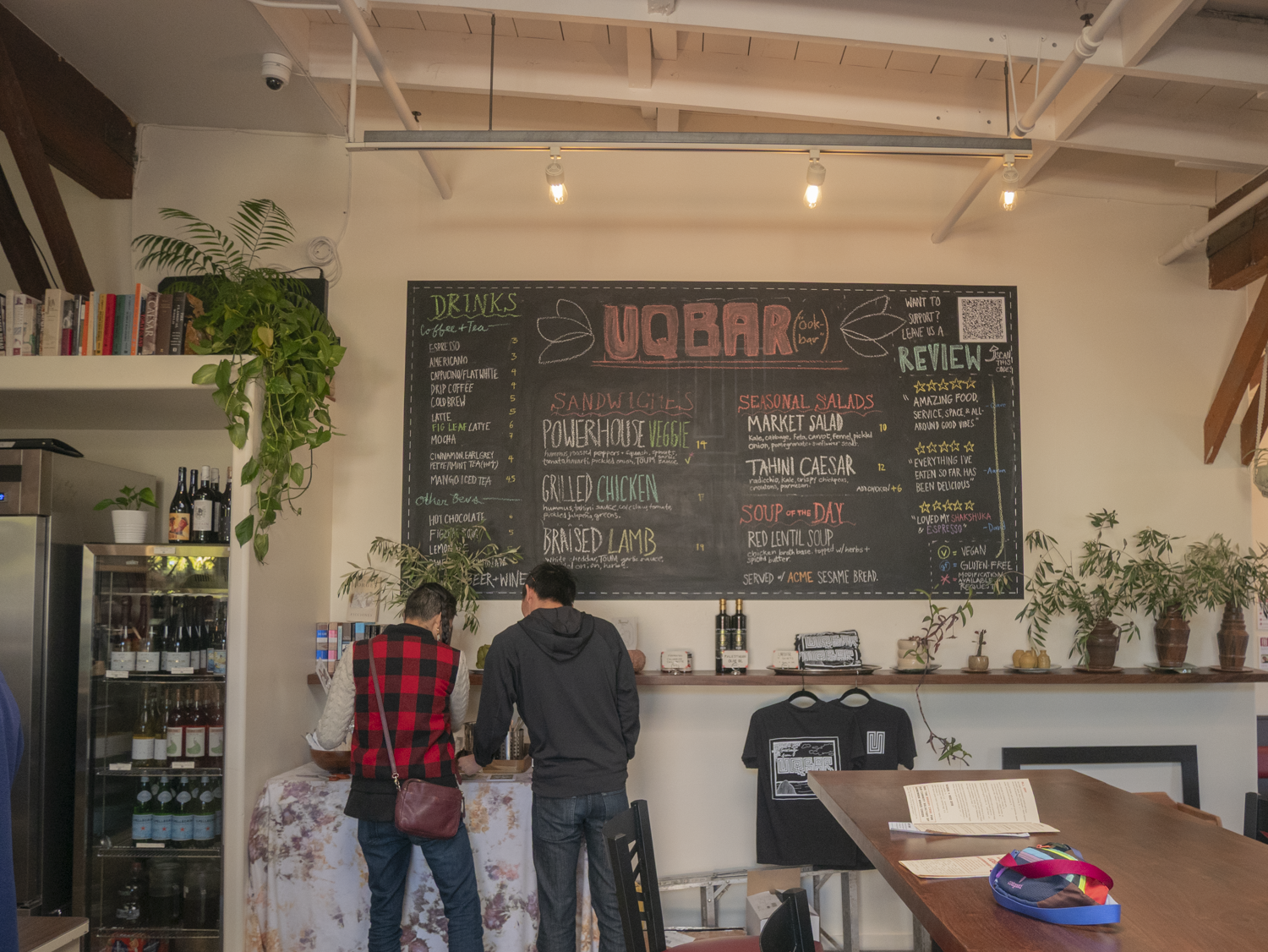
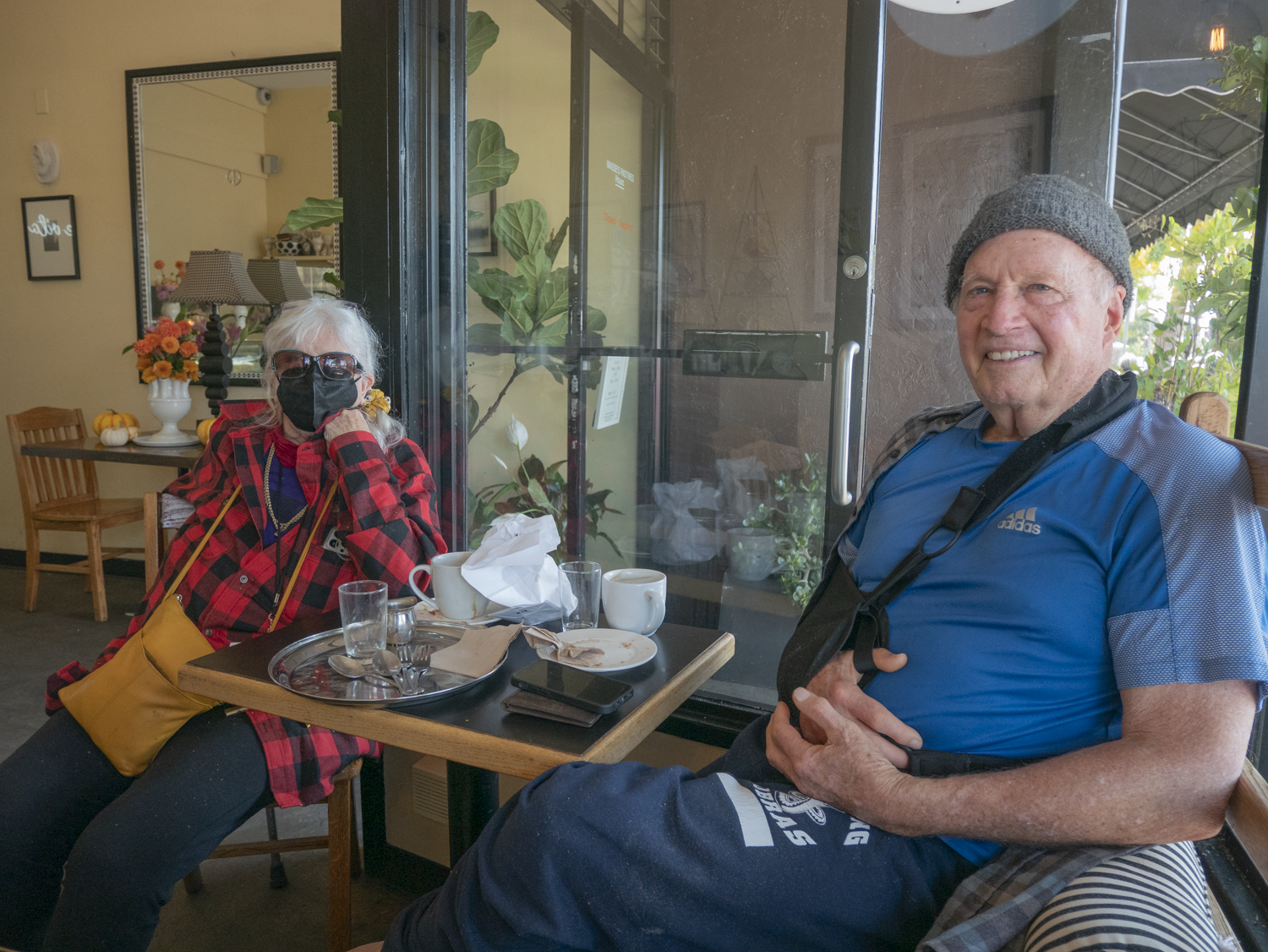
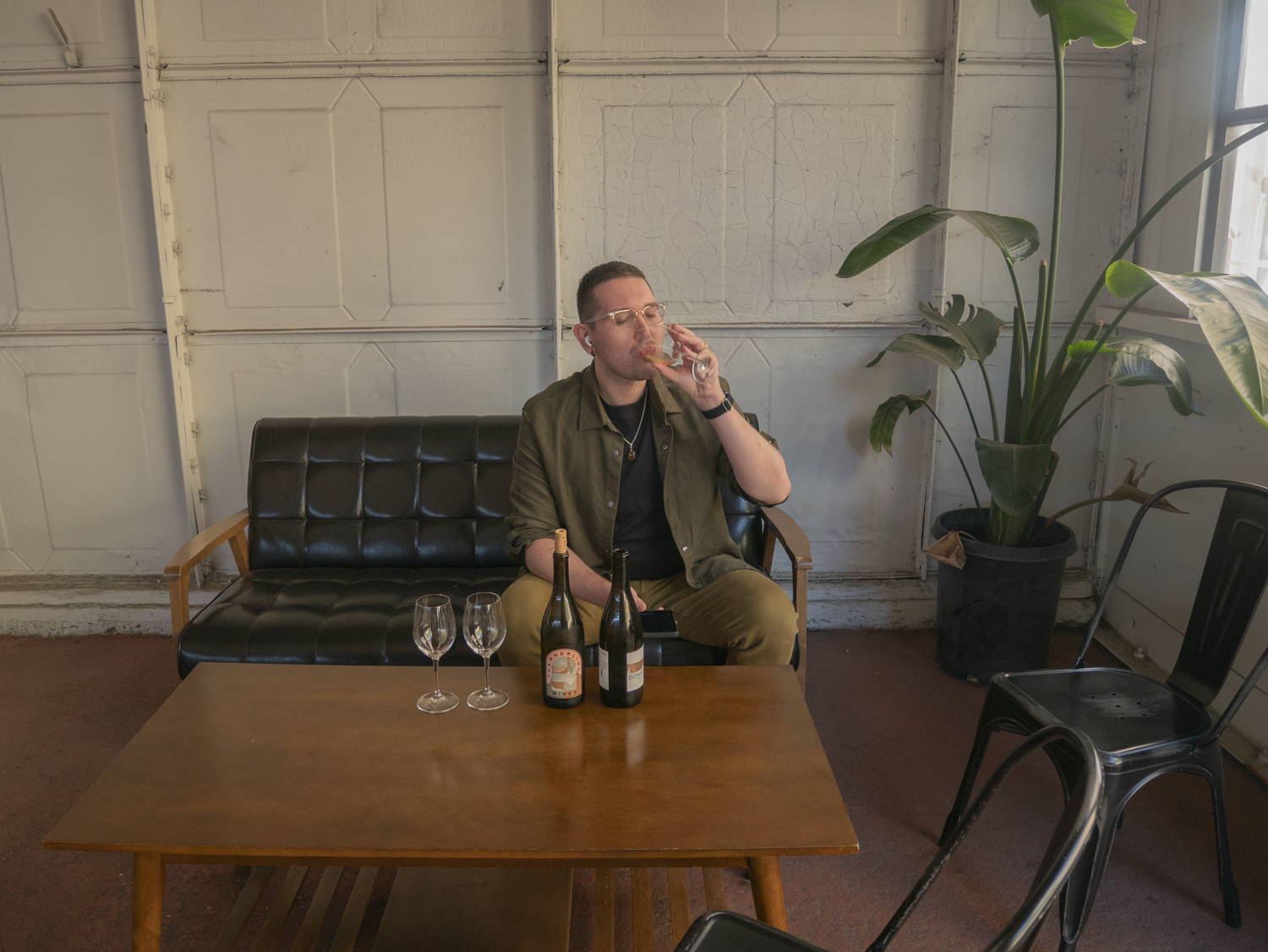
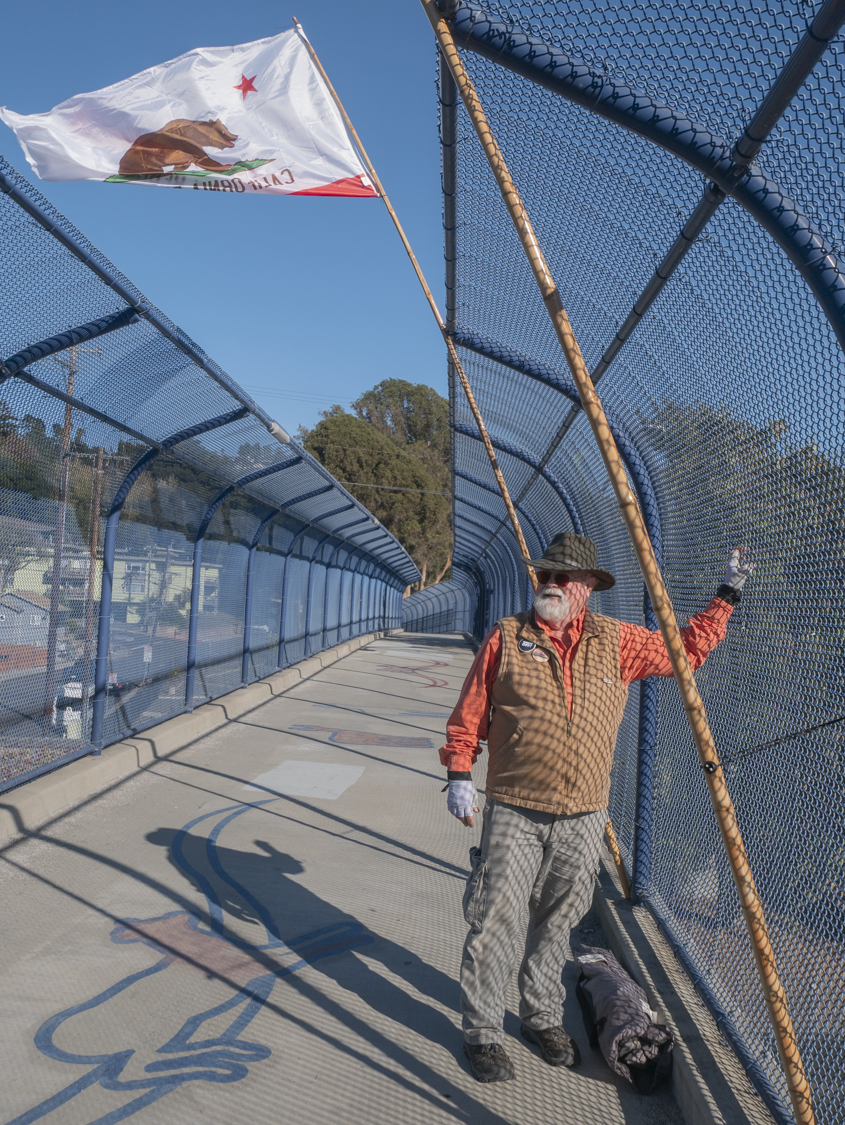
I wanted to feature people within my photos as much as possible. The people who spend their days living, working, and moving along San Pablo are what give the street its character. As a guest, hearing and representing their stories as a part of my work felt vital in making a photo sequence that might encapsulate any aspect of San Pablo. Taking pictures of people was also something I really struggled with over the course of the class. I did not want to take pictures of people without their permission, but found it very uncomfortable to go up to someone and ask to take their picture. While that underlying fear still has not gone away, whenever I did go up to ask people to take their photos they were always very gracious, even when saying no. The kind interactions I had with strangers are some of my favorite memories I made along San Pablo this fall.
How do we value urban space in the era of gentrification and redevelopment?
Walking along San Pablo felt like living life at a different pace. At a moment in my life that has been so go-go-go, putting on the camera and moving block-by-block around the Bay forced me to be present. At times this act of slowing down felt at odds with the landscape. San Pablo is a state highway, built to be a liminal corridor for people driving up and down the East Bay. While some stretches of San Pablo (University Ave in Berkeley, Solano Ave in Albany, McBride Ave in Richmond) have a lived-in energy as people walk between work, shops, and restaurants, other sections (all of Emeryville, most of El Cerrito into Richmond) feel like they stretch on forever at a scale too large to be comfortable to a person traveling on foot. While these sparse sections could be exhausting to walk along, it felt especially important to find and highlight the small details that you would miss driving by in a car.
Moving through the world actively searching for beauty and stories gave me a deeper appreciation for the built environment around me. I would notice how an old car beautifully complemented in shape and shade to the buildings around it and could also see the car as a nod to the importance of San Pablo’s automotive industry. I could take a picture of a farmer’s market stand to capture the vibrant red color of the banner and to show the contagious joy of the woman selling the food. I had little experience with photography before this class and was struck by how effective photography is as a medium for memorializing visceral and complex relationships in an intuitive way.
In my final work, I wanted to highlight how color and contrast interplay to be both visually appealing and to tell stories about development and belonging. On San Pablo you see remnants of deep Bay Area history side-by-side with brand new construction. Much of the stretch of San Pablo is actively gentrifying, but the differential speed of development creates a space that holds many time periods at once. There is a sense of spatial-temportal interconnectedness that Doreen Massey discusses in her paper Traveling Thoughts. My series attempts to take the viewer through a journey across space and time, moving between historic San Pablo and the recent additions to show both the jarring impact of redevelopment and how sometimes the ‘new’ and ‘old’ seem to blend together.
As a special testament to the ‘old,’ I really wanted to capture the beauty in what was seen as replaceable. It felt crucial to document the areas that are most vulnerable to change: the buildings behind the glaring yellow ‘Proposed Project’ signs, the murals along parking lot walls, the mom and pop shops founded decades ago. This also meant deeply engaging with the people along San Pablo, whose fates are often only treated as the byproduct of economic opportunity. As buildings are torn down and rebuilt, the people who have lived their lives in and around them are explicitly or implicitly pushed to the margins and eventually out of these areas.
I wanted to feature people within my photos as much as possible. The people who spend their days living, working, and moving along San Pablo are what give the street its character. As a guest, hearing and representing their stories as a part of my work felt vital in making a photo sequence that might encapsulate any aspect of San Pablo. Taking pictures of people was also something I really struggled with over the course of the class. I did not want to take pictures of people without their permission, but found it very uncomfortable to go up to someone and ask to take their picture. While that underlying fear still has not gone away, whenever I did go up to ask people to take their photos they were always very gracious, even when saying no. The kind interactions I had with strangers are some of my favorite memories I made along San Pablo this fall.
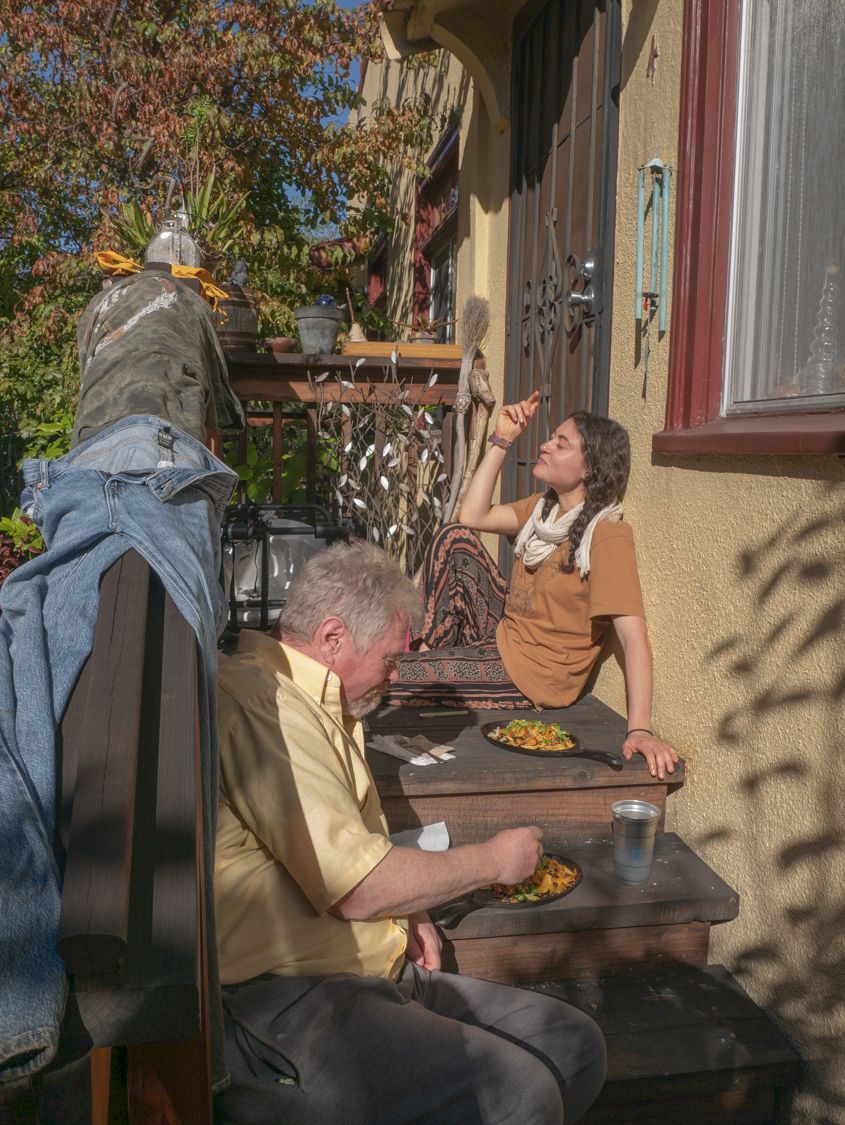
On our final photography trip, our class returned to the Berkeley part of San Pablo. While on lunch break, Gabi and I went to explore the residential areas around the University Ave intersection. We were taking pictures of a beautiful, historic multi-family home, when one of the residents came out and started talking to us. After learning that we were in a photography class, she invited us inside to get a better look at their home and introduce us to other residents. She led us around their property and offered us tea once we had taken a break from taking pictures. We spent an hour chatting in their backyard learning that this property had once been workers housing for a nearby factory and was now a cooperative living space. Gabi and I were able to share about our own experiences living in student co-ops at Berkeley. It was a really heartwarming experience and it was very interesting to see this beautiful example of communal, affordable housing in an area that is so expensive to live in. Having this interaction and learning more about the neighborhood gave me an even deeper appreciation for this area that I already loved.
Especially for pictures of people and vulnerable areas, I wanted to make sure my images were not extractive. Over the course of this class, the general sense I developed was that the camera can be alienating if you do not fully engage with your subject, but in so many ways it can be a tool for connection and learning. After Gabi and I visited the co-op, the woman asked us to share the pictures we took so they could be used on the co-op’s website. It felt nice to give something back after having such a special experience. I wanted to lead with a sense of curiosity and openness when taking pictures, which, for me, sometimes meant not prioritizing the pictures. What made our visit to the co-op so special was the human connection, not the pictures we got as a result. Gabi and I left the co-op without ever taking a picture of the woman who invited us in. While this felt like a big missed opportunity at first, now it feels like a beautiful testament to the fact that it is okay for the images we make to be a secondary consideration sometimes. I feel guided by the idea that the most important thing I was gaining in this course was a new sense of place for San Pablo, and the photos were a central, but not exclusive, means of building this understanding.
I appreciated getting to revisit places I was familiar with through the new perspective of street photography, and many of my favorite photos came from these trips. Photos from Oakland and Berkeley compose the majority of my final sequence. Growing up in Oakland, I have spent a lot of time along these stretches of San Pablo. I have a lot of love for many of the places we visited on these trips, and I think this showed through in the pictures I took. Finding new locations felt even more special and unexpected in the areas I thought I knew so well. Having a sense of belonging and feeling less like an outside presence on these trips made me more comfortable talking to strangers and asking to take their picture. We also did two visits to both of these locations. Going to the same place twice allowed me to reflect on what I liked best about the first trip and return with focused intention.
Our Friday walks became a time that I cherished, when I could engage fully with the people and places around me. The photos I took became a way to connect with and appreciate the street that hosted us every week, creating a fragmented narrative that captures my observation and emotions. As our class traveled, San Pablo not only made an impact on all of us, we shaped the street in turn. Our reciprocal relationship making photos and building understanding made us a part of the environment. I like to think that seeing a gaggle of students meandering around with cameras made people’s Friday more interesting. That seeing a crowd of sixteen people intently taking pictures of the front of an abandoned party supply store makes someone reconsider the property as more than shovel ready land.