
Precarity Meets Placemaking by Ethan Radley Bungay
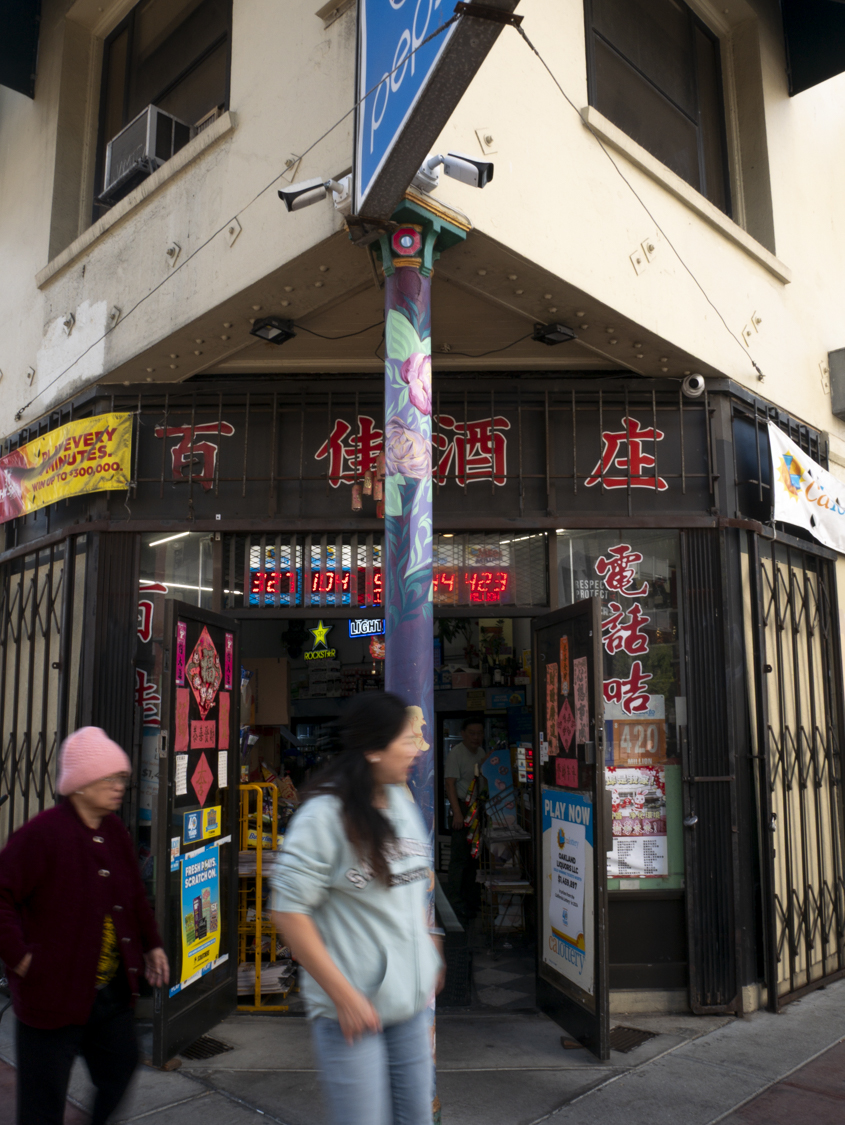
My body of work foregrounds the dialectical nature of space and the geographies of encounter, intervening in discourse around questions of reflexivity and environmental justice. In doing so, this sequence of photographs has several goals. The first is to depict San Pablo Avenue not within a paradigm of conflict, but rather through the lens of radical placemaking and place-based community action. The second is to engage in debates concerning traditional research. What are its limitations? How might a creative non-fiction project like “On San Pablo Avenue” address the fundamental issues, both theoretical and applied, of the way in which geographical research is conducted, and what ways might it fall short? The final goal is to then propose a new and counter-hegemonic framework for understanding environmental justice, one that reinforces collective stewardship and agency.
It is widely understood that San Pablo Avenue has tremendous historical and contemporary significance to the eastern region of the San Francisco Bay Area. It is a major thoroughfare spanning two counties–Alameda and Contra Costa–across a twenty-three mile stretch. Among its most interesting and defining characteristics is the variation in land use, population, and scale that is present both within the interiors of the cities it passes through and across the seven municipalities along the corridor. Notably, an ongoing issue that has been particularly pervasive for the entirety of San Pablo Avenue is the safety of pedestrians and bicyclists, who have been vulnerable to dangerous conditions as a result of the street’s traffic design. Between 2008 and 2013, approximately 150 bike collisions occurred, as well as dozens of pedestrian and cyclist injuries, and several fatalities (The Oaklandside, 2022). Subsequent research indicated that low-income households, communities of color, and people over the age of 75 disproportionately live adjacent to the corridor (The Oaklandside, 2022).
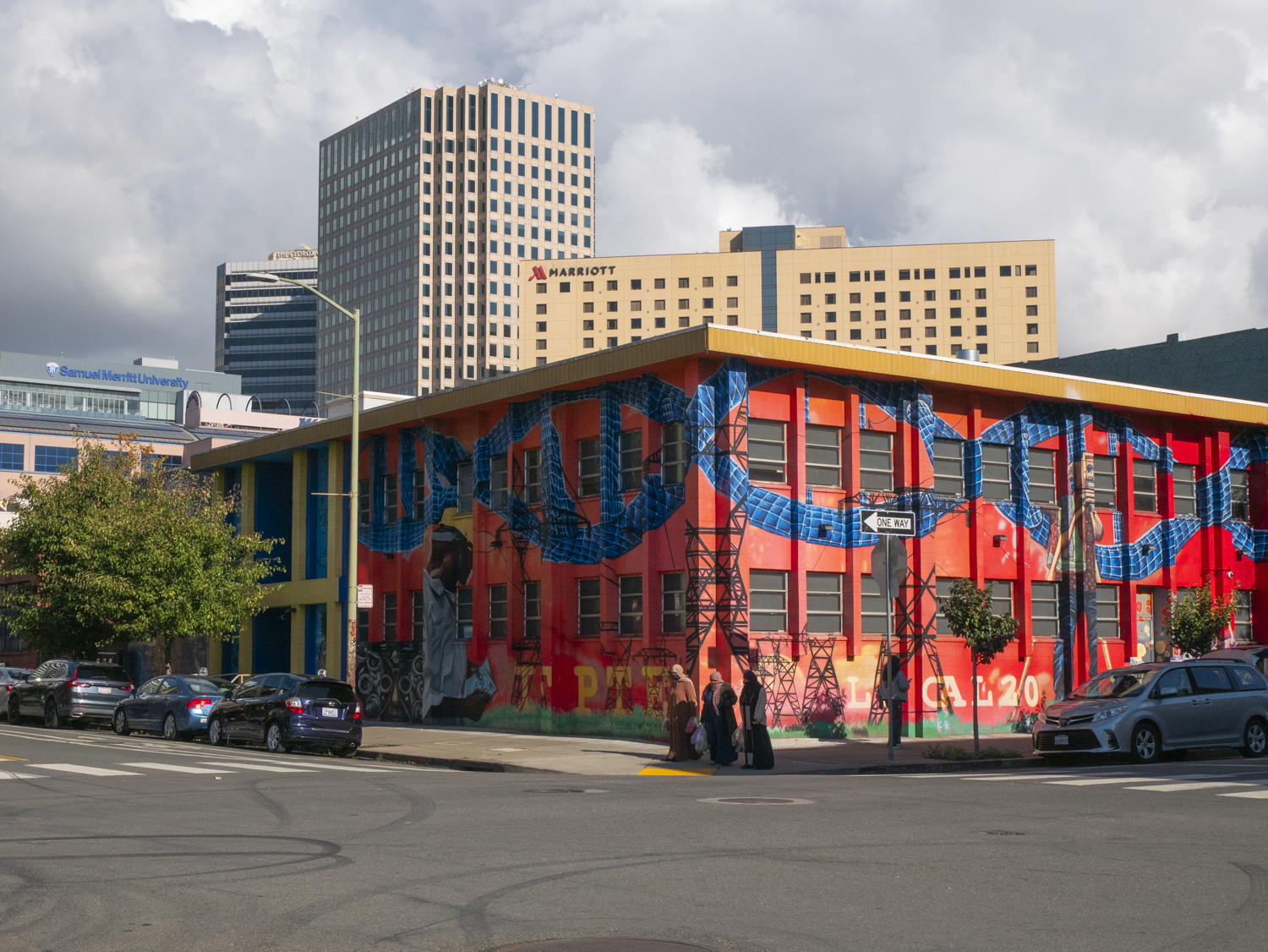
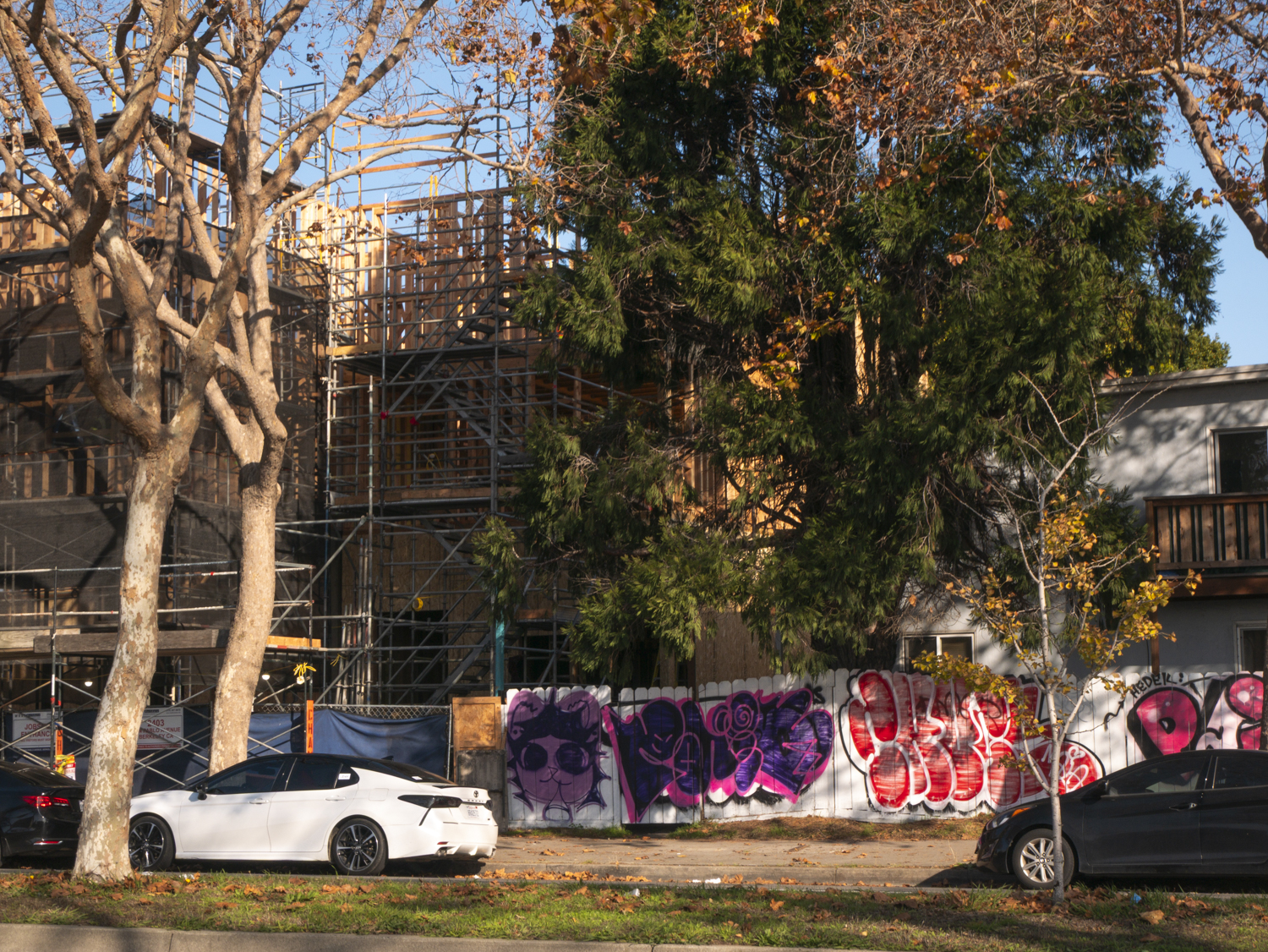
This empirical information brings to the forefront the issues of equity on San Pablo Avenue, which my work interprets as environmental justice issues within the built urban landscape. In the cities of Oakland and Berkeley, for instance, uneven development in relation to systematic gentrification and displacement is visible. Post-war deindustrialization, freeway construction, neoliberal policy shifts, among other events destabilized the working-class and laid the groundwork for the emergence of modern-day gentrification in Berkeley and Oakland. It is important to note that more generally, gentrification and neighborhood revitalization are often racialized processes insofar as communities of color have been most prone to their impacts. Environmental justice issues have been prevalent in other cities of San Pablo Avenue, including industrial suburbs like Richmond, where a Chevron refinery is sited. Chevron’s operations have produced significant health burdens due to environmental pollution and contamination, emanated by a number of documented regulatory violations and noncompliant operational practices at the refinery. These events concerning environmental public health also embody a racialized dimension, as the population of Richmond is predominantly people of color.
In her analysis of Oakland, Brandi T. Summers argues that the city is shaped by two interwoven publics: a neoliberal and sanitized city that serves white residents, and another that is decayed and perpetuates the oppression of working-class Black and Latinx communities (Summers, 2022). Her interpretation articulates the dialectic of space and the geographies of encounter, underscoring that although space is often contested, paradoxical, and unequal, all residents inhabit the same physical environment. The objective of my work is to foreground this idea and extend it to the broader San Pablo Avenue and East Bay Area. While I have referenced several environmental justice struggles along the corridor, my intention is not to characterize San Pablo Avenue through the lens of such conflict, but to visually showcase the way in which individuals have maintained a robust sense of place amid an era of growing precarity.
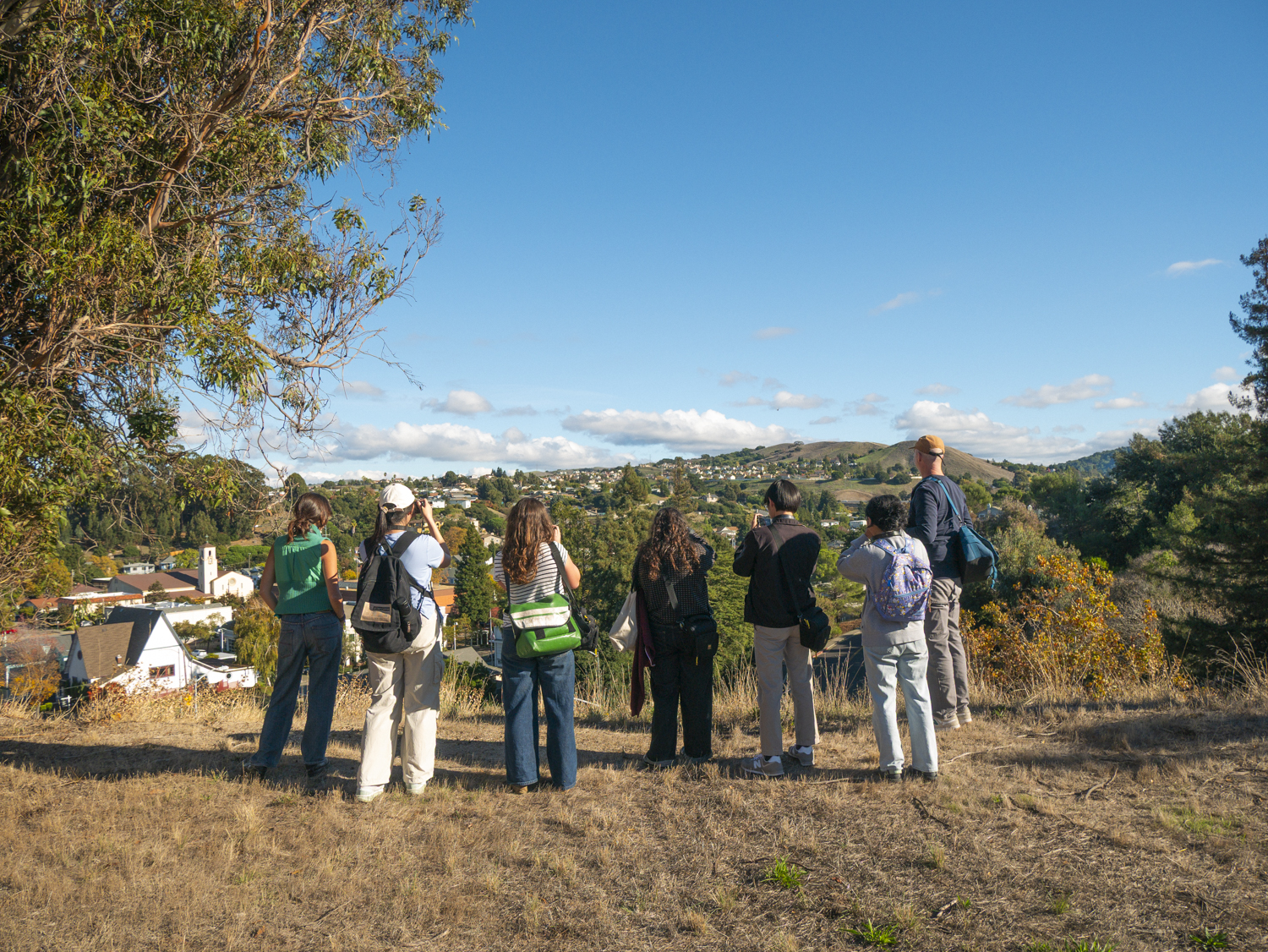
The first part of my photographic process largely involved recognizing my positionality. Although community-based scholarship seeks to mitigate the separation between the researcher and those being researched, it often retains an extractive logic and inadvertently reproduces a dynamic of power asymmetry. In an effort to resolve these intrinsic issues, my priority became to engage meaningfully with the people of the built environment, rejecting developing the practice of blindly photographing with limited context. In the field, I humbly positioned myself as a visitor who sought to not only observe but to actively participate in the landscape, always remaining critical about when and where it is appropriate to press the shutter. I was also intentional about composition, ensuring that all corners of my image reflect the way I wish to depict life on San Pablo Avenue. And in several instances, I paused photographing, instead taking several minutes to observe, both visually and sonically, and converse with my peers and the individuals who live and work on San Pablo Avenue. In this sense, I was a geographer first and a photographer second. Additionally, throughout the course I captured several photographs which featured my peers in the process of actively taking photographs. The purpose of this practice was to visually represent our positionality and instill reflexivity throughout the semester. The final image in my sequence adheres to this objective. It firmly emplaces the class against the backdrop of Pinole’s built environment.
In many ways, our class is, in fact, part of the landscape. Our imposition renders questions like “Why is San Pablo Avenue a site worth studying?” and “How can we use the camera to create a narrative that portrays life on the corridor in a new light?” By this logic, the insertion of a UC Berkeley course into the landscape is a living embodiment of the geographies of encounter and dialectic of space: we are interacting materially with the built environment and its inhabitants.
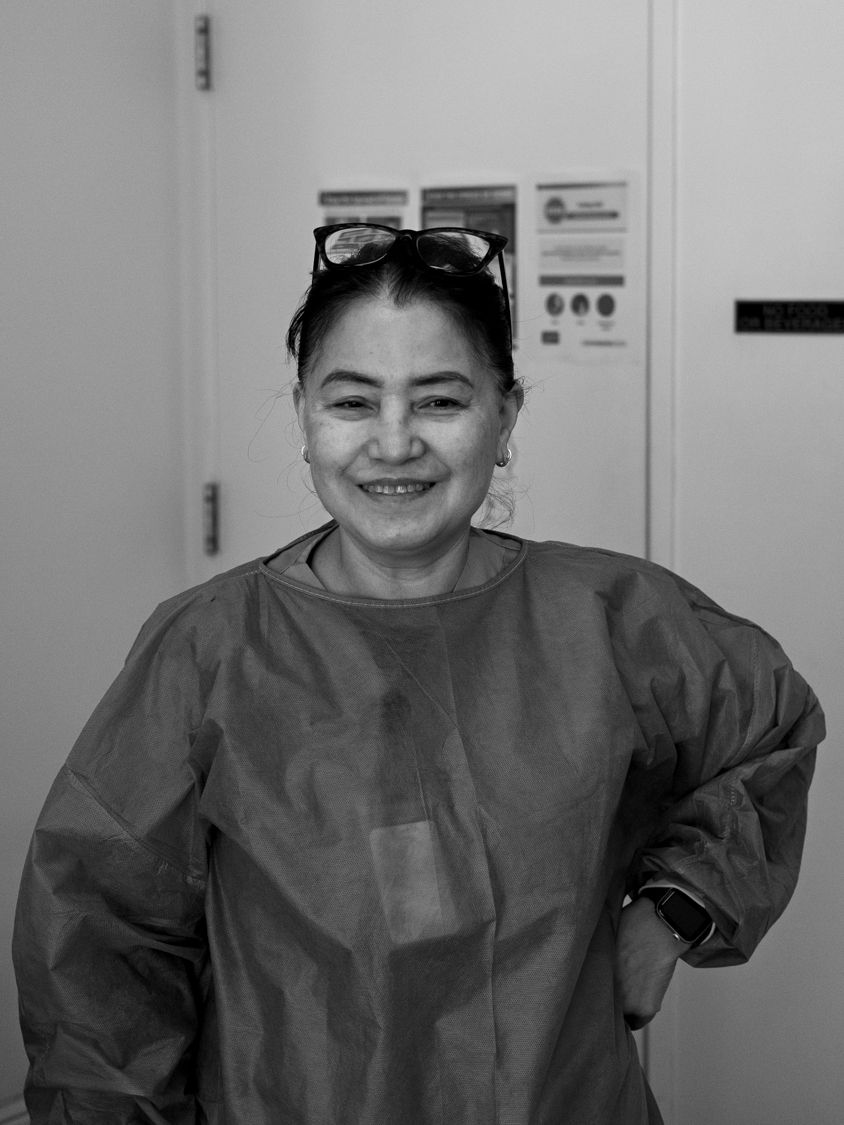
On San Pablo Avenue in El Cerrito, I greeted Lorna, the Filipino dental assistant I have been a patient of for nearly two decades who has become a cornerstone of my own Filipino community in the Bay Area. Prior to moving to Berkeley, I did not maintain residency in any of the municipalities along San Pablo Avenue, yet Lorna and I have consistently remained connected as members of the Filipino diaspora in the East Bay. The very nature of my connection to her is a testament to the way in which San Pablo Avenue connects people both physically and ontologically. In conversation with her, she explained why San Pablo Avenue remains important to her: it is where she has lived and worked for as long as she can remember. She vocalized that Dr. Yu, the owner of the clinic, has been her partner for decades, and that she will retire alongside him. Her story signals to the way in which notions of community are fostered on San Pablo Avenue, and how an individual’s daily acts, in this case work, can be heavily valued. El Cerrito Dental Care is immigrant-run, and both Dr. Yu and Lorna continue to speak proudly of their Burmese and Filipino descent. It will soon be passed along to Andrew, the son of Dr. Yu. In this respect, the longstanding community and sense of place cultivated on San Pablo Avenue are intergenerational and enduring. And the constraints of temporality have been transcended.
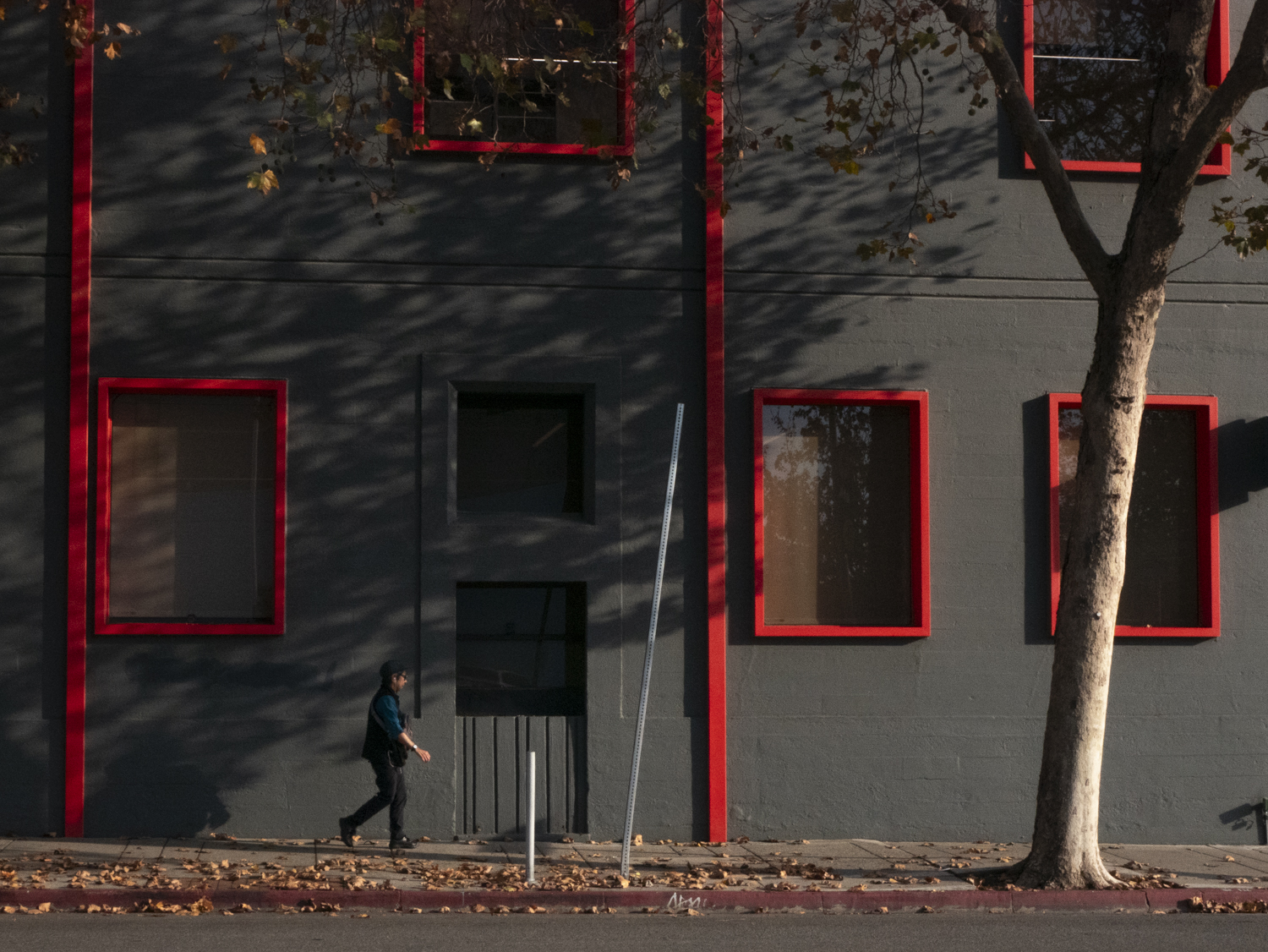
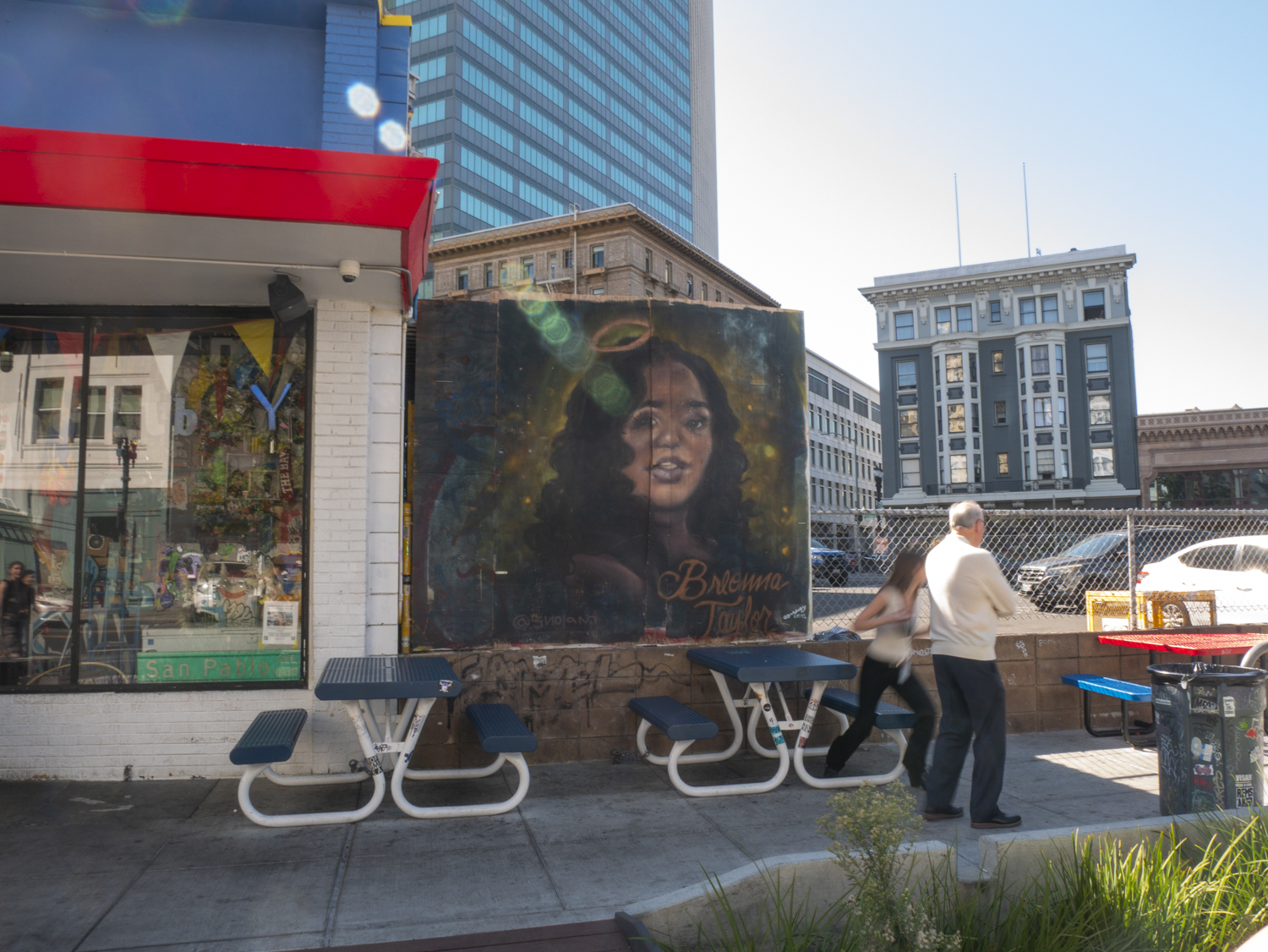
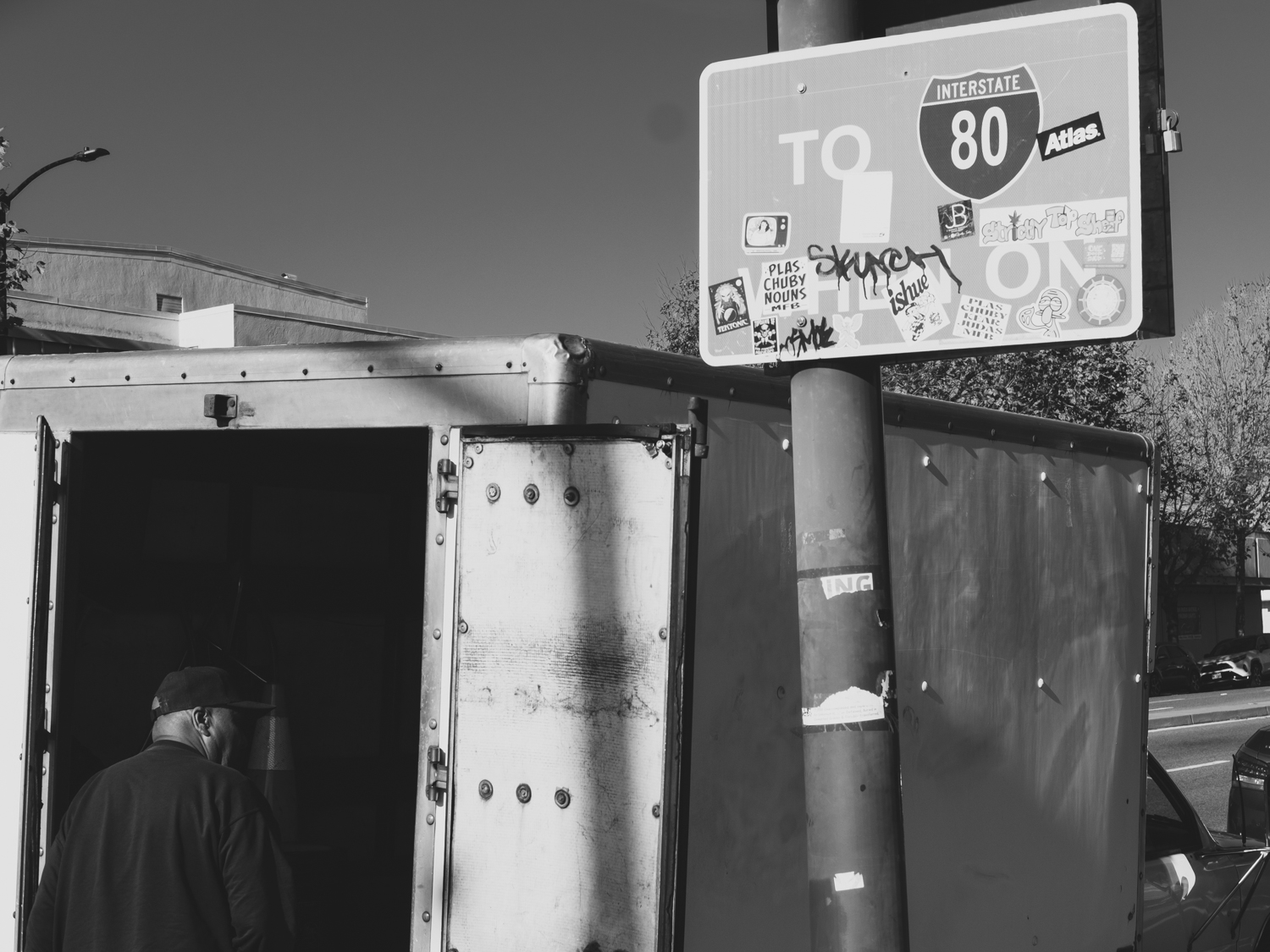
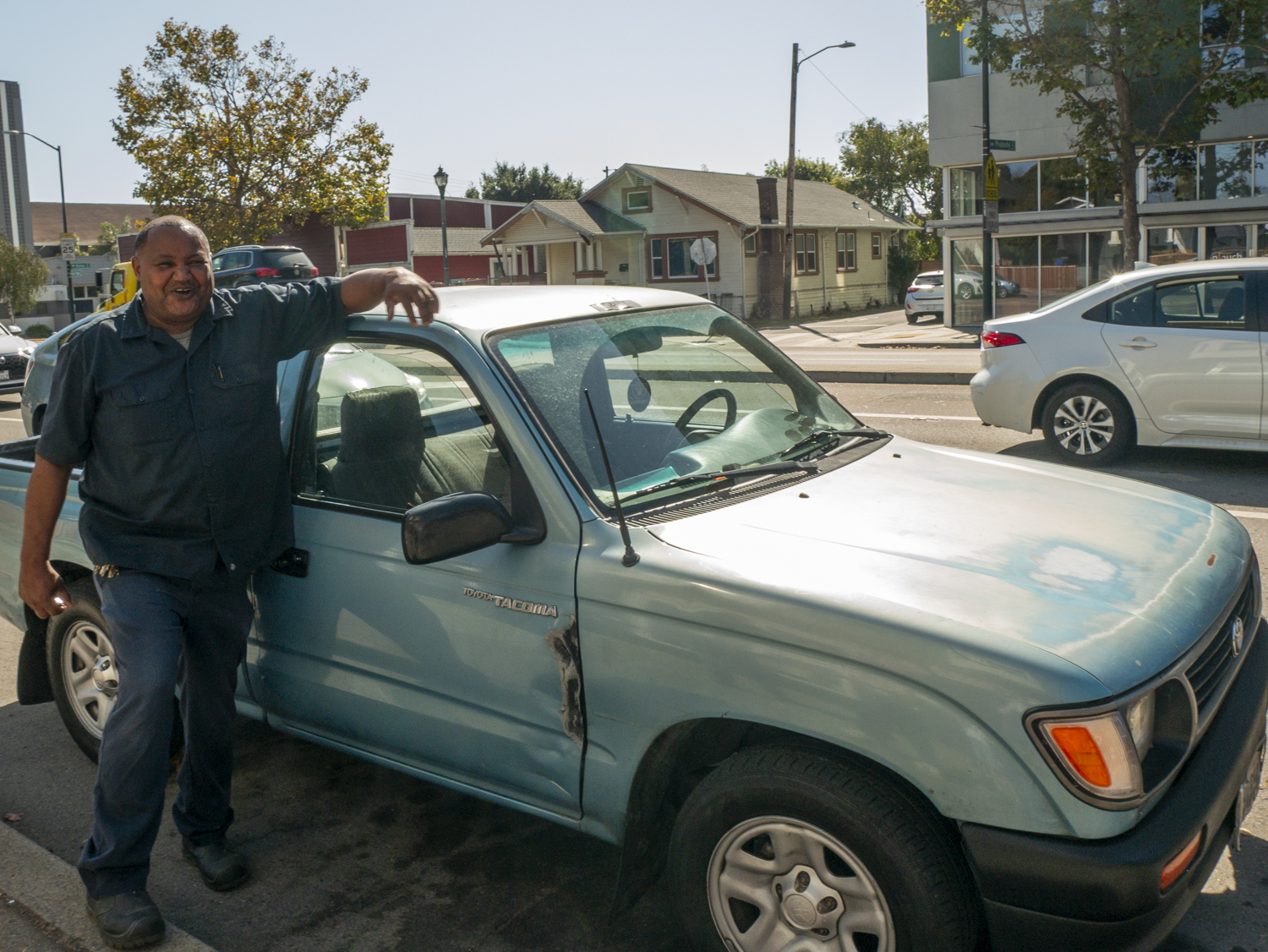
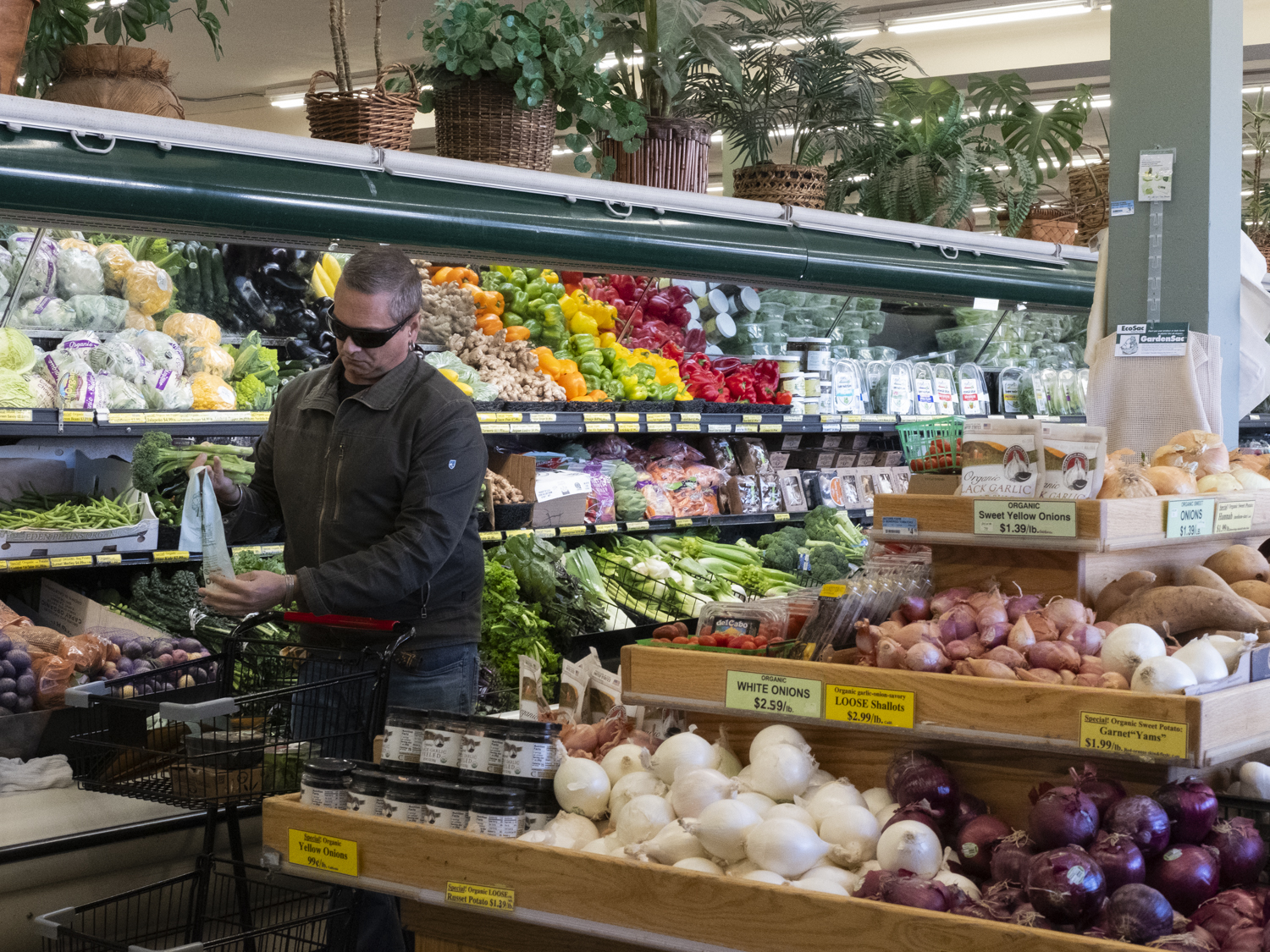
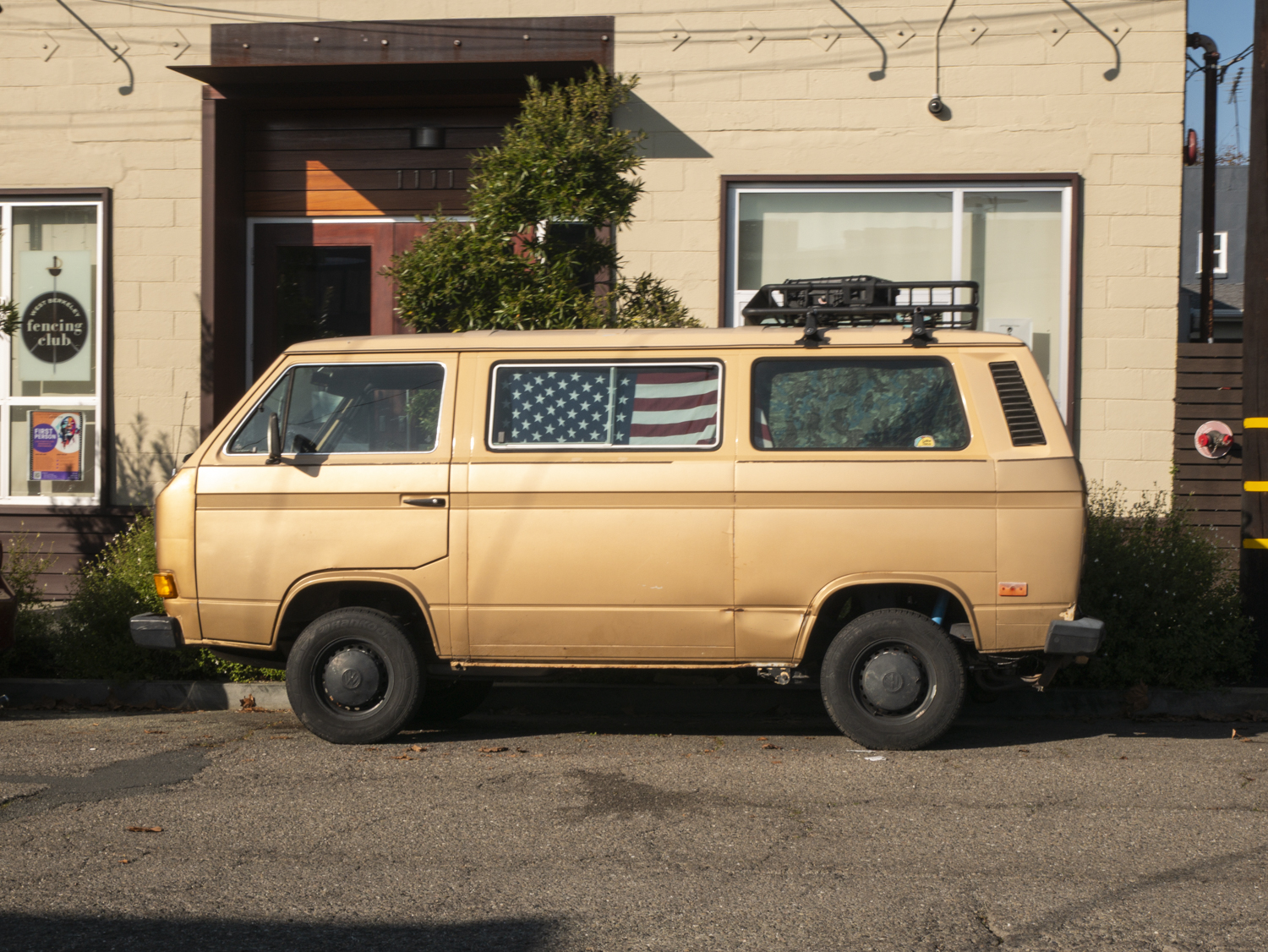
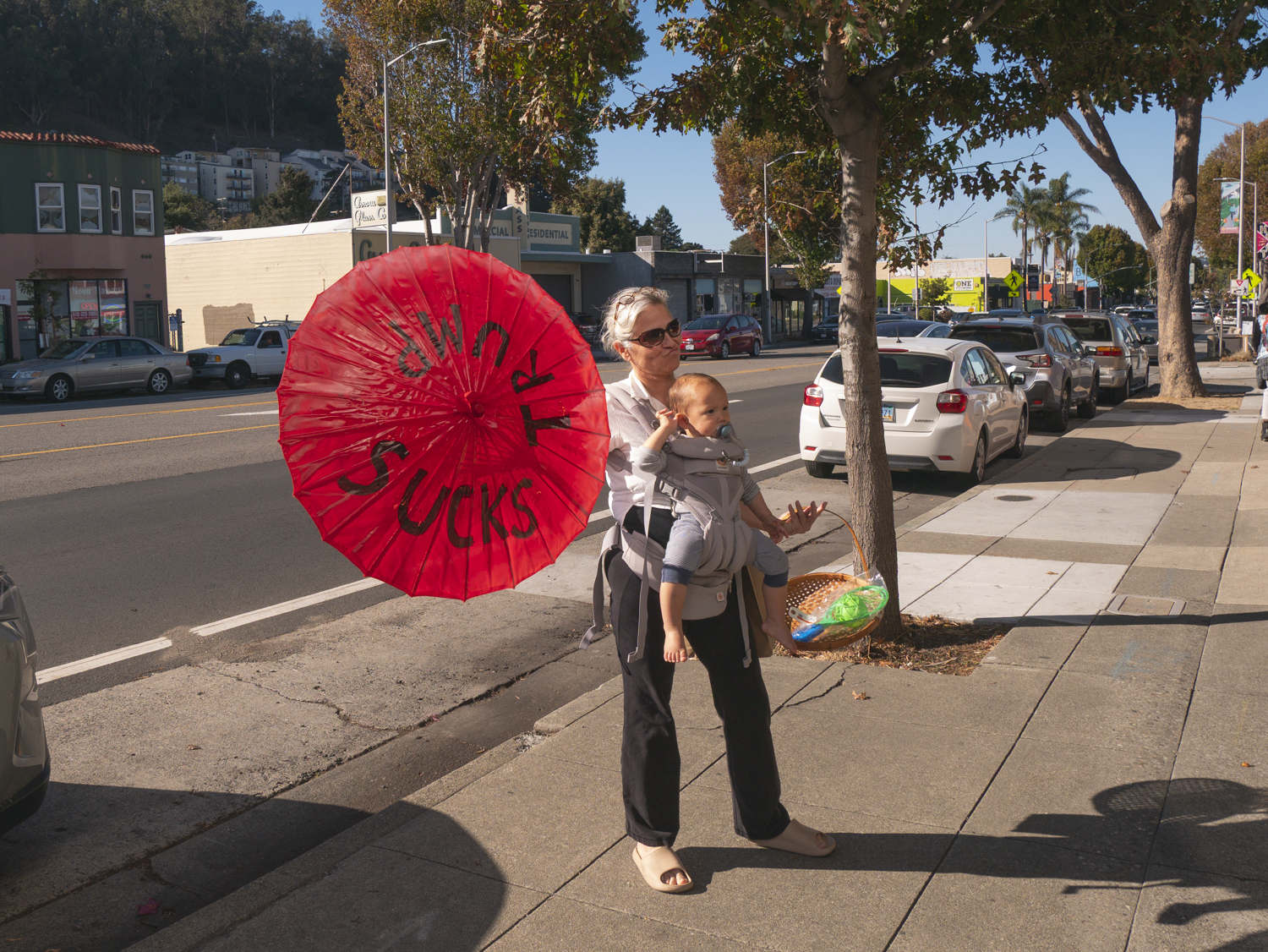
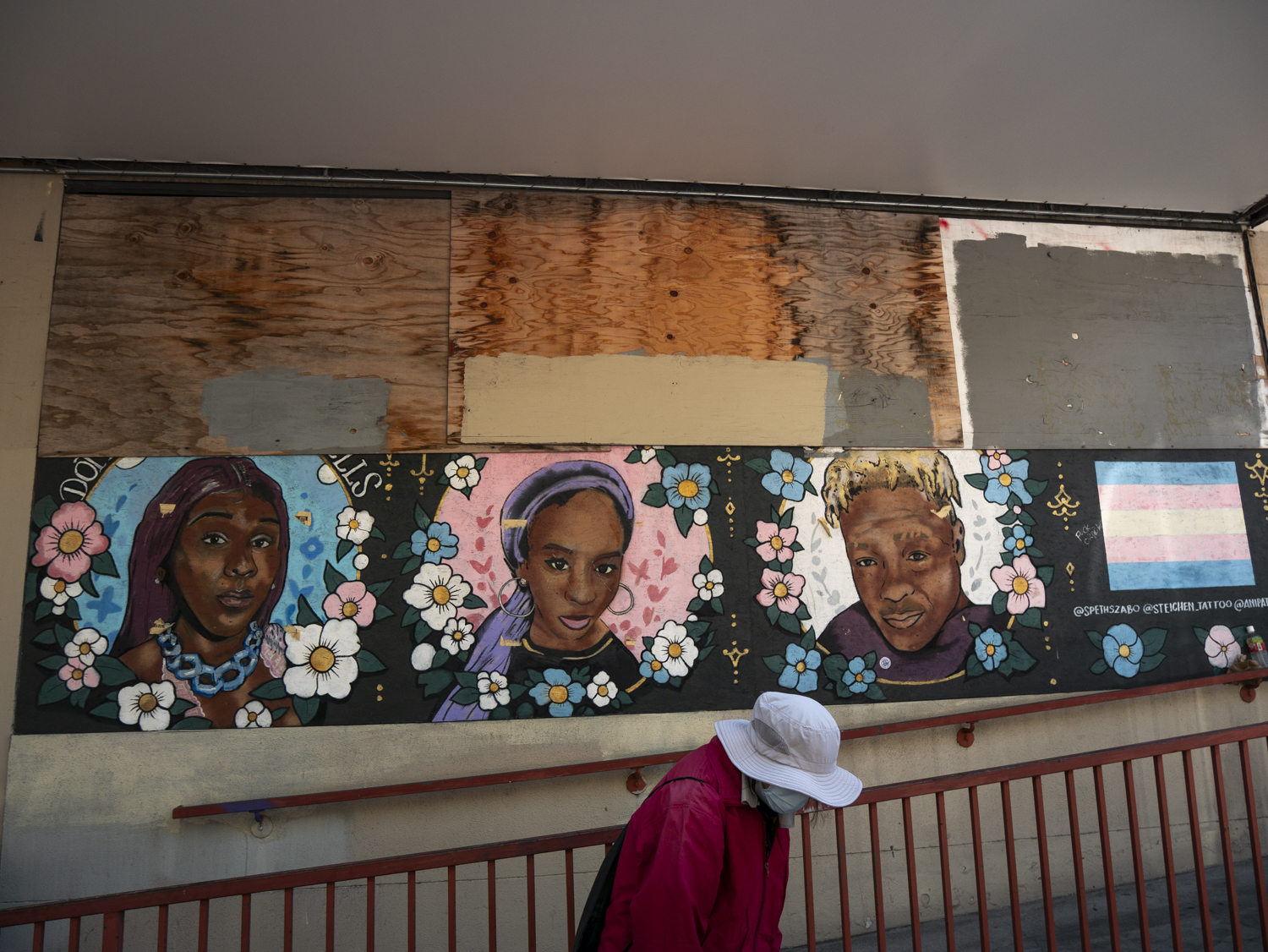
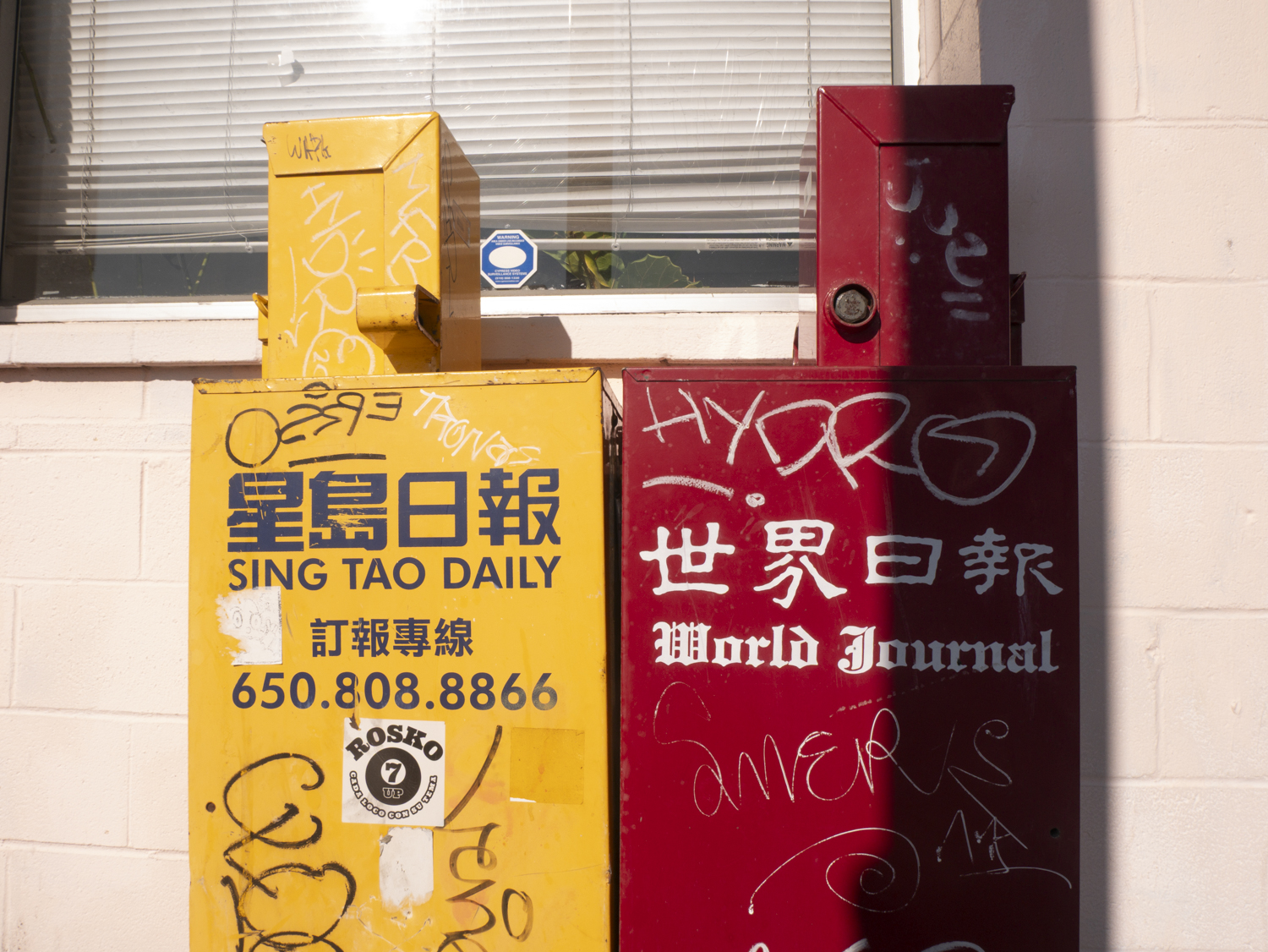
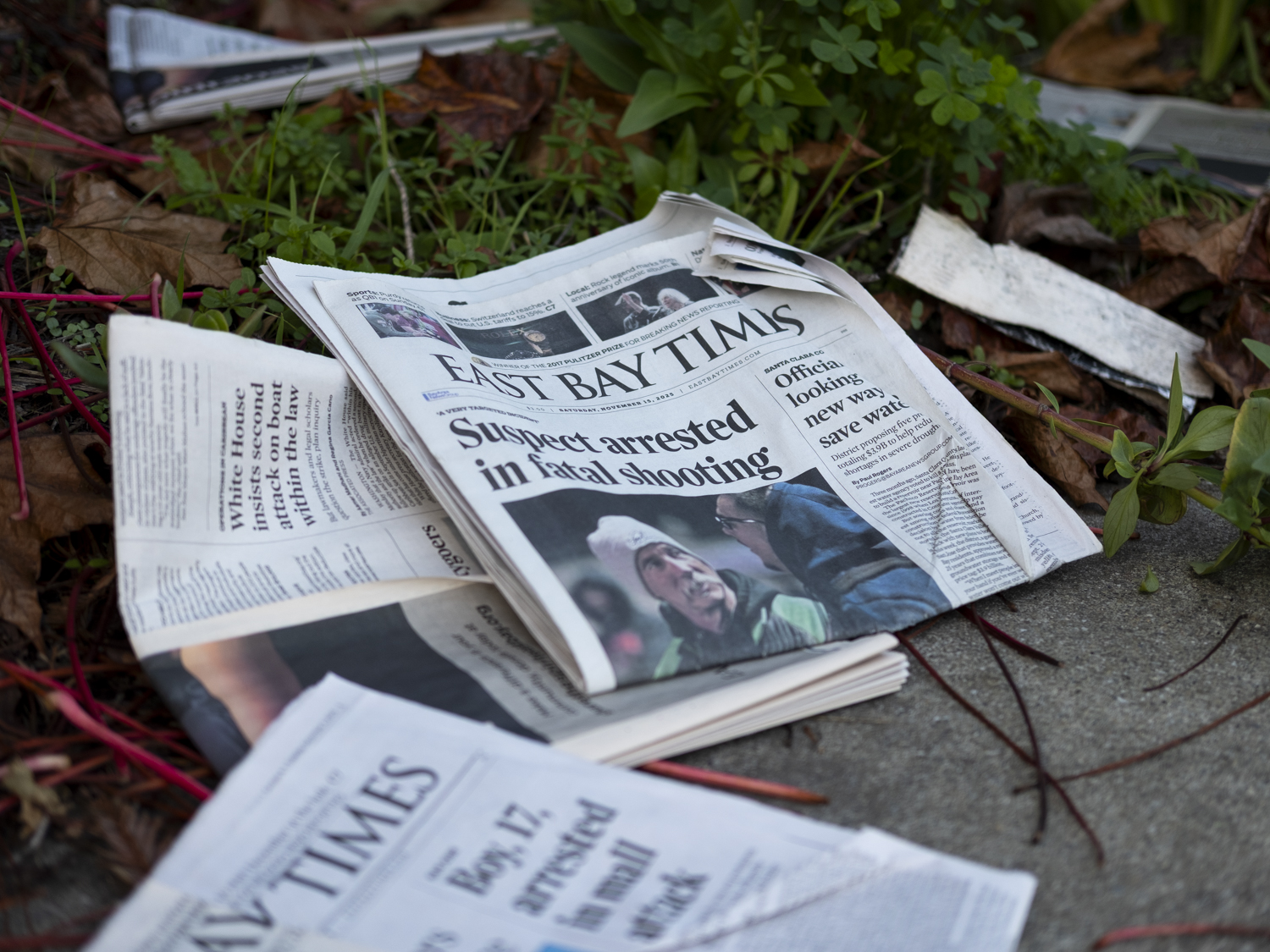
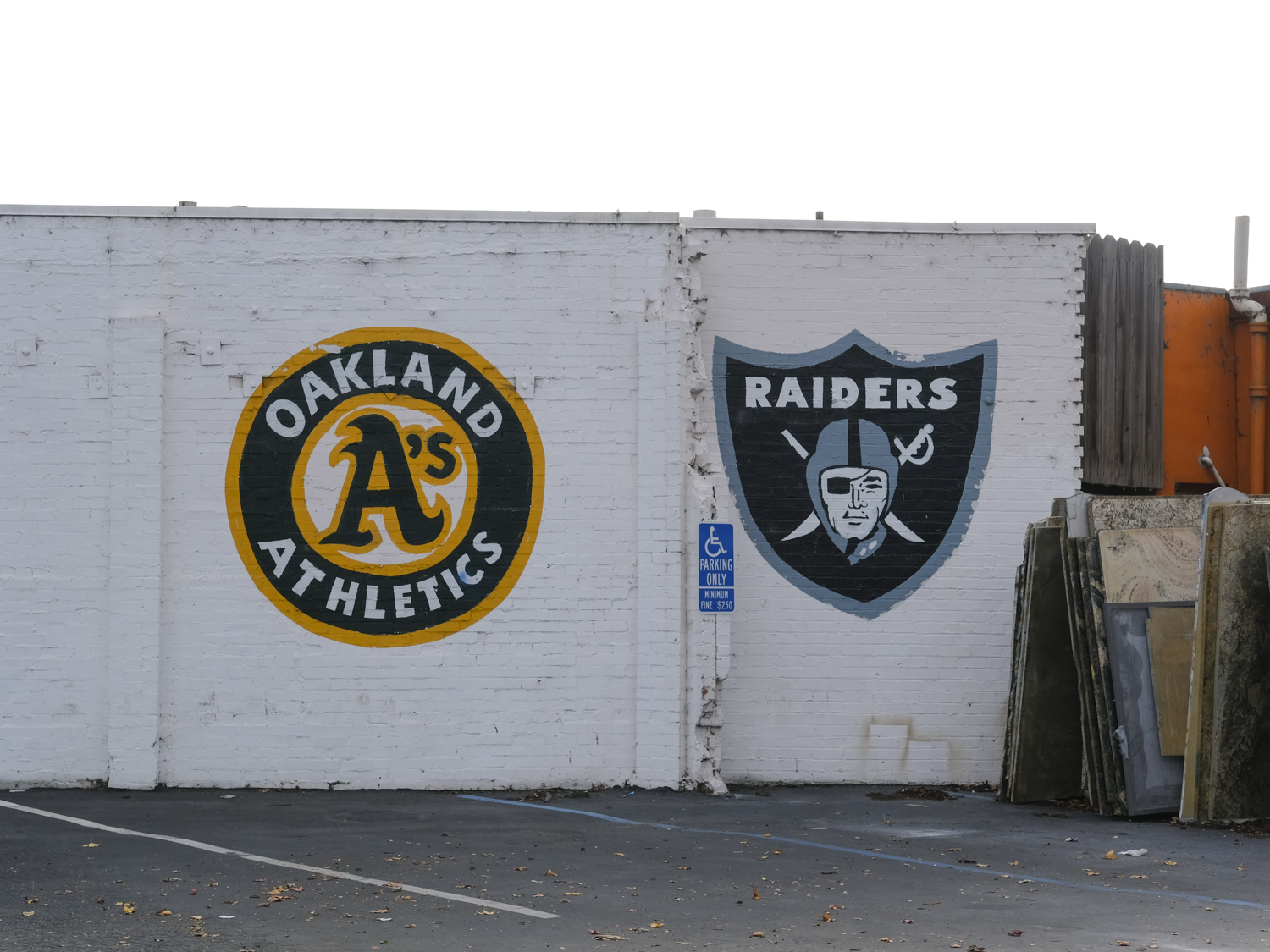
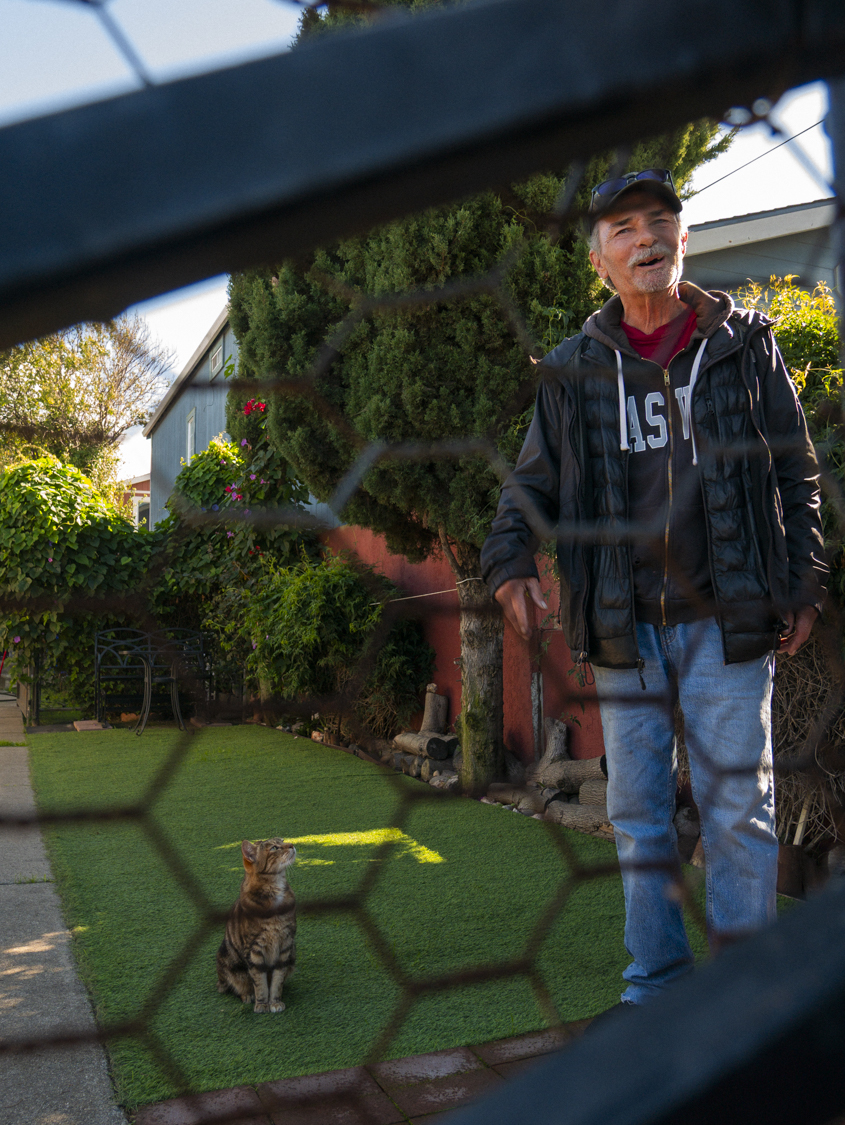
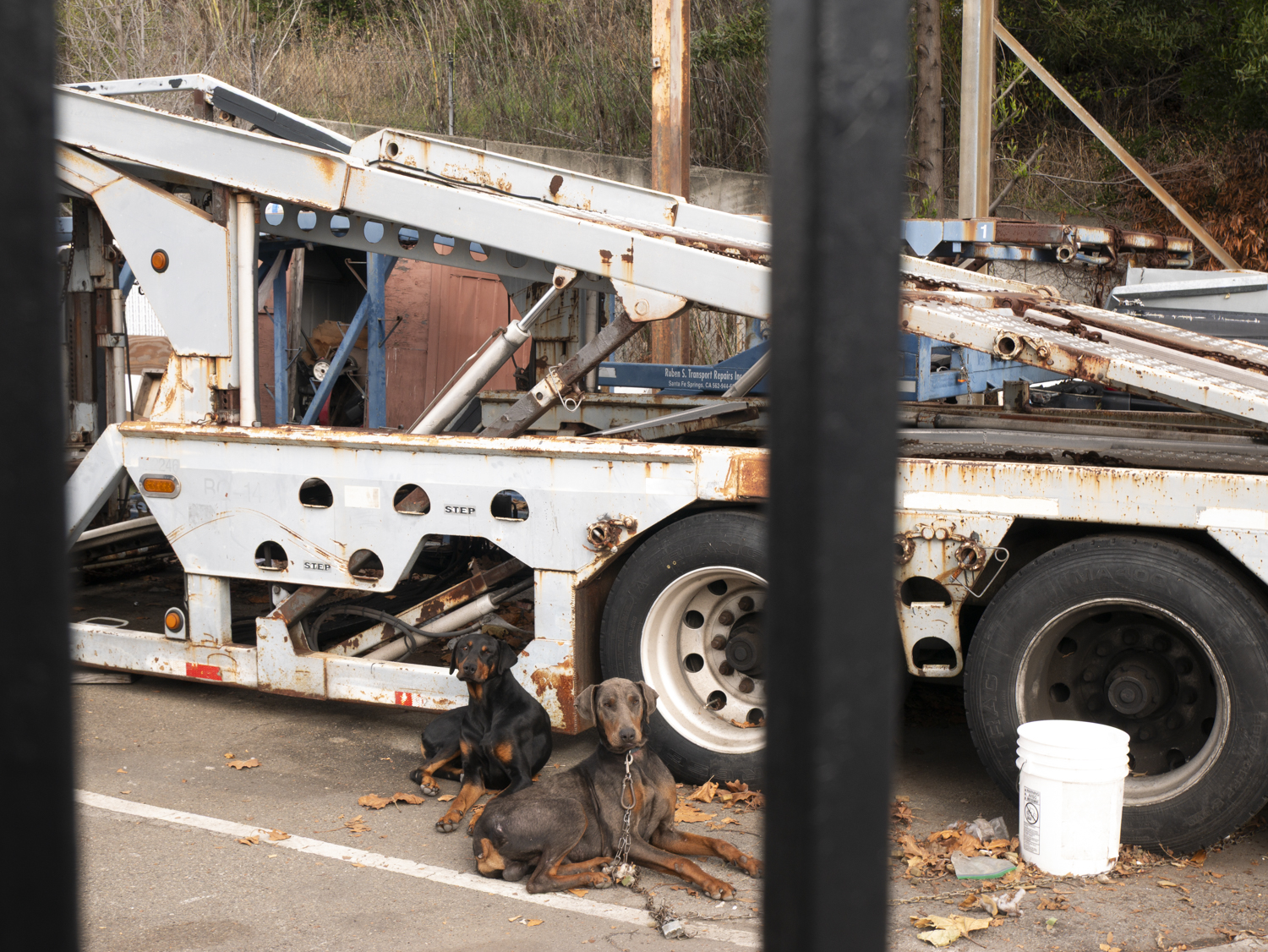
The openness of the diverse communities on San Pablo Avenue to willingly engage in conversation with the class is memorable. Individuals frequently exhibited genuine curiosity and eagerness to share their biography, followed by deep appreciation for the general objective of the project “On San Pablo Avenue” which is to legitimize the qualitative experiences of members in the geographical region. The sequence of photographs I have produced and curated seek to fortify these lived experiences. I was particularly drawn to capturing the daily activity and movement that is ostensibly routinization, yet carries profound significance. From a photograph of a woman protesting the Trump administration in Albany, to a portrait of a working-class man who has resisted efforts to displace him from Oakland, to images that highlight how individuals of different identities regularly encounter one another in the streets, these works collectively capture the complex character of daily life on San Pablo Avenue. This photographic sequence reveals how seemingly mundane scenes possess a unique capacity to reveal the conditions of the enacted environment and the way in which communities along the avenue consolidate their presence through activism, local business ownership, resource exchange, street art, and other practices.
My own experience in participating in the “On San Pablo Avenue” project has led me to rethink and challenge the hegemonic logics and epistemological foundations of academic research, in particular geographical scholarship. My body of work frames San Pablo Avenue and the lived experience of individuals through a new and non-traditional environmental justice framework. It is not one that constricts environmental justice research to merely understanding the past and current issues within the natural and built environment, but one that brings notions of placemaking, mutual aid, and visions for formal futures to the fore.
Acknowledgements
I would like to thank Joel Wanek for his invaluable guidance throughout this course, and I extend my gratitude to my peers for their intellectual insight and unadulterated support. I dedicate this project to the East Bay.