





In Limbo: The Materialities of San Pablo Ave
by Mishel Tachet
Dorien Massey’s work on place as an entity that is constantly being constituted and has no strict boundaries has been a guiding principle for me throughout this process. A place is not something just out there, nor does it have a fixed identity, but is associated and made up of various actors who have created relationships with it over time. Similarly, the concept of wayfinding, as described by Tim Ingold, helped orient my understanding of what it means to traverse San Pablo Avenue. For Ingold, wayfinding is the unfolding practice of engaging with a particular landscape that is not confined to simple starting and end points. To travel from one space to another is to downplay the very small interactions in between, in which one is affected and affects the various actors one comes across. To wayfind is to constantly negotiate with space and time. For me, this helps encompass the practice of walking along San Pablo Ave that is not simply dictated by where we begin and end, but the small interactions that lead us in various directions along the way–-the glinting of a window that catches my eye, the small shops filled with products from across the world that warrant exploring, the friendly and shy cats that become paramount to greet, and the faces along the way who welcome or steer clear of our lens that attempts to take stills of this world we inhabit.
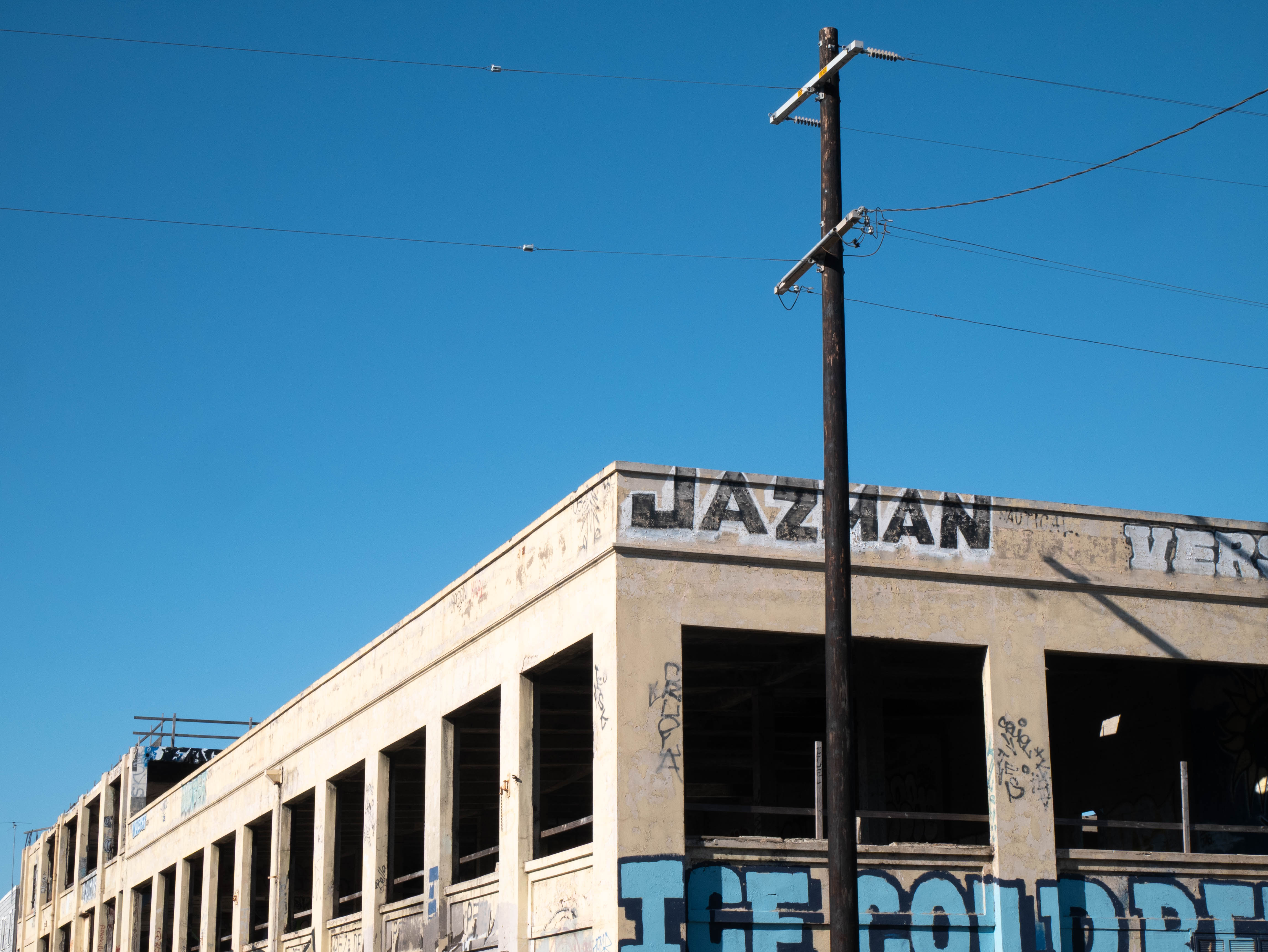
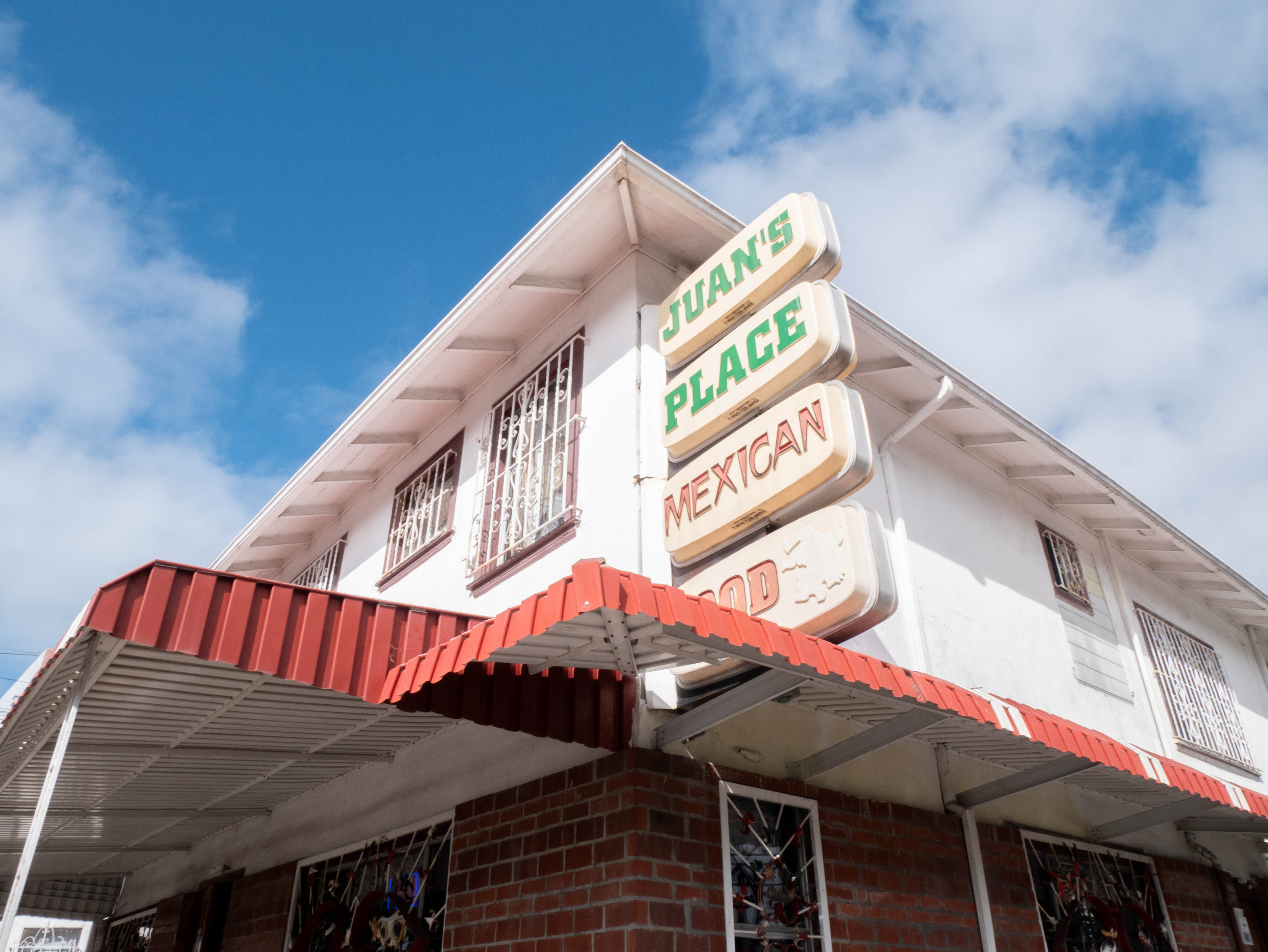
Walking along San Pablo has revealed a kind of microcosm of both change and steadfastness within the Bay Area. There is an uncanny feeling walking through certain parts of San Pablo, such as Emeryville, where the commercialisation of the street feels hollow and strange. These large, nameless buildings, paired with small shops that are still thriving and store fronts that seem to have been closed down for years creates a kind of emotional whiplash. Walking along the entirety of San Pablo Avenue, I am struck by the various differences that occur even just a few cities over. It is clear that certain cities have taken varying approaches in terms of responding to urbanization, as well as the ongoing impacts of gentrification. Some examples come to mind, such as the kind of flattening factor that Emeryville has taken by pursuing a commercialization and “modern” (and perhaps charmless) aesthetic, whereas we see the city of Pinole actively engage in preserving its “Old Town” aesthetic, even in new builds. There is also a stark difference in cities that are car oriented versus public transit geared, such as Berkeley or Oakland in which coming across people walking along the street is common, whereas in El Cerrito there was noticeably less interaction with walkerbys.
The act of taking a picture often comes with an association of preservation, or perhaps an attempt to capture the true essence of something. However, photography as used in this class, is rather a tool to capture the various relationships between land, place, humans, and more-than-humans that become readily available to us through the act of walking. For myself this was a sensory practice, in which I was attuned to the ways the landscape interacted with me through these sensations, and listening to the land in ways that prompted curiosity and wonder were what I gravitated towards capturing. I took very seriously the kinds of affects that I created with various structures and compositions and leaned into these particular feelings.
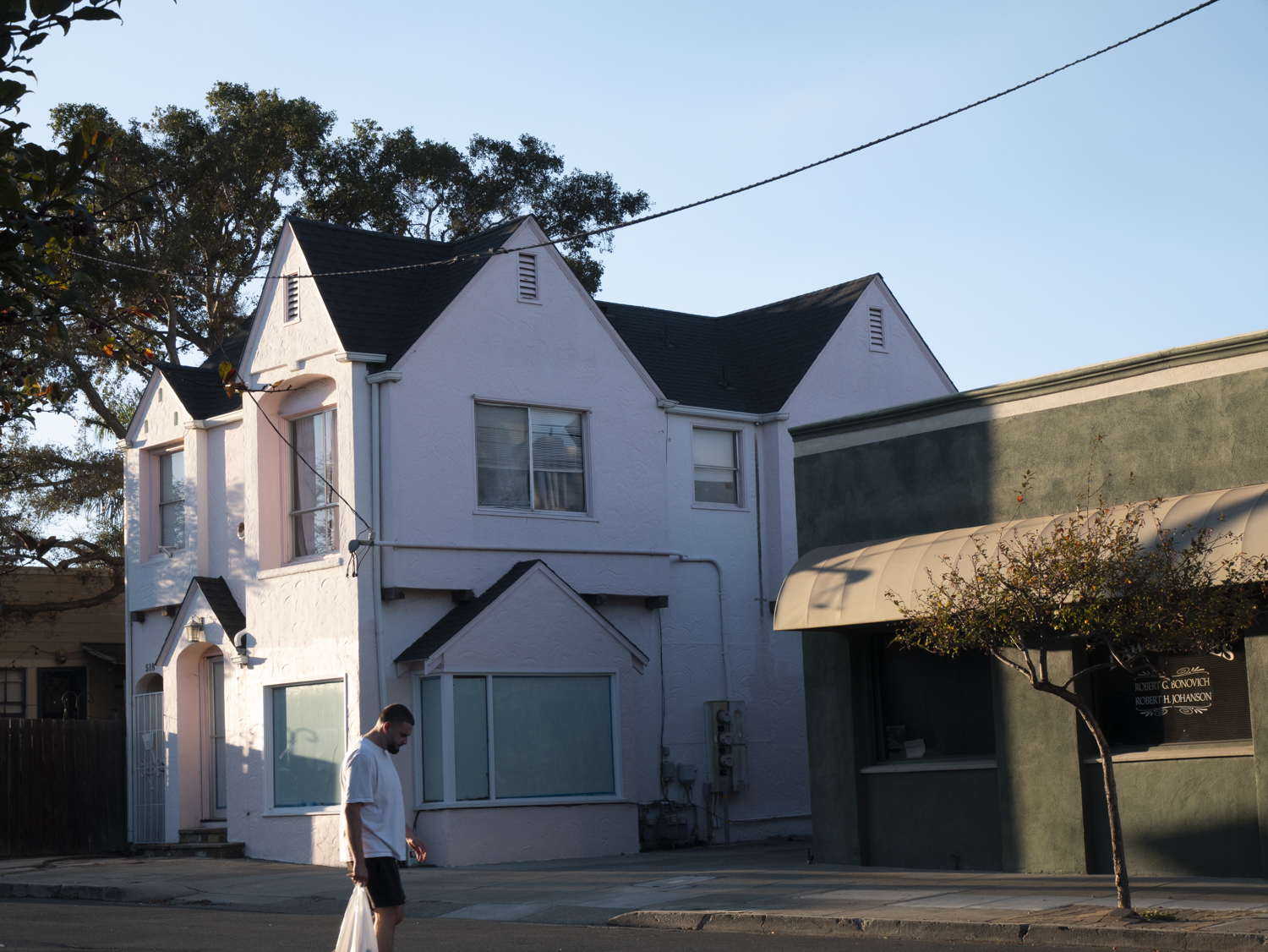
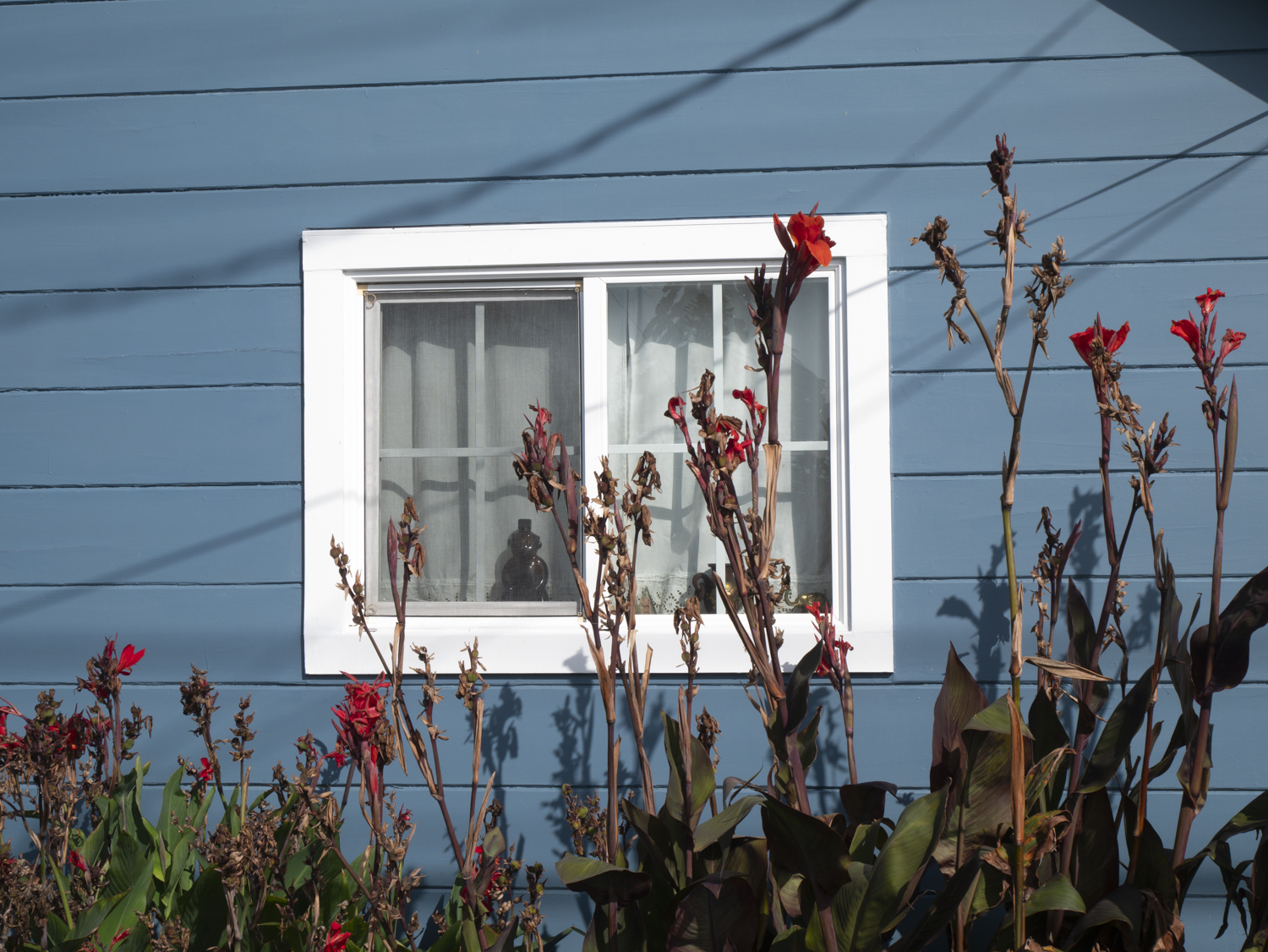
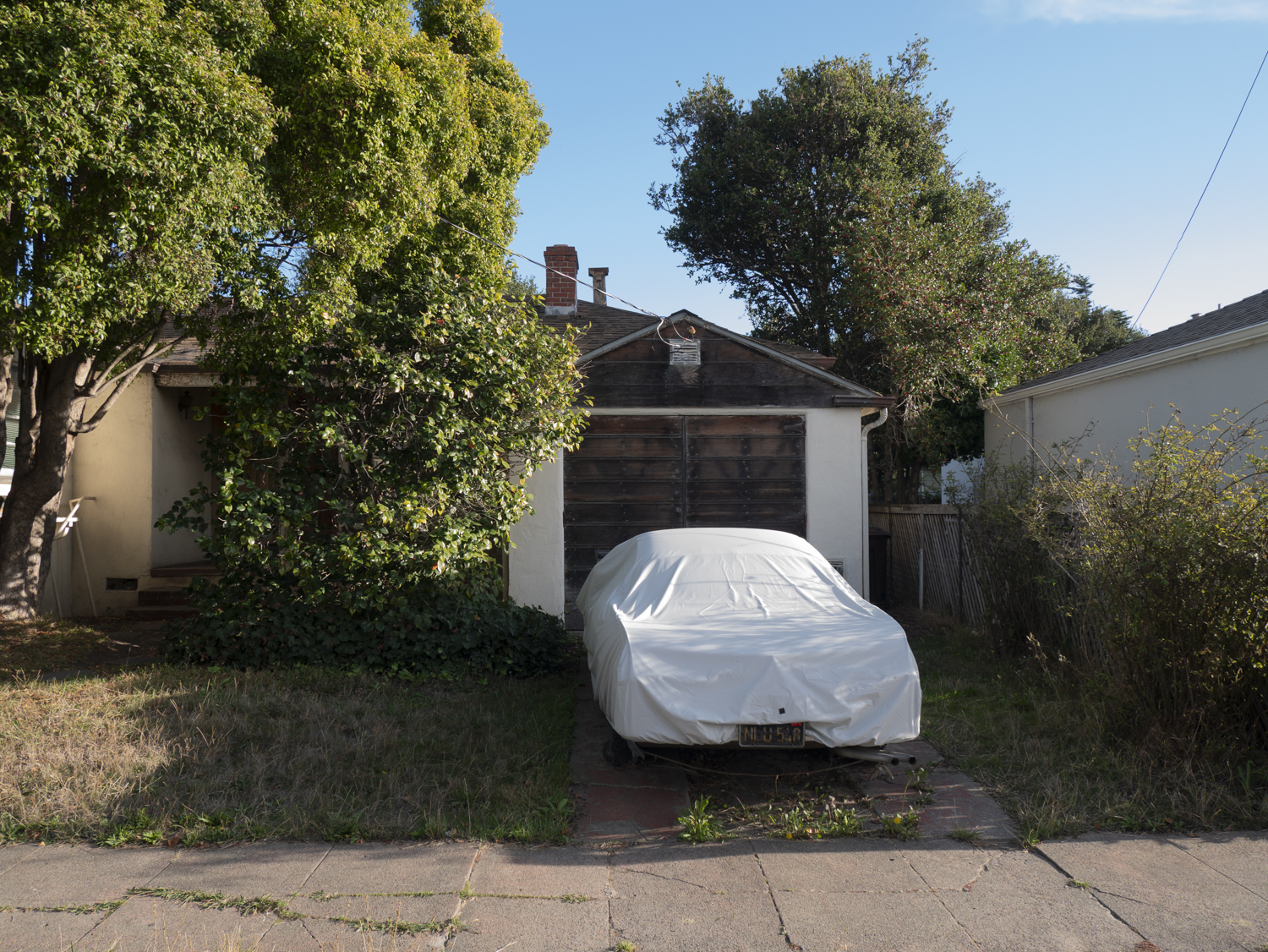
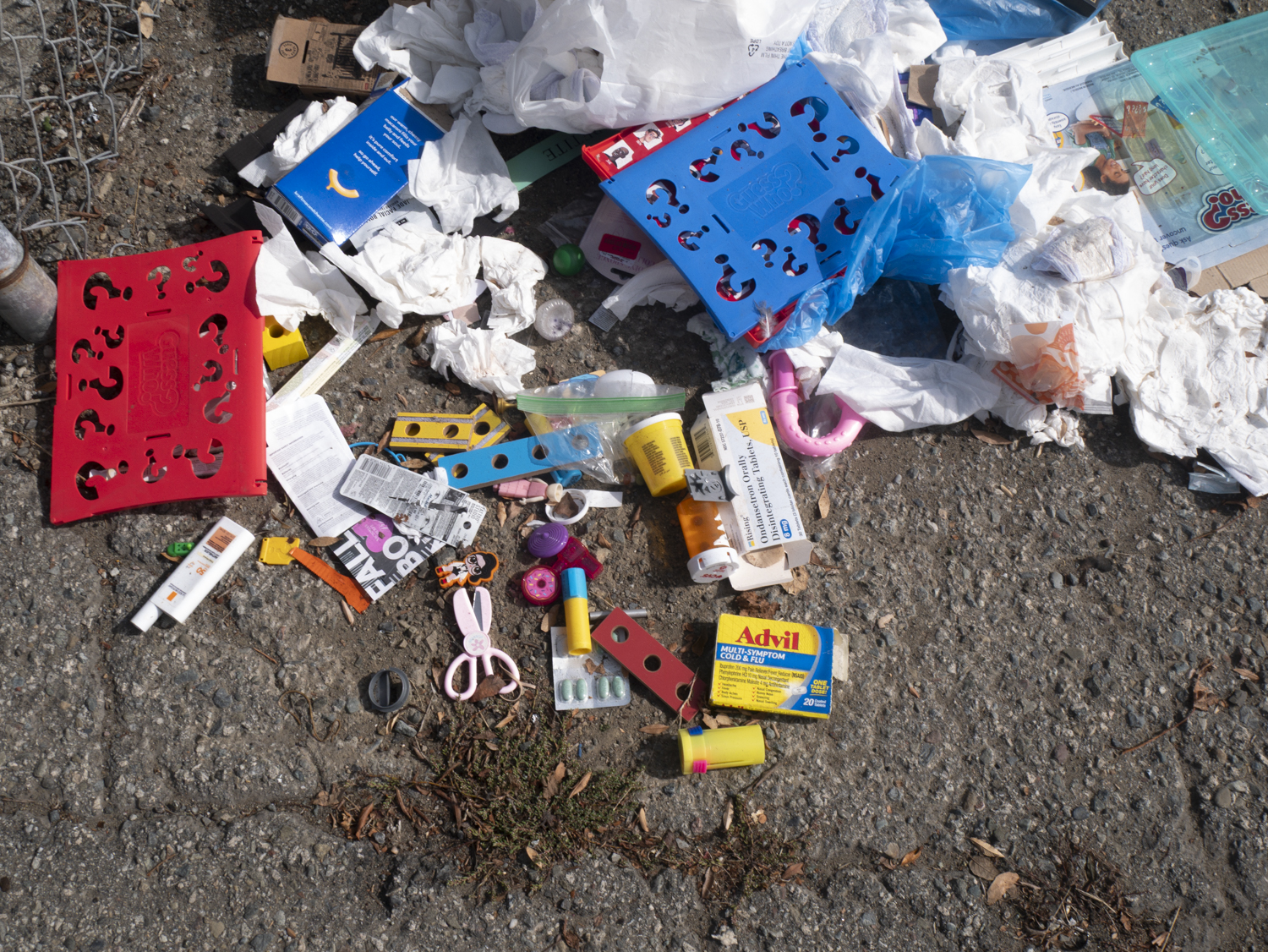
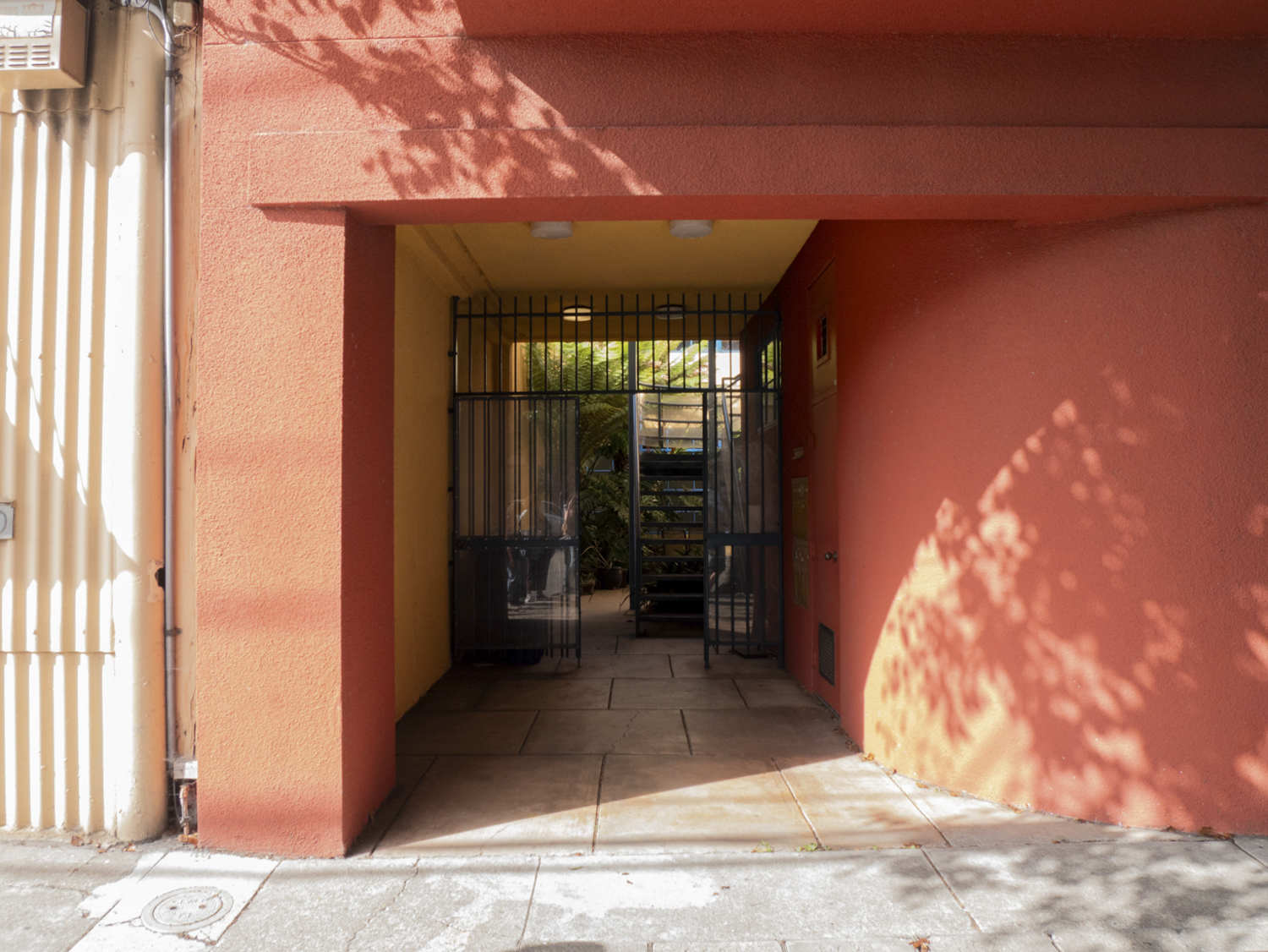
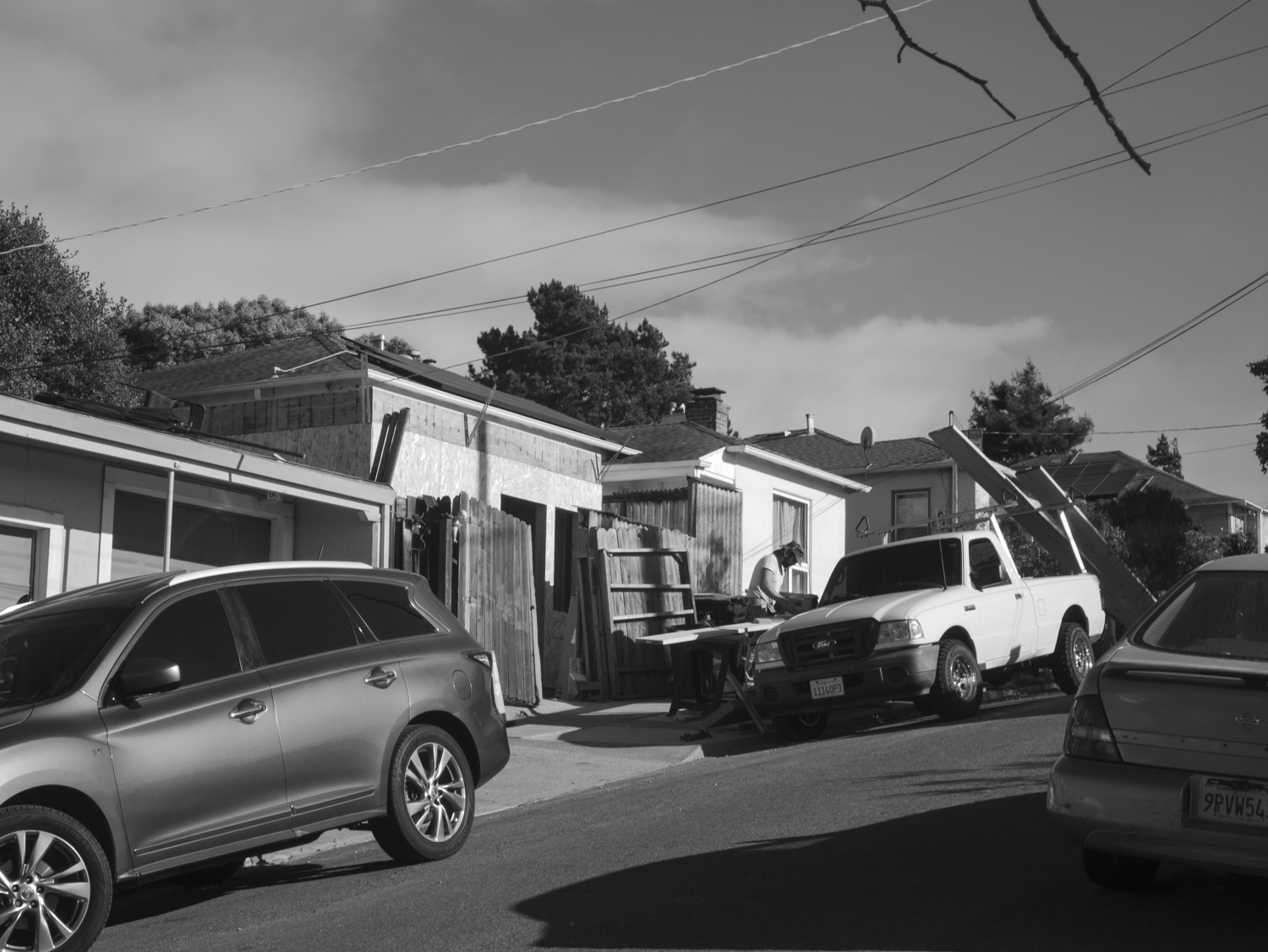
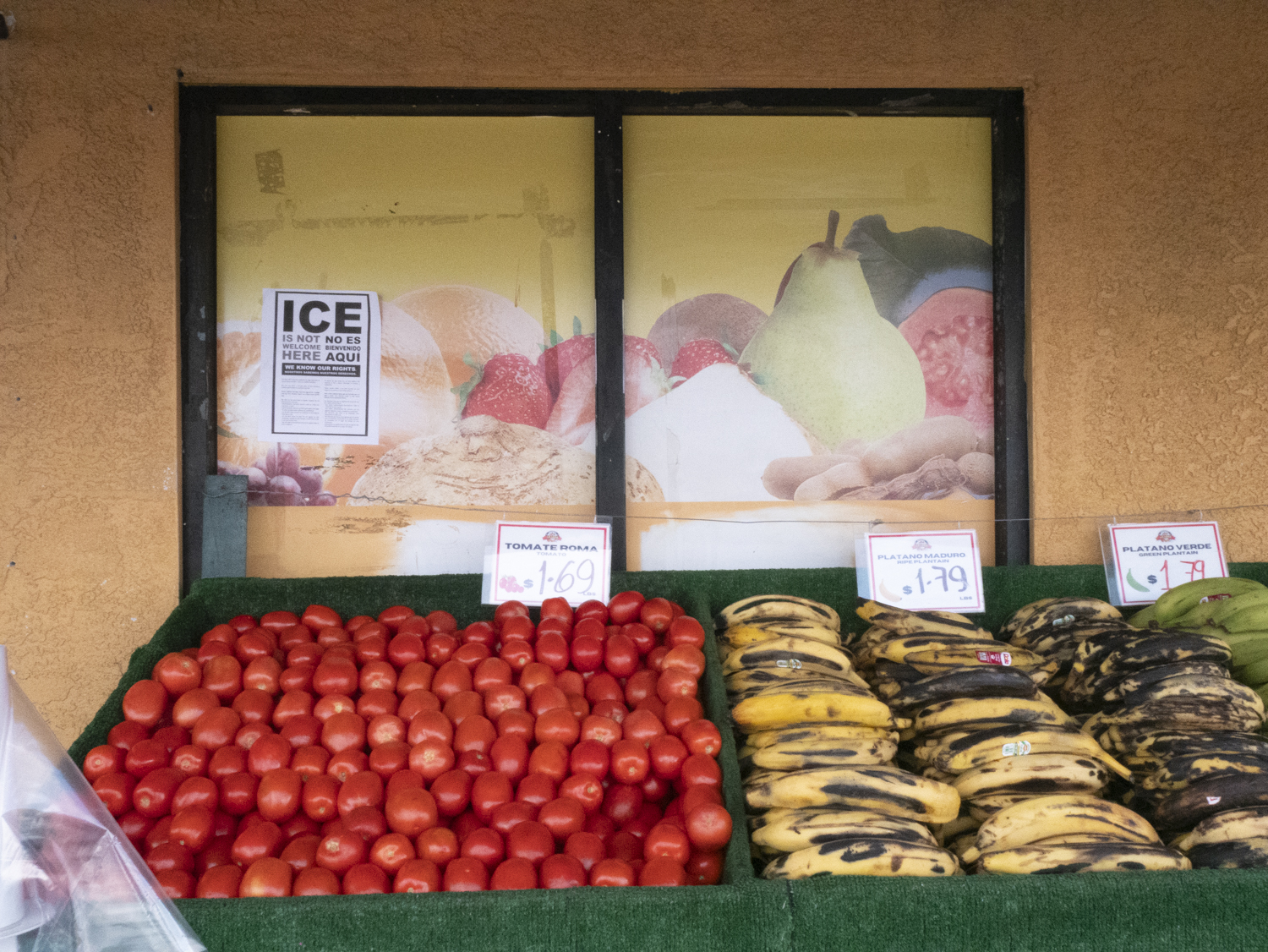
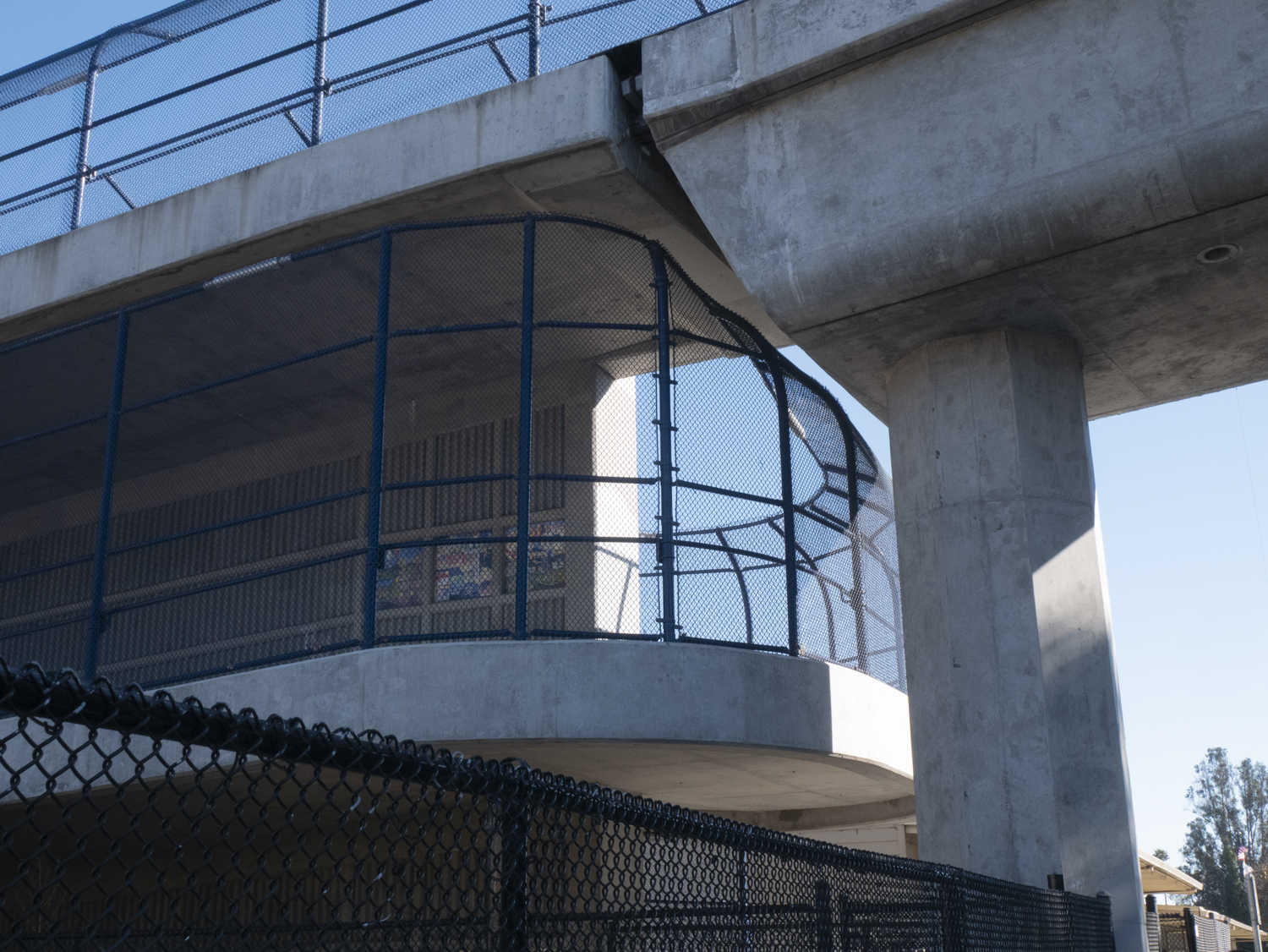
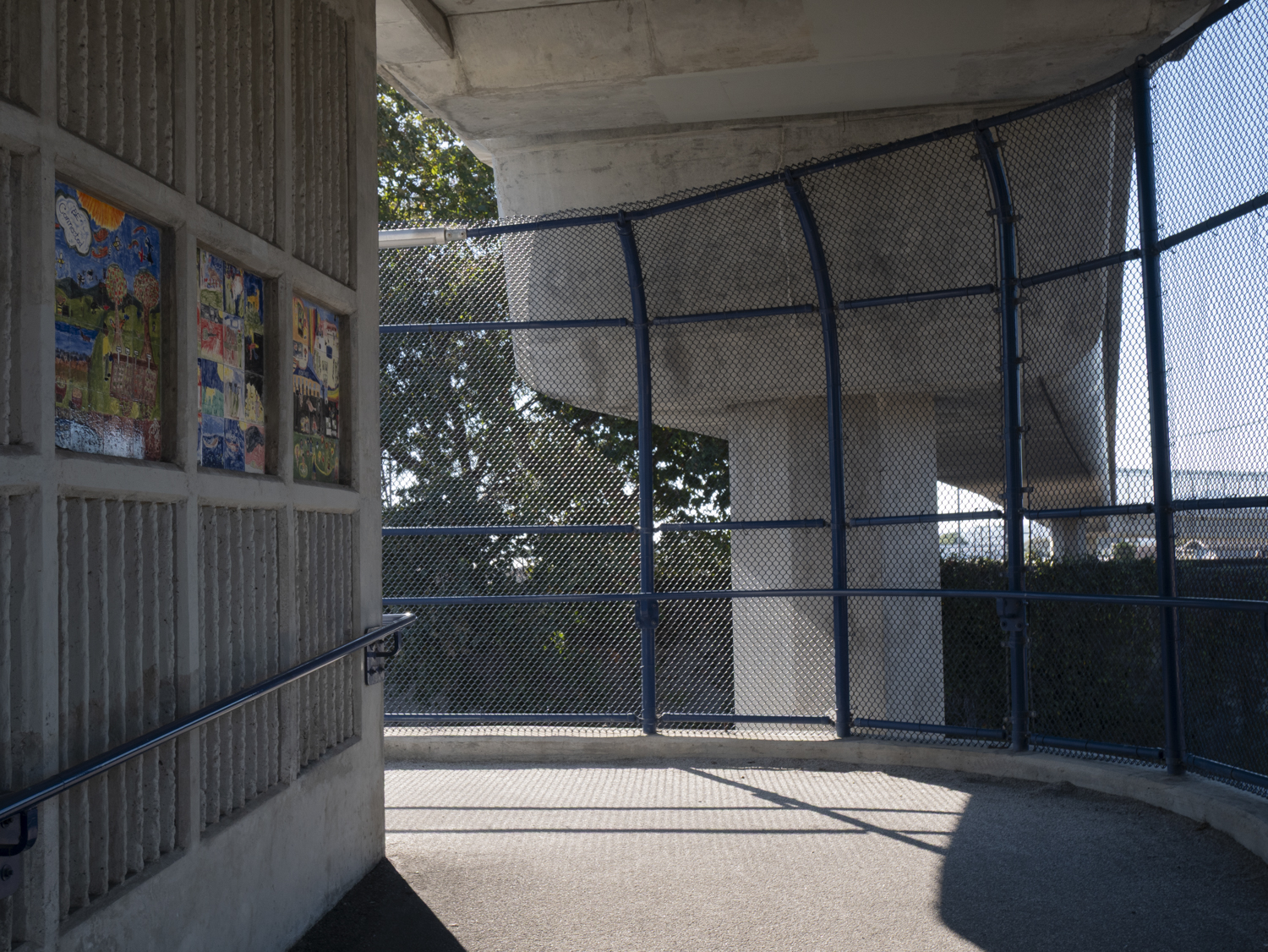
I noticed that my initial interests were in the ways that structure existed along the avenue, namely in the ways buildings and homes appeared within the landscape. I was drawn to the materliaties of San Pablo Ave, both human and nonhuman. Through this I began noticing patterns of juxtaposition, in which I was capturing something both vibrant and decaying, cities that existed on multiple spectrums in which boarded up buildings and ambiguous new builds were paralleled with longstanding small business and physical remnants of resilience. I have since been interested in capturing the spirit of that tension that exists in the space, attempting to capture something in limbo. In my final photos I am showcasing the various things we can learn from the material of the built environment itself, such as the state of houses and sidewalks, the level of erosion and wear, or the clean and smooth lines of newer builds.
Photography as a practice was at times difficult for me, as I learned to negotiate between managing the apparatus’ technical mechanics and the specific feeling I wished to capture. At times this was frustrating, as toying with the exposure or fiddling with the zoom felt like an intrusion to the experience. Yet, with all forms of representation we get as close as we possibly can, knowing that representation is not a replacement for the embodied experience. Instead, it creates its own formation, an entirely new materiality that has the ability to affect and be affected.
Overall, San Pablo has left a lasting impression on me. The changes that are occurring within this street are representative of larger histories of gentrification, commercialization, and community resilience. Ultimately, I know that within several years if I walk this street again much of San Pablo will have changed. This makes walking the stretch of San Pablo bittersweet, as only time will reveal what will remain and what will only exist in communal memories and photographs.