Opal Smith - In Between the Lines
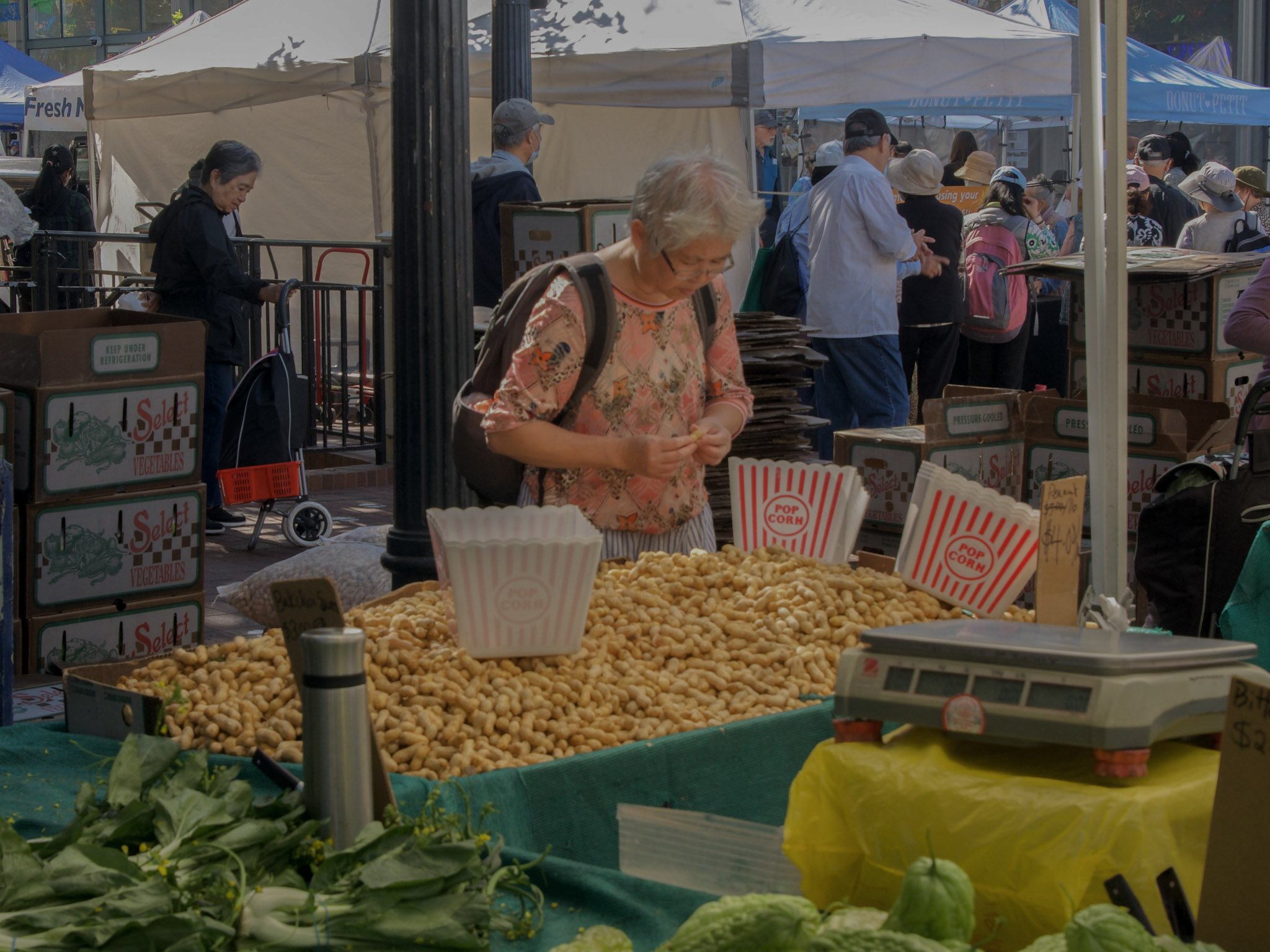
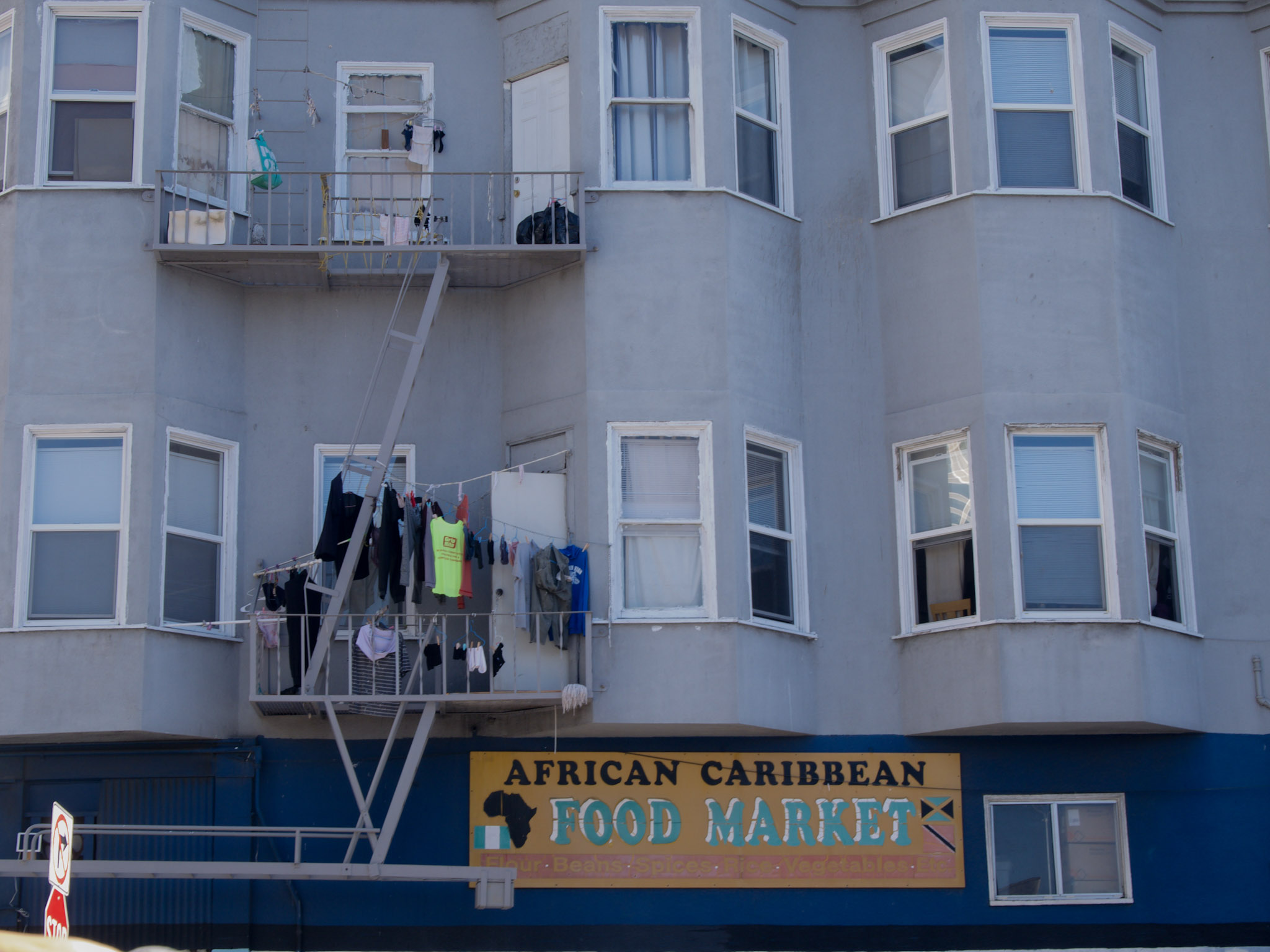
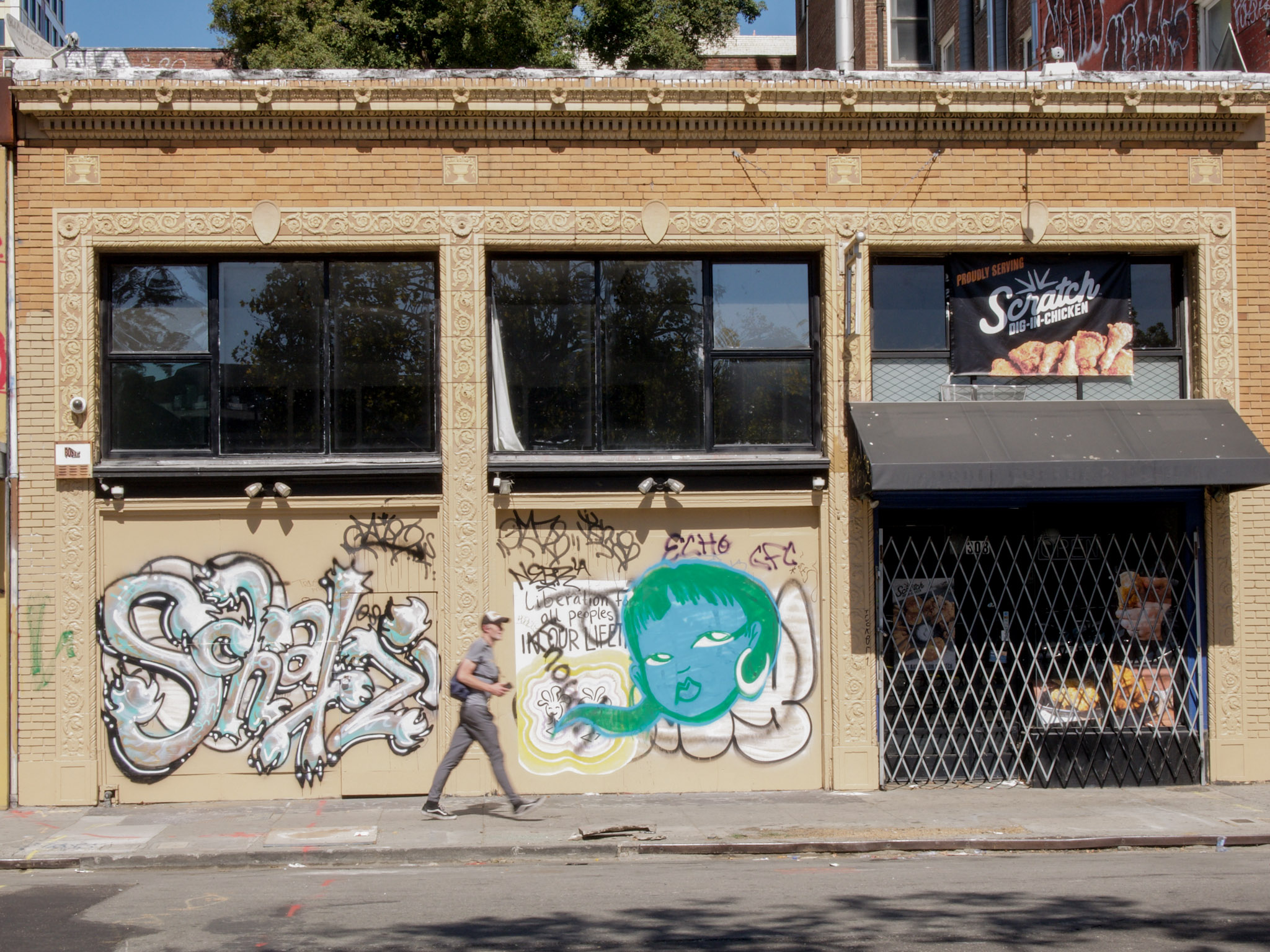
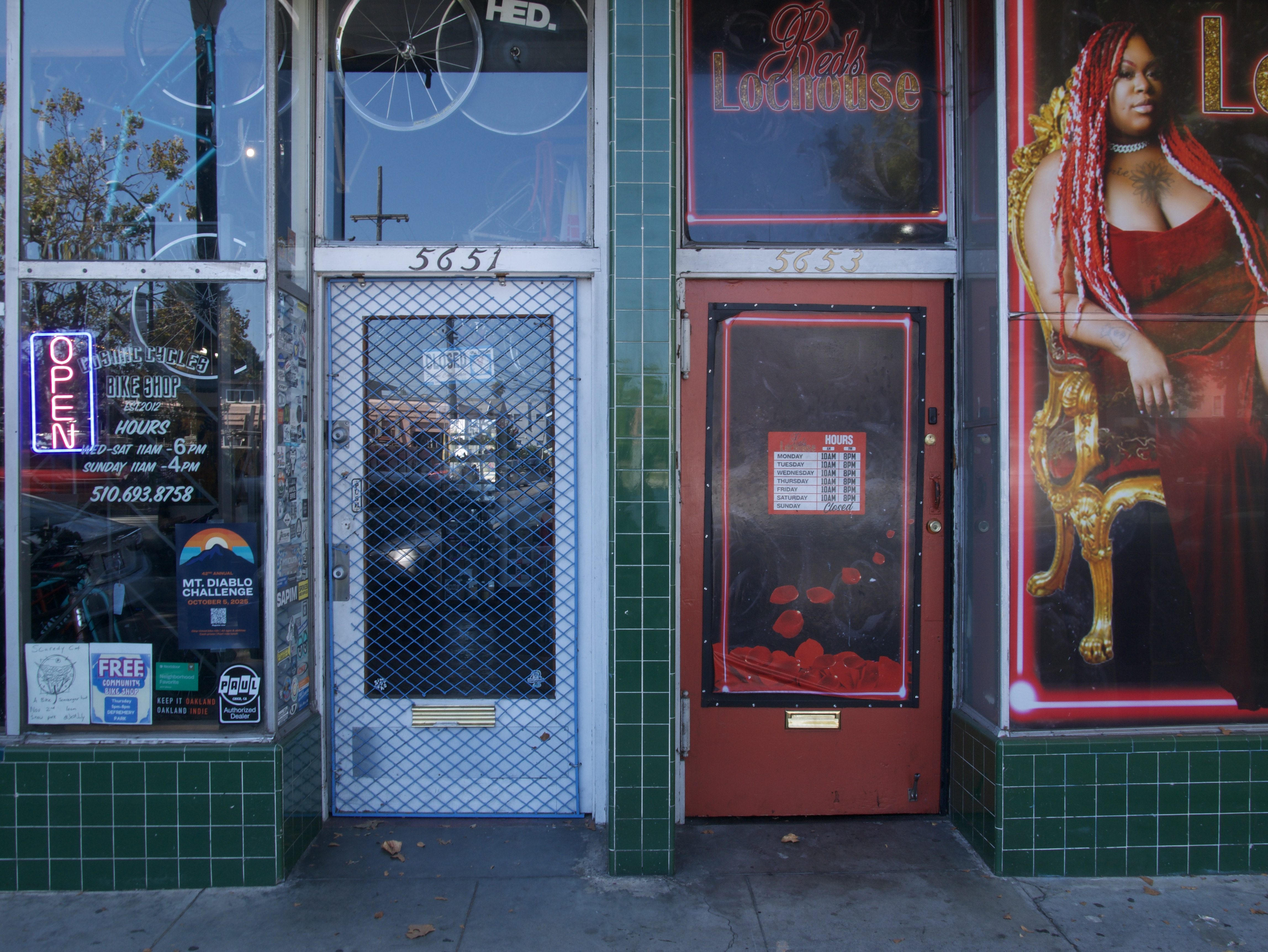
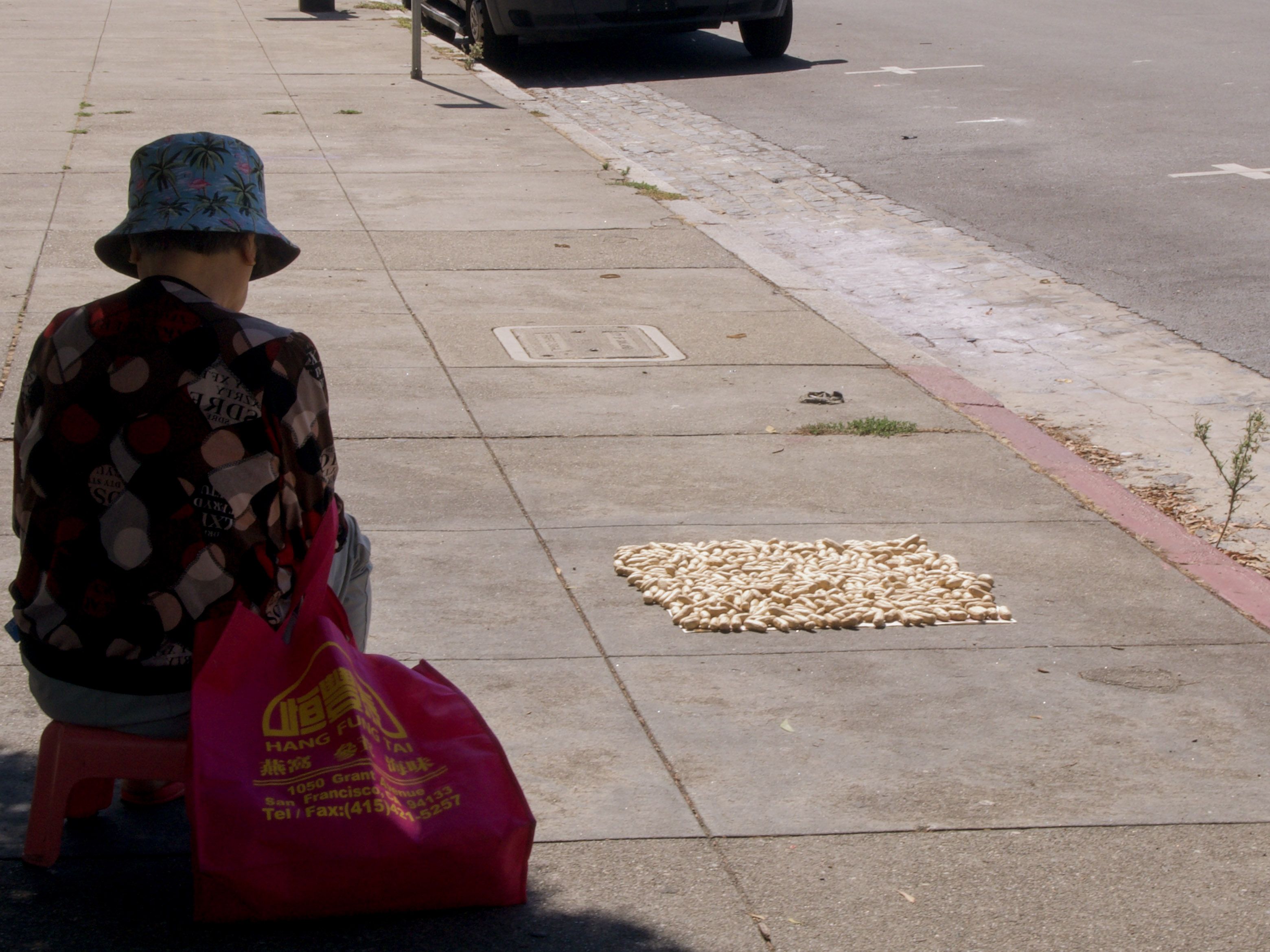
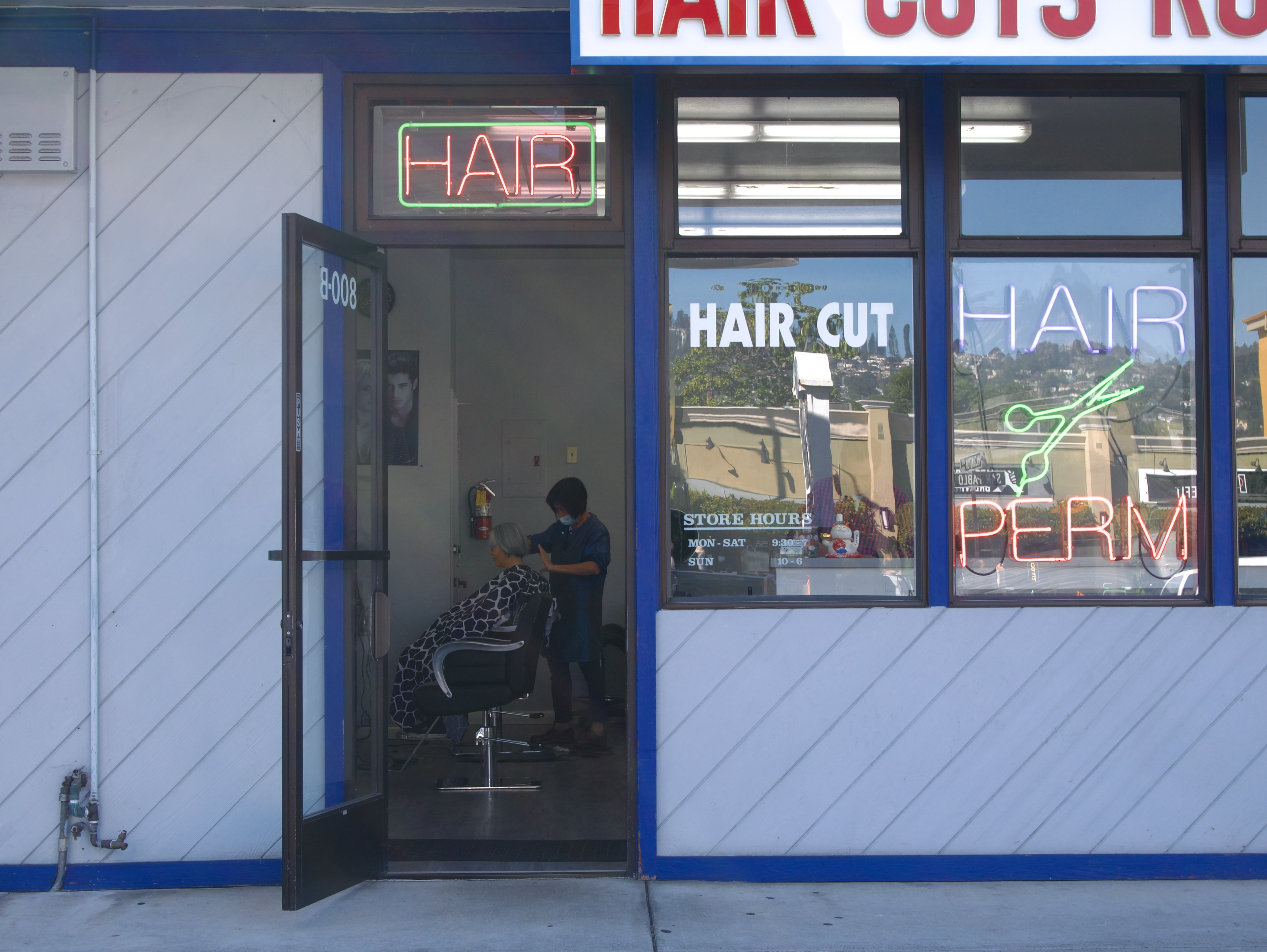
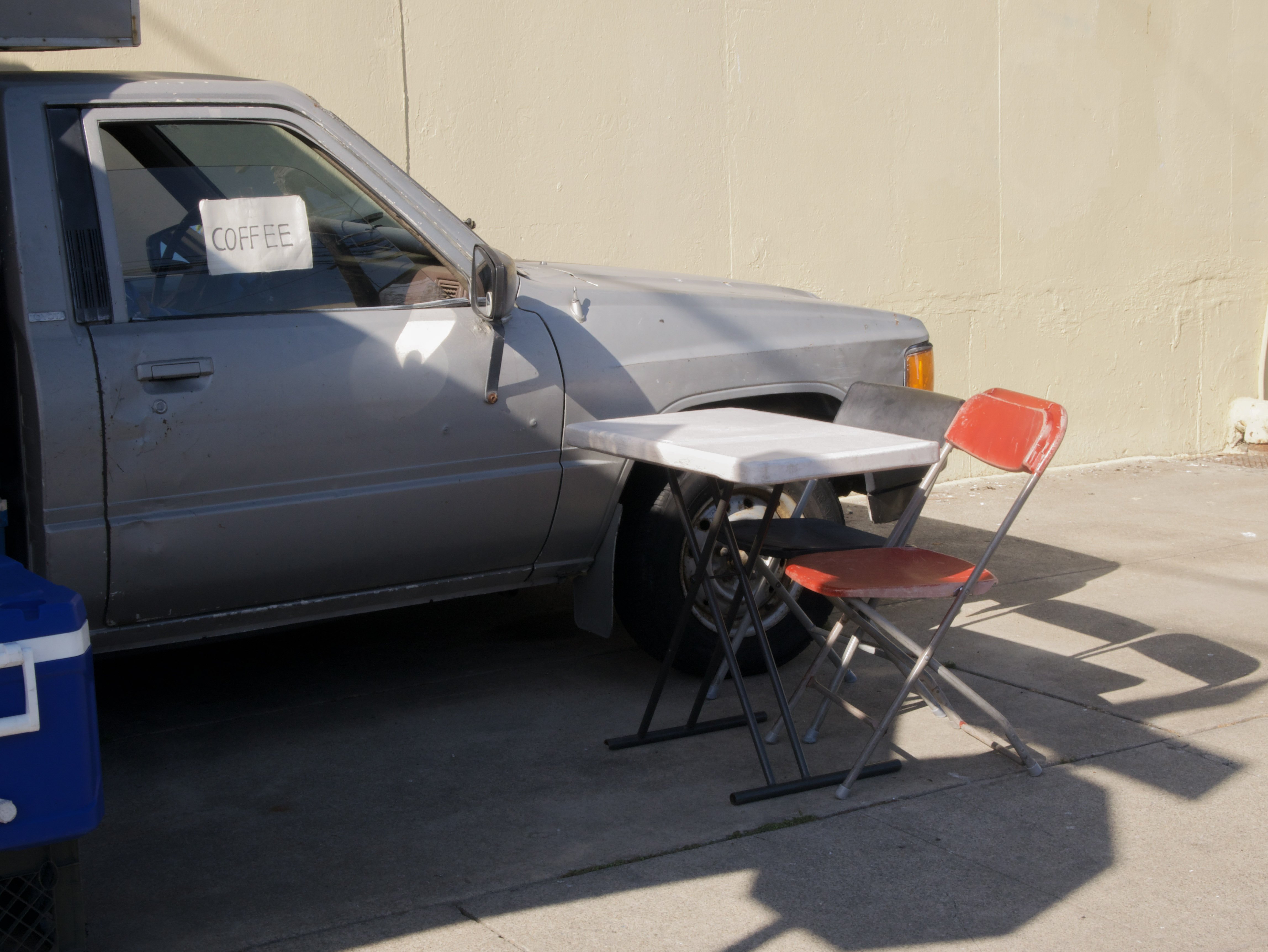
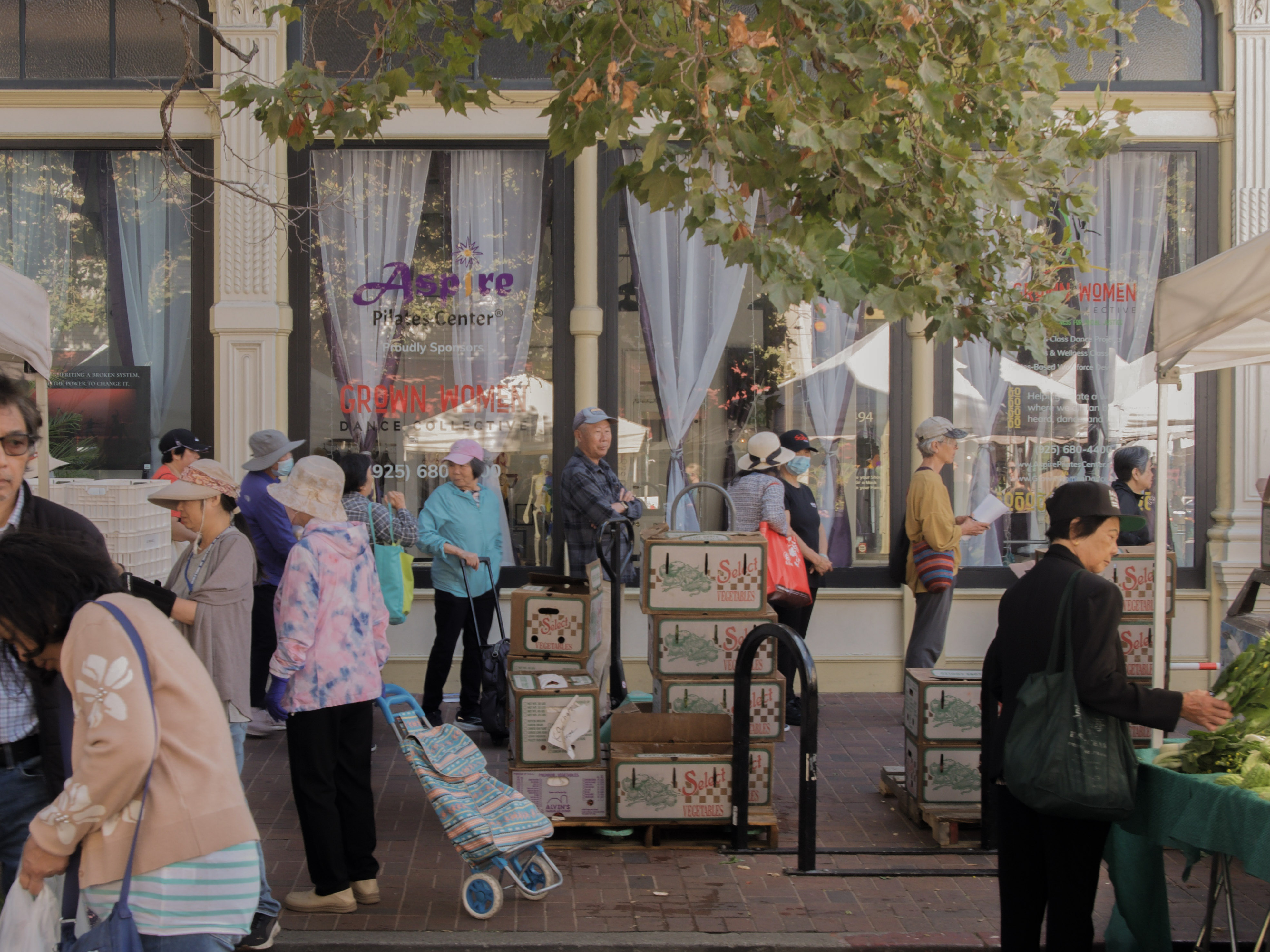
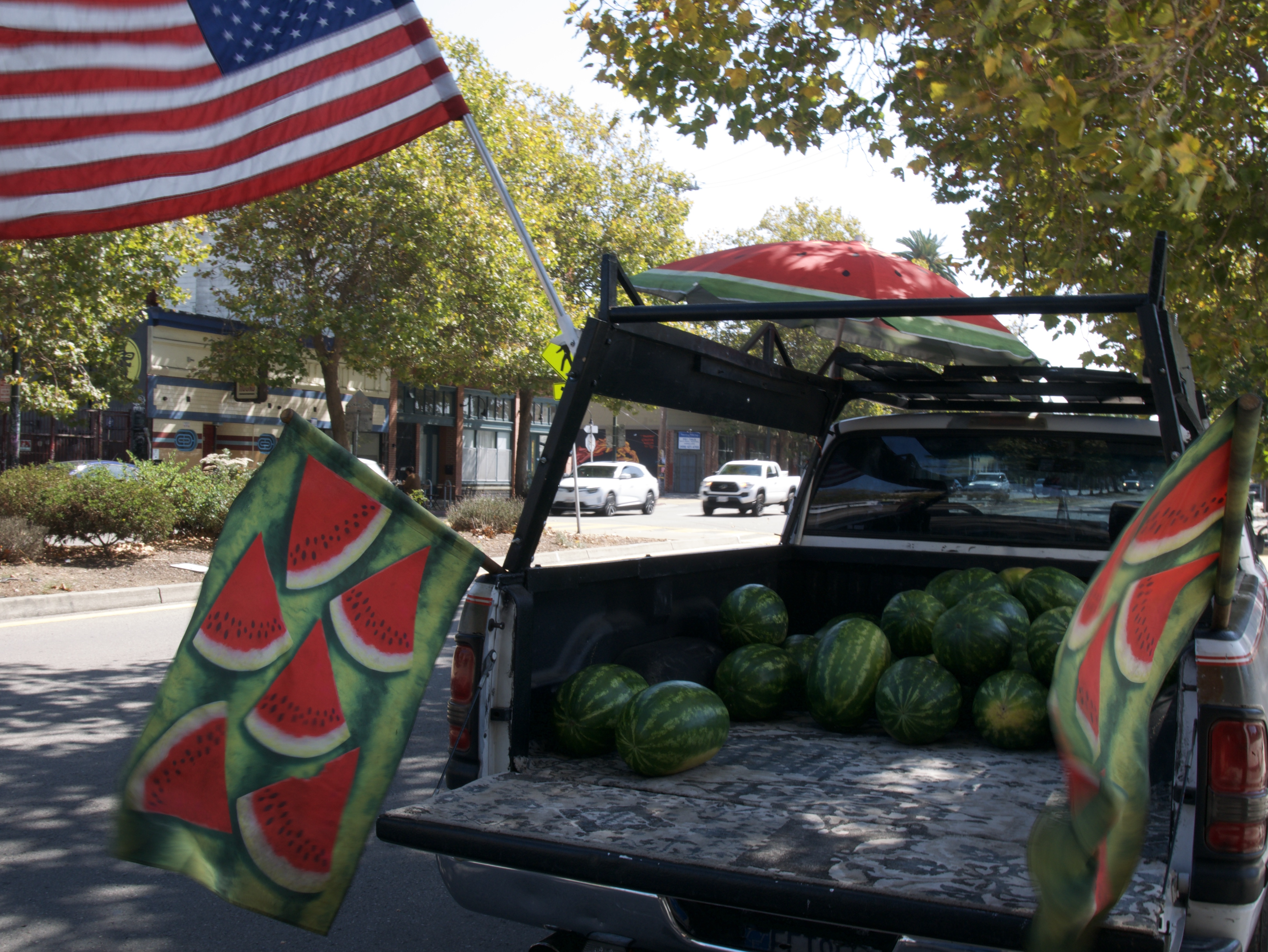
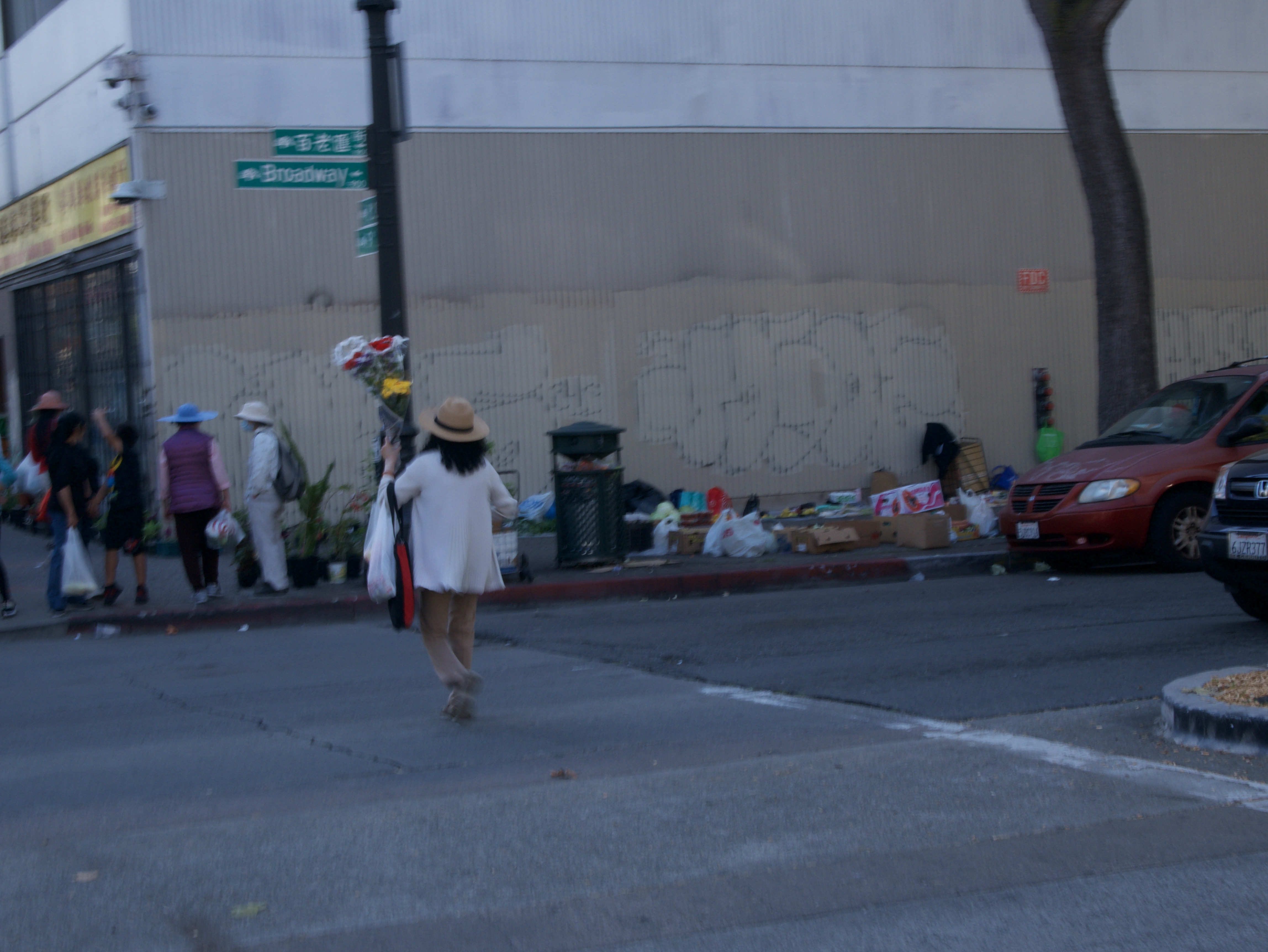
A central theme in my photos this semester is observing local economies and the ways people make a living along San Pablo. My photos follow how money may move in informal economies; someone selling their EBT purchases across from the farmers market in Chinatown, vendors setting up their stalls, and workers heading to service jobs on the bus. Local businesses may have been abandoned and pushed out by hipster coffee shops that are beginning to appear along the corridor. These scenes represent the precarity and hustle that happen on the street, and how San Pablo itself shapes these transactions and disparities. San Pablo, like many urban corridors, is a place where people commute, shop, talk, and wait. I hope my photos attest to this: that the ordinary is never just ordinary. The daily walk, the bus ride, the side-of-the-street sale—all of these are indicators of how San Pablo Avenue holds and reflects the lives of those who move through it.
Who and what does the landscape speak for? What does it say?
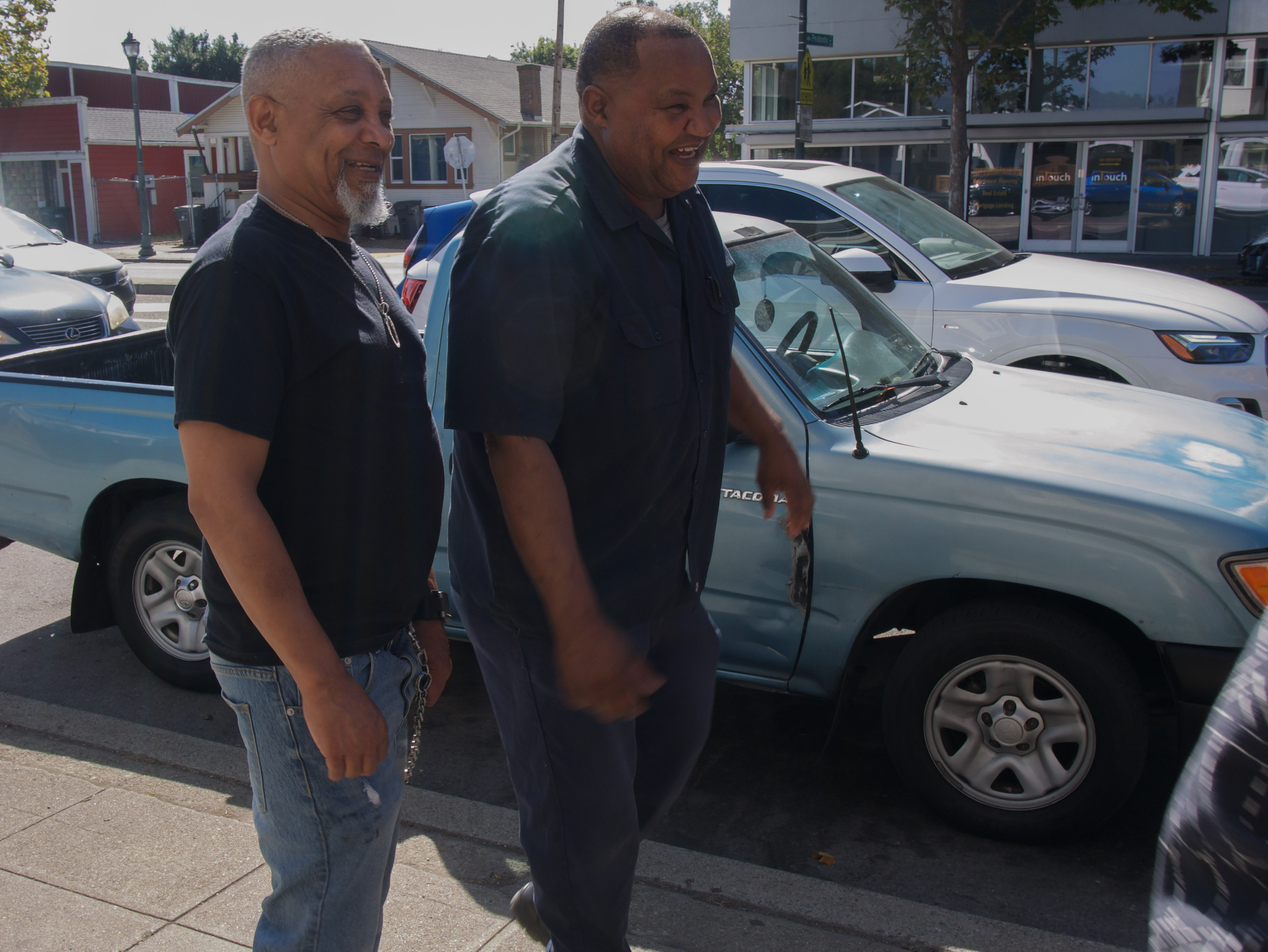
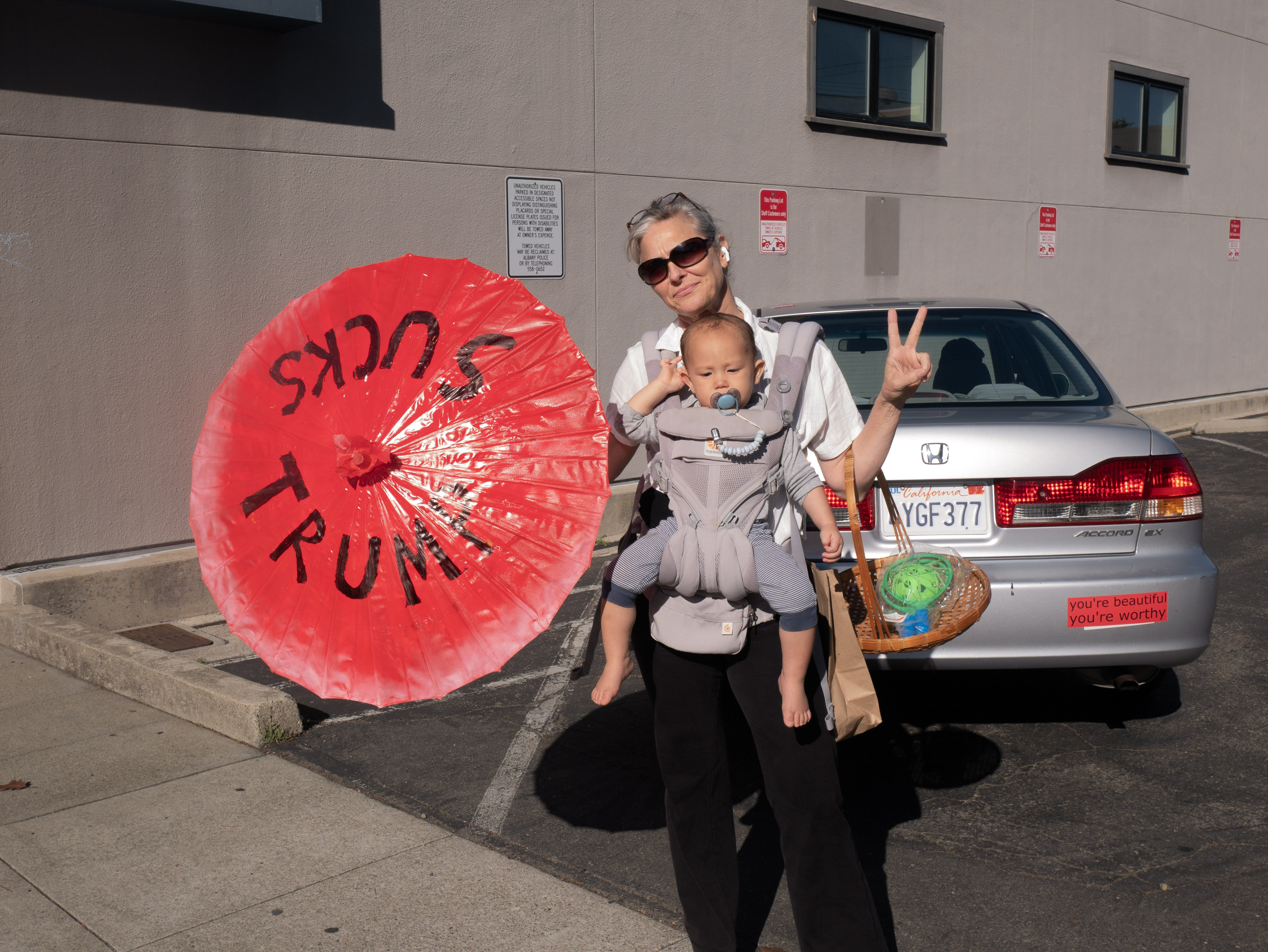
I connect to not only color and composition, but also the objects and people that take up space, and how they take up space. I focused on things that may not be visible while driving or while walking without intentionally looking around. The camera provides a lens, literally and figuratively, to experience the landscape differently. The camera can be the connection between other people and me, helping me tell you a part of their story.
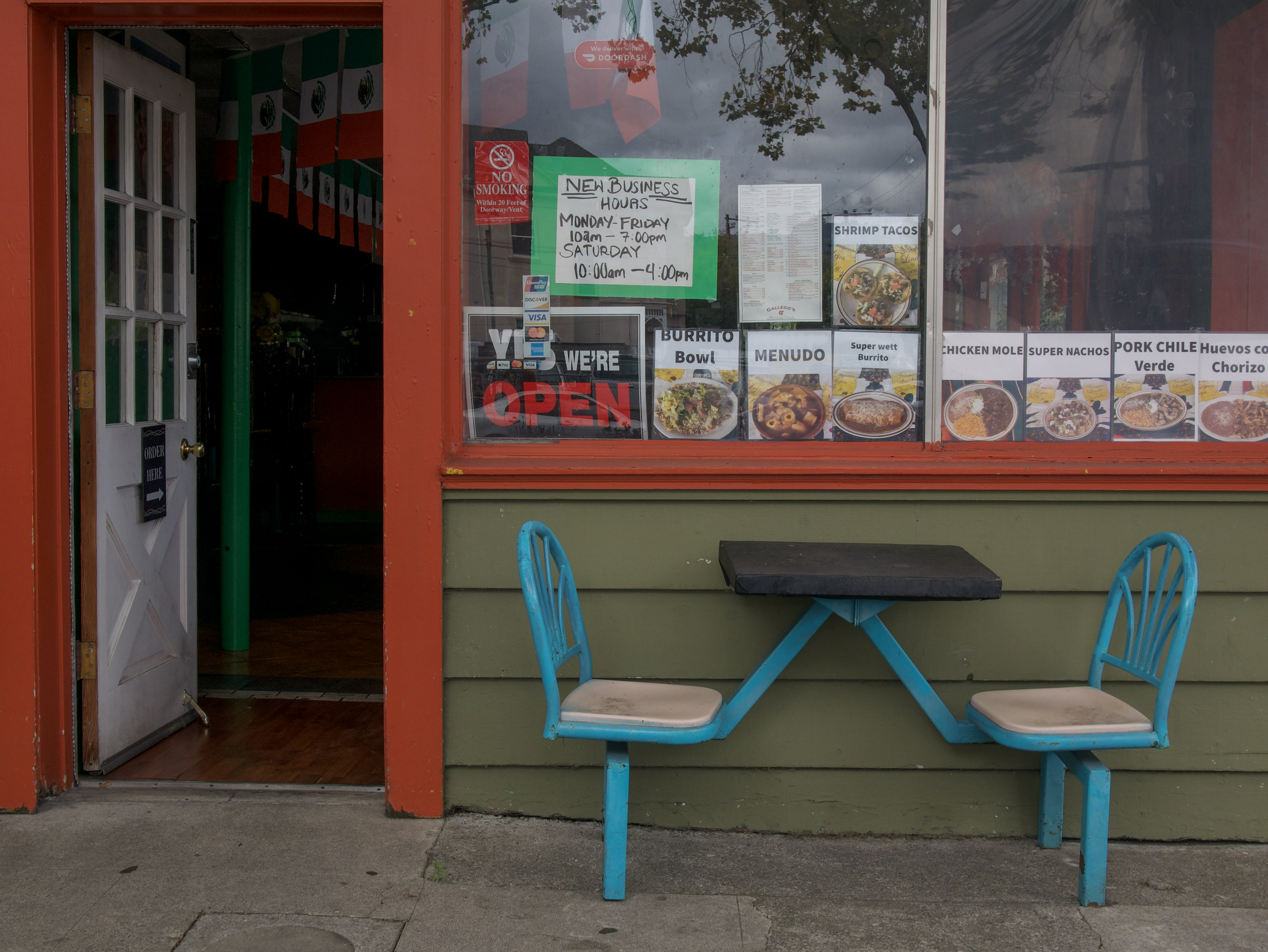
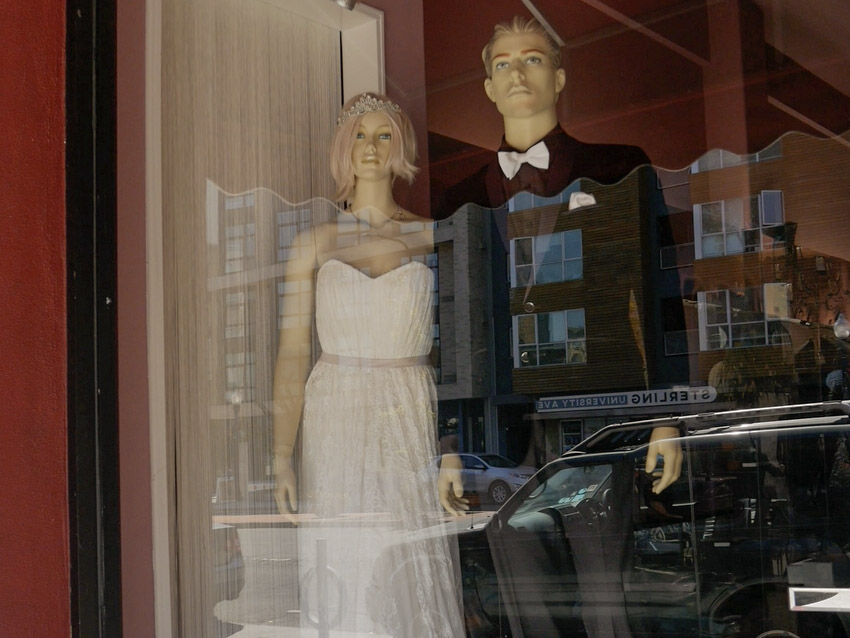
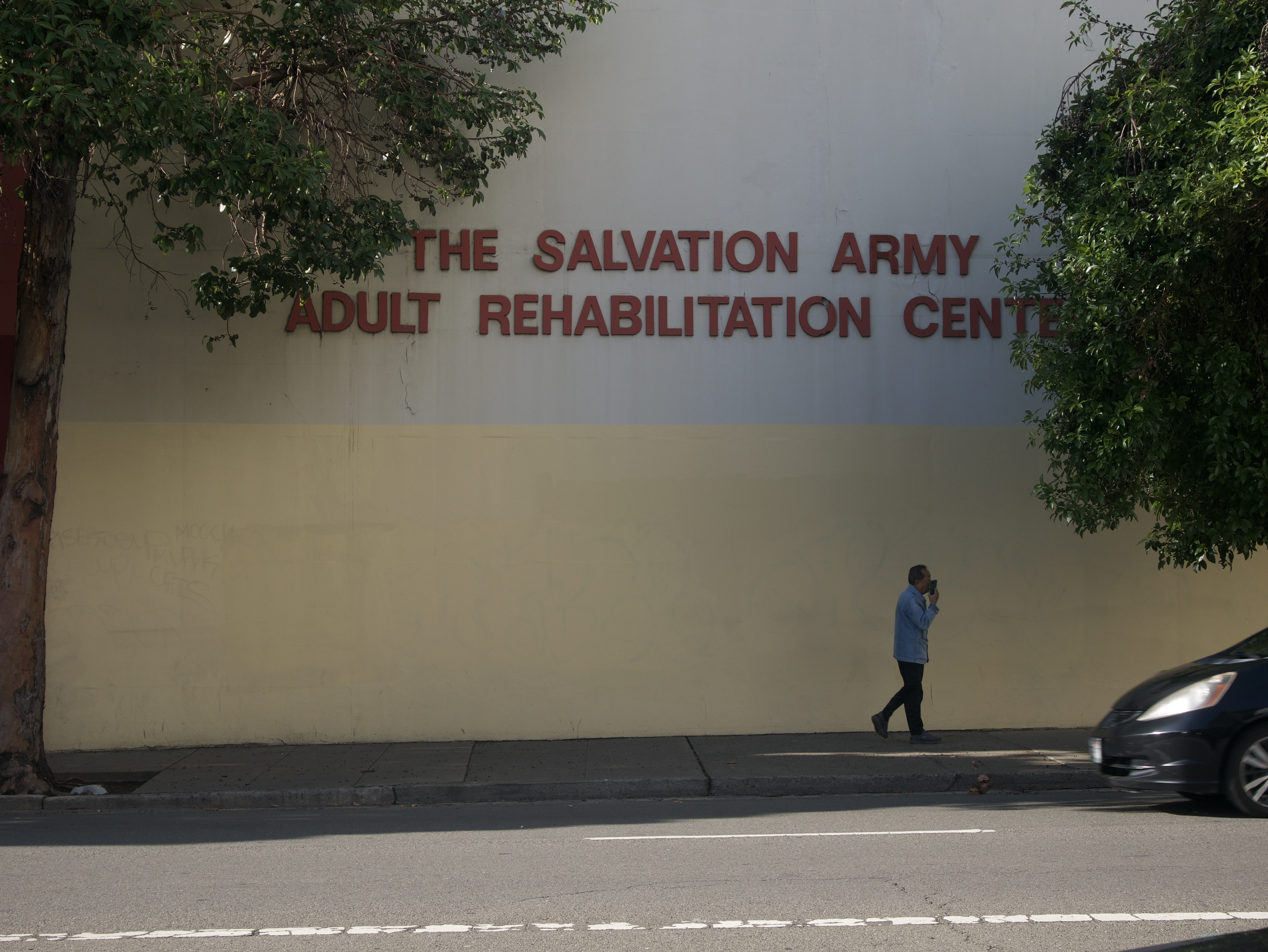
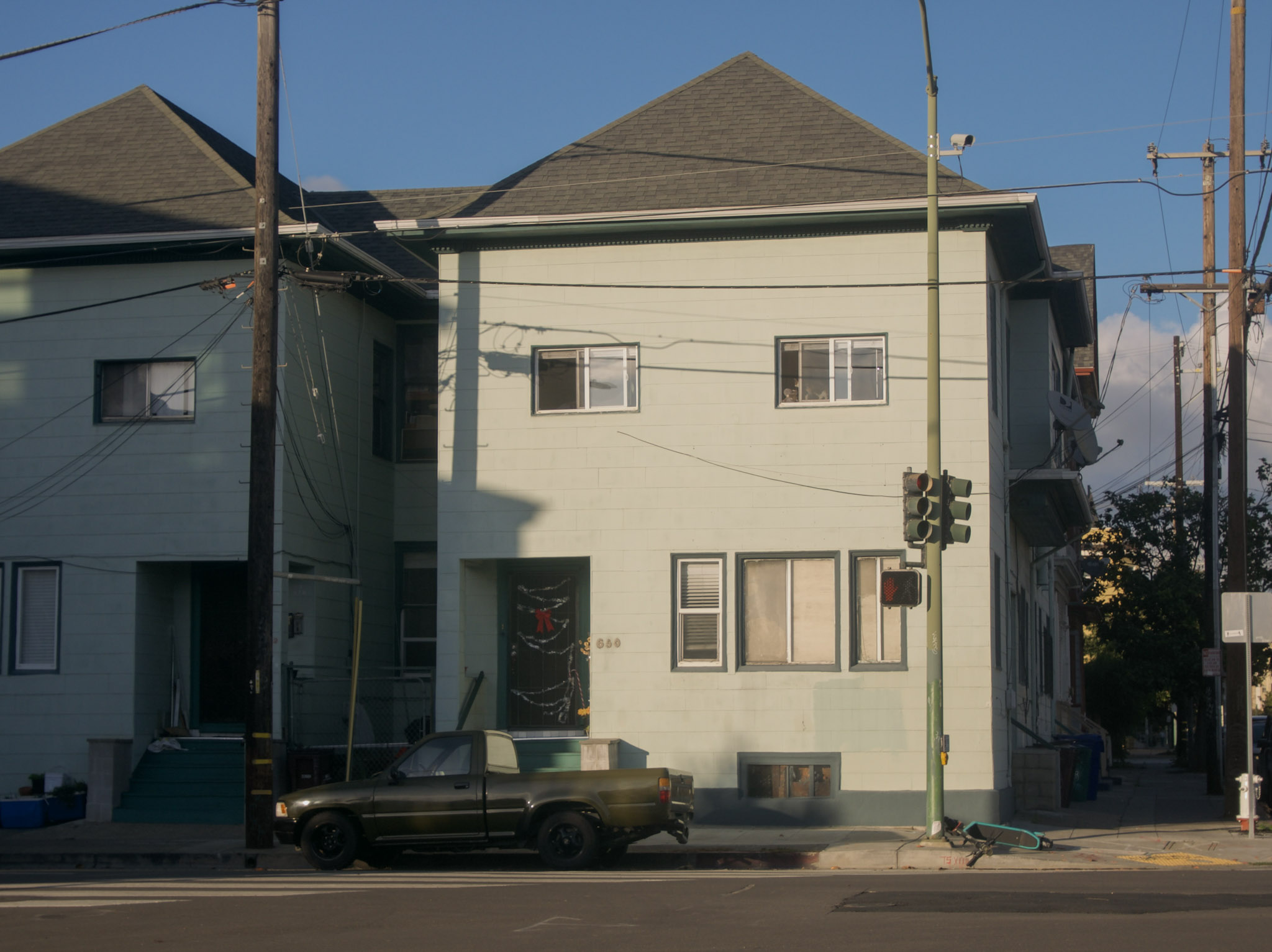
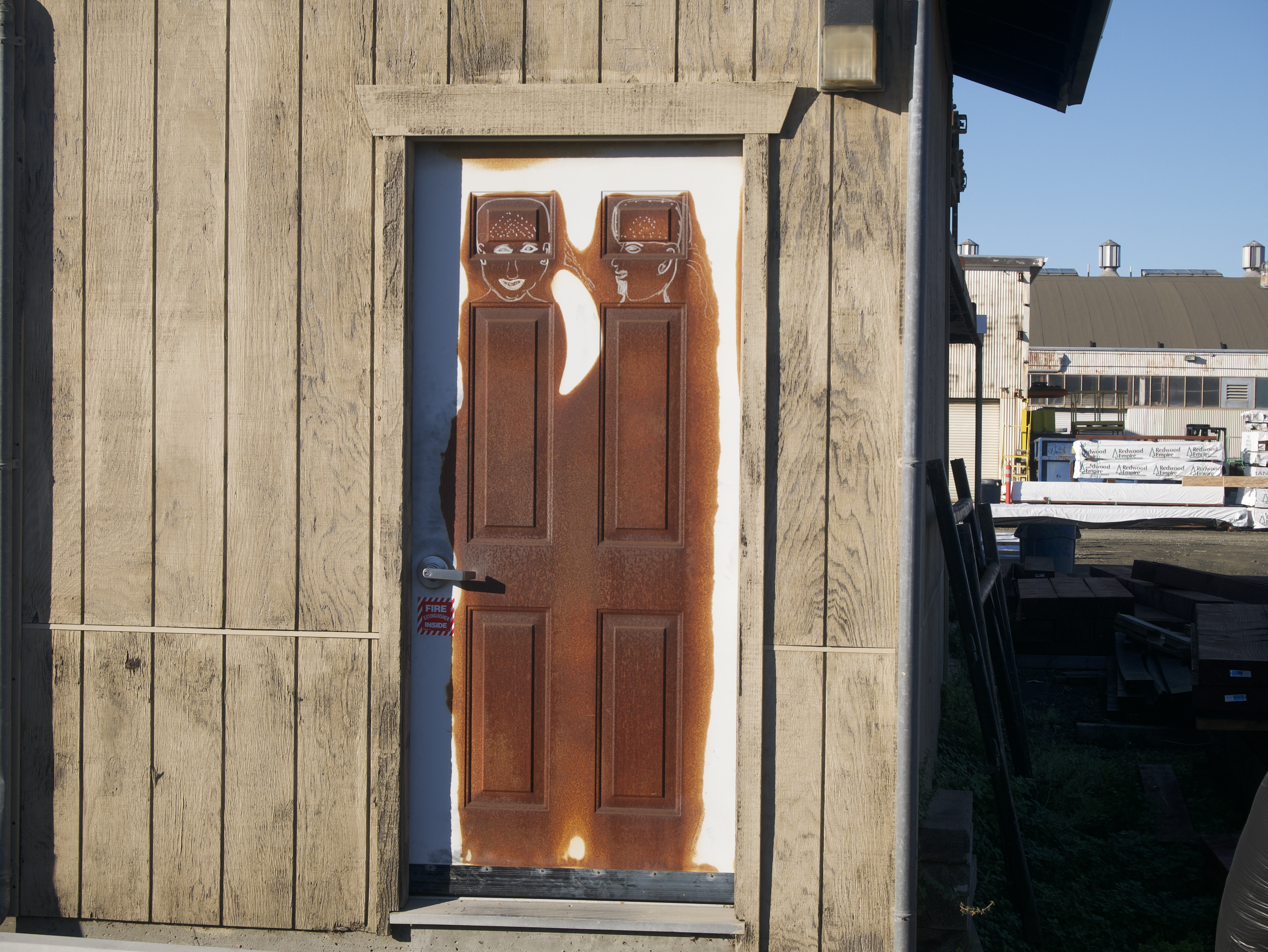
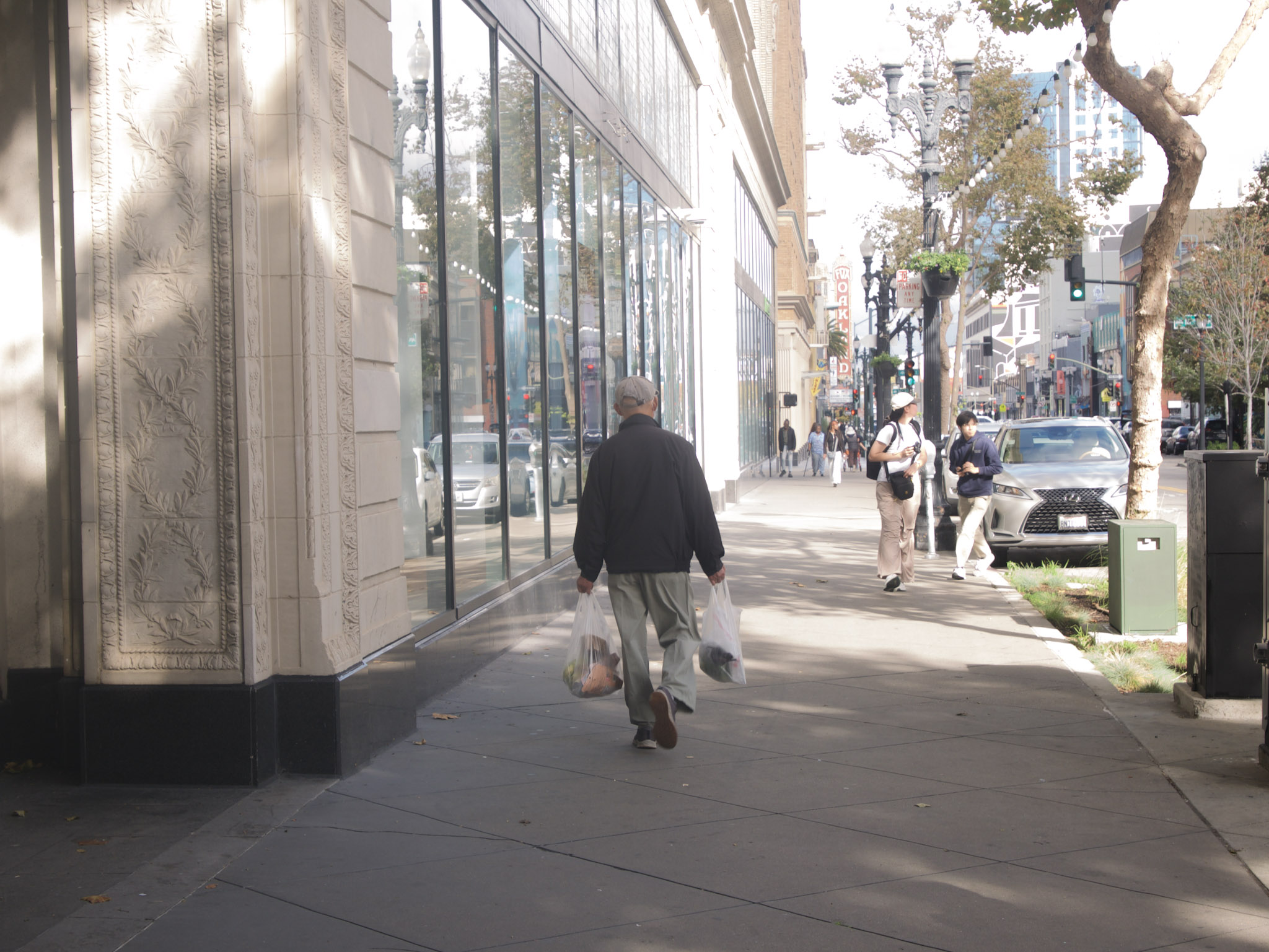
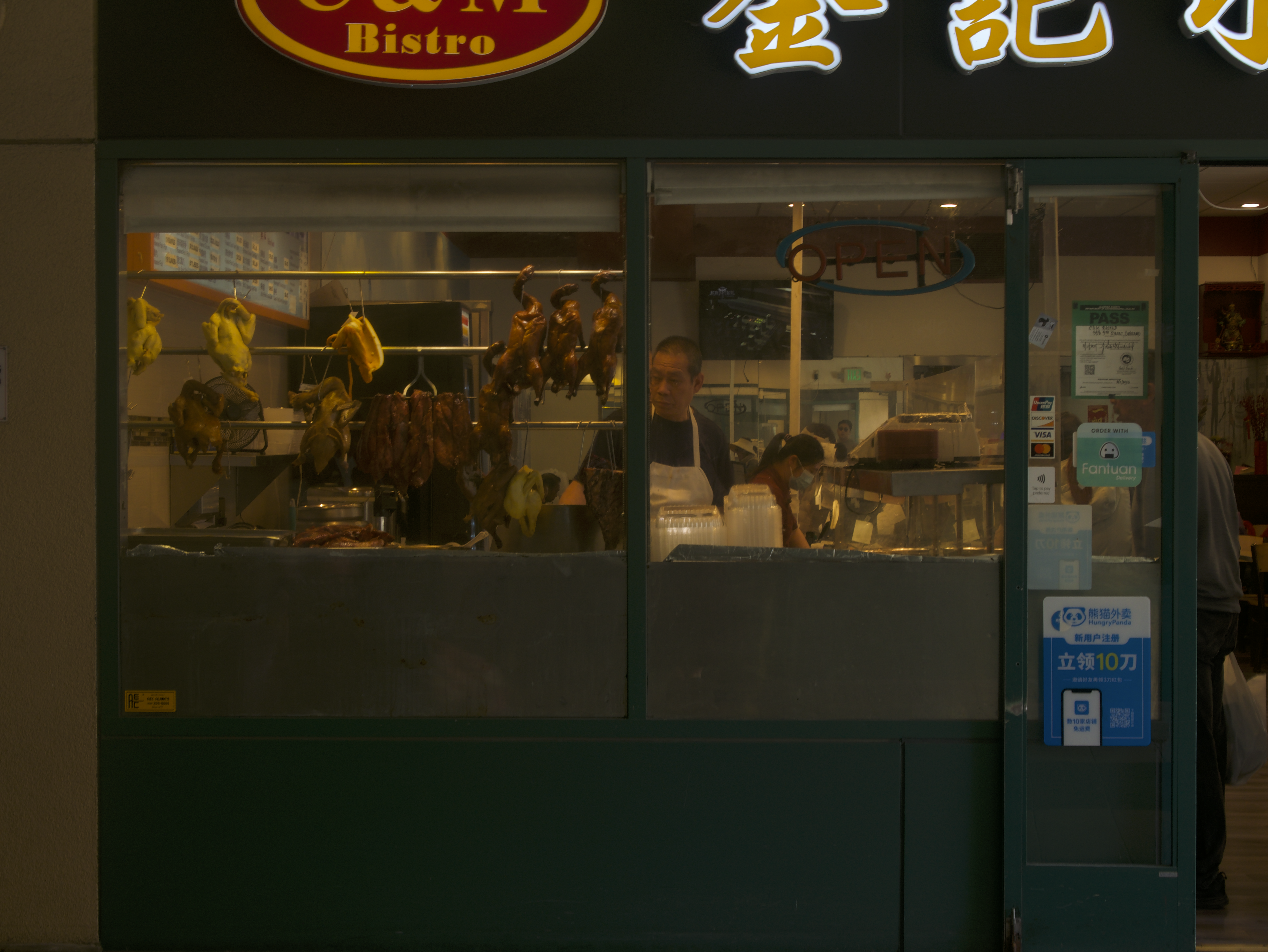
At the beginning of the semester, the work started without a clear vision, just a desire to photograph what felt beautiful, interesting, or emotionally charged in the moment. Walking along San Pablo, the camera became a mode of storytelling, moving with the people on San Pablo Avenue. My photos began to trace how people make their living and build community: mom-and-pop restaurants that have resided there for decades, car repair shops, informal street selling, and community markets. As we travelled north up San Pablo, I saw more formal commerce, different makeups of people, and contrasting street grids. In Oakland’s Chinatown, we can see the displacement and struggle among the community, with new high-rises drowning the former immigrant communities that still live there. Albany seems to be the place to frequent boutiques and coffee shops; Emeryville lacks vibrancy and focuses on industry and commerce. Berkeley feels like home; the architecture is colorful and original, but you can see how incoming planning projects are pushing residents and businesses out. These scenes point to disparities among the different communities—what kinds of businesses appear where, who they seem to serve, and how the atmosphere changes from city to city.
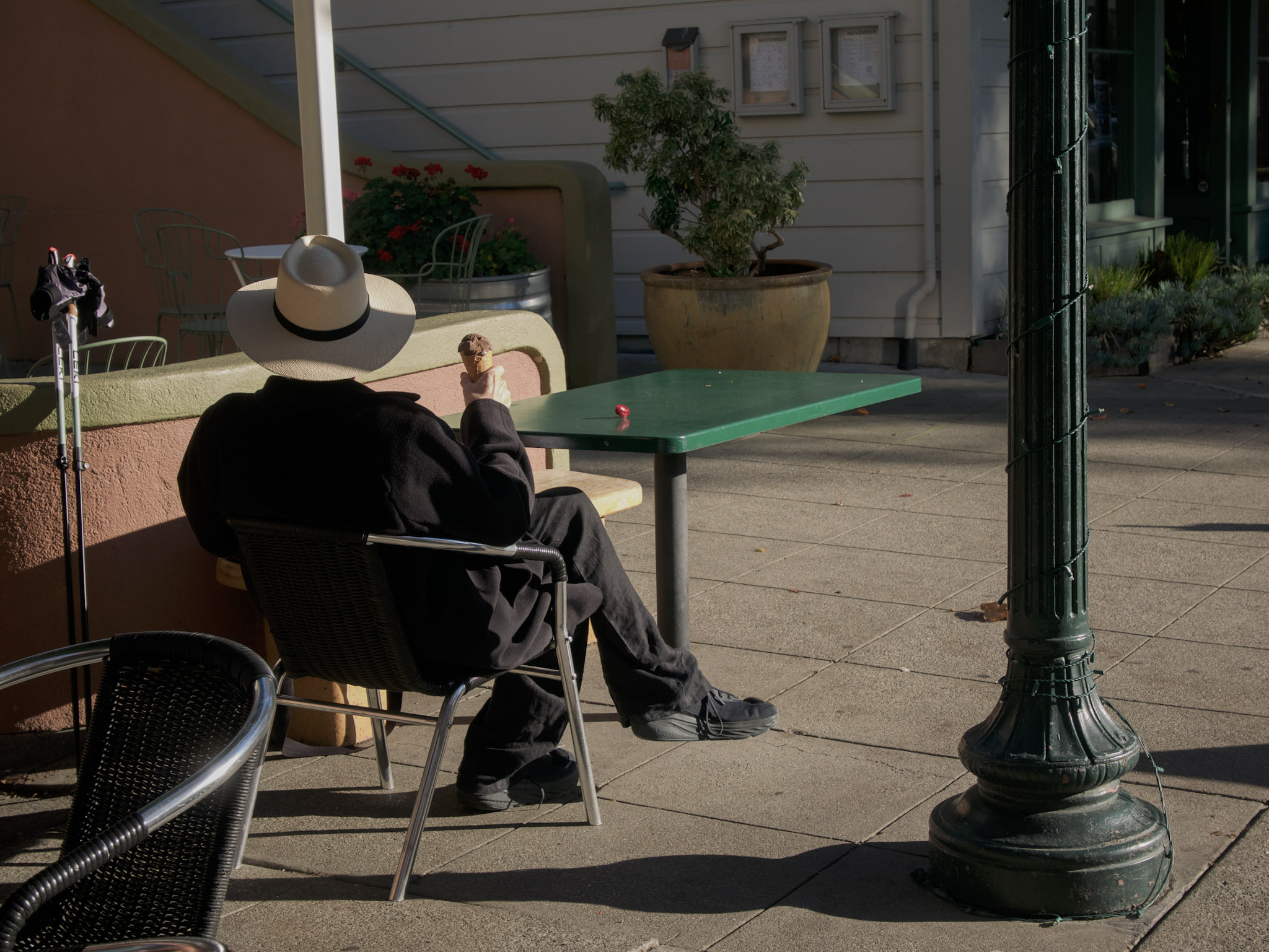
Another concept I was exploring was third spaces, places in between the lines. Spaces that aren’t quite home or work, but where people are spending their Fridays. Churches, plazas, laundromats, and markets are multiuse spaces hemmed into urban environments. Third spaces shifted along the stretch of San Pablo, how people used them, and even access to formal community spaces. In particular, in lower-income stretches of San Pablo, third spaces feel improvised: a street-corner store or a laundromat where people can congregate at any time of day. In another area, such as Albany, third spaces are built for the community; the non-dairy ice cream shop or the grass area lining the bike trail. Not everyone has the same access to green spaces or the ability to stop their day and sit for coffee. Albany was animated with people walking and gathering for lunch, whereas in Emeryville, empty chairs sat in front of a Thai restaurant.
My final twenty photos represent what I see and feel about San Pablo. Rather than forcing the photos to fit a predetermined concept, the approach was to let the images lead and then name the themes that surfaced—beauty in the ordinary, the character of local economies, and the subtle differences in how third spaces appear across cities on the same long street. Working on this project this semester changed how I feel about photography. Walking the entire length of San Pablo forced me to slow down and explore, connecting with the physical and cultural landscape. Over the course of the semester, I feel my camera skills have improved, and my opinion of photography has strengthened. It really is something I like to do, and I enjoyed using it to explore my love for geography, people, and beautiful things.